
OpenAI's Custom AI Chips: Sam Altman's Billion-Dollar Plan A Global Fabrication Network
OpenAI CEO Sam Altman seeks billions for a venture designing custom AI chips and building global fabrication plants, aiming to reduce supplier reliance and cut operational costs.
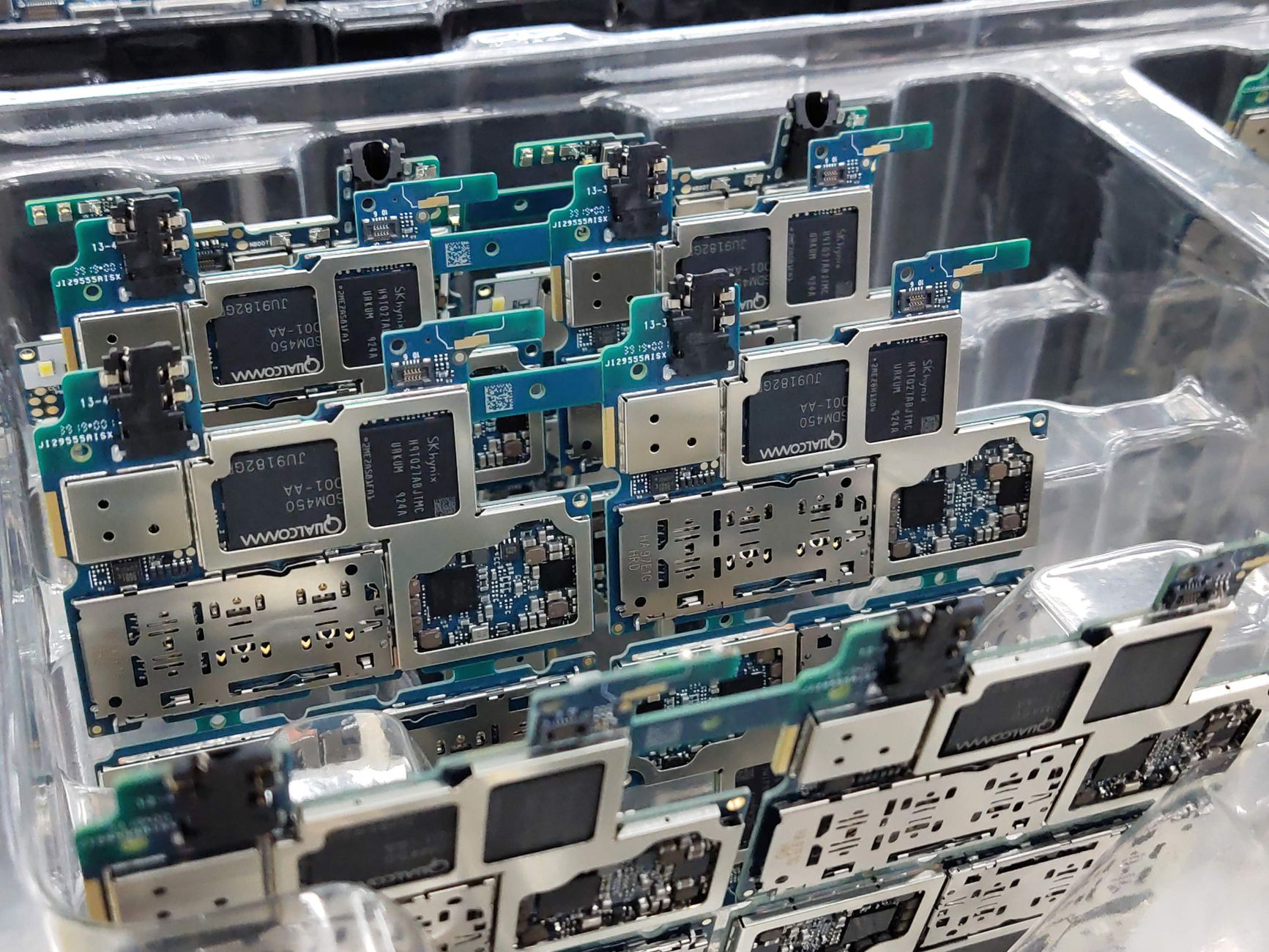
OpenAI CEO Sam Altman is reportedly seeking to raise billions of dollars from investors for a new venture focused on designing custom AI chips and establishing a global network of fabrication plants. This strategic initiative signals OpenAI's intent to lessen its dependence on external suppliers like Nvidia and mitigate the high operational costs associated with advanced AI hardware, a move that could reshape the foundational infrastructure for AI development. For founders building in the AI space, this pivot underscores the critical role of hardware control and the escalating capital requirements to sustain leading-edge AI research and deployment.
Quick takeaways
- OpenAI is exploring designing its own AI chips to reduce operational costs and reliance on external hardware suppliers.
- CEO Sam Altman is reportedly seeking billions in investment for a global AI chip fabrication initiative.
- The move aims to address the scarcity and high cost of powerful GPUs, such as Nvidia's H100s, which can cost tens of thousands of dollars each.
- OpenAI's annual spending on AI chips is estimated in the hundreds of millions of dollars, driving the push for vertical integration.
- The initiative is a long-term project, potentially taking several years to fully materialize, with discussions held with entities like SoftBank Group and TSMC.
The Strategic Pivot to Custom Silicon
OpenAI, a leading developer of large language models and generative AI technologies, is actively exploring the design of its own custom AI chips. This strategic exploration is driven by two primary factors: the escalating operational costs associated with running advanced AI models and a desire to reduce dependence on external hardware suppliers Bloomberg, 2023. The development and deployment of cutting-edge AI systems require immense computational power, primarily delivered by high-end Graphics Processing Units (GPUs). These specialized processors are not only expensive to acquire but also costly to operate at scale.
The financial burden on OpenAI is substantial. Estimates suggest the company's annual spending on AI chips runs into the hundreds of millions of dollars Bloomberg, 2023. A significant portion of this expenditure goes towards acquiring and operating powerful GPUs, such as Nvidia's H100s, which are critical for training and inference workloads. Each H100 unit can cost tens of thousands of dollars, making large-scale deployments exceptionally capital-intensive Bloomberg, 2023. By designing its own application-specific integrated circuits (ASICs), OpenAI aims to tailor hardware precisely to its software needs, potentially achieving significant efficiencies in both performance and cost.
This move towards vertical integration is not unique among major technology companies. Giants like Apple, Google, and Amazon have long invested in custom silicon to optimize performance, control costs, and differentiate their products and services. For OpenAI, a similar strategy could unlock greater control over its technological destiny. Reducing reliance on a limited number of suppliers, particularly one dominant player like Nvidia, offers both supply chain security and a competitive edge. The scarcity of high-end GPUs has been a persistent challenge for the AI industry, leading to bottlenecks in development and deployment. By developing its own chips, OpenAI could alleviate these supply constraints for its internal operations, ensuring a more stable and predictable hardware supply for its ambitious AI roadmap. This strategic shift underscores a broader trend in the tech industry: as software applications become increasingly specialized and demanding, the need for bespoke hardware solutions grows, pushing leading innovators to move beyond off-the-shelf components. For other founders, OpenAI's calculus highlights the long-term cost implications of foundational technology choices and the potential for vertical integration to become a competitive necessity rather than just an advantage.
Sam Altman's Billion-Dollar Initiative
Sam Altman, CEO of OpenAI, is reportedly spearheading a monumental fundraising effort to finance this ambitious hardware initiative. He aims to raise billions of dollars from investors to not only design custom AI chips but also to establish a global network of AI chip fabrication plants Reuters, 2023. This proposed venture extends beyond merely designing chips; it envisions a comprehensive approach to addressing the global scarcity of GPUs by controlling a significant portion of the manufacturing process itself. The scale of this undertaking reflects the critical importance OpenAI places on securing its hardware future amidst an intense global race for AI supremacy.
Altman has engaged in discussions with prominent figures in the investment and technology sectors regarding this chip venture. One notable meeting was with SoftBank Group CEO Masayoshi Son The Information, 2024. SoftBank, known for its Vision Fund and its investments in transformative technologies, represents a potential source of the significant capital required for such an endeavor. The discussions indicate a recognition of the immense financial and logistical challenges involved in building out advanced semiconductor manufacturing capabilities.
The initiative's scope suggests a long-term vision, acknowledging that the full realization of such a project could take several years Reuters, 2023. Building and operating chip fabrication plants, known as fabs, is one of the most capital-intensive undertakings in any industry, requiring tens of billions of dollars per facility and highly specialized expertise. Taiwan Semiconductor Manufacturing Co. (TSMC), the world's largest dedicated independent semiconductor foundry, has been mentioned as a potential partner for Altman's ambitious fabrication plans Reuters, 2023. Collaborating with an established leader like TSMC would provide access to unparalleled manufacturing capabilities and technical know-how, significantly de-risking the production aspect of the venture. However, even with such partnerships, the financial commitment and the complexity of managing a global supply chain for advanced semiconductors remain immense. For founders observing this, Altman's move demonstrates the extreme lengths to which leading AI companies are prepared to go to secure core infrastructure, highlighting that capital access and strategic partnerships for foundational technologies are becoming as crucial as software innovation.
The Incumbent: Nvidia's Dominance and Its Challenge
Nvidia currently holds a near-monopoly position in the market for high-performance GPUs essential for AI training and inference. The company's H100 GPUs, for instance, are the industry standard, highly coveted by AI developers and large technology firms alike. The cost of these powerful units, reaching tens of thousands of dollars per chip, reflects their advanced capabilities and the high demand Bloomberg, 2023. This pricing power, coupled with supply constraints, has positioned Nvidia as a critical gatekeeper in the AI ecosystem. For companies like OpenAI, which spend hundreds of millions of dollars annually on AI chips, this dependence translates into significant operational costs and potential strategic vulnerabilities Bloomberg, 2023.
OpenAI's exploration into custom AI chips represents a direct challenge to Nvidia's hardware dominance. By designing specialized silicon, OpenAI aims to create hardware that is precisely optimized for its specific AI models and workloads. This tailored approach could potentially offer better performance-per-watt and lower total cost of ownership compared to general-purpose GPUs. While Nvidia's chips are versatile and powerful, custom ASICs can eliminate unnecessary functionalities and focus resources on the specific computations required for AI, leading to greater efficiency. This efficiency is critical when operating at the scale of OpenAI, where marginal improvements can translate into millions of dollars in savings.
The scarcity of Nvidia's H100s and other high-end GPUs has created significant bottlenecks across the AI industry. Demand consistently outstrips supply, leading to long lead times and intense competition for available units. This scarcity not only drives up prices but also slows down the pace of AI research and deployment for many companies. OpenAI's move to develop its own chips is a direct response to this supply chain vulnerability. By establishing its own chip design and potentially its own fabrication network, OpenAI seeks to secure a stable and predictable supply of hardware, insulating its operations from market fluctuations and geopolitical pressures. This push for self-sufficiency could set a precedent for other major AI players, potentially fostering a more diversified and competitive AI hardware landscape in the long term. For founders, understanding Nvidia's market position and the strategic response from a major player like OpenAI highlights the intense competition for core compute resources and the ongoing shift towards specialized hardware as a key differentiator.
Vertical Integration as a Growing Trend
The trend of major technology companies designing their own custom silicon is not new, but it is accelerating rapidly within the AI sector. Companies like Apple, Google, and Amazon have demonstrated the strategic advantages of vertical integration in hardware development. Apple, for instance, transitioned its Mac line from Intel processors to its in-house designed M-series chips, achieving significant gains in performance and power efficiency while maintaining tighter control over its product roadmap. Google has developed its Tensor Processing Units (TPUs) specifically for AI workloads, powering its own services and offering them to cloud customers. Amazon Web Services (AWS) has also invested heavily in custom silicon, including its Graviton processors for general-purpose computing and Inferentia chips for AI inference.
These companies pursue custom silicon for several compelling reasons, all of which resonate with OpenAI's current motivations. First, it offers optimization. General-purpose chips, while powerful, cannot be perfectly tailored to every specific workload. Custom ASICs can be designed from the ground up to excel at the unique computational patterns of a company's core applications, leading to superior performance, lower latency, and reduced power consumption. For AI, where model architectures are rapidly evolving and computational demands are immense, this optimization is paramount. Second, custom silicon provides cost control. While the initial investment in chip design and manufacturing is substantial, it can lead to significant long-term savings by reducing reliance on external suppliers and optimizing operational expenditures. Third, it enhances supply chain security and independence. In a global economy prone to supply chain disruptions and geopolitical tensions, controlling critical hardware components reduces vulnerability and ensures a stable supply.
For OpenAI, a company whose very existence is predicated on advancing AI, the decision to pursue custom chips is a natural evolution of this trend. Its annual spending on AI chips, reaching hundreds of millions of dollars, represents a compelling economic argument for internalizing hardware development Bloomberg, 2023. Furthermore, the scarcity of high-end GPUs from external vendors creates a strategic imperative to secure its own supply. By following the path laid by other tech giants, OpenAI aims to gain greater control over its technological stack, from the foundational silicon to the most advanced AI models. This move signals that for companies operating at the cutting edge of AI, hardware innovation is becoming as crucial as software innovation, blurring the lines between these traditionally distinct domains and setting a new benchmark for strategic investment in the AI ecosystem. Founders in other deep tech sectors should observe this trend: vertical integration, while capital-intensive, is increasingly seen as a path to sustained competitive advantage and operational resilience.
Implications for AI Infrastructure and Other Founders
OpenAI's reported pursuit of custom AI chips and a global fabrication network carries profound implications for the broader AI infrastructure landscape and for founders across the industry. Firstly, such a significant investment from a leading AI model developer could accelerate the diversification of the AI chip market. Currently, Nvidia dominates, but OpenAI's move, if successful, could inspire other major players and even well-funded startups to invest more heavily in custom silicon or alternative hardware solutions. This increased competition could lead to innovation, better performance-to-cost ratios, and a more robust supply chain ecosystem overall. For founders currently reliant on off-the-shelf GPUs, a more diverse market could eventually mean greater choice, lower prices, and improved availability of critical compute resources.
Secondly, the initiative highlights the escalating capital requirements for operating at the forefront of AI development. Sam Altman's reported goal to raise billions of dollars for this chip venture underscores that maintaining a competitive edge in advanced AI is no longer just about software talent; it increasingly demands massive investments in foundational hardware Reuters, 2023. For many startups, accessing such capital or building comparable internal capabilities will be prohibitive. This could further entrench the advantage of well-funded incumbents and mega-startups, raising the barrier to entry for new players attempting to compete in the most computationally intensive areas of AI. Founders need to strategically consider their compute needs, explore partnerships, or focus on niche applications that do not require such extreme hardware investments.
Thirdly, this strategic shift could influence the future direction of AI software development. If OpenAI develops highly optimized custom chips, its AI models might be designed to leverage these specific hardware architectures, potentially creating a tighter coupling between hardware and software. This could lead to performance advantages for OpenAI's models, but it might also necessitate greater compatibility efforts for other developers or cloud providers. For founders building AI applications, it means staying abreast of hardware trends and considering the implications of bespoke hardware on model portability and optimization. The long-term nature of this project, expected to take several years to fully materialize, also means that the benefits and market impact will not be immediate Reuters, 2023. However, the signal it sends is clear: control over the entire vertical stack, from silicon to software, is becoming a key battleground in the race for AI leadership, pushing other founders to re-evaluate their own long-term infrastructure strategies.
Challenges and Long-Term Outlook
OpenAI's ambitious chip venture faces significant challenges, primarily stemming from the inherent complexity and capital intensity of semiconductor design and manufacturing. Designing a custom AI chip from scratch requires a specialized workforce of engineers with expertise in areas like silicon architecture, circuit design, and verification. This talent is scarce and highly sought after. Furthermore, the fabrication process itself is one of the most complex industrial undertakings globally. Building a single state-of-the-art semiconductor manufacturing plant can cost tens of billions of dollars, and the lead time from concept to full production can span many years. The proposed global network of fabrication plants would multiply these challenges exponentially.
The long-term nature of the project is also a critical consideration. OpenAI's initiative is envisioned as a multi-year endeavor, meaning that tangible results in terms of widely deployed custom silicon may not materialize for several years Reuters, 2023. During this period, the AI landscape will continue to evolve rapidly, with new model architectures emerging and existing hardware providers like Nvidia continually innovating. OpenAI's custom chips would need to remain competitive and adaptable to these shifting requirements, a task that demands continuous investment and foresight. The risk of designing hardware that becomes outdated before it can achieve full scale is a constant concern in the semiconductor industry.
Despite these challenges, the strategic rationale behind OpenAI's move remains compelling. The high cost of acquiring and operating powerful GPUs, estimated at hundreds of millions of dollars annually for OpenAI, provides a strong incentive for seeking greater efficiency and control [Bloomberg, 2023](https://www.bloomberg.com/news/articles/2023-10-06/openai-mulls-designing-its-own-ai-chips-to-cut-costs]. Moreover, the scarcity of these high-end chips creates a strategic vulnerability that vertical integration aims to address. The potential involvement of partners like SoftBank Group for funding and TSMC for manufacturing expertise could significantly mitigate some of the financial and technical risks The Information, 2024; Reuters, 2023.
The long-term outlook suggests a future where leading AI companies increasingly control their core compute infrastructure. If OpenAI successfully navigates these challenges, it could establish a new paradigm for AI development, where custom hardware becomes a critical component of competitive advantage. For other founders, this signals an increasing need to consider hardware as a strategic element, either by investing in their own specialized solutions, forging deep partnerships with chip designers, or meticulously optimizing their software for existing hardware to maximize efficiency and manage costs. The era of generic compute for cutting-edge AI may be nearing its end, ushering in a new phase of hardware-software co-design.
FAQ
Q: Why is OpenAI exploring designing its own AI chips? A: OpenAI is exploring custom AI chip design primarily to reduce its significant operational costs, which include hundreds of millions of dollars annually on existing AI chips, and to lessen its dependence on external hardware suppliers like Nvidia for high-end GPUs Bloomberg, 2023.
Q: What is Sam Altman's role in this chip initiative? A: Sam Altman, CEO of OpenAI, is reportedly leading the effort to raise billions of dollars from investors for a new venture focused on designing custom AI chips and establishing a global network of AI chip fabrication plants Reuters, 2023.
Q: Which companies are potential partners or have been in discussions regarding this venture? A: Sam Altman has held discussions with SoftBank Group CEO Masayoshi Son regarding the AI chip venture The Information, 2024. Taiwan Semiconductor Manufacturing Co. (TSMC) has also been mentioned as a potential partner for the ambitious chip fabrication plans Reuters, 2023.
Q: How much are high-end AI chips like Nvidia's H100s costing OpenAI? A: Powerful GPUs such as Nvidia's H100s can cost tens of thousands of dollars each, contributing significantly to OpenAI's estimated hundreds of millions of dollars in annual spending on AI chips Bloomberg, 2023.
Q: How long is this chip initiative expected to take? A: The chip initiative is envisioned as a long-term project that could take several years to materialize fully, reflecting the complexity and scale of designing and manufacturing advanced semiconductors Reuters, 2023.
Continue reading



The Entrepreneur Story
Is your story worth telling?
We feature founders who are building something real. Apply and we'll be in touch.
Apply to be featured →Stay sharp.
Ideas that move.
Founder stories, emerging ventures, and essays on what's next — straight to your inbox.
Unsubscribe any time.