
Medical Illustrations and Animations for Medical Marketing and Professional Education
Discover how medical illustrations and animations support medical education, healthcare marketing, scientific communication, and patient engagement with accurate visual content.
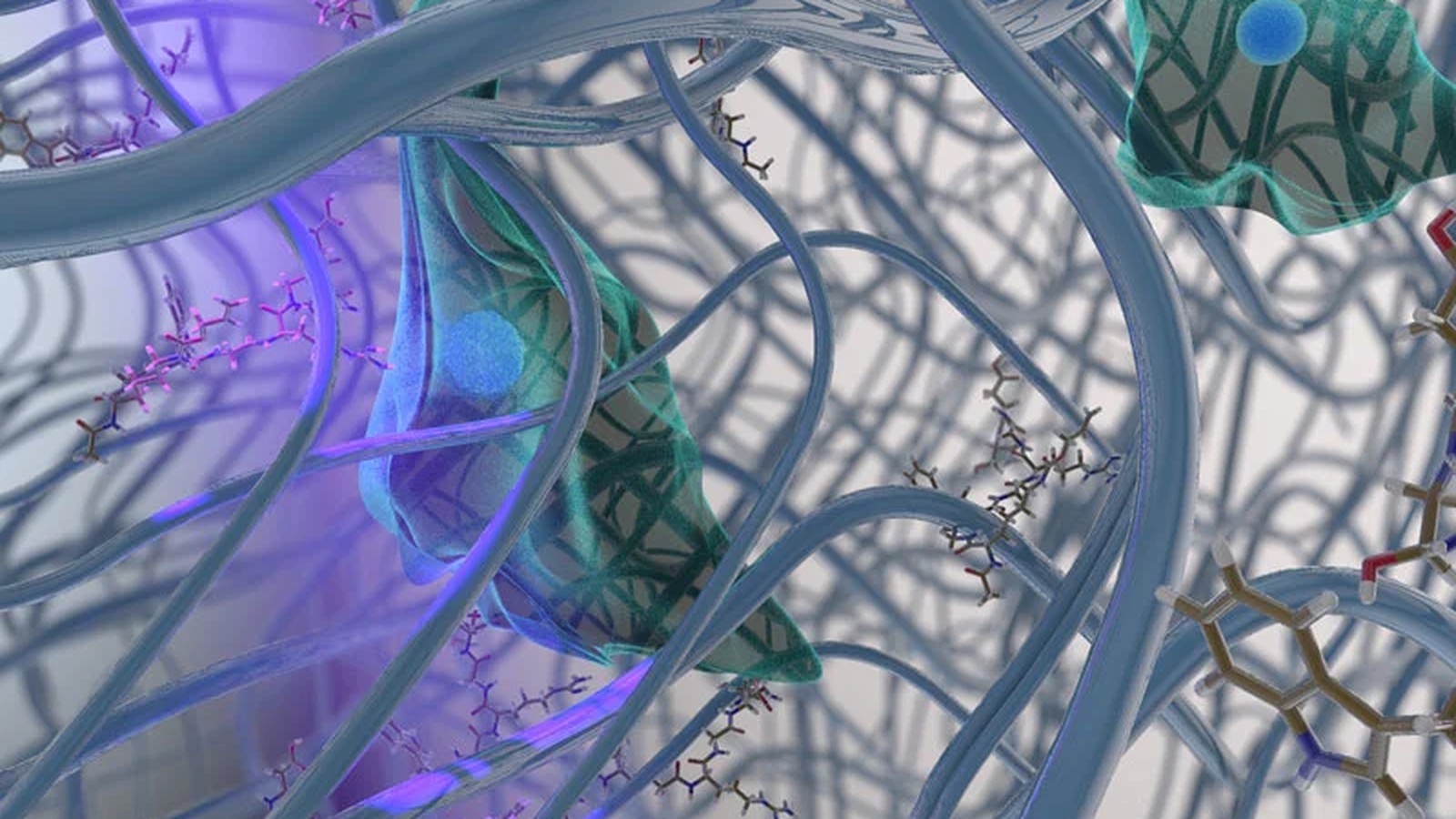
The rapid advancement of medical science has created an unprecedented demand for clear, accurate, and engaging scientific communication. New pharmaceuticals, innovative medical devices, personalized therapies, and minimally invasive procedures introduce concepts that are often difficult to explain using text alone. Medical illustrations and animations have become indispensable assets that transform highly technical information into visual content that supports education, research, clinical practice, and healthcare marketing.
Today, professional medical visualization is used by hospitals, universities, pharmaceutical companies, biotechnology firms, medical device manufacturers, and research institutions. Rather than serving as decorative graphics, medical illustrations and animations function as strategic communication tools that improve understanding among healthcare professionals, patients, investors, and regulatory organizations.
Visual Communication in an Increasingly Complex Medical Landscape
Medicine is built upon intricate biological systems that operate at anatomical, cellular, and molecular levels. Explaining these systems requires more than detailed written descriptions. Human cognition naturally processes visual information faster than text, making illustrations and animations particularly effective for communicating scientific concepts.
Medical illustrations simplify complexity by selectively presenting essential information. Instead of reproducing every visible detail, they emphasize clinically relevant anatomy, pathological changes, and functional relationships. Through careful composition, color coding, labeling, and perspective, illustrators create visuals that direct attention toward the educational objective.
For example, a medical illustration explaining coronary artery disease may focus exclusively on arterial narrowing, plaque accumulation, and blood flow, eliminating unrelated anatomical structures. This targeted approach enables viewers to understand complicated medical concepts more efficiently than through photographs or technical documentation.
Medical Animation and the Visualization of Biological Processes
Many medical phenomena cannot be understood through static images because they involve continuous movement and interaction. Medical animation addresses this limitation by visualizing dynamic biological processes over time.
Animations — https://scientific-illustrations.com/portfolio/animation — can illustrate cardiovascular circulation, immune responses, neurotransmission, embryonic development, disease progression, or the molecular mechanism of pharmaceutical therapies. These visual sequences reveal cause-and-effect relationships that are often difficult to communicate using diagrams alone.
Mechanism of action animations have become especially important in pharmaceutical communication. They demonstrate how medications interact with receptors, enzymes, antibodies, or genetic targets at the cellular level. These presentations allow physicians and researchers to understand therapeutic mechanisms more quickly while helping non-specialist audiences appreciate complex biomedical innovations.
Improving Medical Education
Healthcare education increasingly relies on visual learning. Medical students are expected to master enormous volumes of information while developing practical clinical reasoning skills. Medical illustrations and animations support this process by making complicated topics easier to understand.
Illustrations — https://scientific-illustrations.com/portfolio/medical-illustrations — provide detailed yet simplified representations of anatomy, pathology, and physiology. They clarify spatial relationships between organs, muscles, nerves, blood vessels, and connective tissues that can be difficult to appreciate through cadaveric dissection or imaging studies alone.
Animations complement these resources by demonstrating physiological functions and clinical procedures. Students can observe cardiac contraction, respiratory mechanics, synaptic transmission, or orthopedic surgery through realistic visual simulations that reinforce theoretical knowledge.
Digital learning platforms further expand educational opportunities by incorporating interactive three-dimensional anatomy, virtual laboratories, and animated tutorials that accommodate different learning styles.
Enhancing Communication with Patients
Patient-centered healthcare requires patients to understand their diagnoses, treatment options, and expected outcomes. Medical terminology, however, often creates barriers to effective communication.
Medical illustrations and animations bridge this gap by presenting medical information in an intuitive visual format. A physician explaining spinal disc herniation, cataract surgery, or diabetes management can use customized visuals to improve comprehension during consultations.
Animations are particularly effective for explaining surgical procedures. Rather than relying solely on verbal descriptions, clinicians can guide patients through each stage of treatment using realistic visual demonstrations. This improves informed consent, reduces anxiety, and encourages patients to participate actively in healthcare decisions.
Healthcare organizations also use medical visualizations within patient education portals, mobile applications, and telemedicine platforms to provide consistent educational resources beyond the clinical setting.
Supporting Healthcare Marketing and Scientific Communication
Medical visualization plays a critical role in healthcare marketing and professional communication. Pharmaceutical companies use animations to introduce new therapies during scientific congresses, product launches, and physician education programs. Biotechnology organizations rely on visual storytelling to explain innovative research and attract investment.
Medical device manufacturers create animated demonstrations that illustrate product functionality, implantation procedures, and clinical applications. These materials enable surgeons and healthcare providers to evaluate technologies before implementation.
Research institutions increasingly include graphical abstracts, scientific figures, and visual summaries in academic publications. High-quality illustrations improve scientific communication by helping readers quickly understand experimental design, biological mechanisms, and research conclusions.
Emerging Technologies Expanding Medical Visualization
Technological innovation continues to reshape medical illustration and animation. Advanced three-dimensional software enables artists to create anatomically accurate digital models derived from CT scans, MRI data, and microscopic imaging. These models provide exceptional realism while maintaining scientific precision.
Virtual reality and augmented reality are expanding opportunities for immersive education and surgical planning. Medical professionals can explore patient-specific anatomy, simulate complex procedures, and practice clinical techniques within interactive virtual environments.
Artificial intelligence is also becoming an important component of visualization workflows. AI-assisted segmentation, automated modeling, and intelligent rendering tools accelerate production while allowing visualization specialists to dedicate more time to scientific validation and visual storytelling.
Although technology continues to evolve rapidly, successful medical visualization still depends on collaboration. Medical illustrators, physicians, surgeons, researchers, and biomedical specialists work together to ensure that every visual accurately reflects current scientific understanding while remaining accessible to its intended audience.
Why It Matters
Medical illustrations and animations have become fundamental components of healthcare communication. They improve education, strengthen patient engagement, support scientific research, and enhance the communication of pharmaceutical and medical device innovations. Their ability to transform highly technical information into meaningful visual experiences makes them invaluable across nearly every area of modern medicine.
As biomedical research, digital health, and precision medicine continue to advance, professional medical visualization will play an even greater role in connecting scientific discovery with clinical practice. Organizations that invest in accurate, high-quality illustrations and animations are better positioned to educate, communicate, and inspire confidence in an increasingly complex healthcare environment.