
Solar Power System: Key Design Questions for Project Teams Key Design Questions for Project Teams
A successful solar installation depends on more than equipment. Here is what project teams need to assess before specifying a system.
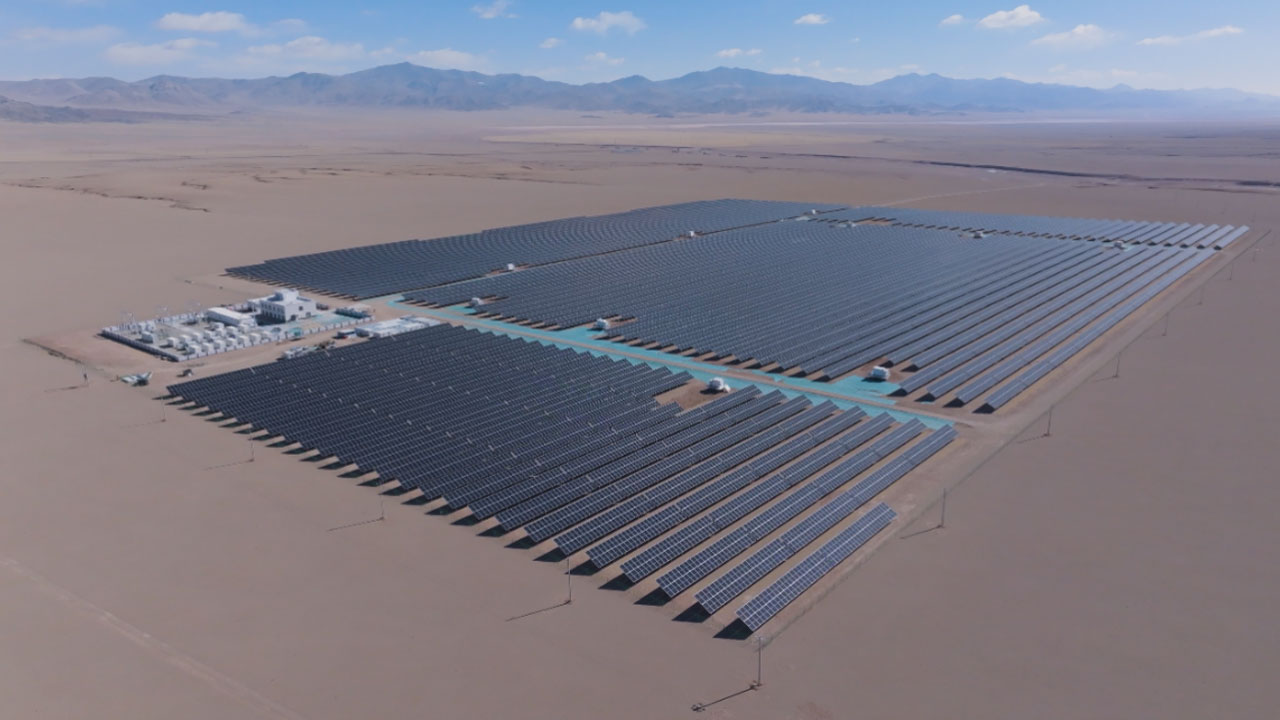
A household considering a solar power system usually starts with the roof, but a successful installation also depends on energy use, inverter selection, electrical layout, and the possibility of adding storage later. The best design begins with the property rather than a standard equipment package. Equipment selection is only one decision in a wider infrastructure project. A sound project brief explains what must be measured, who will act on alarms, and how performance will be verified after installation. The central design task is to connect the selected equipment with a clear site requirement.
Assess the Roof Before Selecting Equipment
Roof orientation, pitch, usable area, shading, structural condition, and local weather all influence the amount of solar generation a project can expect. A layout that looks attractive on a simple roof plan may need adjustment around vents, skylights, trees, or neighbouring buildings. A careful site survey gives the designer a realistic basis for module placement, cable routes, and maintenance access.
Review Local Grid Connection Requirements
Residential solar systems normally operate within rules set by the local utility or electrical authority. Export limits, metering arrangements, protection settings, and approval procedures can vary by location. These requirements should be checked before equipment is ordered, because a technically suitable design may still need different settings or documentation to be accepted for connection. For a closer look at the solution scope, review solar power system options and consider how their documented functions fit the site layout, electrical interfaces, and operating plan.
Understand the Inverter's Place in the System
Solar modules produce direct current, while household circuits and the utility network generally use alternating current. The inverter manages this conversion and may also provide functions for maximum power point tracking, grid interaction, system protection, and performance monitoring. Its capacity and configuration should be matched to the array, expected operating conditions, and any planned battery connection.
Coordinate Solar, Storage, and Household Controls
When generation, storage, and household loads are managed as one system, the timing of energy use can become more flexible. For example, controllable appliances may be scheduled when solar production is available, while the battery can be reserved for a later period or backup requirement. The control strategy should remain simple enough for occupants to understand and override when necessary. Performance should always be assessed against the actual installation conditions and the complete system boundary.
Prepare a Useful Handover Package
At commissioning, the owner should receive the as-built electrical diagram, equipment list, warranty information, shutdown and restart instructions, and contact details for service. Monitoring access should be configured and tested. A clear handover makes routine operation easier and gives future installers the information they need if the property is modified or the system is expanded. A project specification for solar power system should identify the applicable configuration, installation limits, commissioning checks, and service responsibilities.
Define the Operating Boundary
A useful specification states what the equipment is expected to do, under which conditions, and where the supplier's responsibility ends. Capacity, environmental limits, interfaces, protection behaviour, and service assumptions should be written in measurable terms. This makes proposals easier to compare and gives commissioning teams a practical basis for acceptance.
Continue reading


The Entrepreneur Story
Is your story worth telling?
We feature founders who are building something real. Apply and we'll be in touch.
Apply to be featured →Stay sharp.
Ideas that move.
Founder stories, emerging ventures, and essays on what's next — straight to your inbox.
Unsubscribe any time.