
LimX Dynamics: $2.2B Pre-IPO Valuation for Humanoid Robotics
Chinese humanoid robotics startup LimX Dynamics secures a $2.2 billion pre-IPO valuation, signaling strong investor confidence and setting a new benchmark for deep tech companies in the advanced…
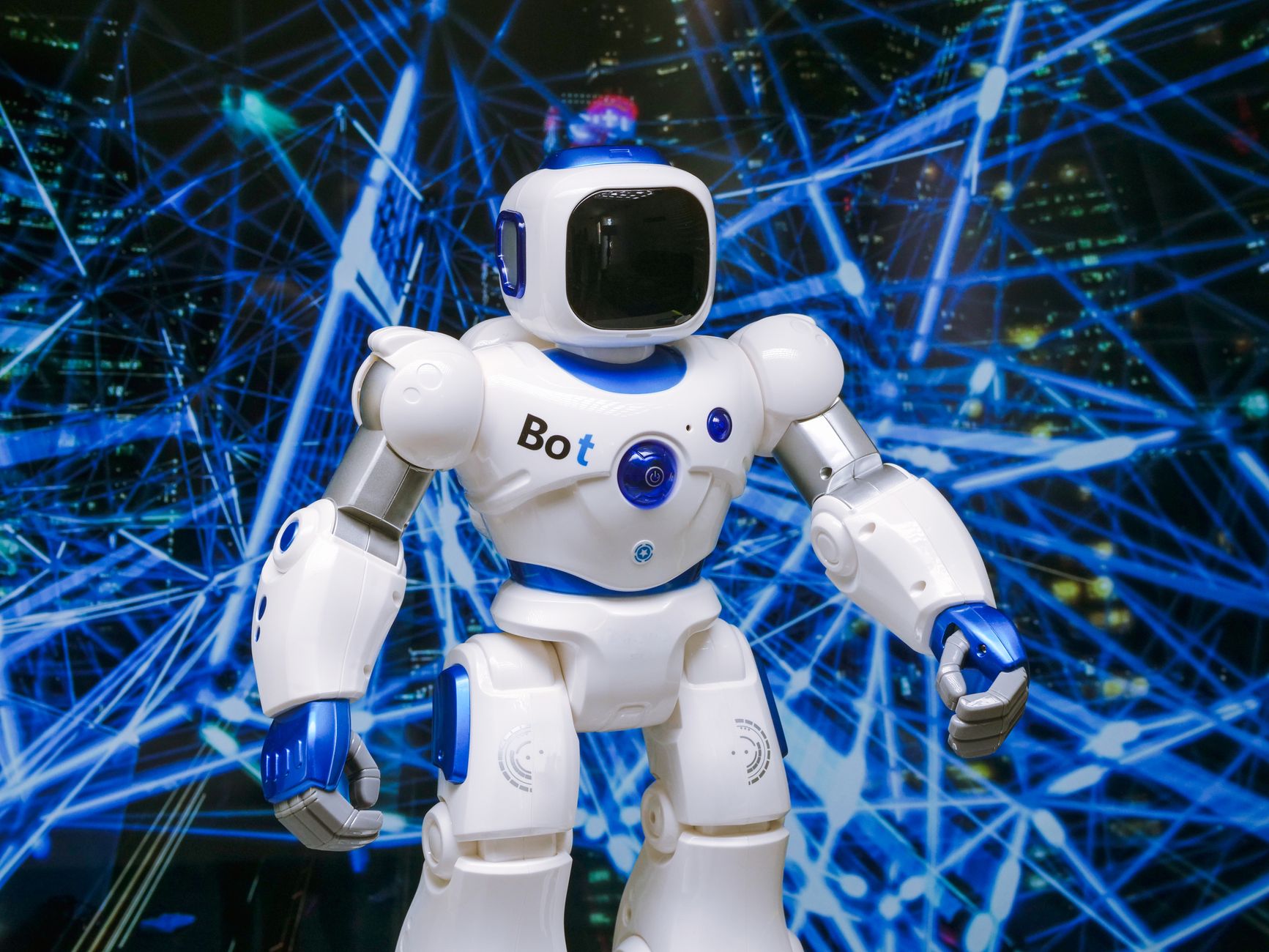
LimX Dynamics, a Chinese humanoid robotics startup, recently achieved a pre-IPO valuation of $2.2 billion (approximately 15.9 billion yuan) following a new funding round [Breaking Market News, 2024]. This valuation signals accelerated investor confidence in the advanced robotics sector and establishes a significant benchmark for other deep tech founders navigating capital markets.
Quick Takeaways
This valuation signals accelerated investor confidence in the advanced robotics sector and establishes a significant benchmark for other deep tech founders navigating capital markets.
- $2.2 Billion Valuation: LimX Dynamics secured a pre-IPO valuation of $2.2 billion (15.9 billion yuan), indicating strong investor belief in its humanoid robotics technology.
- Founding Expertise: The company was founded by Dr. Huang Qiang, a former professor at Tsinghua University, highlighting the importance of deep academic and technical expertise in the robotics sector.
- Strategic Investors: Prominent Chinese tech giants like Tencent, Meituan, and Xiaomi have invested in LimX Dynamics, suggesting strategic interest in the future of robotics applications.
- Product Focus: LimX Dynamics develops bipedal humanoid robots, including the CL-1 and X-Bot models, with a stated aim to integrate them into industrial and service sectors.
- Market Potential: The global humanoid robot market is projected to reach $13.8 billion by 2027, providing a substantial growth runway for companies like LimX Dynamics.
The $2.2 Billion Benchmark: LimX Dynamics' Pre-IPO Ascent
LimX Dynamics, a Beijing-based startup focused on humanoid robotics, has secured a pre-IPO valuation of $2.2 billion, equating to approximately 15.9 billion yuan [Breaking Market News, 2024]. This valuation, achieved through a recent funding round, positions the company as a leader within China's burgeoning advanced robotics landscape and sends a clear signal to the global investment community about the commercial viability of humanoid platforms. For founders in capital-intensive sectors like robotics, this development underscores the potential for substantial investor backing when core technology meets strategic market application.
A pre-IPO valuation of this magnitude is not merely a financial metric; it is a declaration of intent and a vote of confidence from sophisticated investors. It indicates that these backers anticipate a public listing in the foreseeable future, expecting significant returns on their investment. The capital raised in such a round is typically used to scale operations, expand research and development, and prepare the company for the rigorous demands of the public market. For LimX Dynamics, this likely translates into accelerated development of its bipedal humanoid robots and a more aggressive push into target industries. The involvement of major corporate investors such as Tencent, Meituan, and Xiaomi further validates the company's trajectory [Breaking Market News, 2024]. These strategic investors are not just providing capital; they are often looking for synergistic opportunities, potential future customers, or early access to transformative technologies that could complement their existing business ecosystems. Tencent, with its extensive digital services, Meituan, a dominant player in local services, and Xiaomi, a consumer electronics giant, each bring unique perspectives and potential integration points for humanoid robotics in their respective domains. This blend of financial and strategic backing can be a powerful accelerator for deep tech startups, offering more than just funds but also market access and expertise. The $2.2 billion figure also sets a new bar for comparable ventures, suggesting that the valuation ceiling for advanced robotics is higher than previously perceived, particularly for companies demonstrating clear technological differentiation and a path to commercialization. This can influence funding rounds for other robotics startups, potentially enabling them to command higher valuations if they can demonstrate similar product maturity and market potential.
Founder's Pedigree: Dr. Huang Qiang and Tsinghua's Influence
The foundation of LimX Dynamics' technological prowess and investor appeal is deeply rooted in its founder, Dr. Huang Qiang. As a former professor at Tsinghua University, Dr. Huang brings a significant academic and research background to the helm of a commercial enterprise [Breaking Market News, 2024]. This pedigree is a critical asset in the deep tech sector, where foundational scientific understanding and engineering expertise are paramount to developing complex, cutting-edge technologies like humanoid robotics. Tsinghua University is renowned globally for its engineering and computer science programs, making Dr. Huang's affiliation a strong signal of technical credibility to investors and potential collaborators.
Founders with strong academic backgrounds, especially from institutions like Tsinghua, often possess a unique blend of theoretical knowledge and practical research experience. This enables them to identify market gaps that can be addressed by advanced scientific principles, rather than merely incremental improvements on existing technologies. Dr. Huang's expertise likely underpins LimX Dynamics' focus on sophisticated motion control and perception systems, which are core challenges in developing agile and adaptable humanoid robots. The journey from academic research to commercial product is often fraught with challenges, but a founder with a solid research background is better equipped to navigate the complexities of translating laboratory breakthroughs into scalable, reliable products. This includes understanding the scientific limitations, iterating through design challenges, and building a team capable of executing complex engineering tasks. For other founders in deep tech, Dr. Huang's trajectory highlights the value of deep domain expertise and a strong technical foundation. It suggests that investors are increasingly looking for founders who are not just business-savvy, but also possess an intimate understanding of the science and engineering behind their products. Such founders can articulate a clearer vision for technological development, attract top-tier engineering talent, and inspire confidence that the company can overcome the inevitable technical hurdles in developing groundbreaking hardware. The intellectual capital derived from institutions like Tsinghua also often comes with a network of researchers, engineers, and potential early adopters, which can be invaluable in the initial phases of a startup. This academic lineage creates a perception of rigor and long-term vision, differentiating companies like LimX Dynamics from those with less technical depth. The company's technology, focusing on advanced motion control algorithms, perception systems, and human-robot interaction, directly reflects the kind of research that would emerge from a leading university environment [Breaking Market News, 2024]. This strong technical core is what allows LimX Dynamics to develop robots capable of complex tasks and dynamic environments, setting it apart in a competitive field.
From CL-1 to X-Bot: LimX Dynamics' Product Strategy
LimX Dynamics has articulated a clear product strategy centered on developing advanced bipedal humanoid robots for practical applications. The company has publicly released two main robot models: CL-1 and X-Bot [Breaking Market News, 2024]. These models represent the tangible output of LimX Dynamics' research and development efforts, showcasing its capabilities in complex locomotion and interactive systems. The X-Bot, in particular, gained significant attention when it was showcased at the 2023 World Robot Conference, a major event that attracts industry leaders, investors, and potential customers [Breaking Market News, 2024]. Such public demonstrations are crucial for deep tech startups, serving as proof points for their technological claims and a platform for market validation.
The core aim of LimX Dynamics is to integrate humanoid robots into industrial and service sectors [Breaking Market News, 2024]. This strategic focus on specific, high-value applications is critical for any robotics company. Unlike general-purpose robots, humanoids face unique challenges in terms of balance, dexterity, and human-robot interaction. Targeting sectors where these capabilities can provide significant advantages, such as tasks requiring manipulation in human-centric environments or assistance in complex service roles, offers a clearer path to commercialization. In industrial settings, humanoid robots could automate tasks on assembly lines designed for human operators, handle hazardous materials, or perform inspection and maintenance in confined spaces. Their bipedal nature allows them to navigate stairs, ladders, and uneven terrain, which wheeled robots cannot. For service sectors, applications could range from assisting in logistics and warehousing to performing tasks in healthcare facilities or retail environments, where interacting with human-designed infrastructure is essential. The technological differentiators that LimX Dynamics emphasizes—advanced motion control algorithms, perception systems, and human-robot interaction—are precisely what enable these applications [Breaking Market News, 2024]. Advanced motion control algorithms allow the robots to maintain balance, navigate complex environments, and perform agile movements, crucial for bipedal locomotion. Perception systems, incorporating sensors like lidar, cameras, and force sensors, enable the robots to understand their surroundings, identify objects, and adapt to dynamic changes. Effective human-robot interaction is vital for integrating these robots into workplaces alongside human colleagues, ensuring safety, efficiency, and user acceptance. For founders, LimX Dynamics' approach provides a valuable lesson: while the technology itself must be cutting-edge, the path to market success often lies in identifying specific, high-impact use cases. Demonstrating how a humanoid robot can solve real-world problems in factories, warehouses, or service environments is far more compelling to investors and customers than merely showcasing advanced capabilities in isolation. The progression from CL-1 to the more advanced X-Bot, as demonstrated at a major industry conference, also illustrates a staged product development and marketing strategy, building credibility and excitement over time. This methodical approach to product development and market introduction helps mitigate the risks inherent in bringing complex hardware to market.
Investor Confidence and the Broader Robotics Market
The significant pre-IPO valuation of LimX Dynamics, coupled with the involvement of major investors like Tencent, Meituan, and Xiaomi, signals a robust and accelerating investor confidence in the humanoid robotics sector [Breaking Market News, 2024]. These are not merely financial investors; they are strategic players with extensive operational footprints, indicating a belief that humanoid robotics will play a transformative role across various industries. Tencent, a leader in internet services and AI, likely sees potential in integrating advanced robotics with its cloud and AI platforms, or even in future consumer applications. Meituan, with its vast network in local services and logistics, could envision humanoid robots augmenting its delivery and service personnel, especially in complex urban environments. Xiaomi, known for its smart hardware ecosystem, might be exploring opportunities to incorporate advanced robotics into its future product lines or manufacturing processes. Their participation suggests a move beyond speculative investment towards strategic integration and long-term market shaping.
This surge in investment is not isolated to LimX Dynamics. It reflects a broader trend in the global robotics market. The global humanoid robot market is projected to reach $13.8 billion by 2027 [Breaking Market News, 2024]. This forecast indicates a substantial growth trajectory, driven by advancements in AI, machine learning, sensor technology, and mechanical engineering, as well as increasing demand for automation in response to labor shortages and efficiency mandates. For founders, this market projection underscores a fertile ground for innovation and significant capital deployment. The capital is flowing into companies that can demonstrate not only technological feasibility but also a clear path to commercial scalability and economic return. The competitive landscape in humanoid robotics is intensifying, with companies globally vying for market share. While LimX Dynamics is a prominent Chinese player, it operates within an ecosystem that includes well-funded startups and established tech giants worldwide. The Chinese government has also been a strong proponent of robotics development, viewing it as a strategic industry for national economic growth and technological leadership. This supportive environment, combined with a large domestic market and access to manufacturing capabilities, provides Chinese robotics startups with unique advantages. However, the challenge remains to move beyond impressive demonstrations to mass production and widespread adoption, which requires robust supply chains, cost-effective manufacturing, and reliable performance in diverse real-world conditions. The strategic investments from Tencent, Meituan, and Xiaomi also suggest a potential consolidation or ecosystem play within the Chinese tech landscape. By investing in a leading robotics company, these conglomerates are positioning themselves to either integrate the technology into their own operations or to influence the direction of the market. This can create both opportunities and challenges for other founders in the space. On one hand, it validates the market and can attract more capital. On the other, it can lead to increased competition for talent, resources, and market share, especially if these large players decide to develop their own in-house robotics capabilities or acquire smaller players. The accelerated investor confidence is a clear signal that the long-promised era of practical humanoid robots is nearing, and smart capital is positioning itself to capitalize on this transformation.
Strategic Implications for Founders in Advanced Robotics
The ascent of LimX Dynamics to a $2.2 billion pre-IPO valuation offers several critical lessons and strategic implications for founders operating in the advanced robotics and deep tech sectors. Primarily, it underscores the immense value placed on foundational technical expertise, particularly when embodied by a founder like Dr. Huang Qiang, a former professor at Tsinghua University [Breaking Market News, 2024]. For aspiring founders, this emphasizes that deep scientific and engineering knowledge is not just an advantage but often a prerequisite for attracting significant capital in areas where the technology itself is the primary differentiator. Building a team with robust academic and research backgrounds, capable of tackling complex R&D challenges, can be as crucial as a compelling business plan.
Another key takeaway is the importance of a clear, targeted application strategy. LimX Dynamics is not merely developing humanoid robots; it aims to integrate them into specific industrial and service sectors [Breaking Market News, 2024]. This focus allows for more concrete product development, clearer market messaging, and a more tangible path to revenue. Founders should resist the temptation to build general-purpose platforms without defined use cases. Instead, identifying specific problems that advanced robotics can solve, whether in manufacturing, logistics, healthcare, or retail, provides a stronger narrative for investors and potential customers. This often involves extensive market research and engagement with industry stakeholders to understand their pain points and validate potential solutions. The involvement of strategic investors like Tencent, Meituan, and Xiaomi highlights the value of securing partners who bring more than just capital [Breaking Market News, 2024]. These corporate giants offer potential avenues for product integration, market access, and strategic guidance. For other founders, this suggests a need to look beyond traditional venture capitalists and identify investors who have a vested interest in the long-term success of the technology, either as potential customers, partners, or acquirers. Such strategic alliances can de-risk a startup, provide credibility, and accelerate market penetration.
The capital intensity of hardware and robotics startups is another significant implication. Developing and manufacturing complex humanoid robots requires substantial investment in R&D, prototyping, tooling, and manufacturing infrastructure. The $2.2 billion valuation, while impressive, also reflects the capital requirements to scale such an operation. Founders must be prepared for extended fundraising cycles and be able to articulate a clear capital deployment strategy that demonstrates efficient use of funds towards commercialization. This means having a detailed roadmap for moving from proof-of-concept to pilot projects, and eventually to mass production, all while managing burn rate. Finally, the projected growth of the global humanoid robot market to $13.8 billion by 2027 provides a clear indication of market timing [Breaking Market News, 2024]. Founders entering this space now are doing so at a critical juncture, as the technology matures and market demand solidifies. This means there is a window of opportunity, but also intense competition. Startups need to differentiate themselves not just through technological superiority, but also through business model innovation, go-to-market strategies, and the ability to rapidly iterate and scale. LimX Dynamics' success offers a blueprint: combine deep technical expertise with a focused application strategy, attract strategic capital, and position for long-term growth in a rapidly expanding market.
Reader questions.
01What is LimX Dynamics' current valuation?
LimX Dynamics recently achieved a pre-IPO valuation of $2.2 billion, which is approximately 15.9 billion yuan [Breaking Market News, 2024].02Who founded LimX Dynamics?
LimX Dynamics was founded by Dr. Huang Qiang, a former professor at Tsinghua University [Breaking Market News, 2024].03What are LimX Dynamics' main robot models?
The company has released two main robot models: CL-1 and X-Bot. The X-Bot advanced model was showcased at the 2023 World Robot Conference [Breaking Market News, 2024].
Q4: What is the projected growth of the humanoid robot market? A4: The global humanoid robot market is projected to reach $13.8 billion by 2027 [Breaking Market News, 2024].
Q5: Which prominent companies have invested in LimX Dynamics? A5: Significant investors in LimX Dynamics include Tencent, Meituan, and Xiaomi [Breaking Market News, 2024].
More from The Entrepreneur Story: browse the capital desk or read our latest founder profiles.
Continue reading


The Entrepreneur Story
Is your story worth telling?
We feature founders who are building something real. Apply and we'll be in touch.
Apply to be featured →Stay sharp.
Ideas that move.
Founder stories, emerging ventures, and essays on what's next — straight to your inbox.
Unsubscribe any time.