
Why the Types of EV Chargers Deserves a Closer Design Review EV Chargers
A practical look at types of EV chargers for public charging projects, including system integration, operating risks, field tests and service planning.
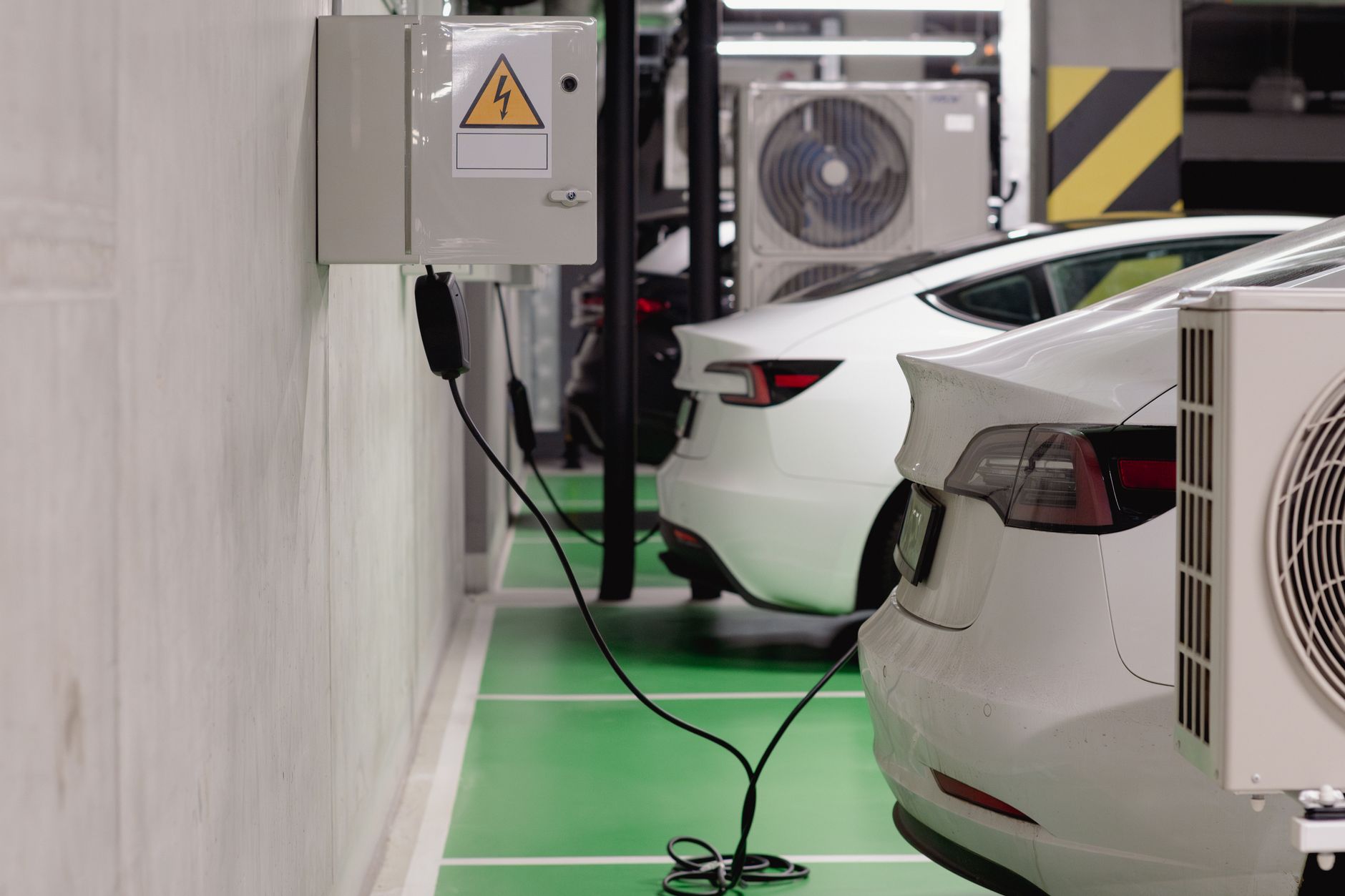
A workplace car park, an urban retail stop and a highway rest area all need different charging experiences. Treating them as one use case creates expensive compromises. This is a familiar challenge in public charging projects, where decisions made early can restrict operation for years. Start with an operating requirement that can be verified in the field. Procurement language is much more useful when engineers, owners and operators agree on the same boundary of responsibility.
Plan Maintenance at Opening
A public station requires safe isolation, fault response, spare-parts logistics and clear ownership of customer complaints. Remote diagnostics save time only if someone acts on them. Weather exposure and daily cable handling create practical service demands. Contracts should state target response times and what constitutes a restored charging session.
Test a Range of Vehicles
A single vehicle completing a demonstration charge does not establish operational compatibility. Commissioning should cover relevant voltage classes, connectors and realistic state-of-charge conditions. Check that chargers recover appropriately from interrupted sessions. Record delivered power and error behavior so future failures can be compared with the handover baseline.
A practical way to evaluate the types of EV chargers against the real constraints of this location, not the capabilities of an ideal test site. AC charging generally suits longer dwell periods; higher-power DC equipment serves shorter visits when the vehicle can accept it.
Design the Customer Route
Fast charging loses value when cable handling, signage or payment problems extend the total stop. Consider bay width, cable reach, wet-weather access and the sequence of starting a session. A dispenser layout should work for drivers who have never visited the site. Include accessibility and emergency egress in the design review.
Local accessibility rules, payment systems and cable reach deserve attention alongside connector choice.
Measure Service Quality
Availability, successful session starts, energy delivered and mean time to repair are more meaningful than installed charging power alone. Define how aborted sessions and unavailable connectors are counted. Operators should use logs to distinguish repeated user-interface problems from thermal or electrical faults. An honest baseline supports better maintenance decisions.
Measure Finished Sessions
Tracking connected time is not enough. The operational outcome is whether vehicles received the energy needed before departure. Log delivered kilowatt-hours, faults, queue delays and schedule overrides. Those records can identify chronic undersizing or inefficient allocation. They also provide credible evidence for the next round of capital investment.
The case for the types of EV chargers is best established through a measurable site-level outcome. Choose an equipment mix using arrival patterns and dwell time rather than charger count alone.
Protect Personnel
High-power equipment on a busy depot needs visible isolation, cable management and clear traffic separation. Maintenance windows should fit vehicle operations without encouraging unsafe improvisation. Drivers require training on normal and failed-session procedures. Consider emergency access when several large vehicles occupy adjacent bays.
A relevant product reference for types of EV chargers can help frame the final acceptance tests. Supplier documentation still needs to match the selected configuration.
Continue reading



Stay sharp.
Ideas that move.
Founder stories, emerging ventures, and essays on what's next — straight to your inbox.
Unsubscribe any time.