
Buying Smart String Grid Forming ESS for your site
Explore Smart String Grid Forming ESS: key design considerations, operating limits, verification and maintenance for real-world energy projects.
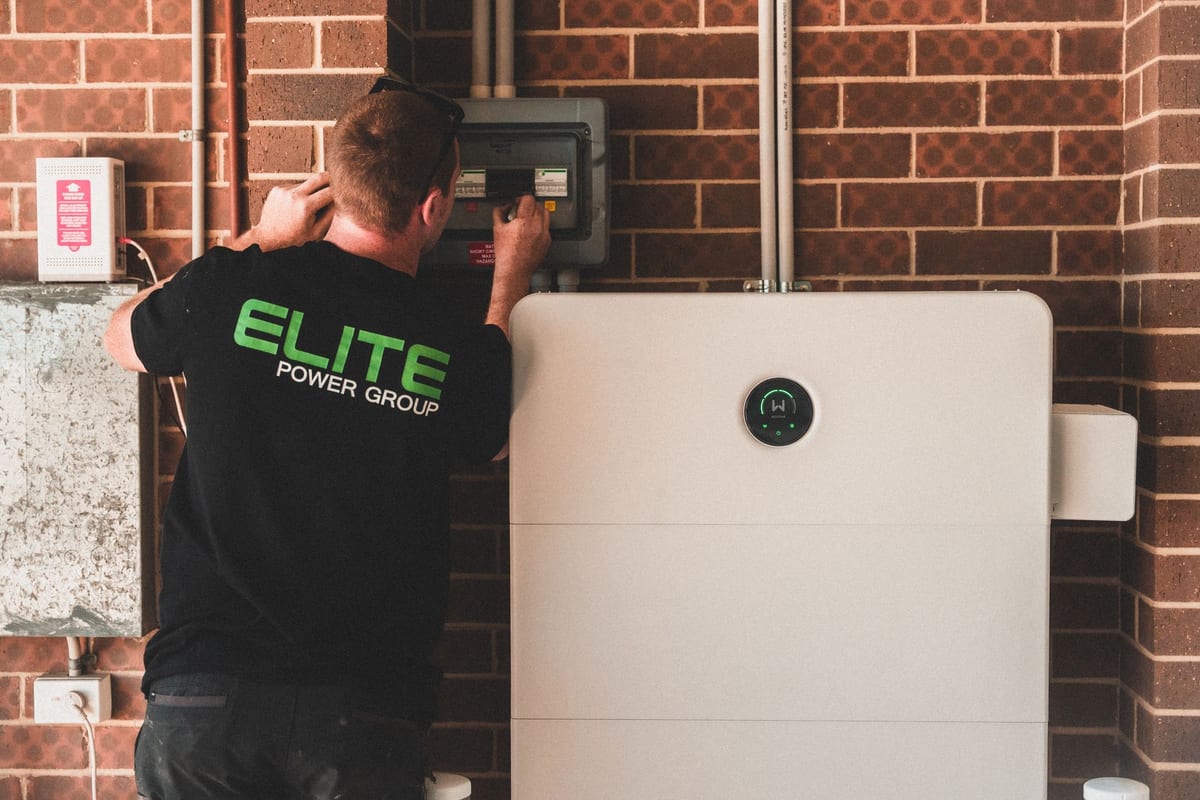
System-level behavior depends on converters, energy availability, protection and plant controls. This is a familiar challenge in grid-support projects, where decisions made early can restrict operation for years. Failures usually develop at the interface between otherwise competent teams. Reviewing the actual service environment is often more revealing than collecting another impressive efficiency figure.
Consider Other Generation
The behavior of a battery changes when it interacts with solar inverters, diesel generators or nearby converter-connected projects. Controls that work alone may require retuning in a mixed plant. Studies should cover simultaneous transitions and credible outages. Owners also need a clear account of which device establishes the reference during any authorized islanded operation.
Align Models and Field Tests
Dynamic models should reflect the delivered firmware, power limits and control settings rather than a preliminary marketing configuration. When commissioning results differ from the model, there must be a process for resolving the mismatch. Version control matters because a later settings update can invalidate earlier acceptance evidence. Agree ownership of that evidence before energization.
For a broader technical starting point, compare Smart String Grid Forming ESS with the conditions actually documented in the proposed project. System-level behavior depends on converters, energy availability, protection and plant controls.
Separate Power From Duration
A system rated for high output is not necessarily able to sustain that output for several hours. Engineers should state the required kilowatts, usable kilowatt-hours and reserve margin separately. Round-trip losses and auxiliary consumption also belong in the energy balance. Where critical loads are involved, reserve energy cannot simply be counted as available for daily price arbitrage.
Unclear transition rules between grid-connected and islanded modes can create commissioning risk.
Check the Point of Connection
The electrical connection determines how much value the battery can deliver. Import and export restrictions, transformer capacity, protective relays and meter placement can constrain otherwise capable equipment. Some projects require updated grid studies when storage is added to an existing solar plant. Engineers should trace where energy is measured and where a fault must be isolated.
Start With Grid Compliance
A project can forecast excellent solar yield and still fail to meet its interconnection obligations. Power-factor requirements, voltage control and ride-through behavior should be considered in equipment and controls design. The required studies depend on the grid operator and local regulations. Keep the commissioning plan aligned with the actual connection agreement.
The design review for Smart String Grid Forming ESS should be supported by evidence tied to the delivered configuration. Agree operating modes and verify them with representative disturbance scenarios.
Test Remote Commands
Commissioning should confirm that supervisory commands reach the intended equipment and that feedback reports the resulting state accurately. Include plausible loss-of-communications scenarios. The test record must distinguish an accepted command from a completed field response. This discipline becomes important when plants are controlled from distant operations centers.
Readers comparing specifications can review information about Smart String Grid Forming ESS as context, then verify site-specific claims with drawings, tests and commercial terms.
Continue reading



Stay sharp.
Ideas that move.
Founder stories, emerging ventures, and essays on what's next — straight to your inbox.
Unsubscribe any time.