
Helion Secures $465M to Power Microsoft's Future with Fusion
Helion, backed by Sam Altman, has raised $465 million, pushing its total funding past $1 billion, to deliver 50 megawatts of fusion power to Microsoft by 2028.
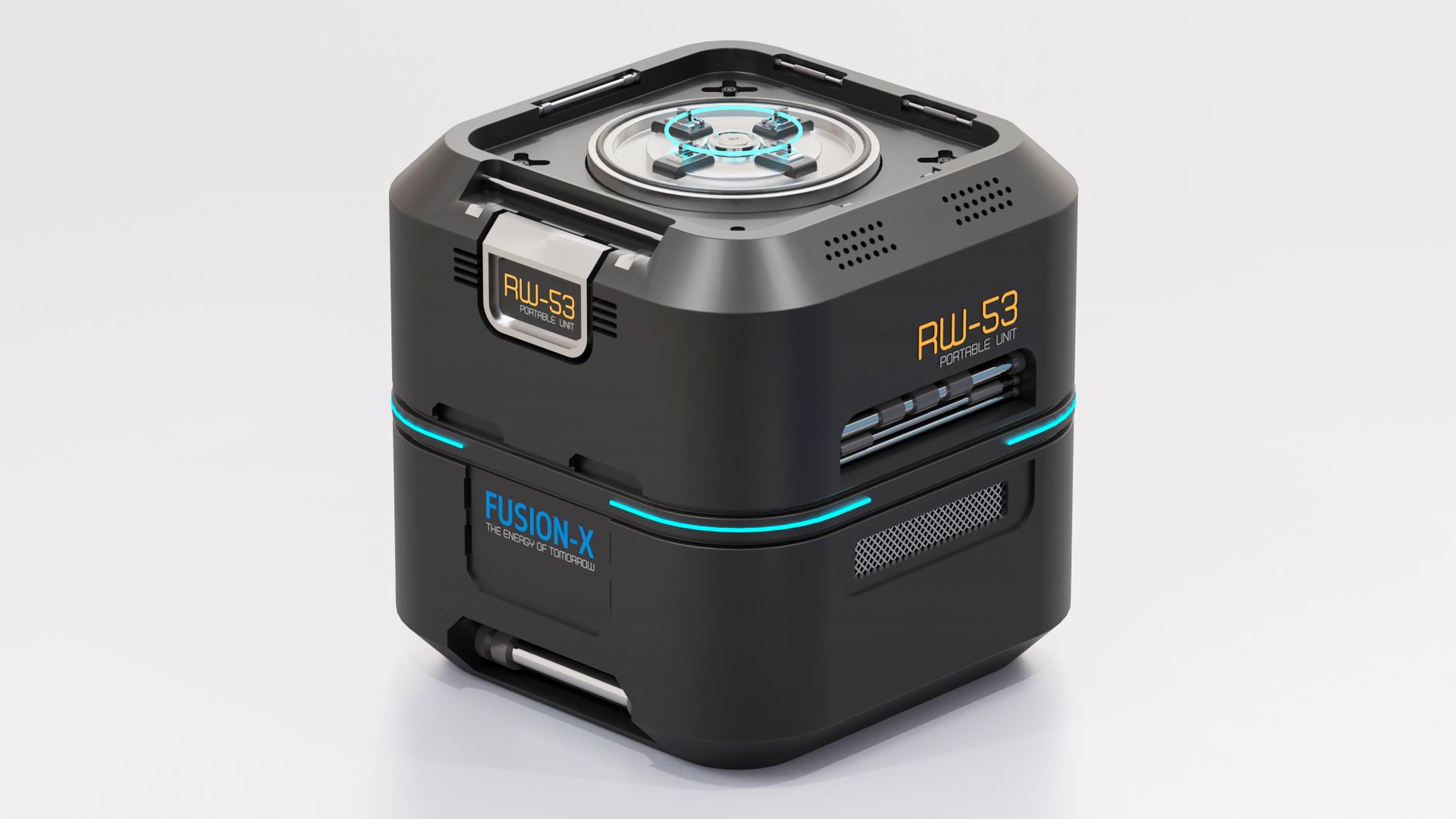
Helion, the fusion energy startup chaired by Sam Altman, secured $465 million in a new equity funding round, bringing its total equity funding to over $1 billion. This capital injection accelerates the company's ambitious timeline to deliver a commercial fusion power plant to Microsoft by 2028, a high-stakes partnership that underscores the urgent drive for scalable clean energy. For founders in deep tech and energy, Helion's trajectory offers a case study in aggressive commercialization, long-term capital commitment, and strategic anchor customer agreements.
Quick takeaways
- Helion raised $465 million in its latest equity round, pushing its cumulative equity funding past $1 billion.
- The startup is committed to delivering at least 50 megawatts of fusion power to Microsoft by 2028 under a May 2023 power purchase agreement.
- Sam Altman, OpenAI CEO and early investor, serves as Helion's chairman, signaling significant investor confidence in its long-term vision.
- Helion employs a 'pulsed non-ignition fusion' approach using 'field-reversed configuration (FRC)' plasma technology, aiming for commercial viability within an unprecedented timeframe for fusion.
- The partnership with Microsoft highlights the increasing demand from major corporations for reliable, carbon-free energy sources to power expanding infrastructure.
The $465 Million Infusion and the Microsoft Mandate
Helion has closed a $465 million equity funding round, significantly bolstering its financial position. This latest investment elevates the company's cumulative equity funding to over $1 billion, a threshold few deep tech startups achieve, particularly in the capital-intensive fusion sector TechCrunch, 2026. The substantial capital infusion is earmarked to accelerate the development and deployment of Helion's commercial fusion power plant, a project tied to a critical commercial agreement.
In May 2023, Helion entered into a power purchase agreement (PPA) with Microsoft, a landmark deal for the nascent fusion industry TechCrunch, 2026. Under the terms of this PPA, Helion has committed to providing at least 50 gross megawatts of electricity to Microsoft's grid by 2028 TechCrunch, 2026. This five-year timeline is aggressive for any large-scale energy project, and particularly so for fusion, a technology that has historically been decades away from commercialization. The 2028 deadline sets a precedent for the industry, shifting the perception of fusion from purely scientific endeavor to a commercially viable energy solution within this decade.
The PPA with Microsoft is not merely a funding mechanism; it represents a critical anchor customer relationship. For a startup in a capital-intensive field like fusion, securing a commitment from a global technology giant like Microsoft provides not only financial backing but also invaluable validation. It signals to the market that a credible path to commercialization exists and that demand for such energy solutions is immediate and substantial. Microsoft's motivation stems from its own ambitious sustainability goals and the escalating energy demands of its data centers, particularly those powering advanced AI infrastructure. These facilities require consistent, high-density power, making a reliable, carbon-free source like fusion highly attractive.
The pressure on Helion is significant. Missing the 2028 deadline would not only impact its standing but could also ripple through the broader fusion industry, potentially dampening investor confidence. Conversely, meeting this target would be a transformative event, proving that controlled fusion power can move beyond the laboratory and into the energy grid. This places Helion at the forefront of a global race to commercialize fusion, with the latest funding round providing the necessary resources to push forward against this tight schedule. The capital will be deployed towards scaling up research, development, and the construction of the commercial-scale plant, moving beyond the prototype stages that have defined much of fusion's history. This transition from R&D to commercial deployment within a few years is a strategic gamble, enabled by the substantial financial backing and the clear market signal from Microsoft.
Sam Altman's Bet and Helion's Long Game
Sam Altman, CEO of OpenAI and a prominent figure in the technology landscape, plays a dual role in Helion's journey: he is an early investor and serves as the company's chairman TechCrunch, 2026. Altman's involvement is a significant signal of confidence, reflecting his broader investment philosophy that often targets ambitious, long-term technological breakthroughs with the potential for massive societal impact. His backing of Helion aligns with his well-documented interest in foundational technologies that could reshape the future, from artificial intelligence to sustainable energy.
Helion itself is not a new entrant to the energy sector. The company was founded in 2008, predating the recent surge in private fusion investment and the widespread public discourse around AI's energy demands TechCrunch, 2026. This fifteen-year history underscores the 'long game' nature of fusion development. Building a fusion reactor capable of net energy gain, let alone commercial operation, requires sustained research, iterative prototyping, and substantial, patient capital. Founders in complex scientific and engineering fields often face this reality: timelines stretch into decades, and breakthroughs are hard-won. Helion's journey exemplifies this, moving from foundational research in 2008 to securing a commercial PPA with Microsoft by 2023, a 15-year arc before the current commercialization push.
Altman's long-term vision and willingness to back ventures with extended development cycles are crucial for companies like Helion. Traditional venture capital often seeks quicker returns, typically within 5-7 years, which is often incompatible with the deep tech and hard science timelines. Investors like Altman, who possess significant personal wealth and a strategic outlook beyond typical VC cycles, can provide the patient capital necessary to nurture these moonshot projects. This type of backing allows founders like Dr. David Kirtley, Helion's CEO, to focus on the scientific and engineering challenges without constant pressure for immediate commercial returns, at least in the early stages.
The cumulative equity funding exceeding $1 billion, largely supported by this patient capital, positions Helion uniquely. It indicates a sustained belief in their scientific approach and their ability to overcome significant engineering hurdles. For founders looking at hard tech, Helion's story highlights the importance of finding investors whose timelines and risk appetites align with the inherent challenges of deep scientific innovation. It's a testament to the fact that revolutionary technologies often require revolutionary funding models and investor profiles, moving beyond conventional venture capital structures to embrace the 'long game.' Altman's chairmanship is not merely symbolic; it provides strategic guidance and access to networks that can accelerate Helion's path, particularly in navigating complex partnerships and future capital raises. His involvement also attracts other investors who see his commitment as a strong endorsement of Helion's potential.
Fusion's Commercialization Race: Helion's Approach
The quest for commercial fusion power has intensified, driven by global energy demands and the urgent need for carbon-free sources. Helion is one of several private companies vying to achieve this, but its approach, utilizing 'pulsed non-ignition fusion' with 'field-reversed configuration (FRC)' plasma technology, sets it apart TechCrunch, 2026. Understanding this specific methodology is key to appreciating Helion's aggressive commercialization timeline.
Traditional fusion research, often associated with tokamaks, aims to create a sustained, self-heating plasma where fusion reactions ignite and produce more energy than required to heat the fuel (ignition). Helion's 'pulsed non-ignition' method, however, focuses on a different principle. Instead of achieving full ignition, Helion's FRC technology involves compressing a plasma ring to fusion conditions in rapid, repetitive pulses. This approach aims to directly convert the kinetic energy of fusion products into electricity, bypassing the need for a complex steam cycle common in conventional power plants. This direct energy conversion could lead to smaller, more efficient, and potentially less expensive power plants, a critical factor for commercial viability.
The FRC is a type of magnetic confinement fusion where a compact, self-organized plasma ring is created and compressed by rapidly changing magnetic fields. This confinement method is distinct from the larger, donut-shaped tokamaks or stellarators. The pulsed nature of Helion's system means that instead of a continuous reaction, energy is generated in discrete bursts. The ability to control and repeat these pulses efficiently, and to extract energy directly, is central to Helion's strategy for rapid commercialization. Dr. David Kirtley, Helion's CEO, has overseen the development of this technology, iterating through multiple prototypes over the years.
Helion's current operational facility, named 'Trenta,' located in Everett, Washington, is described as the largest private fusion research facility in the world TechCrunch, 2026. The scale of Trenta indicates the significant investment in infrastructure required to advance fusion technology. Such a facility allows Helion to conduct experiments at a scale that approaches commercial relevance, gathering critical data on plasma stability, energy output, and system reliability. The existence of a facility of this size underscores the maturity of Helion's engineering efforts and its commitment to building out the physical infrastructure necessary for commercial deployment.
The commercialization race in fusion involves various approaches, from magnetic confinement (like FRCs and tokamaks) to inertial confinement fusion. Each method presents unique engineering and scientific challenges. Helion's focus on a pulsed, non-ignition FRC system with direct energy conversion is a calculated bet on a path that could lead to a more compact and cost-effective reactor design, potentially accelerating its path to market compared to other, more complex systems. The $465 million funding round will undoubtedly be channeled into scaling up operations at Trenta and preparing for the construction of the first commercial plant for Microsoft, proving the efficacy of their chosen approach under real-world, grid-connected conditions. This phase is critical, moving from demonstrating scientific principles to proving engineering reliability and economic feasibility.
The Stakes for Clean Energy and Infrastructure
The partnership between Helion and Microsoft represents a significant milestone, not just for the fusion industry, but for the broader landscape of clean energy and critical infrastructure development. The commitment to delivering 50 gross megawatts of electricity by 2028 highlights the escalating demand from major corporations for reliable, carbon-free power sources, a trend with profound implications for founders in various sectors.
Microsoft's motivation is multifaceted. As a global technology giant, its operations, particularly its rapidly expanding network of data centers, consume vast amounts of electricity. The rise of artificial intelligence and machine learning applications further intensifies this demand, requiring unprecedented computational power that translates directly into energy consumption. Traditional renewable sources like solar and wind, while crucial, are intermittent and require extensive grid infrastructure and energy storage solutions. Fusion power, if successful, promises a baseload, carbon-free energy source that is dispatchable and potentially highly compact, making it ideal for powering energy-intensive facilities like data centers, which require constant, reliable power.
For founders in the AI and data center space, the prospect of commercially viable fusion energy offers a vision of future infrastructure unconstrained by the carbon footprint or intermittency of current energy solutions. It could enable the deployment of data centers in new locations, reduce operational costs associated with carbon taxes or renewable energy procurement, and provide a stable power supply crucial for high-performance computing. This energy shift could unlock new possibilities for AI innovation, allowing for even more computationally intensive models and applications.
Beyond data centers, the successful commercialization of fusion by Helion could catalyze a paradigm shift in the global energy transition. It would provide a new tool in the fight against climate change, offering a power source that produces no long-lived radioactive waste, does not emit greenhouse gases, and uses readily available fuels. This has implications for national energy security, grid stability, and industrial decarbonization. Other industries, from heavy manufacturing to transportation, are also searching for reliable, clean energy alternatives to reduce their environmental impact.
The aggressive 2028 timeline and the substantial investment in Helion underscore the urgency with which both private industry and investors view the energy challenge. It signals that companies are willing to invest in high-risk, high-reward technologies to secure their future energy needs and meet sustainability commitments. This creates a fertile ground for other deep tech founders working on hard problems in climate tech, energy storage, grid management, and advanced materials. The success of a project like Helion's could de-risk future investments in similar audacious ventures, demonstrating that patient capital and strategic partnerships can bridge the gap between scientific breakthrough and commercial reality. The stakes are immense: not just for Helion and Microsoft, but for the global energy landscape and the future of critical digital infrastructure.
Lessons for Founders: Ambition, Capital, and Partnerships
Helion's journey, culminating in its latest $465 million funding round and the 2028 Microsoft power purchase agreement, provides several critical lessons for founders navigating the complex world of deep tech and hard science. Its trajectory underscores the interplay of audacious ambition, the necessity of deep capital, and the strategic leverage of anchor partnerships.
First, the Helion story exemplifies the power of unwavering ambition and a long-term vision. Founded in 2008, Helion has spent over a decade in research and development, iterating through complex scientific and engineering challenges before reaching the cusp of commercialization TechCrunch, 2026. For founders tackling similarly complex problems—whether in biotechnology, advanced materials, space tech, or other energy solutions—this long-game perspective is crucial. It demands resilience, a commitment to fundamental scientific principles, and a refusal to compromise on the ultimate objective, even when immediate commercial returns seem distant. Dr. David Kirtley's leadership through this extended period highlights the importance of steady, persistent vision from the founding team.
Second, the case illustrates the non-negotiable requirement for substantial, patient capital in deep tech. With cumulative equity funding exceeding $1 billion, Helion's ability to attract and deploy such significant resources is a key enabler TechCrunch, 2026. Founders in capital-intensive sectors must understand that traditional venture capital models, often optimized for rapid growth and quick exits, may not be suitable. Instead, seeking out investors like Sam Altman, who serve as chairman and early backers, with a proven track record of supporting long-term, high-impact projects, is vital. This type of investor understands the extended development cycles, the need for significant infrastructure, and the potential for transformative, rather than incremental, returns. Founders should clearly articulate their capital needs, the milestones achievable with each tranche, and the long-term vision that justifies such substantial investment.
Third, Helion's PPA with Microsoft demonstrates the strategic value of early, high-stakes partnerships with anchor customers. Securing a commitment from a global technology leader like Microsoft, with a concrete delivery deadline of 2028 and a specified output of 50 megawatts, transforms Helion from a research project into a commercial entity with a clear market pathway TechCrunch, 2026. For other founders, this highlights the importance of identifying potential customers who not only have a strong need for your solution but also possess the resources and strategic vision to become early adopters and partners. Such partnerships provide critical validation, de-risk future funding rounds, and offer invaluable feedback for product development. They move the conversation from "can this be built?" to "who will buy this, and how quickly can we deliver?" This shift is particularly crucial for technologies that require significant infrastructure investment before widespread adoption.
Finally, the aggressive 2028 timeline itself serves as a lesson in setting audacious, but strategically important, targets. While challenging, this deadline creates intense focus, drives engineering innovation, and aligns all stakeholders towards a common, measurable goal. For founders, establishing clear, time-bound objectives, even for projects with inherent uncertainties, can galvanize teams and attract the necessary resources. Helion's story is a testament to the fact that groundbreaking innovation often requires not just scientific brilliance, but also strategic business acumen in securing capital, building partnerships, and setting ambitious commercial milestones.
FAQ
Q: What is Helion's core technology for generating fusion power? A: Helion employs a unique approach called 'pulsed non-ignition fusion' using 'field-reversed configuration (FRC)' plasma technology. This method involves rapidly compressing a plasma ring to fusion conditions in pulses, aiming for direct electricity generation rather than sustained ignition TechCrunch, 2026.
Q: Who is Sam Altman's role in Helion? A: Sam Altman, CEO of OpenAI, is an early investor in Helion and serves as the company's chairman. His involvement underscores significant investor confidence and strategic backing for the fusion startup TechCrunch, 2026.
Q: What is the significance of the power purchase agreement with Microsoft? A: The PPA, signed in May 2023, commits Helion to delivering at least 50 gross megawatts of electricity to Microsoft by 2028. This is a landmark commercial agreement that validates fusion as a viable energy source and provides a crucial anchor customer for Helion's technology TechCrunch, 2026.
Q: How much funding has Helion raised in total? A: With its latest $465 million equity funding round, Helion's cumulative equity funding has surpassed $1 billion TechCrunch, 2026.
Q: Where is Helion's primary research facility located? A: Helion's current facility, named 'Trenta,' is located in Everett, Washington. It is described as the largest private fusion research facility in the world TechCrunch, 2026.
Continue reading


The Entrepreneur Story
Is your story worth telling?
We feature founders who are building something real. Apply and we'll be in touch.
Apply to be featured →Stay sharp.
Ideas that move.
Founder stories, emerging ventures, and essays on what's next — straight to your inbox.
Unsubscribe any time.