
Andrew Ng's LearnVector: AI-Powered 1:1 Tutoring for Edtech _A new era for edtech founders_
Andrew Ng launched LearnVector on April 2, 2024, a one-to-one AI tutoring venture. The move puts a well-capitalized incumbent into a crowded edtech field.
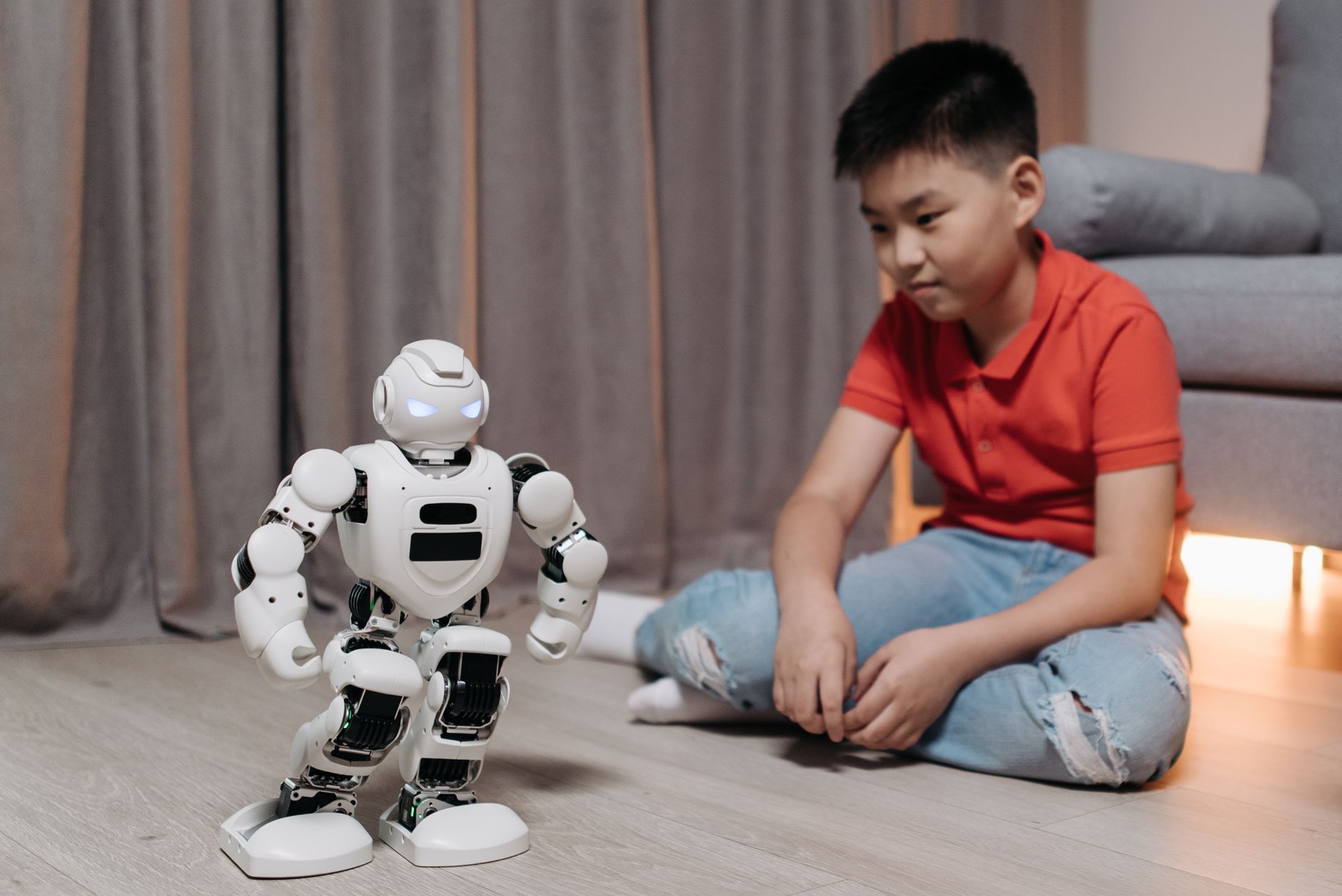
Andrew Ng, the AI pioneer behind Coursera and DeepLearning.AI, officially introduced LearnVector on April 2, 2024, a new venture dedicated to bringing high-quality, one-to-one AI tutoring experiences to a global audience. This move signals a significant push into AI-first personalized education, presenting both a challenge and a substantial opportunity for founders navigating the rapidly evolving edtech landscape. Founders should note Ng's entry as a validation of AI's readiness to deliver deeply individualized learning, prompting a re-evaluation of current edtech strategies and potential new product development.
Quick Takeaways
- LearnVector, founded by renowned AI pioneer Andrew Ng, launched its AI-powered 1:1 tutoring platform on April 2, 2024 [DeepLearning.AI, 2024].
- The initial product, 'Learn English with LearnVector,' specifically targets English language learners globally [LearnVector, 2024].
- LearnVector aims to address the global educator shortage, citing UNESCO's estimate of 44 million more teachers needed by 2030, through scalable AI solutions [DeepLearning.AI, 2024].
- The venture is rooted in Benjamin Bloom's '2 Sigma Problem,' asserting that AI can deliver the two-standard-deviation effectiveness often associated with personalized human tutoring [DeepLearning.AI, 2024].
- Founders in edtech should consider this development a strong signal for investing in AI-driven content, tools, and platforms that enable truly adaptive and interactive learning experiences.
Andrew Ng's Latest Bet: Democratizing 1:1 Tutoring
Andrew Ng, a figure synonymous with the democratization of AI education, formally launched LearnVector on April 2, 2024 [DeepLearning.AI, 2024]. This new company aims to deploy advanced artificial intelligence to deliver high-quality, one-to-one tutoring experiences to individuals worldwide [DeepLearning.AI, 2024]. Ng's involvement carries significant weight, given his extensive background in both AI innovation and educational technology. Before LearnVector, Ng co-founded Coursera, a platform that brought university-level courses to millions globally, demonstrating his commitment to accessible education [DeepLearning.AI, 2024]. He also founded DeepLearning.AI, an educational company focused on AI literacy and professional development, further solidifying his influence in the sector [DeepLearning.AI, 2024]. His prior roles include leading AI initiatives at tech giants Google and Baidu, positioning him as a veteran in the practical application and scaling of artificial intelligence [DeepLearning.AI, 2024].
LearnVector's core mission is to bring personalized education, traditionally a luxury, to everyone, regardless of their location or economic status [DeepLearning.AI, 2024]. This ambition directly confronts a pressing global challenge: the severe shortage of qualified educators. UNESCO estimates that 44 million more teachers will be needed globally by 2030, a gap that conventional recruitment and training methods struggle to fill [DeepLearning.AI, 2024]. Ng postulates that AI is now sufficiently advanced to provide truly personalized and highly effective one-to-one tutoring experiences, offering a scalable solution to this deficit [DeepLearning.AI, 2024].
The inspiration for LearnVector's approach draws heavily from educational psychologist Benjamin Bloom's seminal work on the '2 Sigma Problem.' Bloom's research in the 1980s demonstrated that one-to-one tutoring could make students two standard deviations more effective than those in conventional classroom settings [DeepLearning.AI, 2024]. This '2 Sigma' effect, while highly impactful, has historically been difficult to scale due to the inherent costs and logistical challenges of providing individual human tutors. Ng's vision is to leverage AI to replicate this profound effectiveness on a global scale, making personalized learning a reality for millions who currently lack access to such tailored instruction [DeepLearning.AI, 2024]. His long-standing commitment to making advanced technology accessible, first with online courses and now with AI tutoring, underscores the strategic intent behind LearnVector. This venture is not merely an incremental improvement but a fundamental re-imagining of how high-quality education can be delivered, using AI to bridge gaps that human resources alone cannot. For founders, Ng's latest endeavor serves as a powerful signal, validating the viability and transformative potential of AI in education at a foundational level.
'Learn English with LearnVector': Product and Pedagogy
LearnVector's initial foray into the market is with its product, 'Learn English with LearnVector,' directly targeting the immense global demand for English language acquisition [LearnVector, 2024]. This strategic choice recognizes the widespread utility of English as a lingua franca in business, technology, and academia, making effective instruction a high-priority need for millions worldwide. The product is designed to offer a comprehensive, interactive learning experience that goes beyond traditional language apps or static curricula. It leverages advanced AI to simulate a patient and adaptive human tutor, focusing on practical application and immediate feedback.
The 'Learn English with LearnVector' platform integrates several key features engineered to accelerate language proficiency. Learners can practice speaking directly with the AI, engaging in conversational exercises that mimic real-world interactions [LearnVector, 2024]. This feature is crucial for developing fluency and confidence, often a bottleneck in traditional classroom settings where individual speaking time is limited. Alongside speaking practice, the AI tutor provides instant feedback on performance, allowing learners to understand their mistakes and correct them in real-time [LearnVector, 2024]. This immediate corrective loop is a cornerstone of effective learning, preventing the reinforcement of errors and accelerating skill acquisition.
Beyond active speaking, the platform also emphasizes listening practice, a vital component of language comprehension [LearnVector, 2024]. By exposing learners to varied accents and conversational speeds, the AI helps build auditory processing skills. Pronunciation improvement is another core offering, with the AI guiding users to refine their articulation through targeted exercises and detailed feedback [LearnVector, 2024]. This capability is particularly challenging to deliver at scale with human tutors, but AI algorithms can analyze vocal patterns with precision, identifying specific areas for improvement. Finally, the platform supports vocabulary acquisition, integrating new words and phrases into interactive lessons to ensure retention and practical usage [LearnVector, 2024].
The pedagogical philosophy underpinning LearnVector is centered on deep learning and active engagement, rather than passive consumption of information. Andrew Ng emphasizes that the AI is designed to be interactive and adaptable, supporting learners in understanding concepts deeply rather than simply providing answers [DeepLearning.AI, 2024]. This approach aligns with modern educational theories that prioritize active construction of knowledge over rote memorization. The AI's adaptability means it can tailor content, pace, and difficulty to each individual learner's needs, much like a skilled human tutor would, but with the added benefit of tireless patience and instant recall of a learner's progress across all interactions. This personalized pathway ensures that learners are consistently challenged at their optimal level, preventing both boredom from overly simple tasks and frustration from tasks that are too difficult. By combining these features, LearnVector aims to create an immersive and highly effective learning environment that addresses the multifaceted demands of mastering a new language. This product launch validates the potential for AI to move beyond supplementary tools and become the primary delivery mechanism for personalized, high-quality instruction.
The Market Opportunity: Bridging the Global Education Gap
The launch of LearnVector by Andrew Ng addresses a profound and escalating global challenge: the severe shortage of qualified educators and the consequent unequal access to high-quality personalized learning. UNESCO projects that an additional 44 million teachers will be needed worldwide by 2030 to meet educational demands, a staggering figure that highlights the systemic inability of traditional methods to scale effectively [DeepLearning.AI, 2024]. This deficit is not merely a quantitative problem; it directly impacts the quality of education available, particularly in underserved regions, leading to persistent disparities in learning outcomes. LearnVector positions itself as a scalable solution to this crisis, leveraging AI to bridge the gap between educational aspiration and global reality.
The market for personalized education, while long recognized for its effectiveness, has historically been constrained by cost and access. Benjamin Bloom's '2 Sigma Problem' demonstrated that one-to-one tutoring could achieve significantly superior learning outcomes compared to conventional classroom instruction [DeepLearning.AI, 2024]. However, replicating this '2 Sigma' effect for millions of students has remained an elusive goal, primarily due to the prohibitive expenses and logistical complexities associated with deploying human tutors at scale. LearnVector's core proposition is that AI has matured to a point where it can replicate the essence of this highly effective, personalized instruction, offering a viable path to democratize access to such high-quality learning experiences [DeepLearning.AI, 2024]. This move fundamentally alters the competitive landscape for edtech, shifting the focus from merely digitizing content to creating truly adaptive and interactive learning agents.
The choice of English language acquisition for LearnVector's first product, 'Learn English with LearnVector,' is strategically significant [LearnVector, 2024]. English remains the dominant language of international commerce, science, and technology. Proficiency in English often unlocks significant economic and social opportunities, driving immense global demand for effective learning solutions. This market is vast and diverse, encompassing students, professionals, and individuals seeking personal growth. Traditional English language learning often relies on expensive human tutors, group classes with limited individual attention, or self-study apps that lack true interactivity and personalized feedback. LearnVector's AI tutor aims to disrupt this by offering a cost-effective, infinitely patient, and deeply personalized alternative that can cater to millions simultaneously.
The broader edtech market has seen various approaches to scaling education, from massive open online courses (MOOCs) like those offered by Ng's own Coursera, to adaptive learning platforms, and gamified language apps. While these solutions have expanded access, many still struggle to replicate the profound impact of dedicated one-to-one human instruction. LearnVector enters this crowded but still underserved space by directly tackling the '2 Sigma Problem' with advanced AI. It signals a shift from using AI as a supplementary tool to positioning it as the primary engine for delivering highly effective, individualized learning paths. This creates new opportunities for adjacent services, content development, and platform integrations within the edtech ecosystem. The market opportunity for AI-powered personalized education is not just about language learning; it represents a blueprint for democratizing high-quality instruction across all subjects, making it a critical area of focus for any founder in the education technology sector.
Implications for Edtech Founders: Building on the AI Tutoring Wave
Andrew Ng's launch of LearnVector and its commitment to one-to-one AI tutoring marks a pivotal moment for the edtech industry, validating a new frontier for innovation and investment. For founders, this is not merely another product launch; it is a clear signal from a prominent AI authority that truly personalized, highly effective AI-driven education is no longer a distant vision but a present reality. This move redefines the competitive landscape, urging existing edtech companies and aspiring founders to consider "AI-first" strategies for learning experiences.
One of the most immediate implications is the immense opportunity in AI-driven content and curriculum design. Traditional educational content is often static and designed for group consumption. LearnVector's success hinges on interactive, adaptive content that can dynamically respond to a learner's progress and needs. Founders can explore developing tools, frameworks, or even specialized content creation agencies that focus on designing curricula optimized for AI tutors. This includes developing conversational learning modules, interactive simulations, and adaptive assessment tools that feed into an AI's ability to personalize. The demand for content that can power these intelligent tutors will be significant, requiring a blend of pedagogical expertise and AI understanding.
Another area ripe for innovation is enabling technologies and platforms for AI tutors. While LearnVector builds its own, the broader ecosystem will require robust tools for other founders to create specialized AI tutors for niche subjects or specific demographics. This could involve developing AI model fine-tuning services specifically for educational dialogues, natural language processing (NLP) tools optimized for learning assessment, or platforms that allow educators to 'train' their own AI tutors without deep coding knowledge. These infrastructure plays could become the backbone for a new generation of AI-powered learning applications. Consider the potential for APIs that provide instant, personalized feedback on written assignments, or AI modules that can generate adaptive practice problems in real-time for STEM subjects.
Integration services and partnerships also present a significant opportunity. Existing edtech platforms, from learning management systems (LMS) to online course providers, will likely seek to integrate AI tutoring capabilities. Founders can build companies that specialize in integrating LearnVector-like AI modules into existing educational frameworks, creating seamless personalized learning experiences within established ecosystems. This could involve developing connectors, creating custom AI-powered features for specific platforms, or offering consultancy services to help educational institutions adopt AI tutoring solutions.
Furthermore, Ng's focus on English language learning with LearnVector leaves vast unexplored subject areas open for other founders. The principles of personalized, adaptive AI tutoring can be applied to STEM fields, humanities, vocational training, and professional development. Founders can identify specific knowledge gaps or skill deficiencies in these areas and build AI tutors tailored to those needs. For instance, an AI tutor specialized in advanced calculus, medical terminology, or cybersecurity could address specific market demands with the same personalized efficacy envisioned by LearnVector. The challenge here lies in developing AI that understands the nuances and complexities of these diverse subjects.
However, the rise of AI tutoring also brings challenges. Founders must grapple with ethical considerations such as data privacy, algorithmic bias, and ensuring equitable access to these advanced tools. Building trust in AI as a primary learning agent will be crucial, requiring transparency in how AI operates and continuous validation of its effectiveness. Monetization models for highly personalized, always-on AI tutors will also need careful consideration, balancing accessibility with sustainability. Moreover, the question of the 'human touch' in education remains; founders might explore hybrid models where AI tutors augment human educators, rather than replacing them entirely, focusing on areas where human empathy and complex problem-solving remain paramount. LearnVector's entry validates the market for AI tutoring, but it also sets a high bar for efficacy and personalization, pushing all edtech founders to innovate more rapidly and strategically.
FAQ
Q: Who founded LearnVector? A: LearnVector was founded by renowned AI pioneer Andrew Ng, known for his work with Coursera, DeepLearning.AI, Google, and Baidu [LearnVector, 2024; DeepLearning.AI, 2024].
Q: What is LearnVector's core mission? A: LearnVector's core mission is to bring high-quality, one-to-one tutoring, powered by AI, to everyone globally, aiming to address the global shortage of educators [DeepLearning.AI, 2024].
Q: What is LearnVector's first product? A: The company's first product is named 'Learn English with LearnVector,' which specifically targets English language learners [LearnVector, 2024].
Q: What features does the 'Learn English with LearnVector' AI tutor offer? A: The AI tutor offers features such as practicing speaking with AI, instant feedback, listening practice, pronunciation improvement, and vocabulary acquisition [LearnVector, 2024].
Q: What educational concept inspired Andrew Ng's vision for LearnVector? A: Andrew Ng's vision for AI in education is partly inspired by Benjamin Bloom's '2 Sigma Problem,' which highlighted the significantly higher effectiveness of one-to-one tutoring compared to classroom instruction [DeepLearning.AI, 2024].
Continue reading



The Entrepreneur Story
Is your story worth telling?
We feature founders who are building something real. Apply and we'll be in touch.
Apply to be featured →Stay sharp.
Ideas that move.
Founder stories, emerging ventures, and essays on what's next — straight to your inbox.
Unsubscribe any time.