
Kovon raises $250K to fix a broken pipeline.
A Bengaluru startup is building the infrastructure layer for India's blue-collar workforce to find global jobs — without the middlemen. TDV Partners led the pre-seed.
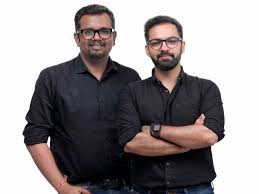
A pre-seed round led by TDV Partners backs Bibartan Roy and Swayamjeet Das in building India's missing infrastructure layer for cross-border workforce mobility. The deal is small. The problem is not.
Every year, hundreds of thousands of Indian workers cross borders for jobs in healthcare, hospitality, construction, and logistics. The remittances they send home — $135.4 billion in FY25 alone, according to the Press Information Bureau — sit among the largest financial flows in the global economy. But the system that moves these workers from a village in Bihar to a hospital in Birmingham or a construction site in Riyadh is held together with paperwork, agents, and a great deal of trust that often gets exploited.
A Bengaluru startup called Kovon wants to rebuild that system. This week, it raised $250,000 in a pre-seed round led by TDV Partners.
The bet
Kovon's founders, Bibartan Roy and Swayamjeet Das, are betting that the global labour-mobility market — long dominated by informal recruiters, unverified middlemen, and fragmented certification regimes — is overdue for an infrastructure-layer player. Their thesis is structural: developed economies in Europe, the UK, and the Middle East are facing severe shortages of skilled blue and grey-collar workers as their populations age. India, with what the EY report Reaping the Demographic Dividend describes as one of the largest working-age populations globally by 2030, has the talent. What's missing is the rails.
Kovon is building those rails. The platform combines job discovery, skill certification, financing, placement, and post-deployment support into a single end-to-end ecosystem — replacing the current model in which a worker often pays an agent upfront, hopes the job exists, and discovers only after landing in a foreign country whether the contract was real.
Why this matters
The numbers around fraudulent overseas recruitment in India are difficult to quantify because so few cases get formally reported. What is well-documented is the pattern: aspirants pay lakhs to operators who promise visas that never materialise, or find themselves stranded abroad without the employer that supposedly hired them. Kovon's pitch is that a verified, transparent platform — with financing embedded so workers aren't paying upfront, and with compliance handled at the infrastructure layer — turns this from a high-risk bet into a structured pathway.
We witnessed the fragmentation in global talent mobility, particularly in the blue-collar segment, firsthand. The supply chain remains broken at multiple levels — driving exploitation, eroding trust, and failing both talent and employers.
— Bibartan Roy, co-founder, Kovon
Where the money goes
The pre-seed capital is earmarked for product development, employer partnerships in target markets, candidate acquisition, and the company's skilling and training infrastructure. Kovon also plans to hire across technology, operations, and partnerships.
Ujwal Sutaria, Founder and General Partner at TDV Partners, framed the investment thesis pointedly: "While automation continues to evolve, these roles remain far from being replaced. Much like Indians have gone on to lead global organisations at the white-collar level, we believe similar pathways will emerge for blue-collar workers on the global stage."
It's a comparison worth sitting with. The white-collar Indian diaspora — engineers, doctors, executives — has been reshaping global organisations for three decades. The infrastructure that enabled it (universities, H-1Bs, English fluency, family chains) was largely accidental. The next wave — frontline workers in nursing, hospitality, and skilled trades — will need its infrastructure built deliberately.
A $250K cheque doesn't build that infrastructure. But it funds the first version of someone trying.
A full long-form feature on Kovon's playbook is in development for The Founders Desk.
Continue reading



The Entrepreneur Story
Is your story worth telling?
We feature founders who are building something real. Apply and we'll be in touch.
Apply to be featured →Stay sharp.
Ideas that move.
Founder stories, emerging ventures, and essays on what's next — straight to your inbox.
Unsubscribe any time.