
How Thailand Ecommerce Growth Is Changing Warehouse Operations
Thailand ecommerce growth is changing warehouse operations as businesses need more storage capacity, faster fulfillment, and better use of warehouse space.
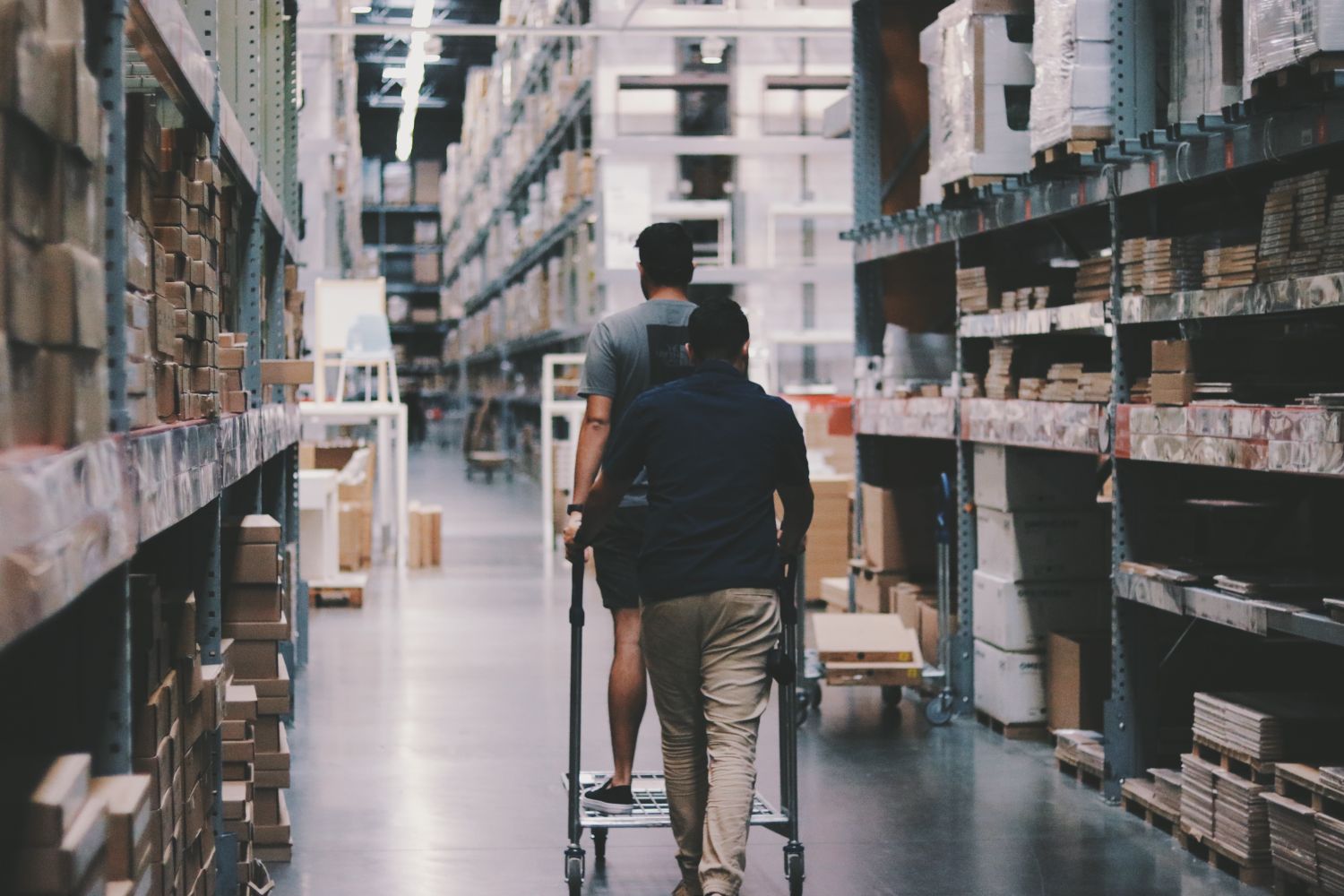
Thailand ecommerce has changed much more than the way people shop. Behind every order placed through an online store, marketplace, or social commerce platform is a warehouse that needs to receive the product, store it, find it again, pack it, and send it out. As online shopping becomes a normal part of buying behavior in Thailand, warehouses are becoming more important to how ecommerce businesses operate.
This also changes what businesses expect from warehouse equipment. In Thailand, a reach truck becomes useful when a warehouse needs to store pallets vertically and make better use of limited floor space. Ecommerce growth does not necessarily mean every business needs a larger warehouse. In many cases, the more important question is how much inventory can be stored and moved efficiently within the space already available.
Thailand Ecommerce Is Creating More Demand Behind the Screen
When people talk about ecommerce, most of the attention normally goes to online marketplaces, advertising, payment systems, and delivery. The warehouse is less visible to customers, but this is where much of the operational work actually happens.
Every increase in online orders creates more inventory movement. Products arrive from manufacturers or distributors, get stored, move into picking areas, get packed, and eventually leave the warehouse for delivery.
This becomes more complicated when a business sells hundreds or thousands of different products. A traditional retailer might send large quantities of the same products to several stores. An ecommerce warehouse may instead have to process a much larger number of small individual orders going to different customers.
That difference affects warehouse design. It is no longer only about finding space to store products. Businesses also need to think about how quickly employees can locate and move each item when an order comes in.
Warehouse Space Has to Be Used More Efficiently
Warehouse space is limited, particularly around Bangkok and major logistics areas where businesses want to stay close to customers and transportation routes. Expanding the warehouse every time inventory grows is usually not practical.
One way warehouses can deal with this is by using more vertical storage.
Higher racking allows the same floor area to hold more inventory. This can help a growing ecommerce business increase storage capacity without immediately moving to a larger building.
However, taller racks also change the type of equipment required inside the warehouse. Equipment needs to be able to access products safely at higher levels while still operating within the available aisle width.
The important point is not simply putting more racks into a warehouse. Workers and equipment still need enough space to move properly, and products need to remain accessible when orders arrive.
Ecommerce Also Changes How Quickly Products Need to Move
Storage capacity is only one part of warehouse operations. Speed is another major issue.
Customers have become used to seeing expected delivery dates before they complete an order. Some orders may need to leave the warehouse on the same day if businesses want to meet next day delivery expectations.
This means the warehouse cannot simply hold products efficiently. It also needs to retrieve them efficiently.
If employees spend too much time travelling between storage locations or waiting for products to be moved from racks, these small delays can become significant when hundreds or thousands of orders are being processed.
Warehouse layout, product placement, picking methods, and equipment therefore need to work together.
Fast moving products, for example, usually make more sense closer to picking and packing areas. Products that sell less frequently can often be stored further away or higher in the racking system.
More Products Make Inventory Management More Complicated
Ecommerce also allows businesses to sell a much wider product range without displaying everything inside a physical store.
From the customer side, this is convenient. Inside the warehouse, it creates more complexity.
The more SKUs a business carries, the easier it becomes for products to be stored in the wrong location, counted incorrectly, or picked by mistake. A warehouse managing 500 products has a different level of complexity from one managing 20,000 products across several storage zones.
Warehouse management systems, barcode scanning, clearly assigned storage locations, and proper stock movement procedures therefore become increasingly important as an ecommerce business grows.
Equipment needs to fit into this process as well. Moving a pallet quickly is useful, but moving the wrong pallet quickly obviously does not improve warehouse efficiency.
Warehouse Location Is Becoming More Important
Thailand ecommerce growth can also affect where businesses choose to locate their warehouses.
A warehouse located closer to Bangkok or another major customer area may reduce the distance products need to travel before reaching the final delivery network. This could help businesses shorten delivery times, although warehouse costs may also be higher in convenient locations.
Some businesses may therefore choose larger warehouses outside central areas, while others may prefer smaller facilities closer to major customer groups.
The right choice depends on order volume, product type, transportation cost, and how quickly the business promises to deliver.
Not Every Ecommerce Warehouse Needs the Same Setup
There is no single warehouse design that fits every ecommerce business.
A company selling large home appliances has very different storage requirements from one selling cosmetics, clothing, electronics, or automotive parts. Some businesses move products mainly by pallet, while others pick individual products from shelves or cartons.
Order volume matters as well.
A smaller seller processing 50 orders per day probably does not need the same warehouse infrastructure as a fulfillment centre processing several thousand orders. Buying more equipment or installing more racking does not automatically make a warehouse better.
The goal should be to understand where the current limitation is first. It might be storage capacity, picking speed, aisle space, inventory accuracy, or the amount of time spent moving products between different areas.
Thailand ecommerce will continue to put more pressure on warehouses to store more products and process orders faster. Businesses that plan their warehouse around actual order flow, rather than simply adding more space, are likely to handle growth more efficiently. The warehouse may be behind the screen, but it has become one of the parts that directly affects whether an ecommerce business can keep up with customer expectations.
Continue reading

Stay sharp.
Ideas that move.
Founder stories, emerging ventures, and essays on what's next — straight to your inbox.
Unsubscribe any time.