
SpaceX vs. Blue Origin: The Employee Wealth Divide *Musk vs. Bezos's Equity Models*
Investigate the contrasting employee equity models of SpaceX and Blue Origin, where Musk's strategy generates wealth and Bezos's causes talent drain, offering vital insights for founders.
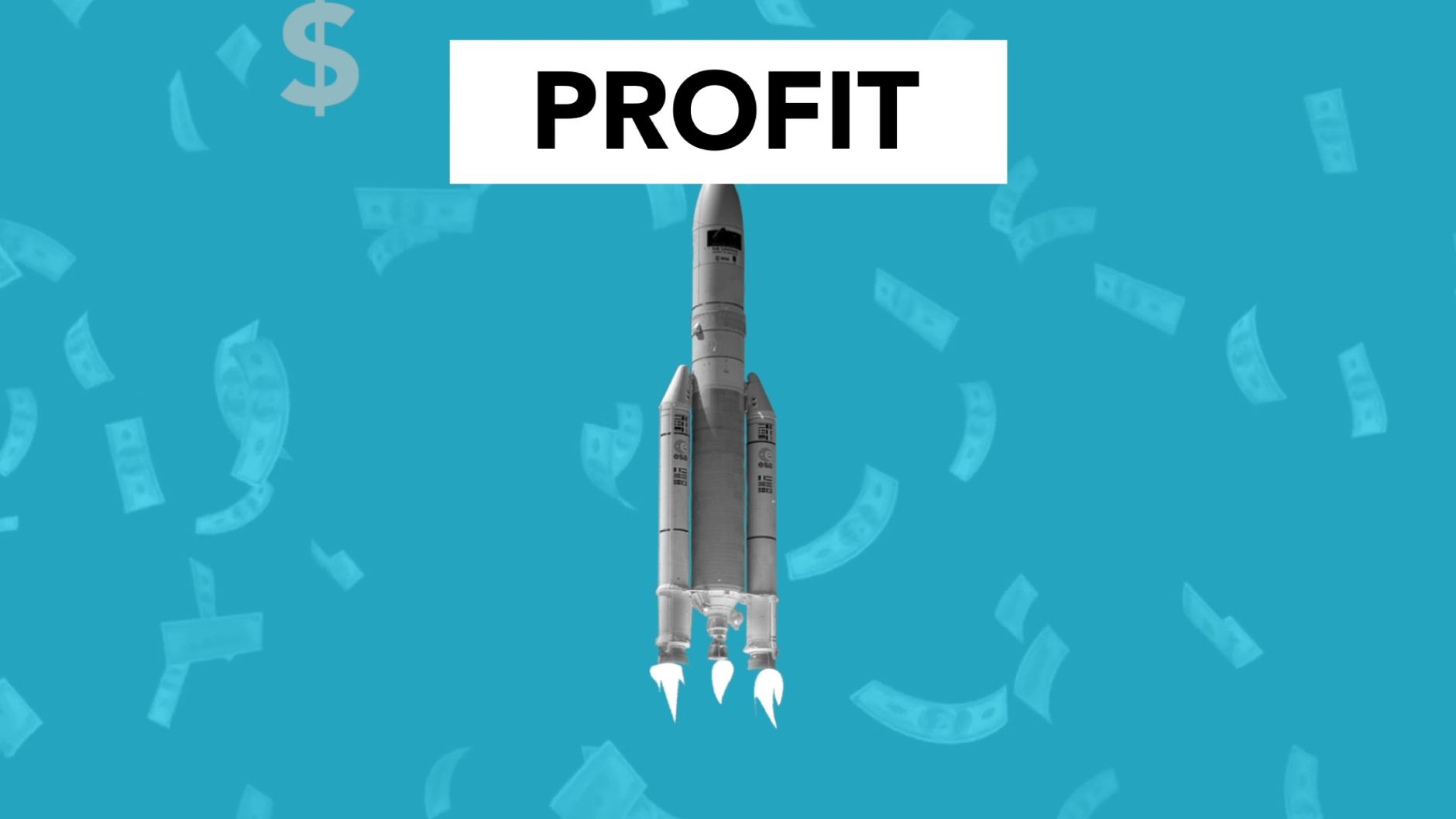
Elon Musk's SpaceX and Jeff Bezos's Blue Origin employ fundamentally different employee equity strategies, directly impacting talent retention and the long-term wealth creation for their workforces. This divergence offers critical lessons for founders on structuring compensation to attract and retain top talent in competitive, capital-intensive industries. While SpaceX facilitates regular employee liquidity through stock options and tender offers, Blue Origin's reliance on illiquid Restricted Stock Units (RSUs) or phantom equity has led to significant talent drain.
Quick takeaways
- SpaceX provides employees with stock options and conducts tender offers every 6-12 months, allowing them to sell up to 10% of their vested equity.
- Blue Origin primarily offers Restricted Stock Units (RSUs) or phantom equity, which lack a regular mechanism for employees to realize wealth.
- SpaceX's strategy has created "hundreds of millions of dollars" in wealth for its employees, with some becoming millionaires.
- Blue Origin has experienced a "massive brain drain" due to the absence of equity payouts, despite competitive salaries.
- The contrasting approaches reflect Elon Musk's philosophy of shared risk and reward versus Jeff Bezos's preference for long-term, patient capital and retained control.
The Tale of Two Equity Models
The race to space, driven by private enterprise, has become a proving ground not just for rockets and spacecraft, but for contrasting philosophies of employee compensation and wealth distribution. At the heart of this divergence are SpaceX, led by Elon Musk, and Blue Origin, founded by Jeff Bezos. Their approaches to employee equity illustrate a fundamental difference in how founders can choose to share the success of their ventures with the teams building them, with direct consequences for talent acquisition, retention, and long-term company stability.
SpaceX has established a clear pathway for its employees to convert their equity into tangible wealth. The company regularly offers stock options, which provide employees with the right to purchase company stock at a predetermined price. Crucially, SpaceX facilitates liquidity for these options through tender offers, conducted approximately every 6 to 12 months. During these events, employees can sell up to 10% of their vested equity, allowing them to realize financial gains from their contributions Business Insider, 2024. This structured mechanism for wealth creation has been instrumental in generating "hundreds of millions of dollars" for its workforce, with some employees reportedly achieving millionaire status Business Insider, 2024. The transparency and regularity of these liquidity events transform theoretical equity value into actual financial security, making SpaceX an attractive employer in a highly competitive sector.
In stark contrast, Blue Origin primarily grants Restricted Stock Units (RSUs) or phantom equity to its employees Business Insider, 2024. While these instruments aim to align employee interests with company performance, they critically lack a regular, explicit mechanism for employees to cash out and realize wealth while still employed. This distinction is not merely semantic; it represents a significant barrier to financial realization for Blue Origin's workforce. Employees are often left with the understanding that there is "no path to getting a payout from your equity unless you quit" Ars Technica, 2021. For founders, this contrasting approach highlights a critical decision point: whether to prioritize immediate employee wealth realization and liquidity as a retention tool, or to foster a longer-term, less liquid investment horizon. The choice directly impacts a company's ability to attract and retain top engineering and scientific talent, especially in industries where the payoff can be decades away. The implications extend beyond individual financial outcomes, shaping company culture, employee morale, and ultimately, a founder's legacy.
SpaceX's Wealth-Generating Engine
SpaceX's approach to employee equity is a cornerstone of its talent strategy, positioning the company as a benchmark for compensation in the aerospace sector. The core of this strategy lies in its consistent offering of stock options combined with a robust, predictable system for liquidity. Unlike many private companies where employee equity remains theoretical until an IPO or acquisition, SpaceX has engineered a mechanism that allows its workforce to directly benefit from the company's growth and increasing valuation.
The company's commitment to employee wealth creation is demonstrated through its regular tender offers. These events occur approximately every 6 to 12 months, providing a reliable window for employees to sell a portion of their vested equity. Specifically, employees are typically allowed to sell up to 10% of their vested shares Business Insider, 2024. This periodic opportunity to cash out is a significant differentiator. It transforms the concept of employee ownership from a long-term, uncertain prospect into a tangible, recurring benefit. For founders, this provides a powerful incentive structure, aligning employee financial success with company milestones and market valuation. SpaceX's recent valuation of $180 billion in a tender offer underscores the substantial wealth-generating potential this model offers Business Insider, 2024.
The impact of this strategy on SpaceX's workforce has been profound. The company's approach has led to the creation of "hundreds of millions of dollars" in wealth for its employees, with some individuals achieving millionaire status Business Insider, 2024. This direct financial benefit serves as a powerful motivator, fostering loyalty and a deep sense of ownership among staff. Former employees have cited SpaceX's equity strategy as a key reason for its reputation as "one of the best places to work for compensation" Business Insider, 2024. For a company engaged in ambitious, long-term projects like interplanetary travel, retaining top engineering and scientific talent is paramount. The ability to offer competitive salaries plus a clear, recurring path to substantial wealth realization acts as a crucial magnet in the war for talent.
Elon Musk's approximately 42% ownership stake in SpaceX as of late 2023 provides context for this strategy Business Insider, 2024. While a significant holding, it demonstrates a willingness to share a substantial portion of the company's value with employees. This aligns with a philosophy of shared risk and reward, where the collective effort of the team is directly linked to individual financial prosperity. Founders considering similar models must weigh the benefits of increased employee engagement and retention against potential dilution of their own ownership. However, SpaceX's success suggests that such dilution can be a powerful investment in human capital, driving innovation and accelerating progress towards audacious goals. The regular liquidity events also create a positive feedback loop: as the company achieves milestones and its valuation increases, employees see direct, tangible returns, further cementing their commitment and motivation. This model effectively transforms employees into active stakeholders, intrinsically motivated to contribute to the company's overall success and market perception.
Blue Origin's Liquidity Labyrinth and Talent Drain
Blue Origin, founded by Jeff Bezos, presents a contrasting picture in employee equity, one that highlights the challenges of an illiquid compensation structure, particularly in a highly competitive and long-term oriented industry. While the company's mission is ambitious and its salaries are competitive with other aerospace firms, its primary reliance on Restricted Stock Units (RSUs) or phantom equity without a clear path to liquidity has created significant hurdles for talent retention Business Insider, 2024.
The fundamental issue for Blue Origin employees is the absence of a regular mechanism to convert their equity holdings into cash. Unlike SpaceX's periodic tender offers, Blue Origin does not provide a consistent avenue for employees to sell vested shares. This means that while employees may theoretically accrue value in their equity, that value remains locked up, inaccessible for personal financial planning or wealth realization. Former employees have explicitly stated that there is "no path to getting a payout from your equity unless you quit" Ars Technica, 2021. For founders, this scenario underscores a critical dilemma: while illiquid equity can signal a long-term investment horizon, it can also become a significant source of frustration and disincentive for employees who seek to realize the fruits of their labor.
The consequences of this illiquidity have been substantial for Blue Origin. A 2021 internal report and accounts from former employees described a "massive brain drain" at the company Ars Technica, 2021. "Hundreds" of employees, including senior engineers and managers, reportedly departed, with the lack of equity payouts cited as a primary reason for their exit Ars Technica, 2021. This exodus of experienced talent represents a significant challenge for any deep-tech or aerospace company, where institutional knowledge, specialized skills, and team cohesion are vital for complex project execution. The slow pace of project development and the perceived lack of progress further exacerbated employee frustration, contributing to the talent drain Ars Technica, 2021.
Jeff Bezos initially owned 100% of Blue Origin and retains majority control Business Insider, 2024. This high degree of founder control can influence the decision-making process regarding equity distribution and liquidity. While maintaining maximum control offers founders significant autonomy, it can come at the cost of shared wealth creation for employees. For founders, this highlights a trade-off: preserving ownership and control versus empowering employees with tangible financial upside. In competitive markets for skilled labor, particularly in nascent industries, the absence of a clear path to liquidity in equity compensation can render even otherwise competitive salary packages less attractive. Employees, especially those with in-demand skills, often seek opportunities where their contributions are recognized with both salary and the potential for substantial, accessible equity-based wealth. Blue Origin's experience serves as a cautionary tale for founders who underestimate the psychological and financial importance of liquidity in employee equity schemes. The long-term impact of talent attrition on project timelines, innovation, and overall company morale can far outweigh the perceived benefits of retaining tighter control over equity.
Founder Philosophies and Control
The contrasting equity strategies of SpaceX and Blue Origin are not merely operational differences; they are direct reflections of the distinct philosophies and control preferences of their founders, Elon Musk and Jeff Bezos. These individual approaches offer critical insights for other founders navigating the complex landscape of equity compensation, talent retention, and long-term company vision.
Elon Musk's approach to SpaceX's employee equity aligns with a philosophy of shared risk and reward Business Insider, 2024. By regularly offering stock options and facilitating liquidity through tender offers, Musk signals a commitment to allowing employees to directly participate in the financial success of the company they are helping to build. This model recognizes that the ambitious, high-stakes nature of SpaceX's mission requires exceptional talent and unwavering dedication. By providing a clear path to wealth realization, Musk aims to create a deeply invested workforce, where individual financial prosperity is directly tied to the collective achievement of groundbreaking goals. His ownership stake of approximately 42% in SpaceX as of late 2023, while substantial, indicates a willingness to distribute a significant portion of the company's value to others Business Insider, 2024. This implies a strategic decision to use equity as a powerful incentive and retention tool, even if it means some dilution of personal ownership over time. For founders, this highlights the potential of leveraging equity not just as a compensation component, but as a cultural driver that fosters a sense of collective ownership and shared destiny.
In contrast, Jeff Bezos's strategy at Blue Origin reflects a preference for long-term, patient capital with less immediate employee wealth realization Business Insider, 2024. Bezos initially owned 100% of Blue Origin and retains majority control Business Insider, 2024. This high level of founder control has historically been associated with a desire to maintain maximum autonomy over company direction and financial decisions, without the pressures that might arise from external investors or a large, financially liquid employee base. While this approach allows for sustained, long-term investment without immediate pressure for returns, it also creates a significant disconnect for employees who are contributing to the company's growth but lack a mechanism to realize the value of their equity. The absence of liquidity events for RSUs or phantom equity signals a different kind of investment – one that demands a very long-term horizon from employees, with uncertain immediate financial rewards. For founders, this illustrates the trade-off between absolute control and the practical benefits of shared wealth. While maintaining tight control can be appealing, it risks alienating talent that seeks more immediate and tangible returns on their intellectual and labor investment.
These divergent philosophies shape not only compensation packages but also the very culture of each organization. SpaceX's model, with its clear path to wealth, tends to attract individuals who are motivated by both the mission and the direct financial upside. This creates a workforce that is highly invested and perhaps more willing to take risks alongside the founder. Blue Origin's approach, while offering competitive salaries, may attract those who value stability but may eventually become disillusioned by the illiquidity of their long-term equity holdings. Founders must critically assess their own philosophy: are they building a company where wealth is broadly shared as a mechanism for motivation and retention, or one where control and long-term, perhaps distant, returns are prioritized? The choice has profound implications for the type of talent a company attracts, its ability to execute on its vision, and ultimately, the lasting legacy of the founder. The experience of Blue Origin's "massive brain drain" serves as a stark reminder that even a well-funded, ambitious venture can falter in talent retention if its equity strategy does not meet the expectations of a competitive labor market.
Implications for Founders: Building a Motivated Workforce
The contrasting equity strategies of SpaceX and Blue Origin offer crucial lessons for founders across all industries, particularly those in high-growth, capital-intensive, or deep-tech sectors where talent is paramount. The decision of how to structure employee equity goes beyond mere compensation; it is a fundamental aspect of company culture, talent attraction, retention, and ultimately, the long-term success and legacy of a startup.
One of the primary takeaways is the critical importance of liquidity in employee equity. SpaceX's model, with its regular tender offers allowing employees to sell up to 10% of their vested shares every 6-12 months, demonstrates that providing a clear, predictable path to cash out is a powerful motivator and retention tool Business Insider, 2024. Founders should recognize that while equity is a compelling long-term incentive, its value is diminished if employees cannot realize it. For many employees, equity represents a significant portion of their potential earnings and a path to personal wealth creation. If this path remains theoretical or contingent on an uncertain future event like an IPO, its power to attract and retain top talent wanes. Founders should explore mechanisms like secondary markets, company-sponsored buybacks, or regular tender offers, even on a smaller scale, to provide some level of liquidity as the company grows. This doesn't necessarily mean diluting founder control excessively; rather, it's about finding a balance that allows employees to feel genuinely invested and rewarded.
The experience of Blue Origin's "massive brain drain," where "hundreds" of employees, including senior engineers, departed due to the lack of equity payouts, underscores the tangible risks of an illiquid equity strategy Ars Technica, 2021. Even with competitive salaries, the absence of a clear path to realizing equity wealth can be a deal-breaker for highly skilled professionals who have other lucrative options. Founders must understand that in today's competitive talent market, employees are increasingly sophisticated about compensation structures. They evaluate not just salary, but also the realizable value of their equity. Transparent communication about the equity plan, including potential liquidity events and timelines, is crucial. Misaligned expectations or a lack of clarity can lead to disillusionment and high attrition rates, severely impacting project timelines, institutional knowledge, and overall team morale.
Furthermore, the founder's philosophy on control versus shared wealth plays a significant role. Elon Musk's willingness to distribute substantial wealth through equity, even with his significant 42% ownership, aligns with a shared risk and reward model Business Insider, 2024. This contrasts with Jeff Bezos's initial 100% ownership and continued majority control at Blue Origin, which reflects a preference for long-term, patient capital with less immediate employee wealth realization Business Insider, 2024. Founders must consider their own long-term vision: is preserving maximum control worth the potential cost of reduced employee motivation and higher turnover? While maintaining control is a valid strategic choice, it's vital to recognize its implications for talent management. A founder's legacy can be significantly shaped by how they choose to empower and reward their team. Creating employee millionaires, as SpaceX has, builds a powerful narrative of shared success that extends far beyond the company's immediate operational achievements.
Finally, for founders in capital-intensive or deep-tech sectors, the lessons are particularly acute. These ventures often require years, if not decades, of development before significant commercial returns. Retaining top engineers, scientists, and managers over such long horizons demands compensation structures that provide both immediate financial security (through competitive salaries) and tangible, accessible long-term wealth (through liquid equity). Without this balance, even the most ambitious and well-funded startups risk becoming talent incubators for competitors. Founders should proactively design equity plans that not only attract talent but also retain it by offering clear, periodic opportunities for employees to benefit financially from the company's growth, fostering a truly motivated and committed workforce dedicated to the long haul.
FAQ
Q: What is the primary difference in equity strategy between SpaceX and Blue Origin? A: SpaceX primarily offers stock options and facilitates regular liquidity through tender offers, allowing employees to sell vested shares approximately every 6-12 months. Blue Origin, in contrast, primarily grants Restricted Stock Units (RSUs) or phantom equity without a clear or regular mechanism for employees to cash out and realize wealth while employed Business Insider, 2024.
Q: How does SpaceX's approach benefit its employees? A: SpaceX's strategy has created "hundreds of millions of dollars" in wealth for its employees, with some becoming millionaires, by allowing them to convert their equity into tangible wealth through regular tender offers. This approach is cited as a significant motivator and a key reason why it is considered "one of the best places to work for compensation" by former staff, fostering loyalty and retention Business Insider, 2024.
Q: What are the consequences of Blue Origin's equity strategy? A: Blue Origin's lack of a clear liquidity mechanism for equity has led to significant employee frustration and a "massive brain drain," with "hundreds" of employees, including senior engineers and managers, departing. Former employees noted that there is "no path to getting a payout from your equity unless you quit," impacting talent retention despite competitive salaries Ars Technica, 2021.
Q: How do the founders' ownership stakes influence their equity decisions? A: Elon Musk owned approximately 42% of SpaceX as of late 2023, and his strategy aligns with shared risk and reward, distributing wealth to employees. Jeff Bezos initially owned 100% of Blue Origin and retains majority control, reflecting a preference for long-term, patient capital with less immediate employee wealth realization. These ownership levels can influence the willingness to dilute equity or provide liquidity to employees Business Insider, 2024.
Q: What lessons can founders learn from these contrasting models? A: Founders can learn that providing a clear path to liquidity for employee equity is crucial for attracting and retaining top talent, especially in competitive industries. The choice between prioritizing founder control versus enabling employee wealth realization significantly impacts company culture, motivation, and long-term stability. Transparent communication about equity value and payout mechanisms is essential to prevent talent drain and foster a committed workforce.
Continue reading


The Entrepreneur Story
Is your story worth telling?
We feature founders who are building something real. Apply and we'll be in touch.
Apply to be featured →Stay sharp.
Ideas that move.
Founder stories, emerging ventures, and essays on what's next — straight to your inbox.
Unsubscribe any time.