
Bbot Founders' Exit to Olo: Contactless Ordering Success A Post-Pandemic Market
Explore how Bbot's specialized contactless ordering solutions for on-premise dining led to its strategic acquisition by Olo, expanding Olo's platform in a post-pandemic market.
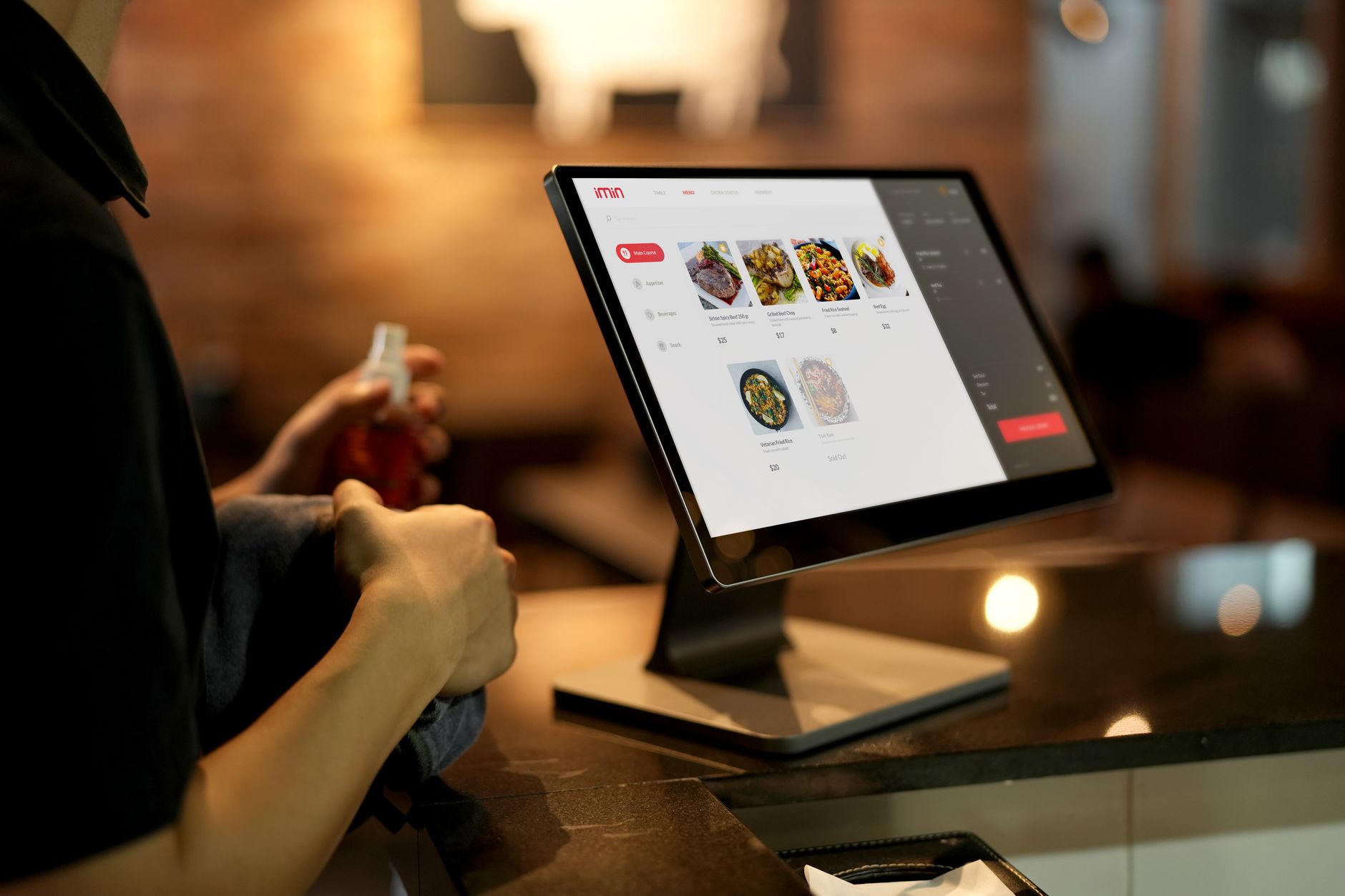
Olo, the restaurant SaaS platform, acquired hospitality technology provider Bbot in a deal announced on August 11, 2021 TechCrunch, 2021. This acquisition allowed Olo to expand its offerings beyond traditional takeout and delivery, integrating Bbot's specialized contactless ordering and payment solutions for on-premise dining into its platform. For founders, Bbot's journey highlights the strategic value of building focused solutions that address emerging market needs, particularly when external factors rapidly accelerate demand.
Quick takeaways
- Strategic Niche Focus: Bbot, founded by Steve Simoni and Luke Allen, built a specialized solution for on-premise contactless ordering, targeting hotels, food halls, and stadiums before the broader market fully embraced it TechCrunch, 2021.
- Pandemic as Catalyst: The COVID-19 pandemic significantly accelerated demand for Bbot's technology, validating its market thesis and positioning it as a critical solution for the hospitality sector's digital transformation TechCrunch, 2021.
- Acquisition by a Platform Leader: Olo, having recently completed its IPO in March 2021, strategically acquired Bbot to expand its core takeout and delivery services into the rapidly growing on-premise digital ordering market TechCrunch, 2021.
- Traction and Talent: With over 1,000 locations and approximately 60 employees at the time of acquisition, Bbot demonstrated significant market penetration and a robust team, making it an attractive target for larger players TechCrunch, 2021.
The Acquisition: Olo's Strategic Expansion into On-Premise Dining
On August 11, 2021, Olo, a publicly traded open SaaS platform for restaurants, announced its acquisition of Bbot, a hospitality technology provider specializing in on-premise digital ordering and payment solutions TechCrunch, 2021. This move represented a significant strategic expansion for Olo, which had primarily focused on takeout and delivery services. For founders operating in the competitive restaurant and hospitality technology landscape, Olo's decision to integrate Bbot's capabilities underscores the increasing demand for comprehensive, end-to-end digital solutions that address every facet of a customer's dining experience. It illustrates how a focused, well-executed product can become an indispensable component for larger platforms seeking to dominate an evolving market.
Olo's rationale for the acquisition was clear: to extend its platform beyond its traditional core of off-premise ordering. The company, which had completed its initial public offering (IPO) in March 2021, recognized a burgeoning need for digital tools within physical dining spaces, a trend significantly accelerated by the global pandemic TechCrunch, 2021. Olo CEO Noah Glass explicitly noted this shift towards on-premise digital ordering solutions, highlighting the strategic imperative to capture this market segment. By integrating Bbot's technology, Olo aimed to provide a more holistic solution for restaurants and hospitality venues, allowing them to manage both off-premise and on-premise digital interactions through a single, unified platform. This move positioned Olo not merely as a delivery facilitator, but as a comprehensive operating system for the modern restaurant business, capable of addressing diverse ordering scenarios from a single dashboard.
Bbot, co-founded by Steve Simoni and Luke Allen, brought to Olo a specialized expertise in contactless ordering and payment technology designed specifically for on-premise dining TechCrunch, 2021. Its platform enabled guests to order and pay directly from their mobile devices, typically by scanning a QR code at their table, hotel room, or stadium seat. This technology had gained considerable traction, serving over 1,000 locations, including a diverse range of hospitality venues such as hotels, food halls, and stadiums TechCrunch, 2021. At the time of the acquisition, Bbot had approximately 60 employees, all of whom were expected to join Olo, signifying the strategic value placed on Bbot's talent and product development capabilities TechCrunch, 2021. The integration of Bbot's solutions meant that Olo's restaurant clients could seamlessly offer digital ordering for dine-in customers, enhancing efficiency, reducing physical contact, and providing a modern customer experience. This foresight in identifying and addressing a critical market gap, even before it became a widespread necessity, ultimately positioned Bbot as an attractive acquisition target for a major player like Olo. The acquisition demonstrates that building a robust, specialized solution with significant market traction can lead to a strategic exit, especially when it complements the broader vision of a larger, well-capitalized company.
Bbot's Genesis: Identifying and Capturing a Niche
The story of Bbot, co-founded by Steve Simoni and Luke Allen, is one of identifying an underserved niche within the vast hospitality sector and building a focused solution to address it TechCrunch, 2021. Before the widespread adoption of QR code menus and mobile ordering, the on-premise dining experience largely remained tethered to traditional methods: physical menus, waitstaff taking orders, and card terminals for payment. While online ordering for takeout and delivery had already begun its ascent, the in-venue experience lagged in digital transformation. Simoni and Allen, through Bbot, pinpointed this gap, recognizing the potential for technology to streamline operations and enhance guest experiences within physical spaces. Their vision centered on contactless ordering and payment, a concept that would later become a necessity rather than a convenience.
Bbot’s core offering was a technology suite that allowed guests to order and pay for food and drinks directly from their personal devices while present at a venue TechCrunch, 2021. This typically involved scanning a QR code, which would direct them to a digital menu, enabling them to browse, customize, and complete transactions without requiring direct interaction with staff or handling physical menus. The problems this solved were multi-faceted. For venues, it promised increased efficiency, faster table turns, reduced labor costs, and the ability to upsell through dynamic digital menus. For customers, it offered convenience, speed, and a perception of enhanced hygiene, particularly important in later years. This focus on the on-premise experience, distinct from the already crowded takeout and delivery market, was Bbot's initial differentiating factor.
The startup specifically targeted venues with high foot traffic and complex service models: hotels, food halls, and stadiums TechCrunch, 2021. In hotels, Bbot could facilitate in-room dining, poolside service, or lobby bar orders. For food halls, it provided a unified ordering system across multiple vendors, simplifying the customer journey and backend operations. In stadiums, it allowed fans to order concessions directly from their seats, avoiding long queues and improving the overall event experience. These environments, characterized by diverse ordering points and a need for rapid service, were ripe for digital disruption. Bbot's ability to tailor its solution to these specific, often complex, operational demands demonstrated a deep understanding of the hospitality industry beyond just a generic restaurant setting. This specialized application allowed them to gain significant early traction, evidenced by their growth to serving over 1,000 locations prior to the acquisition TechCrunch, 2021. This early market penetration and specialized focus, even before a global event forced widespread adoption, illustrate an unconventional path: building for a nuanced need that eventually became a universal demand. Founders can learn from Bbot's approach to identifying specific pain points within a large market and developing tailored, rather than generic, solutions.
The Pandemic Catalyst: Accelerating Digital Adoption in Hospitality
The global COVID-19 pandemic served as an unprecedented accelerant for digital transformation across industries, and the hospitality sector was no exception. For Bbot, a company already specializing in contactless ordering for on-premise dining, the pandemic validated its core thesis and dramatically expanded its market opportunity TechCrunch, 2021. Olo CEO Noah Glass explicitly highlighted this shift, noting the pandemic's role in driving the widespread adoption of on-premise digital ordering solutions TechCrunch, 2021. This observation underscores a critical lesson for founders: external market forces, while unpredictable, can rapidly transform niche solutions into essential infrastructure.
Prior to the pandemic, digital ordering for in-person dining was largely a nascent concept, often viewed as a novelty or a supplementary service. Traditional dining relied heavily on physical menus, direct interaction with waitstaff, and cash or physical card payments. The sudden onset of COVID-19, with its emphasis on social distancing, reduced contact, and heightened hygiene concerns, rendered many of these traditional practices problematic or even untenable. Restaurants, hotels, and stadiums faced immense pressure to adapt their operations overnight to ensure guest safety and comply with rapidly changing public health guidelines. This created an immediate and urgent demand for solutions that minimized physical touchpoints and facilitated efficient service in a contact-averse environment.
Bbot's contactless ordering and payment technology, which allowed guests to order and pay via their own mobile devices by scanning a QR code, became an indispensable tool for venues navigating these new realities TechCrunch, 2021. The ability to eliminate physical menus, reduce direct staff-to-customer interaction for order taking and payment processing, and streamline operations proved crucial for survival and recovery. What was once a convenience quickly became a operational necessity. Venues that had previously hesitated to invest in such technology found themselves compelled to adopt digital solutions to maintain service, reassure customers, and comply with health protocols. This rapid, forced adoption created a fertile ground for companies like Bbot, which had already built robust, proven solutions for this exact scenario.
The pandemic did more than just accelerate adoption; it fundamentally altered consumer expectations. Guests became accustomed to the ease and safety of mobile ordering in various settings, from local cafes to large-scale event venues. This shift ensured that even as pandemic restrictions eased, the demand for on-premise digital ordering would persist, cementing its place as a standard feature of modern hospitality. For founders, Bbot's trajectory illustrates the power of anticipating future needs and building flexible, scalable technology. While no one could have predicted the pandemic, Bbot's focus on efficiency and convenience in on-premise dining positioned it perfectly to capitalize on the rapid and unforeseen market shift, transforming it from an innovative niche player into a strategic asset for a public company like Olo. This demonstrates the critical importance of a product's market timing and its ability to adapt to macro-environmental changes.
Navigating the Competitive Landscape and Inbound Interest
The restaurant and hospitality technology sector is a crowded and dynamic space, characterized by a diverse array of players ranging from established point-of-sale (POS) systems to rapidly evolving online ordering platforms and delivery services. For a startup like Bbot, building a specialized solution meant navigating this complex competitive landscape while simultaneously proving its value proposition. Bbot co-founder Steve Simoni’s comments about "significant inbound interest" from various players, including other ordering systems, POS providers, and delivery services, before Olo ultimately secured the acquisition, highlight the intense competition for innovative solutions in this market TechCrunch, 2021. This scenario offers critical insights for founders on how to position their companies for strategic acquisition amid multiple suitors.
Bbot's success in attracting multiple acquisition inquiries stemmed from its distinct specialization in on-premise contactless ordering and payment. While many companies focused on the booming takeout and delivery market, Bbot carved out its niche in the physical dining space, a segment that, while slower to digitize initially, held immense potential. Competitors in the broader restaurant tech ecosystem typically fell into several categories:
- Traditional POS Providers: Companies like Square, which offer comprehensive hardware and software solutions for managing sales, inventory, and customer data, often began integrating online ordering and payment features. However, their primary focus remained broader, and their on-premise digital ordering capabilities might not have been as deeply specialized or user-friendly as Bbot's.
- Other Online Ordering Systems: Numerous platforms existed for restaurants to manage online orders, but many were geared towards off-premise dining. Bbot’s specific architecture for in-venue ordering, including table-specific QR codes and integrations for various on-premise service models, differentiated it.
- Delivery Services: Major players in food delivery, such as DoorDash, primarily focused on logistics and connecting restaurants with customers for off-premise orders. While some began to experiment with dine-in solutions, their core business model and technology were optimized for delivery, not necessarily for enhancing the in-venue experience with the same depth as Bbot.
Bbot's ability to attract interest from such a diverse set of players indicates that it had built a compelling, defensible product that addressed a clear market need. Its traction, evidenced by serving over 1,000 locations, also signaled a proven solution with significant adoption TechCrunch, 2021. For founders, this demonstrates the importance of not just building a product, but building one that solves a specific, acute pain point in a scalable manner. The "inbound interest" suggests that Bbot was not actively seeking an acquisition but rather became an attractive target due to its inherent value and market position.
Ultimately, Olo emerged as the successful acquirer, a decision driven by strategic alignment. Olo, having recently gone public in March 2021, was in a strong position to expand its platform and consolidate its leadership in restaurant technology TechCrunch, 2021. Bbot's on-premise capabilities perfectly complemented Olo's existing takeout and delivery focus, allowing Olo to offer a truly comprehensive digital ordering suite. This strategic fit, combined with Bbot's proven technology and market penetration, likely made Olo a more compelling partner than other potential suitors. For founders, navigating multiple acquisition offers means not just evaluating the financial terms, but critically assessing the strategic alignment, cultural fit, and potential for their product and team to thrive within the acquiring company's ecosystem.
Lessons for Founders: Building for Strategic Acquisition
The journey of Bbot, from its founding by Steve Simoni and Luke Allen to its acquisition by Olo, offers several critical lessons for startup founders aiming for a strategic exit TechCrunch, 2021. The company's trajectory underscores the importance of market timing, product focus, and building a solution that creates undeniable value for a larger platform. Founders can draw parallels to their own ventures by analyzing Bbot's approach to identifying needs, achieving traction, and ultimately positioning itself as an indispensable asset.
One key lesson is the power of identifying and owning a niche before it becomes mainstream. Bbot focused on contactless ordering for on-premise dining in specific hospitality venues like hotels, food halls, and stadiums, a segment often overlooked by broader restaurant tech solutions TechCrunch, 2021. While the pandemic later made this solution a necessity, Bbot had already built and refined its technology, demonstrating foresight or at least adaptability. Founders should look for underserved areas within large markets, even if initial demand seems limited. Building a robust solution for a specific problem creates a strong foundation that can scale rapidly when market conditions shift. This specialization allows for deeper product development and a stronger competitive moat compared to generalized solutions.
Secondly, achieving significant traction with a focused team signals product-market fit and operational efficiency. Bbot managed to serve over 1,000 locations with approximately 60 employees at the time of its acquisition TechCrunch, 2021. This ratio of locations served to employee count suggests lean operations and effective product delivery. For potential acquirers, such metrics demonstrate not only a validated product but also a capable and efficient team. Founders should prioritize proving their product's value through adoption and usage, even if it means starting with a smaller, well-defined customer base. Demonstrable traction is often more compelling than speculative growth projections, especially when attracting strategic buyers.
Furthermore, Bbot's experience highlights the importance of building a product that strategically complements larger platforms. Olo acquired Bbot to expand its services beyond its core takeout and delivery solutions, integrating Bbot's on-premise capabilities into its comprehensive platform TechCrunch, 2021. This was not an acquisition for market share in a direct competitor's space, but rather an expansion of Olo's offering into an adjacent, high-growth area. Founders should consider how their product could enhance or fill a gap for larger players in their ecosystem. Building a solution that acts as a valuable extension or a missing piece for an industry leader can significantly increase acquisition appeal. This requires understanding the strategic priorities and long-term vision of potential acquirers.
Finally, the fact that Bbot received "significant inbound interest from various players," including other ordering systems, POS providers, and delivery services, before Olo won out, emphasizes the value of creating a highly desirable asset TechCrunch, 2021. This suggests Bbot wasn't actively shopping itself, but rather its market position and product strength made it an attractive target. Founders should focus on building fundamental value – a strong product, a loyal customer base, and a clear market advantage – rather than solely chasing acquisition. When a company becomes indispensable to an evolving market, acquisition offers often follow organically. This also provides leverage during negotiations, as multiple interested parties can drive a more favorable outcome. Bbot's story is a testament to the power of focused execution and strategic alignment in achieving a successful exit within a rapidly evolving industry.
FAQ
Q: Who acquired Bbot and when was the acquisition announced? A: Olo, a leading open SaaS platform for restaurants, acquired Bbot. The acquisition was announced on August 11, 2021 TechCrunch, 2021.
Q: What problem did Bbot solve for the hospitality industry? A: Bbot specialized in contactless ordering and payment technology for on-premise dining. It allowed guests to order and pay for food and drinks directly from their mobile devices, solving the need for efficient, low-contact service in venues like hotels, food halls, and stadiums TechCrunch, 2021.
Q: Why did Olo acquire Bbot? A: Olo acquired Bbot to expand its services beyond its traditional takeout and delivery solutions. Olo CEO Noah Glass noted the shift towards on-premise digital ordering driven by the pandemic, making Bbot's technology a strategic addition to offer a comprehensive digital platform for restaurants and hospitality venues TechCrunch, 2021.
Q: Who were the co-founders of Bbot? A: Bbot was co-founded by Steve Simoni and Luke Allen TechCrunch, 2021.
Q: What was Bbot's market presence at the time of acquisition? A: At the time of its acquisition, Bbot served over 1,000 locations, including hotels, food halls, and stadiums, and had approximately 60 employees TechCrunch, 2021.
Continue reading

The Entrepreneur Story
Is your story worth telling?
We feature founders who are building something real. Apply and we'll be in touch.
Apply to be featured →Stay sharp.
Ideas that move.
Founder stories, emerging ventures, and essays on what's next — straight to your inbox.
Unsubscribe any time.