
Why Cloud Scalability Is Your Business’s Best Friend
In the ever-evolving world of cloud computing, scalability is a game changer. But what does it mean, and why should you care? Let’s break it down in simple terms and explore how cloud scalability can boost your business, whether you’re a startup or a large enterprise. What Is Cloud Scalability? Clou

In the ever-evolving world of cloud computing, scalability is a game changer. But what does it mean, and why should you care? Let’s break it down in simple terms and explore how cloud scalability can boost your business, whether you’re a startup or a large enterprise.
What Is Cloud Scalability?
Cloud scalability refers to the ability of your cloud services to grow or shrink based on your needs. Imagine your business is experiencing a sudden surge in customers. With cloud scalability, you can quickly increase your computing power, storage, or bandwidth without hefty hardware upgrades. This flexibility means you can respond to changing demands efficiently, keeping your operations smooth and your costs in check.
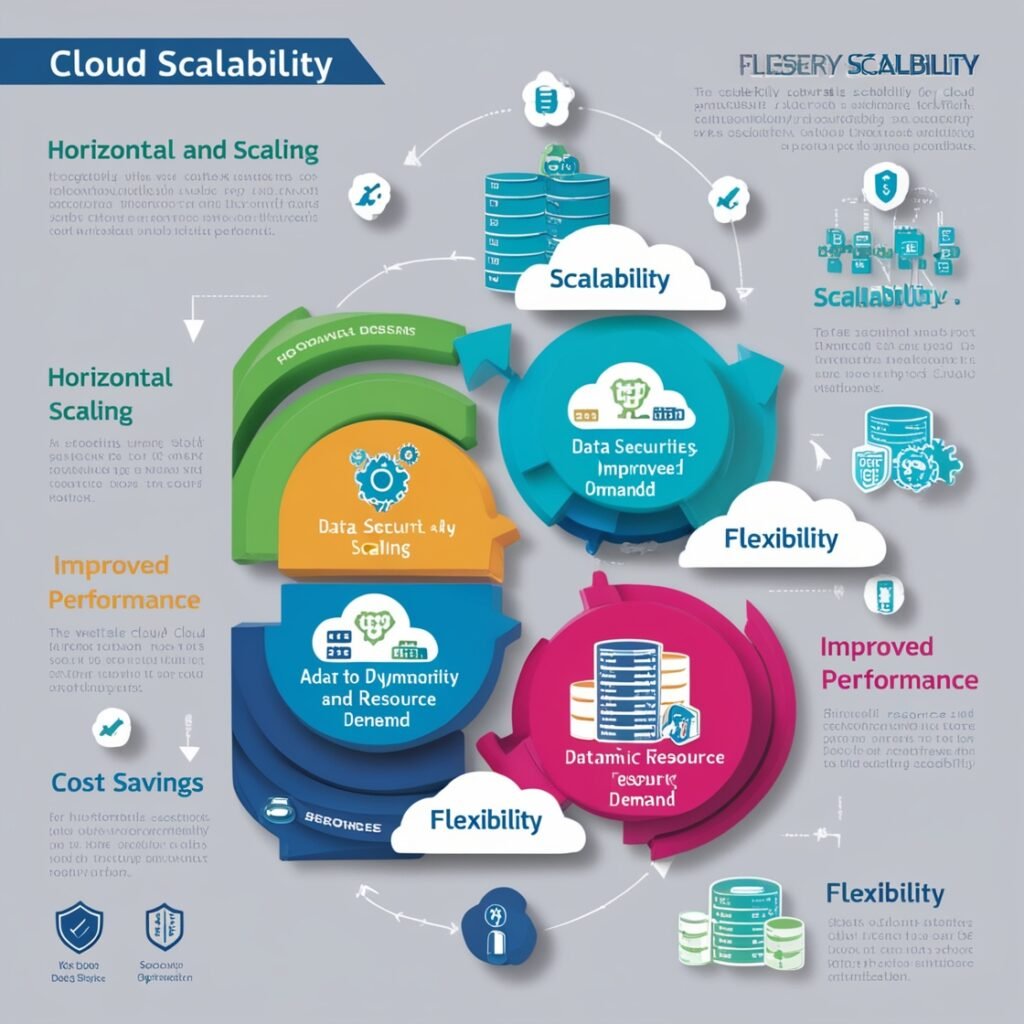
Cloud scalability boosts flexibility, performance, and cost-effectiveness for businesses.
Key Benefits of Cloud Scalability
- Cost Savings: Only pay for the resources you actually use. This means you avoid unnecessary spending on hardware and maintenance.
- Improved Performance: Scale resources up or down in real time to meet demand, ensuring your applications run smoothly without delays.
- Flexibility and Agility: Adapt quickly to market changes or customer needs, helping you stay ahead of competitors.
- Enhanced Availability: Distribute workloads effectively to avoid downtime and ensure your services are always up and running.
- Better Security: Implement robust security measures to protect your data and applications from potential threats.
Types of Cloud Scalability
Understanding the different types of cloud scalability is essential for choosing the right approach for your business. Let’s look at the three main types:
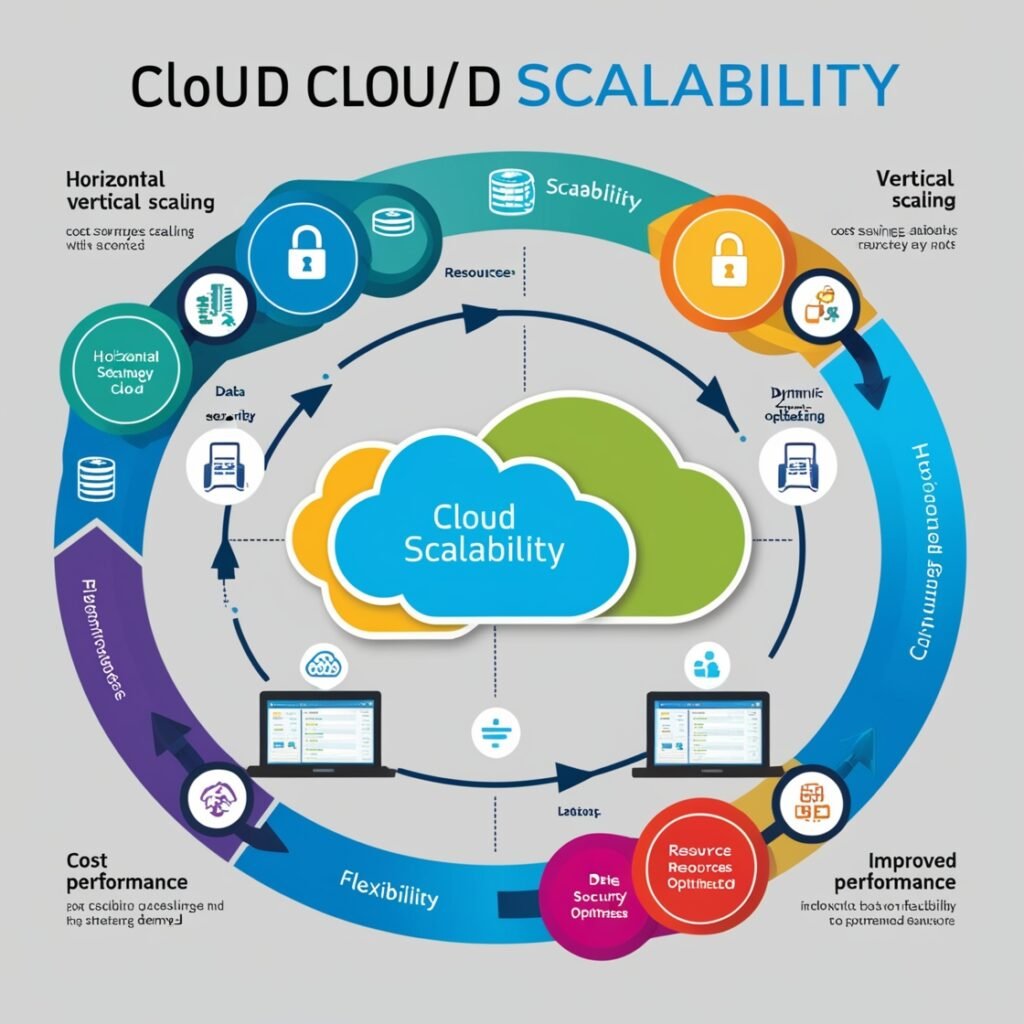
1. Horizontal Scalability (Scale-Out)
This involves adding more instances of the same resource. For example, if your website is getting a lot of traffic, you can add more servers to handle the load. The main advantage? Distributing workloads across multiple resources improves performance.
2. Vertical Scalability (Scale-Up)
Here, you enhance an existing resource by adding more power, such as upgrading a server’s CPU or RAM. This approach is ideal for applications needing significant processing power without spreading the workload across multiple servers.
3. Hybrid Scalability
Combining both horizontal and vertical scalability, hybrid scalability allows you to add instances while optimizing existing resources. This flexibility is perfect for complex applications that require a mix of resources.

Cloud scalability enhances resource management, cost savings, and business agility.
Why You Should Embrace Cloud Scalability
Cloud scalability isn’t just a nice-to-have; it’s essential for any business that wants to thrive in a competitive landscape. Here’s how embracing it can benefit you:
- Stay Cost-Effective: No more paying for unused capacity. Only pay for what you need.
- React Quickly to Changes: Scale your resources to match current demands, avoiding performance bottlenecks.
- Future-Proof Your Business: Be ready for growth or changes in demand without costly investments.
How nOps Can Optimize Your Cloud Scalability
Understanding your cloud needs is crucial for selecting the right scaling strategy. That’s where nOps comes in. This cloud management platform can streamline your scalability efforts, ensuring you’re always optimized for performance and cost.
Here’s How nOps Helps:
- Identify Scalability Opportunities: Get real-time insights to know when to scale your resources up or down.
- Reduce Costs: Discover where you might be overspending and optimize your usage to save money.
- Boost Performance: Analyze performance metrics to pinpoint and fix bottlenecks quickly.
- Ensure Compliance: Stay aligned with industry regulations to avoid costly violations.
Cloud scalability enhances resource management, cost savings, and business agility.
Conclusion
Cloud scalability is vital for any organization aiming to optimize its IT resources. By understanding its types and benefits, and leveraging tools like nOps, you can ensure your cloud infrastructure is always aligned with your business goals. Embrace cloud scalability to enhance your performance, cut costs, and remain agile in an ever-changing market.
Continue reading



The Entrepreneur Story
Is your story worth telling?
We feature founders who are building something real. Apply and we'll be in touch.
Apply to be featured →Stay sharp.
Ideas that move.
Founder stories, emerging ventures, and essays on what's next — straight to your inbox.
Unsubscribe any time.