
Figure AI: Robotics Startup Hits $3.5B with Tech Giant Backing *Implications for Founders*
Figure AI's $675 million funding from tech giants like Amazon and Nvidia propels its valuation to $3.5 billion, marking a significant inflection point for the humanoid robotics market.
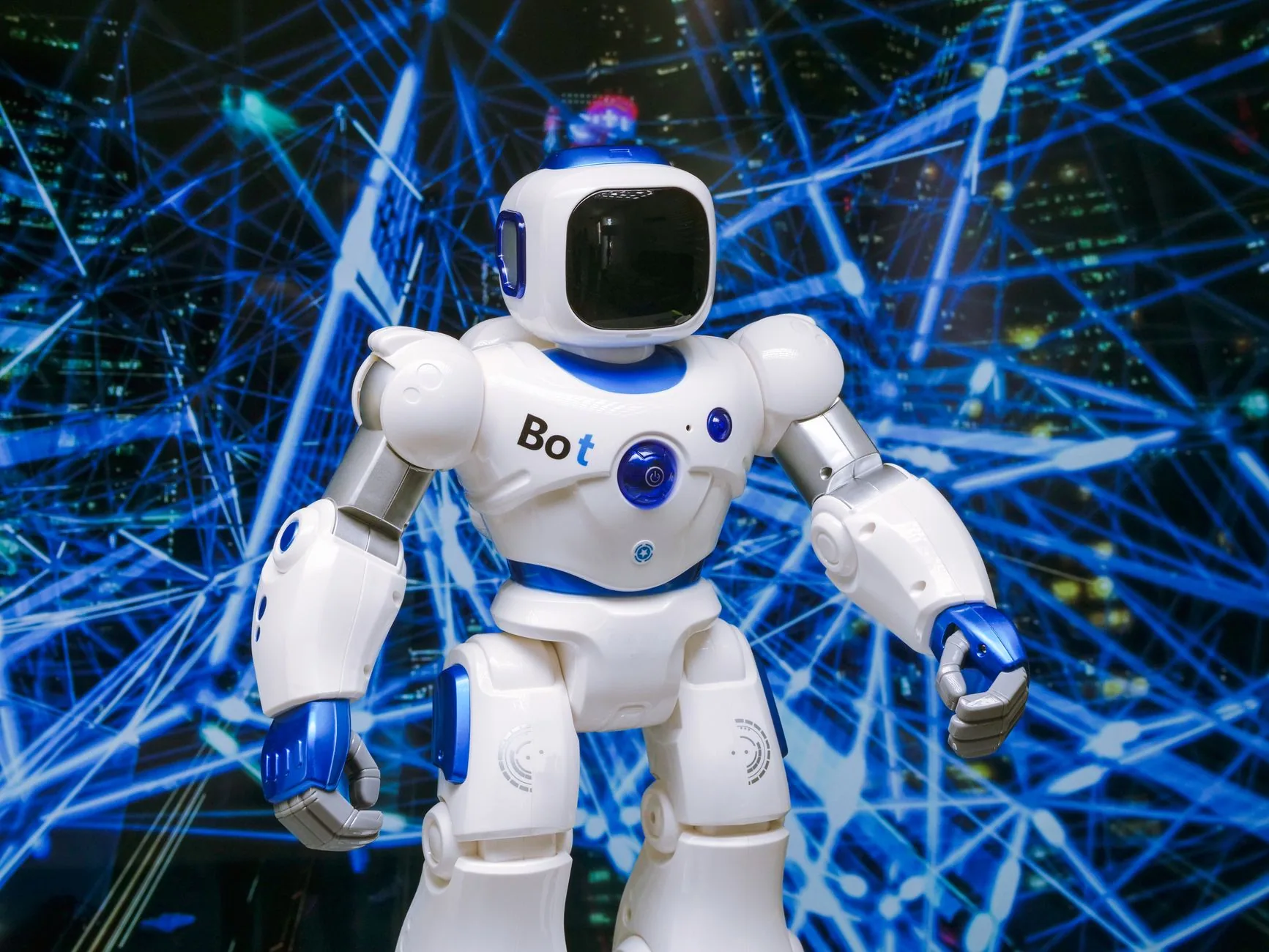
Figure AI, a Sunnyvale, California-based robotics startup, secured $675 million in a recent funding round, pushing its post-money valuation to $3.5 billion. This significant capital influx, backed by Amazon (via Jeff Bezos's fund), Nvidia, Microsoft, OpenAI, and Google's DeepMind, signals a critical inflection point for the physical AI and humanoid robotics market. Founders should note this deal as a clear indicator of major tech players' readiness to invest heavily in hardware-software convergence, creating new opportunities and competitive pressures in an increasingly capital-intensive sector.
Quick takeaways
- Massive Valuation: Figure AI, founded in 2022, achieved a $3.5 billion post-money valuation after a $675 million funding round, underscoring investor confidence in humanoid robotics.
- Strategic Investor Lineup: The round included Amazon (Bezos Expeditions), Nvidia, Microsoft, OpenAI, and Google's DeepMind, highlighting a convergence of AI and hardware interests from tech giants.
- Focus on General-Purpose Humanoids: Funding is directed towards accelerating the development and commercialization of Figure 01, a humanoid robot designed to address labor shortages and dangerous tasks.
- AI-Hardware Synergy: OpenAI's partnership with Figure AI for next-generation AI models for robots exemplifies the critical need for advanced AI to power complex physical systems.
- Implications for Founders: The deal sets a high bar for capital and talent in physical AI, stressing the importance of deep technical expertise, clear market application, and strategic partnerships for hardware-centric startups.
The $675 Million Infusion and Strategic Backing
Figure AI, a company founded by CEO Brett Adcock in 2022, closed a $675 million funding round in early 2024. This substantial investment propelled the company's post-money valuation to $3.5 billion. The funding round was notable not just for its size, but for the strategic composition of its investor base, which included a roster of the world's leading technology companies.
Amazon, through Jeff Bezos's personal investment fund, Bezos Expeditions, contributed $100 million to the round CNBC, 2024. Nvidia, a dominant player in AI compute and hardware, invested $150 million CNBC, 2024. Microsoft, a significant cloud and AI platform provider, committed $95 million CNBC, 2024. OpenAI, the developer of advanced large language models, made a strategic investment of $5 million CNBC, 2024. Google's DeepMind also participated in the round TechCrunch, 2024.
This latest funding round follows Figure AI's earlier $70 million Series A round, bringing the company's total capital raised to $745 million TechCrunch, 2024. The rapid escalation in funding and valuation—from its founding in 2022 to a $3.5 billion valuation in just over two years—underscores the intense interest and perceived potential within the humanoid robotics sector. For founders, particularly those building capital-intensive hardware companies, this deal highlights the possibility of attracting substantial investment when a clear vision, strong team, and promising technology align with major industry trends and strategic interests of tech giants. It also sets a new benchmark for the scale of investment available for ventures at the intersection of advanced AI and physical systems. The involvement of these specific companies indicates a deeper strategic play than a typical venture capital round, pointing towards future collaborations and potential integration within their respective ecosystems. This suggests that for certain high-potential areas, securing strategic capital from industry leaders can accelerate development and market penetration in ways traditional funding cannot.
Brett Adcock's Vision and Figure AI's Genesis
Figure AI was founded in 2022 by CEO Brett Adcock with an ambitious goal: to develop a general-purpose humanoid robot capable of operating across diverse environments. Adcock's vision for Figure 01, the company's flagship robot, centers on addressing two critical global challenges: persistent labor shortages and the need for automation in dangerous or undesirable work environments TechCrunch, 2024.
The concept of a general-purpose humanoid robot marks a significant departure from specialized industrial robots, which are typically designed for repetitive tasks in controlled factory settings. A general-purpose robot, by contrast, must possess the dexterity, perception, and intelligence to adapt to unstructured environments, handle a variety of tools, and interact safely with humans and dynamic surroundings. This requires a sophisticated integration of advanced robotics, computer vision, machine learning, and natural language processing. Adcock's strategy with Figure AI is to build a platform that can learn and perform a wide array of tasks, moving beyond single-purpose automation. This approach aligns with the growing demand for flexible automation solutions that can augment human labor in sectors ranging from manufacturing and logistics to elder care and hazardous waste management.
The decision to focus on humanoid form factors is rooted in the practical advantage of designing robots that can navigate and operate within human-centric infrastructures. Buildings, tools, and environments are already optimized for human interaction, making a humanoid form factor potentially more adaptable than other robotic designs. However, this also presents immense engineering challenges, particularly in achieving stable bipedal locomotion, human-level manipulation, and robust real-world perception. The significant funding secured by Figure AI reflects investor belief in Adcock's ability to navigate these complexities and deliver on the promise of a truly versatile humanoid robot. His background and the rapid progress of Figure AI since its 2022 founding suggest a focused execution strategy. The capital infusion is specifically earmarked to accelerate the development and commercialization of Figure 01, pushing it closer to deployment in real-world scenarios TechCrunch, 2024. This strategic direction represents a high-stakes bet on the future of physical AI, where the physical form and intelligence must evolve in tandem to unlock new levels of automation.
The Convergence of AI and Hardware
Figure AI's recent funding round is not merely a financial transaction; it is a clear signal of the intensifying convergence between advanced artificial intelligence and sophisticated hardware. The involvement of companies like Nvidia, Microsoft, OpenAI, and Google's DeepMind underscores a strategic recognition that the next frontier of AI development lies in its embodiment within physical systems. This integration is crucial for moving AI beyond virtual assistants and data analysis into real-world interaction and manipulation.
Nvidia's $150 million investment highlights its critical role in this convergence CNBC, 2024. As a leader in GPU technology, Nvidia provides the computational backbone necessary for training complex AI models that power robotics, from perception and navigation to motor control and dexterous manipulation. Their investment signifies a belief that humanoid robots will become a major consumer of high-performance computing, driving demand for their hardware and software platforms like Omniverse for simulation. For a robotics startup, securing Nvidia's backing provides not just capital, but also access to cutting-edge AI hardware and development tools.
Microsoft's $95 million investment and OpenAI's $5 million strategic investment are particularly telling regarding the AI component CNBC, 2024. OpenAI's partnership with Figure AI is specifically aimed at developing "next-generation AI models for humanoid robots" TechCrunch, 2024. This collaboration is essential because traditional robotics control systems are often rule-based and brittle. Modern humanoid robots require AI models capable of complex reasoning, learning from experience, understanding human commands (potentially via large language models), and adapting to unforeseen circumstances. This partnership suggests that Figure AI will leverage OpenAI's expertise in foundation models to imbue Figure 01 with advanced cognitive abilities, moving towards truly intelligent autonomy. Microsoft's involvement, often intertwined with OpenAI's initiatives, points to potential cloud infrastructure support (Azure) for training these massive AI models and potentially deploying them at scale.
Google's DeepMind's participation further emphasizes the deep learning and reinforcement learning expertise needed for advanced robotics. DeepMind has a history of pioneering AI research that translates to robotic control and learning. Amazon's investment, through Bezos Expeditions, also signals a long-term interest in automation that could extend beyond its current warehouse robotics into more general-purpose applications, given the stated goal of Figure 01 to address labor shortages TechCrunch, 2024.
The convergence reflected in this funding round indicates that the future of robotics is not just about mechanical engineering, but fundamentally about the intelligence that drives the hardware. Startups in this space must master both disciplines, integrating sophisticated AI with robust, reliable physical platforms. The deal highlights that while the hardware is capital-intensive, the software, particularly advanced AI, is the differentiating factor that will unlock the true potential of physical AI. This synergy allows for robots that are not just automated, but truly autonomous, adaptable, and capable of performing a wider range of tasks in complex, dynamic environments.
The Humanoid Robotics Landscape and Figure 01
Figure AI is developing Figure 01, a general-purpose humanoid robot designed to perform tasks in environments typically built for humans. This approach positions Figure AI at the forefront of a burgeoning sector within the broader robotics market. Unlike specialized industrial robots or automated guided vehicles (AGVs) that operate in highly structured settings, humanoid robots aim for versatility and adaptability across various human-centric spaces. The stated purpose of Figure 01 is to address global labor shortages and enable work in dangerous environments TechCrunch, 2024.
The market for humanoid robots, while still nascent, is driven by several macro trends. Demographic shifts in many developed nations are leading to shrinking workforces and an increasing demand for automation in sectors like manufacturing, logistics, retail, and elder care. Furthermore, industries dealing with hazardous materials, extreme temperatures, or repetitive strain injuries are seeking robotic solutions to protect human workers. Figure 01 aims to fill this gap by offering a robot that can potentially perform a wide range of tasks, from lifting and moving objects in a factory to assisting in a retail store, or even performing inspection and maintenance in a power plant.
Developing a general-purpose humanoid robot presents a unique set of technical challenges. These include achieving stable bipedal locomotion over varied terrains, developing highly dexterous manipulators capable of fine motor skills, and integrating advanced perception systems (vision, touch, hearing) to understand and interact with the environment. Crucially, the robot needs sophisticated AI to learn new tasks, adapt to changing conditions, and make autonomous decisions. The partnership with OpenAI for "next-generation AI models" directly addresses this need, aiming to provide Figure 01 with the cognitive capabilities required for truly general-purpose operation TechCrunch, 2024.
The significant capital injection of $675 million, coupled with a $3.5 billion valuation, provides Figure AI with substantial resources to overcome these engineering hurdles. This funding will support extensive R&D, talent acquisition, and scaling of manufacturing capabilities as Figure 01 moves towards commercialization. The involvement of major tech players like Amazon, Nvidia, Microsoft, OpenAI, and Google's DeepMind not only validates the market potential of humanoid robots but also provides Figure AI with strategic advantages in terms of technology access, potential early adoption partners, and expertise in AI and cloud infrastructure. This collective backing suggests a broad industry belief that general-purpose humanoid robots are poised to move from research labs to widespread practical application in the coming years, fundamentally reshaping various industries and the nature of work itself. The success of Figure 01 could establish a paradigm for how physical AI can augment human capabilities and address critical societal needs on a global scale.
Implications for Founders: Capital, Talent, and Focus
The $675 million funding round for Figure AI, resulting in a $3.5 billion valuation, carries significant implications for founders operating at the intersection of AI and hardware. This deal serves as both an inspiration and a cautionary tale, highlighting the opportunities and challenges in a rapidly evolving, capital-intensive sector.
The High Bar for Capital
Firstly, the sheer scale of the investment demonstrates that substantial capital is available for hardware-centric AI startups, provided they address a major market need with a compelling technological vision. Figure AI, founded in 2022, quickly attracted nearly three-quarters of a billion dollars in total funding TechCrunch, 2024. This indicates that investors, particularly strategic corporate investors, are willing to make large bets on foundational technologies with long-term disruptive potential. However, it also sets a high bar. Founders must demonstrate not only innovative technology but also a clear path to commercialization and scalability, especially when dealing with complex physical products like robots. The capital intensity of hardware development—from R&D to prototyping, manufacturing, and deployment—demands a robust financial strategy and a compelling narrative to attract such significant investment. Startups in this space must be prepared for longer development cycles and higher burn rates compared to pure software ventures.
The Battle for Talent
Secondly, the strategic investments from Nvidia, Microsoft, OpenAI, and Google's DeepMind signal an intensified battle for top-tier talent in robotics, AI, and related engineering disciplines. These tech giants are not just investing capital; they are implicitly endorsing the technical direction and the caliber of the team at Figure AI. Founders in similar domains will face fierce competition for engineers, researchers, and product developers with expertise in areas such as robot kinematics, computer vision, reinforcement learning, and dexterous manipulation. Attracting and retaining such specialized talent will require competitive compensation, a challenging technical environment, and a clear mission that resonates with leading innovators. For smaller startups, this means focusing on building a unique culture and offering unparalleled opportunities for impact to stand out against larger, well-funded players.
Strategic Focus and Partnerships
Finally, Figure AI's success underscores the importance of strategic focus and partnerships. By concentrating on a "general-purpose humanoid robot" to address "global labor shortages and dangerous environments," Figure AI has articulated a clear, impactful problem statement TechCrunch, 2024. This clarity likely resonated with investors. Furthermore, the explicit partnership with OpenAI to develop "next-generation AI models for humanoid robots" highlights the critical value of deep technical collaborations TechCrunch, 2024. For founders, this suggests that identifying and securing strategic partners—whether for technology development, market access, or foundational research—can be as crucial as securing financial capital. These partnerships can provide access to expertise, resources, and market channels that would otherwise be difficult or impossible for a nascent startup to acquire independently. The Figure AI deal demonstrates that for startups building complex, integrated AI-hardware solutions, aligning with industry leaders can be a powerful accelerant, offering not just funding but also validation, technical synergy, and a clearer path to market dominance. Founders should assess how their own ventures can leverage such strategic alignments to de-risk development and accelerate growth in a competitive landscape.
FAQ
Q: What is Figure AI and what do they do? A: Figure AI is a robotics startup founded in 2022 by CEO Brett Adcock. The company is developing Figure 01, a general-purpose humanoid robot designed to address global labor shortages and perform tasks in dangerous environments TechCrunch, 2024.
Q: How much funding did Figure AI recently raise and what is their valuation? A: Figure AI recently secured $675 million in a funding round. This investment boosted its post-money valuation to $3.5 billion Reuters, 2024.
Q: Which major tech companies invested in Figure AI? A: Key investors in the $675 million round include Amazon (via Jeff Bezos's Bezos Expeditions), Nvidia, Microsoft, OpenAI, and Google's DeepMind TechCrunch, 2024. Specific contributions were $100 million from Bezos Expeditions, $150 million from Nvidia, $95 million from Microsoft, and $5 million from OpenAI CNBC, 2024.
Q: What is the purpose of the funding for Figure AI? A: The funding is earmarked to accelerate the development and commercialization of Figure 01, Figure AI's general-purpose humanoid robot TechCrunch, 2024. The company also partnered with OpenAI to develop next-generation AI models specifically for humanoid robots TechCrunch, 2024.
Q: Why is this funding round significant for the robotics and AI market? A: This funding round is significant because it signals a strong belief from major tech giants in the future of physical AI and humanoid robotics. The strategic investments highlight the critical convergence of advanced AI with sophisticated hardware, demonstrating that leading companies are willing to invest heavily in solutions that address global challenges like labor shortages through versatile robotic systems. This sets a precedent for capital requirements and strategic partnerships in the AI-hardware space.
Continue reading



The Entrepreneur Story
Is your story worth telling?
We feature founders who are building something real. Apply and we'll be in touch.
Apply to be featured →Stay sharp.
Ideas that move.
Founder stories, emerging ventures, and essays on what's next — straight to your inbox.
Unsubscribe any time.