
Stegra Secures $1.6B for Green Steel Plant in Germany A Climate Tech Benchmark
German green steel startup Stegra secures $1.6 billion to build a plant in Wilhelmshaven, demonstrating investor confidence in industrial-scale climate technology for heavy industry decarbonization.
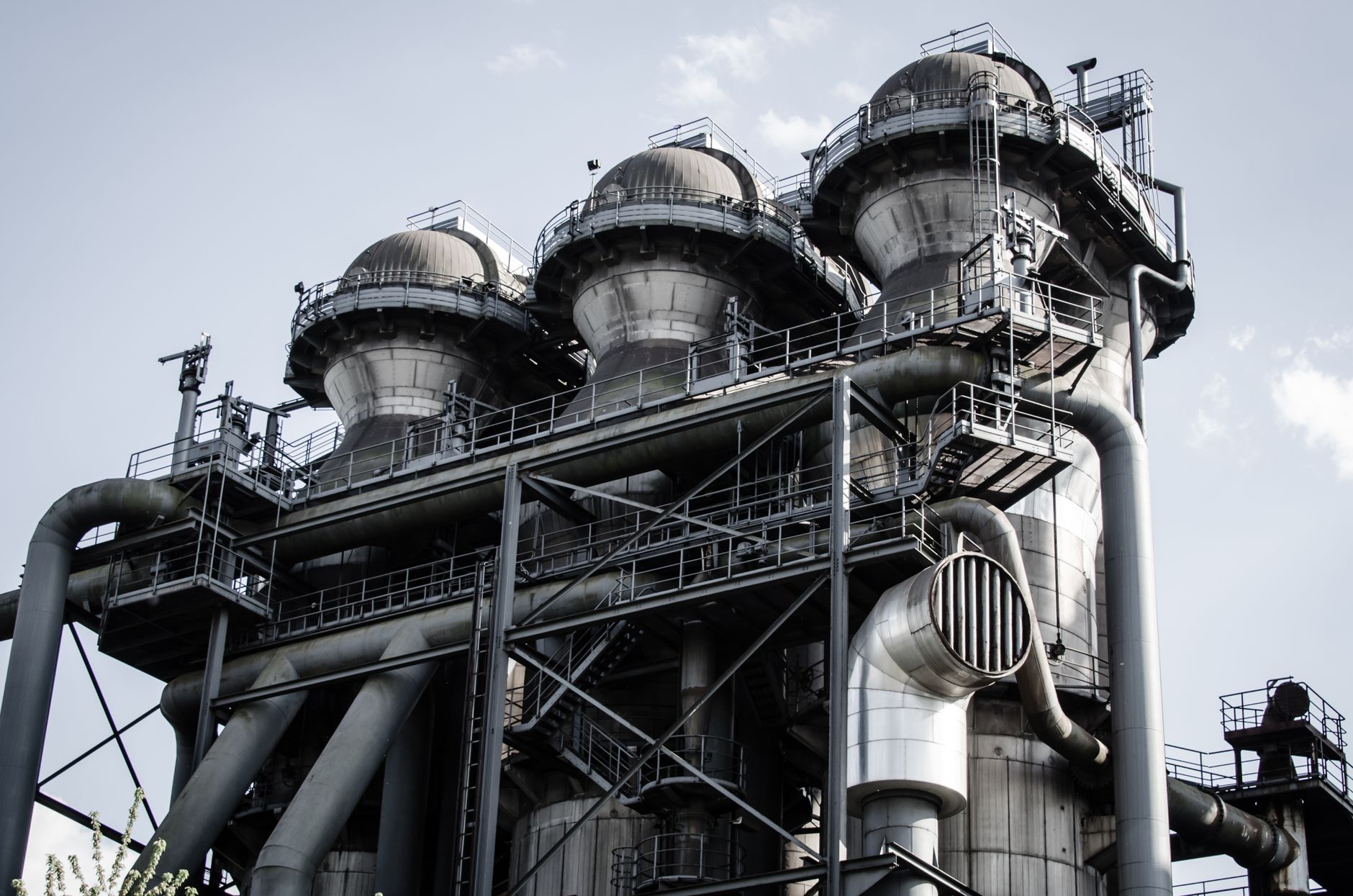
German green steel startup Stegra announced on May 23, 2024, it has secured €1.5 billion ($1.6 billion) in private debt and equity funding to build a pioneering industrial plant in Wilhelmshaven, Germany. This substantial capital infusion signals robust investor confidence in industrial-scale climate technology and underscores the critical market opportunity for founders tackling the decarbonization of heavy industries. For startup founders, Stegra's ability to attract such significant capital demonstrates the increasing appetite for solutions addressing large, systemic emissions, even in traditionally capital-intensive sectors.
Quick Takeaways
- Stegra secured €1.5 billion ($1.6 billion) in private debt and equity, emphasizing the scale of investment required for industrial decarbonization.
- The funding will construct a plant in Wilhelmshaven, Germany, aiming to produce over 2.5 million tonnes of green iron annually by the end of 2026.
- The project utilizes green hydrogen to reduce CO2 emissions by up to 95% compared to conventional steelmaking, highlighting the role of advanced materials and energy solutions.
- The investment cohort, including KfW, BNP Paribas, and Engie New Ventures, demonstrates a blend of public, private, and corporate capital backing deep tech industrial ventures.
- Stegra's strategic partnership with EWE for green hydrogen supply illustrates the necessity of integrated supply chains for large-scale industrial climate solutions.
The Deal and Its Industrial Scale
Stegra's €1.5 billion ($1.6 billion) funding round, announced in May 2024, represents one of the largest private capital raises for a climate technology startup focused on heavy industry. This substantial investment is earmarked for the construction of an industrial plant in Wilhelmshaven, Germany, designed to produce over 2.5 million tonnes of green iron annually [Tech.eu, 2024]. For founders navigating the capital markets, the sheer scale of this financing round offers a critical benchmark. It indicates that investors are now prepared to back projects requiring multi-billion-dollar commitments, provided they address a foundational industrial challenge with a clear decarbonization pathway. The capital structure, a combination of private debt and equity, reflects the hybrid financing models often necessary for infrastructure-heavy ventures. KfW, a German state-owned development bank, and BNP Paribas, a major commercial bank, acted as lead arrangers for the debt portion, signaling confidence from traditional financial institutions in the bankability of green industrial projects [Tech.eu, 2024]. Their involvement underscores a broader trend where public and private finance are converging to de-risk and accelerate climate-critical infrastructure.
On the equity side, Engie New Ventures, the venture capital arm of French energy giant Engie, participated as an investor [Tech.eu, 2024]. This corporate venture capital participation highlights the strategic interest of established industrial players in securing future supply chains for decarbonized materials and integrating new technologies into their portfolios. For founders, attracting CVCs can mean not just capital, but also strategic partnerships, industry expertise, and potential off-take agreements crucial for scaling. The targeted completion for the Wilhelmshaven plant is the end of 2026, a relatively aggressive timeline for a project of this magnitude [Tech.eu, 2024]. This timeline reflects the urgency driving the green industrial transition and the market pressure to deliver tangible emissions reductions. The plant's output, over 2.5 million tonnes of green iron, is not merely a pilot project; it represents a significant contribution to the European heavy industry supply chain, demonstrating a commitment to industrial-scale impact rather than incremental change. Such projects are not about developing a software product; they are about building physical assets, securing complex supply chains, and navigating extensive regulatory and engineering challenges. Founders in deep tech or hard-to-decarbonize sectors should note that securing this level of funding requires not just a compelling technology, but also a detailed execution plan, robust partnerships, and a clear path to market. The 280 direct jobs expected to be created at the facility further underscore the tangible economic impact and local benefits associated with these large-scale industrial climate investments [Tech.eu, 2024].
Why Green Steel Matters Now: Decarbonizing a Global Giant
The steel industry stands as one of the largest contributors to global carbon emissions, accounting for an estimated 7-9% of worldwide CO2 output [Tech.eu, 2024]. This figure alone underscores the profound market imperative for innovations like Stegra's green steel technology. For founders seeking to build impactful climate solutions, the steel sector represents a "super-emitter" with immense potential for disruption and value creation. Traditional steelmaking, primarily reliant on blast furnaces that use coking coal to reduce iron ore, is inherently carbon-intensive. The process releases significant amounts of CO2 as a byproduct of the chemical reaction. Stegra’s approach, utilizing green hydrogen in a direct reduction process, promises to cut these emissions by up to 95% [Tech.eu, 2024]. This is not a marginal improvement but a transformative shift, addressing the core chemical process responsible for steel's carbon footprint. The "green" aspect of the hydrogen is crucial: it must be produced through electrolysis powered by renewable energy, ensuring the entire value chain is decarbonized. This distinction is vital for founders, as "green" claims are increasingly scrutinized by investors, regulators, and customers.
The demand for green steel is not just an environmental aspiration; it is rapidly becoming an economic necessity. Major industrial buyers, particularly in the automotive, construction, and infrastructure sectors, are facing mounting pressure from consumers, shareholders, and regulators to reduce their Scope 3 emissions – those generated in their supply chains. Sourcing green steel offers a direct pathway to achieving these targets. This creates a significant pull for new, sustainable materials, translating into a tangible market opportunity for startups that can deliver at scale. The European Union, for example, has set ambitious climate targets, including a 55% reduction in net greenhouse gas emissions by 2030 and climate neutrality by 2050. These targets translate into policy frameworks, carbon pricing mechanisms, and incentives that favor low-carbon industrial processes, making green steel economically more viable and competitive over time. For founders, understanding these regulatory tailwinds is as critical as understanding the technology itself. They create a predictable demand signal and can help de-risk early-stage investments in capital-intensive projects.
Furthermore, the geopolitical landscape, particularly in Europe, emphasizes energy independence and the security of critical materials. Investing in domestic green steel production, as Stegra is doing in Germany, aligns with broader strategic goals of bolstering industrial resilience and reducing reliance on fossil fuels and imported carbon-intensive goods. This confluence of environmental urgency, regulatory mandates, corporate demand for decarbonized supply chains, and strategic industrial policy creates a fertile ground for green steel and other heavy industry decarbonization ventures. Founders looking to enter this space must recognize that success hinges not only on technological innovation but also on an acute understanding of macro-economic drivers, policy frameworks, and the complex interplay of industrial supply and demand. The market for green materials is no longer niche; it is becoming a fundamental requirement for global industry.
The Wilhelmshaven Blueprint: Industrial Innovation and Supply Chain Integration
Stegra's planned industrial plant in Wilhelmshaven, Germany, represents a significant blueprint for industrial innovation in the green economy. The facility is designed to produce over 2.5 million tonnes of green iron (Hot Briquetted Iron - HBI) annually, a key input for steel production [Tech.eu, 2024]. This HBI is created through a direct reduction process, a method that uses a reducing gas—in Stegra's case, green hydrogen—to remove oxygen from iron ore, bypassing the need for traditional blast furnaces and their associated high CO2 emissions. The goal is a 95% reduction in CO2 compared to conventional methods, a figure that underscores the transformative potential of this technology [Tech.eu, 2024]. Dr. Alexander Redenius, CEO of Stegra, leads this ambitious undertaking, which requires not only advanced engineering but also robust project management to bring such a complex industrial facility online by the targeted completion date of the end of 2026 [Tech.eu, 2024]. His leadership will be critical in navigating the myriad challenges inherent in large-scale construction and operationalization.
A crucial element of Stegra's strategy is its integrated supply chain for green hydrogen. The company has forged a strategic partnership with German utility EWE for the supply of this critical input [Tech.eu, 2024]. EWE is developing the 'HyBase' electrolysis plant, also located in Wilhelmshaven, which will produce green hydrogen from renewable electricity [Tech.eu, 2024]. This co-location and partnership are vital for several reasons. First, hydrogen production, especially at the scale required for industrial processes, is energy-intensive. Having a dedicated, local supply chain reduces logistical complexities and costs associated with transport and storage. Second, it ensures the "green" credentials of the hydrogen, as EWE's HyBase plant will produce it using renewable energy sources. For founders building solutions that rely on critical inputs, especially those with stringent environmental criteria, securing a reliable and verifiable supply chain early on is paramount. This often means forming strategic alliances with established energy or infrastructure providers, as Stegra has done with EWE. These partnerships de-risk the project, ensure feedstock availability, and can unlock further investment by demonstrating a comprehensive and viable operational plan.
The choice of Wilhelmshaven as the plant location is also strategic. As a port city, it offers logistical advantages for importing iron ore and exporting green iron products. Furthermore, Germany's industrial heartland and its strong political commitment to decarbonization provide a supportive ecosystem for such ventures. The project is expected to create up to 280 direct jobs at the facility, contributing to regional economic development and garnering local support [Tech.eu, 2024]. For founders, this highlights the broader stakeholder engagement required for large-scale industrial projects. Beyond technology and capital, securing community buy-in and demonstrating regional benefits can be critical for permitting, talent acquisition, and long-term operational success. The Wilhelmshaven plant is not just a factory; it is an integrated industrial ecosystem designed to demonstrate the viability and scalability of green steel production, setting a precedent for future heavy industry decarbonization efforts globally.
Investor Confidence in Hard-to-Decarbonize Industries
Stegra’s €1.5 billion ($1.6 billion) funding round is a significant indicator of escalating investor confidence in sectors traditionally deemed "hard-to-decarbonize." For years, climate tech investment largely gravitated towards software, renewable energy generation, and electric vehicles – areas with clearer pathways to commercialization and lower capital expenditure. However, Stegra's success, particularly in the capital-intensive steel sector, signals a maturation of the climate tech investment landscape. It demonstrates that patient, large-scale capital is now actively seeking opportunities in heavy industry, where emissions are concentrated and abatement solutions often require significant infrastructure and longer development timelines. The investor syndicate backing Stegra is particularly telling. The involvement of KfW, a German state-owned development bank, and BNP Paribas, a leading commercial bank, as lead arrangers for the debt financing, underscores a critical shift [Tech.eu, 2024]. These institutions typically assess projects based on their long-term financial viability, creditworthiness, and adherence to environmental, social, and governance (ESG) criteria. Their commitment to Stegra suggests that green industrial projects are increasingly seen as bankable and aligned with evolving financial mandates that prioritize sustainable investments. For founders in similar deep tech or industrial climate ventures, this signals that traditional finance is opening up, moving beyond purely venture capital models.
The participation of Engie New Ventures, the corporate venture capital arm of French energy company Engie, as an equity investor further reinforces this trend [Tech.eu, 2024]. Corporate VCs often invest not just for financial returns, but also for strategic alignment, market intelligence, and potential future partnerships or acquisitions. Engie's involvement indicates that established industrial players are actively seeking to integrate green technologies into their value chains and secure future supplies of decarbonized materials. This type of strategic investment can be invaluable for startups, providing not only capital but also access to industry expertise, distribution channels, and potential customers. For founders, understanding the motivations of different investor types—from government-backed development banks to commercial lenders and corporate VCs—is crucial for structuring funding rounds that meet the unique needs of capital-intensive projects. The scale of the Stegra investment also reflects a growing recognition that achieving global climate targets requires more than just incremental improvements; it demands foundational shifts in how heavy industries operate. The steel sector alone accounts for 7-9% of global CO2 emissions, making it an unavoidable target for decarbonization efforts [Tech.eu, 2024]. Investors are now recognizing that addressing these large, concentrated emission sources can yield substantial environmental impact and create new, resilient industrial value chains. This shift in investor mindset creates a significant opportunity for founders developing solutions for other hard-to-decarbonize sectors, such as cement, chemicals, shipping, and aviation. The Stegra deal serves as a powerful proof point that capital is available for those who can demonstrate a credible path to industrial-scale, economically viable decarbonization in these challenging but critical areas.
Competitive Landscape and Market Opportunities in Green Materials
The emergence of Stegra with its €1.5 billion ($1.6 billion) funding round places it squarely within a nascent, but rapidly expanding, competitive landscape for green materials, particularly green steel. While the research available does not name specific direct competitors for Stegra, it is vital for founders to understand the broader market dynamics and the nature of competition in this capital-intensive space. The primary competition for green steel startups comes not just from other green steel producers, but also from established, conventional steelmakers who are themselves exploring decarbonization pathways, albeit often at a slower pace due to legacy infrastructure. The market for green steel is driven by a strong demand signal from manufacturers committed to reducing their Scope 3 emissions. This includes major automotive companies, construction firms, and appliance manufacturers who are under pressure from regulators, consumers, and investors to demonstrate their commitment to sustainability. This "pull" from the demand side creates a fertile ground for new entrants.
One notable player in the green steel sector is H2 Green Steel, a Swedish company that also aims to produce green steel using hydrogen. While specific details on H2 Green Steel's funding or operational scale are not provided in the Stegra research, its existence underscores that Stegra is not operating in a vacuum. These companies are not just competing for capital and customers; they are also vying for access to critical resources like green hydrogen supply, renewable energy, and skilled talent in industrial decarbonization. The differentiation in this market will likely come from several factors: the efficiency and cost-effectiveness of the hydrogen direct reduction technology, the security and scalability of green hydrogen supply chains, and strategic partnerships with both energy providers (like Stegra's collaboration with EWE) and off-takers. Furthermore, geographic positioning and access to raw materials (iron ore) and port infrastructure will play a crucial role. For founders considering entry into adjacent green materials markets, such as green cement, green chemicals, or sustainable aviation fuels, the lessons from green steel are clear. Success hinges on a combination of breakthrough technology capable of deep decarbonization, the ability to attract substantial, patient capital for industrial scale-up, and the establishment of robust, integrated supply chains for critical inputs like renewable energy and green hydrogen.
The market opportunity extends beyond just the core material production. There are significant opportunities for startups building supporting technologies and services:
- Hydrogen Production & Infrastructure: Companies developing more efficient electrolyzers, hydrogen storage solutions, and distribution networks.
- Carbon Capture, Utilization, and Storage (CCUS): While Stegra aims for near-zero emissions, other industrial processes may still require CCUS technologies, presenting opportunities for innovation.
- Advanced Materials Science: Startups developing new materials that reduce the need for carbon-intensive inputs, or finding ways to recycle and reuse industrial waste streams.
- Industrial AI & Optimization: Software solutions that optimize energy consumption, process efficiency, and supply chain logistics for green industrial plants.
- Certification & Traceability: Companies providing robust, verifiable systems for certifying the "green" credentials of industrial materials, ensuring transparency and trust in the market.
The Stegra funding round is a testament to the fact that the green materials market is moving beyond pilot projects to full-scale industrial deployment. This shift creates a ripple effect, opening up opportunities across the entire value chain for founders who can identify critical bottlenecks and offer scalable, impactful solutions.
Lessons for Deep Tech Founders
Stegra's €1.5 billion ($1.6 billion) funding round offers several critical lessons for deep tech founders, particularly those operating in hard-to-decarbonize industrial sectors. First, the deal unequivocally demonstrates that substantial capital is available for projects that address systemic climate challenges with industrial-scale solutions. For founders who have historically struggled to raise significant capital for hardware-intensive or infrastructure-heavy ventures, Stegra's success provides a powerful proof point. It signals that the venture capital and broader investment communities are maturing in their understanding of climate tech, moving beyond software-centric models to embrace the long timelines and high capital requirements of deep tech. The key is to target a problem large enough to warrant such investment—like steel production's 7-9% contribution to global CO2 emissions [Tech.eu, 2024].
Second, the composition of Stegra's funding — a blend of private debt from institutions like KfW and BNP Paribas, and equity from corporate VCs like Engie New Ventures — highlights the necessity of diversified capital strategies for deep tech [Tech.eu, 2024]. Founders cannot rely solely on traditional venture capital for multi-billion-dollar industrial projects. They must actively engage with development banks, commercial lenders, corporate strategic investors, and potentially government grants or subsidies. This requires a sophisticated understanding of different financing instruments and an ability to articulate project bankability, not just startup growth potential. The involvement of state-backed entities like KfW also underscores the role of public-private partnerships in de-risking and accelerating critical climate infrastructure. Founders should explore how government support mechanisms, whether through direct funding, loan guarantees, or policy incentives, can be leveraged to unlock private capital.
Third, Stegra's strategic partnership with EWE for green hydrogen supply illustrates the critical importance of integrated supply chain planning from the outset [Tech.eu, 2024]. For any deep tech solution that relies on novel inputs or complex infrastructure, securing these foundational elements through partnerships or vertical integration is non-negotiable. Founders must demonstrate not just that their technology works, but that it can operate reliably and economically within a complex industrial ecosystem. This means identifying and engaging with key suppliers, off-takers, and infrastructure partners early in the development process. A clear, de-risked supply chain makes a project far more attractive to investors.
Fourth, the project’s clear, measurable impact — a 95% reduction in CO2 emissions and the production of over 2.5 million tonnes of green iron annually — is crucial [Tech.eu, 2024]. For climate tech founders, demonstrating tangible and significant environmental impact, alongside a viable business model, is paramount. Investors are increasingly sophisticated in their assessment of "green" claims, demanding verifiable metrics and a clear pathway to substantial emissions reductions. Founders must be able to articulate their impact in concrete terms, backed by robust data and scientific rigor. Finally, the targeted completion of the Wilhelmshaven plant by the end of 2026, creating up to 280 direct jobs, emphasizes the execution-heavy nature of deep tech [Tech.eu, 2024]. Success in this domain is not just about innovation; it's about disciplined project management, engineering excellence, and the ability to attract and retain specialized talent. Founders in deep tech must build teams with strong operational and industrial experience, capable of translating ambitious visions into concrete, large-scale physical realities. Stegra's journey provides a blueprint for how to secure the capital, build the partnerships, and execute the vision required to decarbonize the world's heaviest industries.
Reader questions.
01What is Stegra, and what did it achieve?
Stegra is a German green steel startup that secured €1.5 billion ($1.6 billion) in private debt and equity funding on May 23, 2024. This capital will be used to build an industrial plant in Wilhelmshaven, Germany, designed to produce over 2.5 million tonnes of green iron annually, aiming to reduce CO2 emissions by up to 95% compared to conventional steelmaking [Tech.eu, 2024].02Who are the key investors and partners in Stegra's funding round?
The funding round included private debt and equity. KfW, a German state-owned development bank, and BNP Paribas were among the lead arrangers for the debt financing. Engie New Ventures, the venture capital arm of French energy company Engie, participated as an equity investor. Stegra also has a strategic partnership with German utility EWE for green hydrogen supply [Tech.eu, 2024].03What technology does Stegra use to produce green iron, and what is its environmental impact?
Stegra's technology utilizes green hydrogen in the direct reduction process to produce Hot Briquetted Iron (HBI). This method aims to reduce CO2 emissions by up to 95% compared to traditional steelmaking processes, which are highly carbon-intensive [Tech.eu, 2024].04Where will Stegra's new plant be located, and when is it expected to be operational?
The new industrial plant will be located in Wilhelmshaven, Germany. Its completion is targeted for the end of 2026. The project is also expected to create up to 280 direct jobs at the facility [Tech.eu, 2024].05Why is green steel important for the global economy and climate efforts?
Steel production currently accounts for 7-9% of global CO2 emissions, making it one of the largest industrial contributors to climate change. Green steel solutions, like Stegra's, are crucial for decarbonizing heavy industry, meeting global climate targets, and providing sustainable materials for manufacturing, construction, and infrastructure sectors [Tech.eu, 2024].
Continue reading

The Entrepreneur Story
Is your story worth telling?
We feature founders who are building something real. Apply and we'll be in touch.
Apply to be featured →Stay sharp.
Ideas that move.
Founder stories, emerging ventures, and essays on what's next — straight to your inbox.
Unsubscribe any time.