
OpenAI IPO Off for 2026: Altman Reshapes AI Capital Strategy Implications for Deep Tech Founders
Sam Altman announces OpenAI will not IPO in 2026, prioritizing long-term AGI development over public market demands and reshaping capital strategy for deep tech ventures.

Sam Altman, CEO of OpenAI, announced that the company will not pursue an Initial Public Offering (IPO) in 2026, and potentially never CNBC, 2024. This decision, articulated by Altman, signals a deliberate move away from short-term market pressures, prioritizing the long-term, capital-intensive development of Artificial General Intelligence (AGI) over a traditional liquidity event CNBC, 2024. For founders, particularly those in deep tech, this redefines the expectations for investor timelines and the strategic patience required to build foundational technologies. It forces a re-evaluation of how capital is raised and deployed when the ultimate vision spans decades, not quarters.
Quick takeaways
- OpenAI's IPO is off for 2026, possibly indefinitely, signaling a shift from short-term public market demands to long-term mission-driven development.
- The decision prioritizes AGI development, which requires immense, patient capital, potentially ranging from 'billions of dollars' to 'trillions of dollars' Bloomberg, 2024.
- OpenAI's unique capped-profit structure and non-profit foundation governance underpin this long-term strategy, allowing it to bypass traditional shareholder return maximization The Information, 2024.
- This move impacts AI startup valuations, investor liquidity expectations, and highlights the increasing need for strategic patience in deep tech ventures.
- Founders must consider alternative capital strategies for long-horizon, capital-intensive ventures, moving beyond traditional IPO exit paths and embracing models that align with extended development cycles.
The Strategic Rationale: AGI Over Public Markets
Sam Altman's declaration that OpenAI will not pursue an IPO in 2026, and potentially never, is rooted in a fundamental tension between the demands of public markets and the company's core mission. Altman has consistently emphasized that OpenAI's primary objective is to build Artificial General Intelligence (AGI), not to maximize shareholder returns through a public listing CNBC, 2024. This mission requires a capital expenditure and a timeline that Altman believes are incompatible with the short-term financial performance pressures inherent in a publicly traded company.
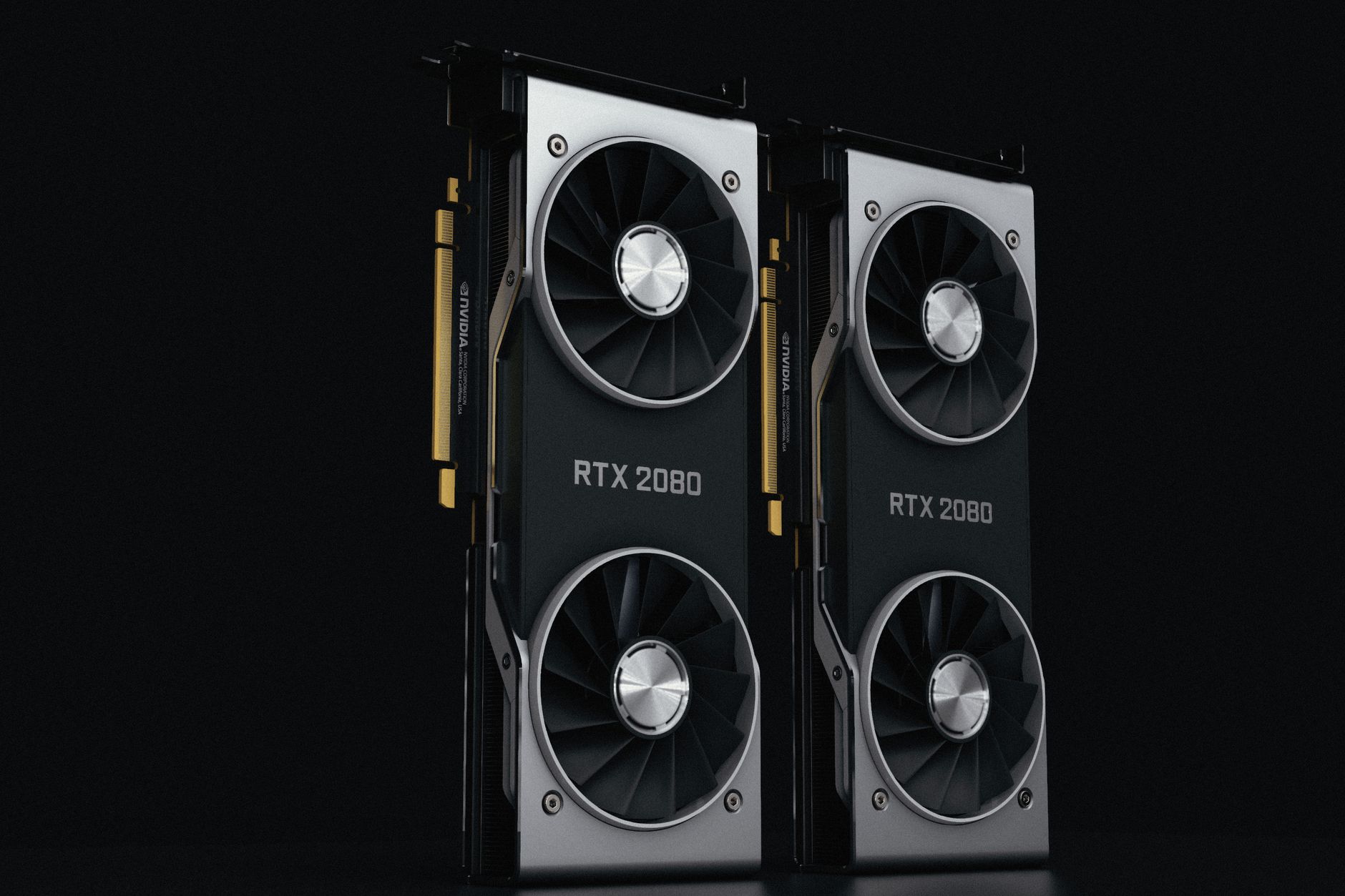
The development of AGI is an endeavor anticipated to require immense capital. Estimates provided by OpenAI suggest this could range from 'billions of dollars' to 'trillions of dollars' Bloomberg, 2024. This vast sum is necessary for acquiring millions of Graphics Processing Units (GPUs), building extensive data centers, and funding the long-term, iterative research and development required for foundational AI breakthroughs Bloomberg, 2024. Such investments do not typically yield immediate, predictable returns, which clashes with the quarterly earnings reports and investor expectations common in public markets. An IPO, Altman argues, would force OpenAI to prioritize these short-term financial metrics, potentially diverting resources and focus from the audacious, long-term research goals necessary for AGI CNBC, 2024.
This decision reflects OpenAI's commitment to strategic patience and its belief that a public market structure is fundamentally incompatible with its mission-driven deep tech goals Bloomberg, 2024. Deep tech, by its nature, involves significant upfront investment, extended research cycles, and often uncertain commercialization paths. Unlike consumer software companies that can demonstrate rapid user growth and revenue scaling, foundational AI development is akin to large-scale scientific research, demanding sustained investment without immediate pressure for profitability. The company's leadership maintains that this long-term vision necessitates a capital strategy that insulates it from the volatility and short-term demands of public shareholders.
For founders operating in similarly capital-intensive, long-horizon fields, OpenAI's stance offers a critical lesson. It underscores the importance of aligning a company's financial strategy with its core mission and technical roadmap. Founders must ask if their vision requires a degree of financial and operational autonomy that traditional public market structures cannot provide. This may involve seeking investors who are genuinely aligned with long-term impact over immediate financial returns, or exploring alternative capital structures that allow for sustained, patient investment. The path chosen by OpenAI suggests that for certain ambitious, world-changing endeavors, the traditional IPO exit may not be the most effective, or even desirable, route.
OpenAI's Unique Capital Structure and Patient Investors
OpenAI's decision to forgo a near-term IPO is not merely a strategic choice but is deeply intertwined with its unconventional corporate structure. The company operates with a unique 'capped-profit' model, a design intended to balance the need for significant capital with its foundational non-profit mission. Under this structure, investor returns are limited, and a non-profit foundation maintains ultimate governance, ensuring that the pursuit of AGI remains paramount over pure financial gain The Information, 2024. This arrangement explicitly prevents the profit maximization imperative that typically drives public companies.
This hybrid model has allowed OpenAI to attract substantial private investment while retaining its mission-driven focus. In February 2024, a tender offer facilitated by Thrive Capital valued OpenAI at approximately $86 billion The Information, 2024. This valuation, achieved in a private market transaction, demonstrates investor confidence in OpenAI's long-term potential, despite the capped returns and absence of a public listing. It suggests a growing appetite among certain investors for high-impact, long-horizon ventures, even if traditional liquidity events are deferred or structured differently.
A key component of OpenAI's capital strategy is its strategic partnership with Microsoft. Microsoft has made a significant investment in OpenAI, reportedly totaling $13 billion WSJ, 2023. This investment is not merely financial; it represents a deep strategic alliance, providing OpenAI with crucial computing resources and market access, while giving Microsoft a competitive edge in the evolving AI landscape. Such corporate partnerships offer a model for deep tech companies seeking patient capital that extends beyond traditional venture funding, often involving access to infrastructure, talent, or distribution channels that are as valuable as direct cash infusions.
The capped-profit structure means that investors like Microsoft and Thrive Capital are not participating solely for uncapped equity upside. Their involvement is driven by a combination of factors: a belief in the long-term potential of AGI, strategic access to OpenAI's technology and talent, and potentially a desire to shape the future of artificial intelligence. This model allows OpenAI to raise the 'billions of dollars' to 'trillions of dollars' needed for AGI development without succumbing to the pressure of maximizing quarterly profits for public shareholders [Bloomberg, 2024](https://www.bloomberg.com/news/articles/2024/03/20/openai-s-trillion-dollar-agi-ambition-means-no-ipo-for-now]. It establishes a precedent for how foundational technology companies can structure themselves to attract large-scale capital while maintaining a mission-first approach, offering limited, but still substantial, financial returns. For founders, this demonstrates that innovative funding models can be crafted to suit unique missions, moving beyond the conventional equity-for-growth paradigm. It highlights the potential for strategic investors to play a more profound role than just capital providers, becoming partners in long-term technological development.
Impact on AI Startup Valuations and Investor Liquidity
OpenAI's decision to keep its IPO off the table for 2026, and potentially indefinitely, sends a clear signal through the entire AI ecosystem, with significant implications for startup valuations and investor liquidity. The company's $86 billion private valuation, achieved through a tender offer in February 2024, stands as a benchmark for what can be built and valued outside the public markets The Information, 2024. However, by removing the traditional IPO exit, OpenAI is implicitly recalibrating investor expectations for liquidity horizons in deep tech.
For AI startups across various stages, this shift could create a bifurcated market. Companies focused on immediate commercial applications, with clearer paths to profitability and predictable revenue streams, might still target traditional IPOs as a primary exit strategy. Their valuations would likely continue to be tied to growth metrics and market multiples that justify a public listing. However, for deep tech AI companies pursuing foundational research or long-term, capital-intensive projects similar to OpenAI's AGI ambition, the valuation dynamics may shift. Investors in these ventures might become more comfortable with longer hold periods, and valuations could increasingly reflect the potential for long-term impact and strategic value rather than near-term public market viability. This could lead to a premium for patient capital and a discount for investors seeking quick exits.
The implications for investor liquidity are substantial. Early investors in OpenAI, as well as those in other high-growth private AI companies, might face extended timelines for realizing returns. While secondary markets, as evidenced by Thrive Capital's tender offer for OpenAI, can provide some liquidity for existing shareholders, they are not a substitute for the broad access and market depth of a public exchange The Information, 2024. Venture capital funds, which typically operate on 10-12 year cycles, may need to adjust their investment theses and fund structures to accommodate these longer hold periods for deep tech investments. This could mean a greater emphasis on strategic acquisitions as an exit path, or a rise in specialized funds designed for patient capital.
Founders must now manage investor expectations with heightened clarity. When raising capital, particularly for ambitious AI projects, they will need to articulate not just their vision and product roadmap, but also their long-term capital strategy and potential liquidity paths. Investors might scrutinize business models more closely for signs of sustainable revenue generation that can support extended private operations, or they may seek stronger alignment with strategic corporate partners. The OpenAI precedent suggests that while immense valuations are possible in private markets, the path to liquidity might be less direct and more protracted than previously assumed. This forces a more deliberate conversation between founders and investors about what success looks like, and over what timeframe, moving beyond the default assumption of an eventual IPO.
The Rise of Strategic Patience in Deep Tech
OpenAI's decision to delay, or potentially forgo, an IPO in favor of its long-term AGI mission highlights a growing trend of strategic patience within the deep tech sector. This approach contrasts sharply with the "move fast and break things" ethos often associated with consumer technology and SaaS startups, where rapid growth and early exits are frequently prioritized. Deep tech, which encompasses fields like advanced AI, biotechnology, new energy, and advanced materials, inherently involves fundamental scientific breakthroughs, extensive research and development cycles, and substantial capital expenditure before commercial viability can be established.
The pursuit of AGI, as articulated by Sam Altman, exemplifies this need for patience. It is an undertaking that requires 'billions of dollars' to 'trillions of dollars' in capital, primarily for infrastructure like millions of GPUs and expansive data centers, alongside sustained long-term research Bloomberg, 2024. Such investments are not designed for quick returns; they are foundational bets on future technological paradigms. OpenAI's commitment to strategic patience, and its belief that a public market structure is incompatible with these long-term goals, sets a new benchmark for how deep tech ventures can be financed and managed Bloomberg, 2024.
This shift necessitates a different kind of investor. Patient capital, often sourced from corporate venture arms, sovereign wealth funds, family offices, or specialized long-term VCs, becomes critical. These investors are typically less driven by short-term financial performance and more by strategic alignment, long-term impact, or the potential for transformative technological advantage. Microsoft's reported $13 billion investment in OpenAI serves as a prime example of such patient capital, where the strategic benefits of partnership and early access to AGI outweigh immediate financial liquidity WSJ, 2023. Such partnerships provide not only capital but also critical resources, infrastructure, and expertise that are vital for deep tech development.
For founders in deep tech, embracing strategic patience means cultivating a different relationship with capital. It requires a compelling long-term vision, a robust technical roadmap that acknowledges extended development timelines, and a clear articulation of impact that goes beyond immediate revenue projections. Founders must build trust with investors who understand the inherent risks and rewards of fundamental innovation. This also means being prepared for the trade-offs: potentially less liquid equity, complex governance structures like OpenAI's capped-profit model, and a sustained focus on research over rapid commercialization. The OpenAI model suggests that for ventures aiming to redefine entire industries or create entirely new capabilities, the long game is not just an option, but a necessity, and securing capital that understands and supports this long game is paramount.
Alternative Capital Strategies for Ambitious Founders
OpenAI's decision to bypass a 2026 IPO and embrace a long-term, patient capital strategy offers valuable lessons for ambitious founders, particularly those operating in deep tech or other capital-intensive sectors. The traditional venture capital lifecycle, culminating in an IPO or acquisition within a decade, may not be suitable for every transformative company. OpenAI's approach demonstrates that alternative capital strategies can be crafted to align with specific missions and extended development timelines.
One primary takeaway is the power of strategic partnerships over pure financial investment. Microsoft's reported $13 billion investment in OpenAI is more than just capital; it is a profound strategic alliance WSJ, 2023. For founders, this means actively seeking out corporate partners whose long-term strategic goals align with their own. These partnerships can provide not only funding but also access to critical infrastructure (like cloud computing resources, as in OpenAI's case), distribution channels, technical expertise, and even talent. Such collaborations can be more stable and mission-aligned than traditional venture rounds, which often come with shorter return expectations.
Another model to consider is hybrid financing structures, exemplified by OpenAI's 'capped-profit' model. This structure limits investor returns while ensuring the non-profit foundation maintains ultimate governance, balancing the need for capital with a mission-first approach The Information, 2024. While not universally applicable, founders building companies with strong social impact, foundational research goals, or public benefit missions might explore similar hybrid structures. These could include B-corp certifications, public benefit corporations, or other legal entities that allow for a balance between profit and purpose, potentially attracting a different class of patient capital investors.
For ventures requiring immense capital for infrastructure, such as building extensive data centers or acquiring millions of GPUs, as OpenAI projects for AGI development, long-term debt financing and government grants/contracts become viable options Bloomberg, 2024. Project finance, infrastructure bonds, or loans from specialized banks can fund large-scale physical assets, separating their financing from equity rounds. Government funding, particularly for research that aligns with national strategic priorities (e.g., defense, energy, healthcare), can provide non-dilutive capital for foundational R&D.
Furthermore, the emergence of secondary markets for private equity offers a partial liquidity solution without a full public listing. Thrive Capital's facilitation of a tender offer for OpenAI's shares at an $86 billion valuation demonstrates that private market transactions can provide liquidity for early investors and employees, even for companies not pursuing an immediate IPO The Information, 2024. Founders can explore these mechanisms to manage investor expectations and provide some return to early backers, while maintaining private control and a long-term development horizon.
Ultimately, OpenAI's strategic patience underscores that founders should not feel constrained by conventional funding narratives. Building a capital strategy that genuinely aligns with the product's development cycle, the company's mission, and the long-term vision requires creativity and a willingness to explore non-traditional paths. It demands a clear understanding of the trade-offs involved in each financing model and a proactive approach to securing the patient capital necessary for truly ambitious endeavors.
FAQ
Q: Why is OpenAI not pursuing an IPO in 2026? A: Sam Altman stated the decision is driven by OpenAI's core mission to build Artificial General Intelligence (AGI), which requires immense capital and long-term research that he believes is incompatible with the short-term financial pressures and quarterly performance demands of public markets CNBC, 2024.
Q: What is OpenAI's unique capital structure? A: OpenAI operates with a 'capped-profit' structure, where investor returns are limited, and a non-profit foundation maintains ultimate governance. This model allows the company to attract significant capital while ensuring its mission to develop AGI takes precedence over maximizing shareholder returns The Information, 2024.
Q: How much capital does OpenAI estimate it needs for AGI development? A: The development of AGI is anticipated to require substantial capital, with estimates ranging from 'billions of dollars' to 'trillions of dollars'. This capital is needed for acquiring millions of GPUs and building extensive data centers Bloomberg, 2024.
Q: What was OpenAI's last known valuation in the private market? A: In February 2024, a tender offer facilitated by Thrive Capital valued OpenAI at approximately $86 billion The Information, 2024.
Q: What are the implications for other deep tech startups and their founders? A: OpenAI's strategy suggests a precedent for long-term capital horizons in deep tech, potentially influencing investor expectations for liquidity and encouraging alternative funding models focused on strategic patience [Bloomberg, 2024](https://www.bloom
Continue reading


Are you building something worth writing about? Submit your founder story →