
Nvidia Buys Hugging Face for $13B: AI Market Consolidation _Reshaping Open-Source AI_
Nvidia's reported $13 billion acquisition of Hugging Face signals a major pivot into the AI software stack, poised to reshape the open-source landscape and alter competitive strategies for startups.
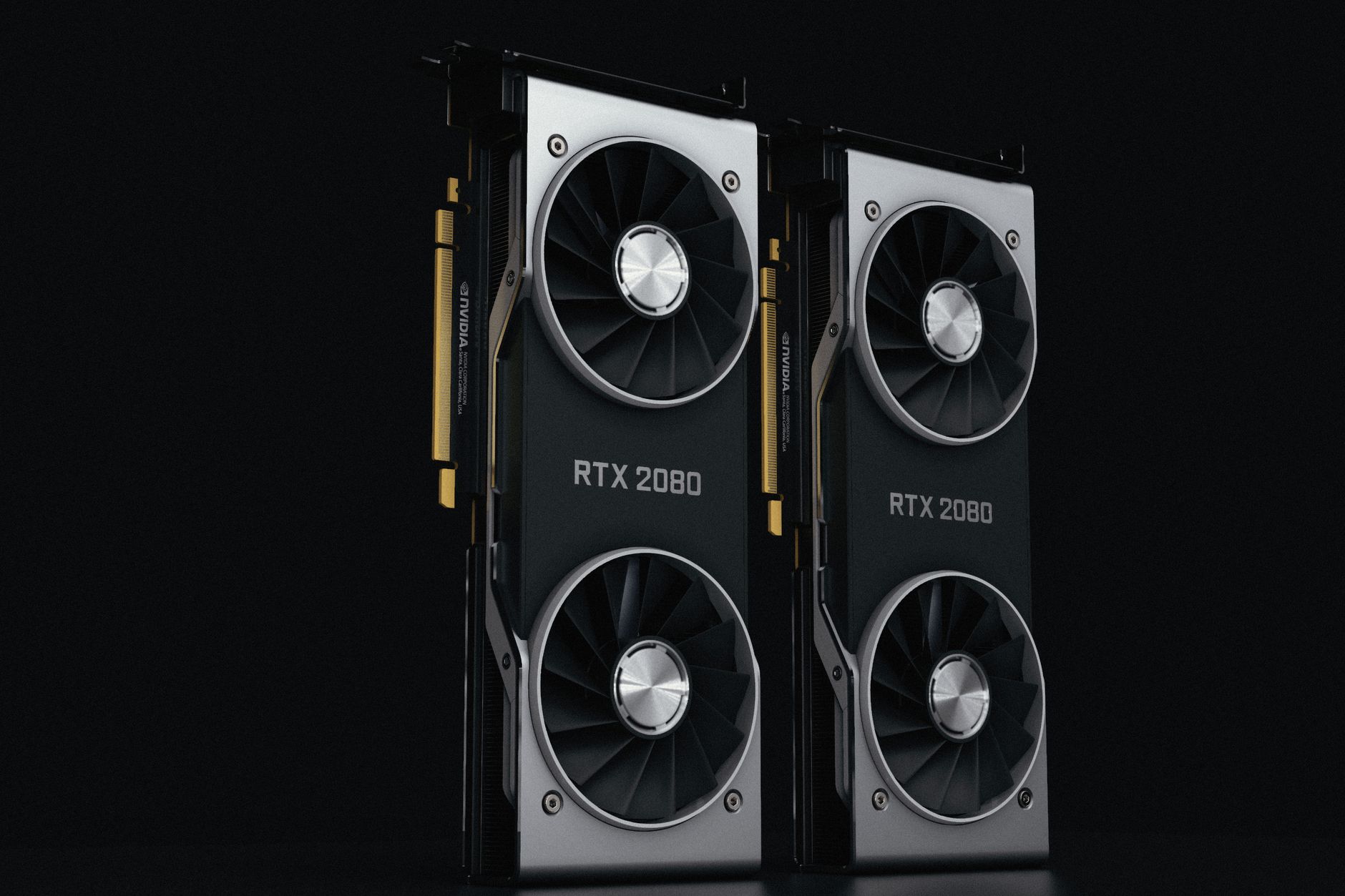
Nvidia is reportedly in talks to acquire Hugging Face for $13 billion, according to an August 2026 Business Insider article Business Insider, 2026. This acquisition signifies Nvidia's aggressive expansion beyond its traditional hardware business, aiming to integrate the full AI software stack into its offerings. The move signals a significant consolidation of power among major tech companies in the AI market, poised to reshape the open-source AI landscape and alter competitive strategies and venture capital trends.
Quick takeaways
- Nvidia's reported $13 billion acquisition of Hugging Face represents a strategic pivot from hardware dominance to comprehensive AI software stack control.
- The deal is projected to significantly reshape the open-source AI landscape, potentially impacting access, collaboration, and the future availability of development tools for startups.
- This consolidation of power among major tech companies will likely trigger a re-evaluation of venture capital strategies, shifting investment focus and altering market entry barriers.
- Founders must prepare for an evolving competitive environment where integrated hardware-software ecosystems challenge independent AI development and innovation.
- The acquisition underscores a trend towards vertical integration in AI, compelling startups to reconsider platform dependencies and long-term strategic positioning.
The Deal: Nvidia's Strategic Leap into Software
Nvidia, a global leader in graphics processing unit (GPU) technology, is reportedly in discussions to acquire Hugging Face for $13 billion, as detailed in an August 2026 Business Insider report Business Insider, 2026. This sum underscores Nvidia's strategic value in expanding its influence beyond its core hardware business. Nvidia's GPUs serve as the computational backbone for most advanced AI training and inference workloads, establishing the company as an indispensable component in the AI infrastructure layer. The reported acquisition signals a strategic intent to move beyond this foundational role, aggressively expanding into the full AI software stack Business Insider, 2026.
Hugging Face is a prominent platform crucial for sharing and collaborating on machine learning models, datasets, and applications within the open-source AI community. It is a central hub where developers, researchers, and companies discover, utilize, and contribute to a vast repository of AI tools and resources. This platform has become integral to the workflow of countless AI startups and enterprises building on open-source foundations. By integrating Hugging Face, Nvidia aims to create a vertically integrated AI ecosystem, combining its powerful hardware with a dominant software platform. This move offers a comprehensive, end-to-end solution for AI development and deployment, from the underlying silicon to the application layer.
The acquisition represents more than a financial transaction; it declares Nvidia's ambition to control a larger share of the AI value chain. For years, Nvidia has provided the essential compute infrastructure, enabling others to build and innovate. With Hugging Face, Nvidia would directly influence the tools, models, and datasets developers use, potentially creating a more cohesive, albeit more centralized, AI development environment. This shift is not merely about market share; it is about architectural control and shaping the future direction of AI innovation by owning both the engine and a significant portion of the blueprint. The reported deal signifies Nvidia's strategic expansion beyond its traditional hardware business, integrating the full AI software stack into its offerings Business Insider, 2026.
Reshaping the Open-Source AI Landscape
The reported $13 billion acquisition of Hugging Face by Nvidia is projected to reshape the open-source AI landscape significantly Business Insider, 2026. Hugging Face's prominence stems from its role as a vital platform for sharing and collaborating on machine learning models, datasets, and applications within the open-source AI community. Its neutrality and community-driven ethos have fostered widespread adoption, making it a cornerstone for independent developers, academic researchers, and startups alike. The platform has democratized access to advanced AI models, enabling smaller entities to leverage state-of-the-art technology without vast internal resources.
Integrating such a central open-source hub into a large, publicly traded hardware company like Nvidia raises questions about the platform's future governance and direction. While Nvidia has historically supported open-source initiatives, the commercial imperatives of a $13 billion acquisition could introduce new dynamics. The deal is expected to impact the future development and availability of AI development tools [Business Insider, 2026](https://www.businessinsider.com/nvidia-in-talks-to-buy-hugging-face-13-billion-dollars-2026-8]. This could manifest in several ways: Nvidia might prioritize integration with its proprietary hardware and software frameworks, potentially influencing which models receive optimal support or visibility. It could also lead to a shift in the platform's focus, moving towards more commercially viable applications rather than purely community-driven research.
For smaller AI startups and independent developers, the implications are substantial. Many rely on Hugging Face as a primary discovery and deployment channel for their models and applications. A change in ownership could alter engagement terms, criteria for model visibility, or even the underlying technical infrastructure. While Nvidia's resources could accelerate certain aspects of Hugging Face's development, concerns may arise regarding potential vendor lock-in or a reduced emphasis on truly open, hardware-agnostic solutions. The open-source community thrives on transparency and decentralized control. Transferring a key platform like Hugging Face to a single corporate entity, regardless of its past open-source contributions, inherently introduces a degree of centralization that could be seen as counter to the traditional spirit of open collaboration. Founders building on open-source AI must now consider the potential for a more integrated, and potentially less neutral, ecosystem. This shift necessitates re-evaluating their dependencies and strategies for engaging with a critical resource that may soon operate under new strategic directives.
Consolidation and Competitive Strategies
The reported acquisition of Hugging Face by Nvidia for $13 billion would lead to substantial consolidation of power among major tech companies in the AI market Business Insider, 2026. Nvidia's existing dominance in GPU technology, which provides the computational backbone for most advanced AI, already positions it at the heart of the industry. By adding Hugging Face, a crucial platform for AI software development and model distribution, Nvidia would create a formidable, vertically integrated ecosystem. This move would allow Nvidia to offer an end-to-end solution, from the foundational silicon to the widely-used software tools and models, potentially making its platform even more attractive and sticky for developers.
This level of integration offers a significant competitive advantage. It would allow Nvidia to optimize its hardware and software in tandem, potentially leading to performance benefits that competitors offering only parts of the stack might struggle to match. The deal is expected to impact the future development and availability of AI development tools Business Insider, 2026. This control over both compute and a major distribution channel for AI models could allow Nvidia to set de facto standards for AI development, influencing how models are built, shared, and deployed. For founders, this means navigating a landscape where one major player possesses deep and broad control over critical infrastructure and popular development tools.
Competitive strategies among AI giants would likely undergo significant shifts following such an acquisition Business Insider, 2026. Other major tech companies, some of whom also offer AI hardware, cloud services, and their own model hubs, would be compelled to respond. This could trigger a new wave of strategic acquisitions, increased investment in proprietary AI ecosystems, or heightened competition in specific layers of the AI stack. Companies that previously relied on Hugging Face as a neutral platform might now seek to bolster alternative open-source initiatives or develop their own model repositories to avoid over-reliance on a Nvidia-controlled entity. Startups competing in the AI tools or model-sharing space would face a much larger, more integrated competitor with significant resources and market leverage. The pressure to differentiate, specialize, or find niche areas not directly addressed by this integrated behemoth would intensify. This consolidation underscores a broader trend in the tech industry where leading players seek to control entire value chains to maximize competitive advantage and erect higher barriers to entry for new players.
Venture Capital Re-evaluation in AI
The reported $13 billion acquisition of Hugging Face by Nvidia is anticipated to trigger a re-evaluation of venture capital trends in the AI sector Business Insider, 2026. The profound market consolidation signified by this deal will inevitably alter how investors perceive opportunities, risks, and potential exit strategies within the AI landscape. For years, venture capital has poured into AI startups across various layers of the stack, from foundational models and developer tools to specialized applications. Hugging Face, as a critical enabler of open-source AI development, represented a significant investment area itself. Its acquisition by a hardware giant like Nvidia fundamentally shifts competitive dynamics.
Venture capitalists typically seek clear pathways to market leadership and lucrative exits. In a consolidated market, the path for independent startups, especially those building core infrastructure or developer tools that might now compete directly with Nvidia's integrated offering, becomes significantly more challenging. Investors may become warier of funding companies that could easily be overshadowed or acquired by a dominant player, unless those startups offer truly differentiated technology or address highly niche markets. This might lead to a shift in investment focus. Instead of backing startups developing broad AI platforms or open-source alternatives to Hugging Face, VCs might prioritize companies building highly specific AI applications, vertical-specific solutions, or services layers that leverage, rather than compete with, the consolidated ecosystems.
The valuation landscape for early-stage AI companies could also undergo adjustments. With a major exit like Hugging Face's, there might be a temporary boost in optimism for other AI infrastructure plays. However, the long-term effect of increased consolidation often means fewer independent acquisition targets for large tech companies, as these giants build out their own integrated stacks. This could reduce the pool of potential acquirers for certain types of startups, impacting their ultimate valuation potential. Additionally, VCs might increasingly look for startups that demonstrate clear defensibility, either through proprietary data, unique algorithmic breakthroughs, or strong community engagement that cannot be easily replicated by integrated giants. The deal underscores the increasing capital intensity of competing at the foundational layers of AI, making it harder for independent startups to raise sufficient capital to rival well-resourced incumbents. This re-evaluation will force founders to articulate a clearer value proposition that acknowledges and navigates the presence of vertically integrated behemoths, influencing fundraising strategies and long-term business models.
Implications for Founders and AI Development
The reported $13 billion acquisition of Hugging Face by Nvidia carries significant implications for startup founders and the broader trajectory of AI development Business Insider, 2026. This move solidifies Nvidia's aggressive expansion beyond its hardware stronghold into the full AI software stack, creating a powerful, integrated ecosystem Business Insider, 2026. For founders building AI products or services, this means a fundamental shift in their operating landscape.
One immediate impact will be on technology choices and platform dependencies. Hugging Face is a prominent platform crucial for sharing and collaborating on machine learning models, datasets, and applications within the open-source AI community. Founders who have built their solutions relying heavily on Hugging Face's neutrality and open access must now consider its future under corporate ownership. While Nvidia's resources could enhance the platform, there is also the potential for increased integration with Nvidia's proprietary tools and hardware, which could lead to a less hardware-agnostic development environment. Founders might need to assess vendor lock-in risks and explore strategies to diversify their technical stack, potentially by supporting alternative open-source initiatives or building more robust internal capabilities. The deal is expected to impact the future development and availability of AI development tools Business Insider, 2026.
Furthermore, the consolidation of power among major tech companies in the AI market will intensify competition Business Insider, 2026. Startups building developer tools, model platforms, or foundational AI services will find themselves competing against a well-resourced and vertically integrated giant. This necessitates a sharper focus on differentiation. Founders should seek niche opportunities, specific industry verticals, or novel application layers where the integrated offerings of larger players may not fully cater. Building deep domain expertise or developing highly specialized AI models that address underserved markets could become critical for survival and growth.
Talent acquisition strategies may also need adjustment. As Nvidia strengthens its position in the software stack, it could attract top AI engineering talent, making it harder for startups to compete for skilled professionals. Founders will need to emphasize unique company culture, compelling mission, and significant growth opportunities to draw in and retain talent. Ultimately, this acquisition signals a maturing AI market where foundational infrastructure and core tooling are increasingly controlled by a few dominant players. Founders must navigate this evolving landscape by cultivating strong defensibility, strategic partnerships, and an agile approach to technology adoption, ensuring their innovations can thrive amidst increased consolidation and competition.
FAQ
Q1: What is the reported acquisition value of Hugging Face by Nvidia? A1: Nvidia is reportedly in talks to acquire Hugging Face for $13 billion, according to a Business Insider article dated August 2026 Business Insider, 2026.
Q2: Why is Nvidia acquiring Hugging Face? A2: The hypothetical acquisition signifies Nvidia's aggressive expansion strategy beyond its traditional hardware business (GPUs) to integrate the full AI software stack into its offerings Business Insider, 2026. This aims to create a vertically integrated AI ecosystem.
Q3: How will this acquisition impact the open-source AI community? A3: This acquisition is projected to reshape the open-source AI landscape significantly, as Hugging Face is a prominent platform crucial for sharing and collaborating on machine learning models, datasets, and applications Business Insider, 2026. It is expected to impact the future development and availability of AI development tools.
Q4: What are the implications for venture capital funding in AI? A4: Venture capital trends in the AI sector are anticipated to be re-evaluated in light of this market consolidation Business Insider, 2026. Investors may shift focus to specialized applications or areas less directly competitive with integrated giants.
Q5: How does this deal affect competitive dynamics in the AI market? A5: Such a move would lead to substantial consolidation of power among major tech companies in the AI market. Competitive strategies among AI giants would likely undergo significant shifts, with increased vertical integration and intensified competition across the AI stack Business Insider, 2026.
Continue reading



Are you building something worth writing about? Submit your founder story →