
Deep Fission IPO Signals Advanced Nuclear Comeback Powering the AI Boom
Deep Fission's IPO signals growing investor confidence in advanced nuclear technology, positioning it to meet the massive energy demands of AI data centers and critical infrastructure.
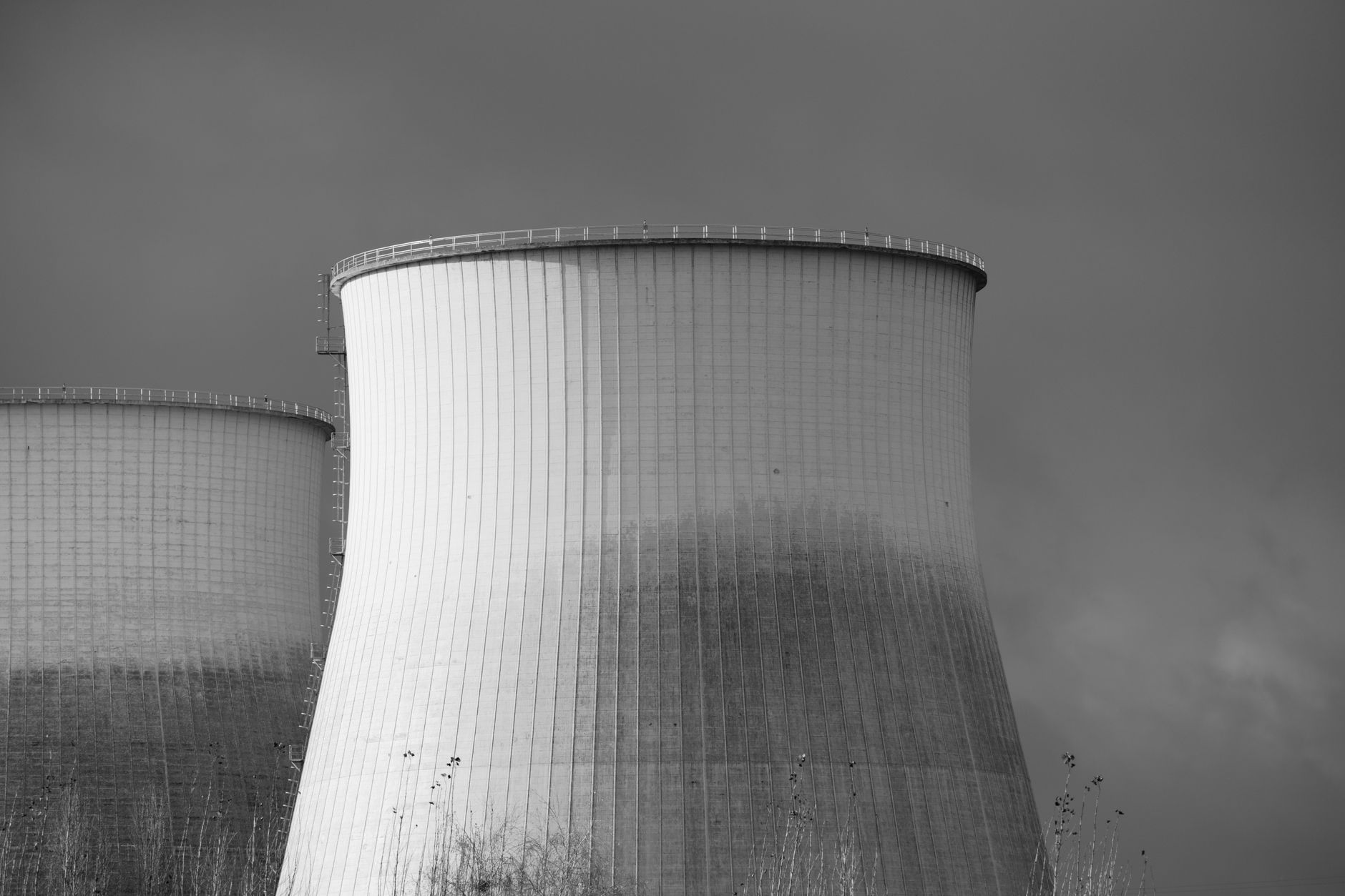
Berkeley-based Deep Fission, a startup developing advanced nuclear reactor technology, has recently filed for an Initial Public Offering (IPO), as reported on June 6, 2024 [The Jerusalem Post, 2024]. This move signals a significant increase in investor confidence for the advanced nuclear sector, highlighting a potential pathway for other deep tech founders in capital-intensive industries to access public markets and address critical infrastructure needs, particularly the escalating energy demands from sectors like artificial intelligence.
Quick takeaways
- Deep Fission's IPO filing indicates a growing investor appetite for advanced nuclear reactor technology as a carbon-free energy solution.
- The company aims to address the rapidly escalating power demands from AI-driven data centers, cryptocurrency mining, and large-scale manufacturing.
- Deep Fission specializes in advanced reactor designs, including molten salt reactors and potentially fusion-fission hybrid reactors.
- The IPO positions Deep Fission alongside other advanced nuclear players like Oklo Inc., TerraPower, and NuScale Power, signaling a broader resurgence for nuclear power.
- The move underscores that public markets are increasingly willing to back long-term, capital-intensive ventures critical for future energy infrastructure.
The Nuclear Comeback: Deep Fission's Public Market Entry
For founders navigating other capital-intensive, deep technology sectors, Deep Fission's IPO provides a case study.
Deep Fission's decision to pursue an Initial Public Offering marks a pivotal moment for the advanced nuclear energy sector. Based in Berkeley, California, the company's public market debut, reported on June 6, 2024, is more than just a capital raise; it is a clear indicator that investor sentiment towards nuclear power, long viewed with skepticism due to historical challenges and high costs, is shifting [The Jerusalem Post, 2024]. This filing signals increasing investor confidence specifically in advanced nuclear reactor technology, a segment that promises smaller, safer, and more efficient designs compared to the large, conventional nuclear plants of the past [The Jerusalem Post, 2024].
Deep Fission specializes in these advanced reactor designs, notably molten salt reactors and potentially fusion-fission hybrid reactors [The Jerusalem Post, 2024]. Molten salt reactors, for instance, offer inherent safety advantages and the potential for greater fuel efficiency, while fusion-fission hybrids aim to combine the best aspects of both nuclear fission and fusion processes. These technological advancements are critical for attracting the kind of capital required to bring such complex infrastructure projects to fruition. For founders navigating other capital-intensive, deep technology sectors, Deep Fission's IPO provides a case study. It demonstrates that public markets can be receptive to ventures with long development cycles and significant upfront costs, provided they address a pressing market need with innovative solutions. The 'comeback' of nuclear power, as suggested by the filing, is not merely a return to old technologies, but a re-imagining of nuclear energy through advanced engineering and a focus on scalability and reliability [The Jerusalem Post, 2024]. This renewed interest from investors is driven by a confluence of factors, including the urgent need for carbon-free energy sources to combat climate change, the desire for energy independence, and the emergence of new, massive electricity demands that intermittent renewable sources alone cannot consistently satisfy. The public market's endorsement of Deep Fission through an IPO validates the notion that advanced nuclear technology is no longer a niche concept but a viable, fundable solution for global energy challenges. This shift could open doors for other startups in areas like energy storage, grid modernization, and advanced materials, all of which are interconnected with the deployment of new power generation sources. The success of Deep Fission's IPO will be closely watched by founders and investors alike, as it could set a precedent for how deep tech companies, especially those in highly regulated and capital-intensive fields, can scale and commercialize their innovations. It suggests a growing maturity in the market's understanding of the strategic importance of reliable, high-density power generation, moving beyond short-term returns to focus on foundational infrastructure.
Powering the AI Boom: A New Demand Driver for Nuclear
The advent of artificial intelligence, particularly large language models and generative AI, has ushered in an unprecedented surge in demand for computational power, and consequently, electrical energy. Deep Fission's advanced nuclear technology is strategically positioned to address the rapidly growing energy demands from sectors such as AI-driven data centers, cryptocurrency mining, and large-scale manufacturing [The Jerusalem Post, 2024]. These industries require not only vast amounts of power but also a consistent, uninterrupted supply that traditional intermittent renewable sources struggle to provide without extensive and costly battery storage solutions. Experts now indicate that AI data centers alone could require 'hundreds of gigawatts' of new power generation, a figure that dwarfs the current capacity of many regional grids [The Jerusalem Post, 2024]. To put this into perspective, a single gigawatt can power hundreds of thousands of homes. The demand for hundreds of gigawatts implies the need for numerous new power plants, highlighting the scale of the challenge.
The unique characteristics of AI workloads—24/7 operation, high-density computing, and low tolerance for downtime—make compact and reliable energy sources crucial [The Jerusalem Post, 2024]. Advanced nuclear reactors, with their ability to operate continuously for extended periods without interruption, offer a compelling solution. Unlike solar or wind farms, which depend on weather conditions, nuclear plants provide baseload power, ensuring a steady supply regardless of external factors. This consistency is paramount for data centers where even brief power outages can lead to significant data loss, operational disruptions, and financial penalties. For founders building AI infrastructure, or even AI applications that require substantial compute, the availability and cost of power are becoming as critical as chip design or software optimization. The energy footprint of AI is no longer a peripheral concern but a central strategic consideration. Deep Fission's focus on this specific market need positions it as a critical infrastructure provider for the digital economy.
The implications extend beyond just AI data centers. Cryptocurrency mining, another energy-intensive sector, also seeks reliable and affordable power sources to maintain profitability and operational stability. Similarly, the reshoring of large-scale manufacturing and the electrification of industrial processes are creating new demands for high-density, consistent energy. These sectors cannot tolerate the variability inherent in some renewable energy sources. This fundamental shift in energy demand dynamics creates a significant market opportunity for advanced nuclear companies. Founders in adjacent fields, such as data center design, grid management software, or advanced cooling solutions, should recognize this trend. The increased deployment of compact nuclear reactors near load centers—such as major data center hubs or industrial parks—could redefine energy distribution models and site selection strategies for energy-intensive enterprises. This emerging synergy between advanced nuclear technology and the burgeoning AI economy represents a powerful narrative for investors and a clear path for commercialization that addresses a quantifiable and rapidly growing market need. The ability of companies like Deep Fission to deliver consistent, high-density power directly to these critical sectors could fundamentally alter the economics and sustainability of the AI revolution, making nuclear energy an indispensable component of future technological growth.
The Advanced Reactor Landscape: Deep Fission Among Peers
Deep Fission's IPO filing places it squarely within a burgeoning field of advanced nuclear companies vying to redefine the energy landscape. The Berkeley-based startup, with its focus on molten salt and potentially fusion-fission hybrid reactors, is not alone in attracting investor interest and media attention [The Jerusalem Post, 2024]. It is positioned among other notable advanced nuclear players such as Oklo Inc., TerraPower (backed by Bill Gates), and NuScale Power [The Jerusalem Post, 2024]. Each of these companies represents a distinct approach to innovating nuclear technology, yet they share the common goal of delivering reliable, carbon-free energy solutions.
Oklo Inc., for example, has been developing small advanced fission reactors, often called microreactors, designed for specific applications like remote communities, industrial sites, or even data centers. Their strategy emphasizes modularity and factory fabrication to reduce construction times and costs, a significant departure from the bespoke nature of traditional nuclear plants. Similarly, TerraPower, founded by Bill Gates, is exploring advanced reactor designs, including the Natrium reactor, which utilizes a molten salt energy storage system to provide flexible power output. This flexibility is crucial for integrating with variable renewable energy sources and meeting fluctuating grid demands. NuScale Power, on the other hand, is a leader in Small Modular Reactor (SMR) technology, having already received regulatory approval for its design in the United States. NuScale's SMRs are designed to be built in factories and shipped to sites, allowing for scalability and reduced construction risk compared to larger, custom-built reactors. Their focus is on providing power to a wider range of customers, from utilities to industrial users, with a smaller physical footprint.
Deep Fission differentiates itself by focusing on molten salt reactors, which offer inherent safety features, efficient fuel utilization, and the potential for waste reduction, and potentially fusion-fission hybrid reactors, which aim for even greater energy output and reduced long-lived radioactive waste. While the specific details of Deep Fission's commercialization timeline or specific reactor scale are not disclosed in the available facts, its inclusion alongside these established names underscores the diversity and vitality of the advanced nuclear ecosystem. The collective movement of these companies towards public markets or significant private funding rounds highlights several key trends. Firstly, there is a growing consensus that incremental improvements to existing energy infrastructure will not suffice to meet future demands, particularly from sectors like AI. Secondly, technological advancements, coupled with a renewed focus on safety and efficiency, are making advanced nuclear designs more viable and attractive. Finally, the long-term capital intensity of developing and deploying nuclear technology necessitates access to substantial funding, making IPOs and strategic partnerships essential. For founders in this space, understanding the nuances of each competitor's technology, regulatory strategy, and market focus is crucial. The competition is not just for market share but also for limited regulatory resources and public acceptance. The success of one player in achieving commercial deployment or regulatory milestones often creates positive externalities for the entire sector, demonstrating feasibility and building confidence among broader investor pools. The landscape is dynamic, with innovation occurring across reactor types, fuel cycles, and deployment models, all pointing towards a future where nuclear power plays a diversified and expanded role in the global energy mix.
Capitalizing on Climate and Reliability Needs: Investor Thesis
The investor thesis behind the renewed interest in advanced nuclear technology, as evidenced by Deep Fission's IPO filing, is multifaceted, addressing both environmental imperatives and critical infrastructure demands. At its core, the investment in companies like Deep Fission is driven by the urgent need for reliable, carbon-free energy sources [The Jerusalem Post, 2024]. As global climate targets become more stringent, and the limitations of intermittent renewable energy sources for constant baseload power become clearer, nuclear power re-emerges as a compelling solution. Unlike fossil fuels, nuclear fission produces no greenhouse gas emissions during operation, offering a pathway to decarbonize electricity grids and heavy industry. This environmental benefit alone provides a strong long-term investment rationale, aligning with ESG (Environmental, Social, and Governance) principles that are increasingly influencing institutional capital allocation.
Beyond climate concerns, the demand for consistent, high-density power from sectors such as AI-driven data centers and large-scale manufacturing forms a powerful economic driver for advanced nuclear options [The Jerusalem Post, 2024]. These industries cannot tolerate the variability of solar or wind power; they require a constant, predictable energy supply to operate efficiently and avoid costly downtime. Nuclear reactors are uniquely positioned to meet this need, operating at high capacity factors for extended periods. This reliability translates directly into operational stability and cost predictability for energy consumers, which is a significant value proposition for investors. The IPO filing by Deep Fission suggests a broader potential 'comeback' for nuclear power, indicating that investors are increasingly convinced of its strategic importance as a foundational element of future energy infrastructure [The Jerusalem Post, 2024]. This confidence is built on the promise of advanced designs—such as molten salt reactors and fusion-fission hybrids—that offer enhanced safety, smaller footprints, and potentially lower construction costs compared to conventional gigawatt-scale plants. These innovations address some of the historical drawbacks of nuclear power, making it a more attractive and manageable investment.
For founders in other capital-intensive, long-horizon sectors—ranging from space exploration to biotechnology—Deep Fission's IPO offers crucial insights. It demonstrates that public markets are capable of valuing and funding ventures with extended development timelines and significant upfront capital requirements, provided there is a clear, long-term market need and a credible technological solution. This signals a maturation in investor thinking, moving beyond short-term revenue generation to embrace foundational technologies that address systemic global challenges. The willingness of investors to back nuclear ventures indicates a belief in their ability to navigate complex regulatory environments, manage large-scale engineering projects, and ultimately deliver a product with immense societal and economic value. The investor thesis, therefore, blends environmental responsibility with economic necessity, positioning advanced nuclear companies like Deep Fission as critical enablers of both a sustainable future and the continued growth of the digital economy. This confluence of factors creates a compelling opportunity for founders to attract capital for technologies that, while complex, promise transformative impacts.
Challenges and Opportunities for New Nuclear Ventures
While Deep Fission's IPO filing signals significant investor confidence and a potential 'comeback' for nuclear power, the path for new nuclear ventures remains fraught with distinct challenges alongside immense opportunities. For founders entering or scaling in this highly regulated and capital-intensive sector, understanding these dynamics is crucial. One of the primary challenges lies in the stringent regulatory environment. Nuclear power is subject to intense oversight, with licensing, safety protocols, and waste management requiring extensive time, resources, and expertise. Navigating these regulatory hurdles can extend development timelines significantly, pushing out the horizon for revenue generation and testing the patience of investors. The historical perception of nuclear power, often linked to high costs and construction delays, also presents a challenge, requiring companies to actively build public trust and demonstrate the enhanced safety and efficiency of advanced reactor designs.
Furthermore, the sheer capital intensity of nuclear projects remains a barrier to entry for many. Even with advanced designs promising smaller scales and modular construction, the research, development, testing, and deployment of a commercial nuclear reactor require billions of dollars over many years. This necessitates robust funding strategies, whether through venture capital, strategic partnerships, government grants, or, as Deep Fission is demonstrating, public market access. Supply chain development is another critical area; building a new nuclear ecosystem requires specialized materials, manufacturing capabilities, and a skilled workforce, all of which need to be scaled up to support widespread deployment.
Despite these challenges, the opportunities for new nuclear ventures are substantial and growing. The most significant opportunity stems from the escalating global demand for consistent, high-density, carbon-free energy, particularly from sectors like AI-driven data centers and large-scale manufacturing [The Jerusalem Post, 2024]. This demand provides a clear and compelling market for advanced nuclear solutions. Technological advancements, such as Deep Fission's focus on molten salt reactors and fusion-fission hybrids, are making reactors inherently safer, more efficient, and potentially more economical to build and operate. These innovations address many of the historical criticisms of nuclear power, opening new possibilities for deployment in diverse locations and applications.
Moreover, there is increasing government support globally for nuclear energy as a crucial component of decarbonization strategies and energy independence. This support can manifest in research funding, loan guarantees, and streamlined regulatory processes, providing a more favorable environment for innovation. The very long operational lifespan of nuclear plants—often 60 years or more—offers a stable, long-term revenue stream once operational, making them attractive assets for infrastructure investors. For founders in other highly regulated or capital-intensive industries, Deep Fission's IPO serves as a potent example that patient capital and public market confidence can be secured for foundational technologies. It highlights the importance of a clear value proposition, a robust technological roadmap, and the ability to articulate how a complex solution addresses a critical, undeniable market need. The success of Deep Fission and its peers will pave the way not just for more nuclear energy but also for a broader acceptance of deep tech solutions that require significant upfront investment but promise transformative societal and economic returns.
FAQ
Q: What type of technology does Deep Fission specialize in? A: Deep Fission focuses on advanced reactor designs, including molten salt reactors and potentially fusion-fission hybrid reactors [The Jerusalem Post, 2024].
Q: Why is Deep Fission's IPO significant for the energy sector? A: The IPO signals increasing investor confidence in advanced nuclear reactor technology and positions nuclear power for a potential 'comeback' as a carbon-free, reliable energy source, especially for high-demand sectors [The Jerusalem Post, 2024].
Q: Which sectors are driving the demand for advanced nuclear energy? A: Rapidly growing energy demands from AI-driven data centers, cryptocurrency mining, and large-scale manufacturing are key drivers, requiring consistent, high-density power that advanced nuclear options can provide [The Jerusalem Post, 2024].
Q: Who are some of Deep Fission's competitors in the advanced nuclear space? A: Deep Fission is positioned among other advanced nuclear companies such as Oklo Inc., TerraPower (backed by Bill Gates), and NuScale Power [The Jerusalem Post, 2024].
Q: How much power are AI data centers expected to require in the future? A: Experts indicate that AI data centers alone could require 'hundreds of gigawatts' of new power generation, making compact and reliable sources crucial [The Jerusalem Post, 2024].
More from The Entrepreneur Story: browse the capital desk or read our latest founder profiles.
Continue reading


The Entrepreneur Story
Is your story worth telling?
We feature founders who are building something real. Apply and we'll be in touch.
Apply to be featured →Stay sharp.
Ideas that move.
Founder stories, emerging ventures, and essays on what's next — straight to your inbox.
Unsubscribe any time.