
Anduril's $100 Billion Valuation Signals Defense Tech Shift A new era for defense AI
Anduril Industries is reportedly raising at a $100 billion valuation, more than triple last year. The round signals how quickly venture capital is repricing defense AI.
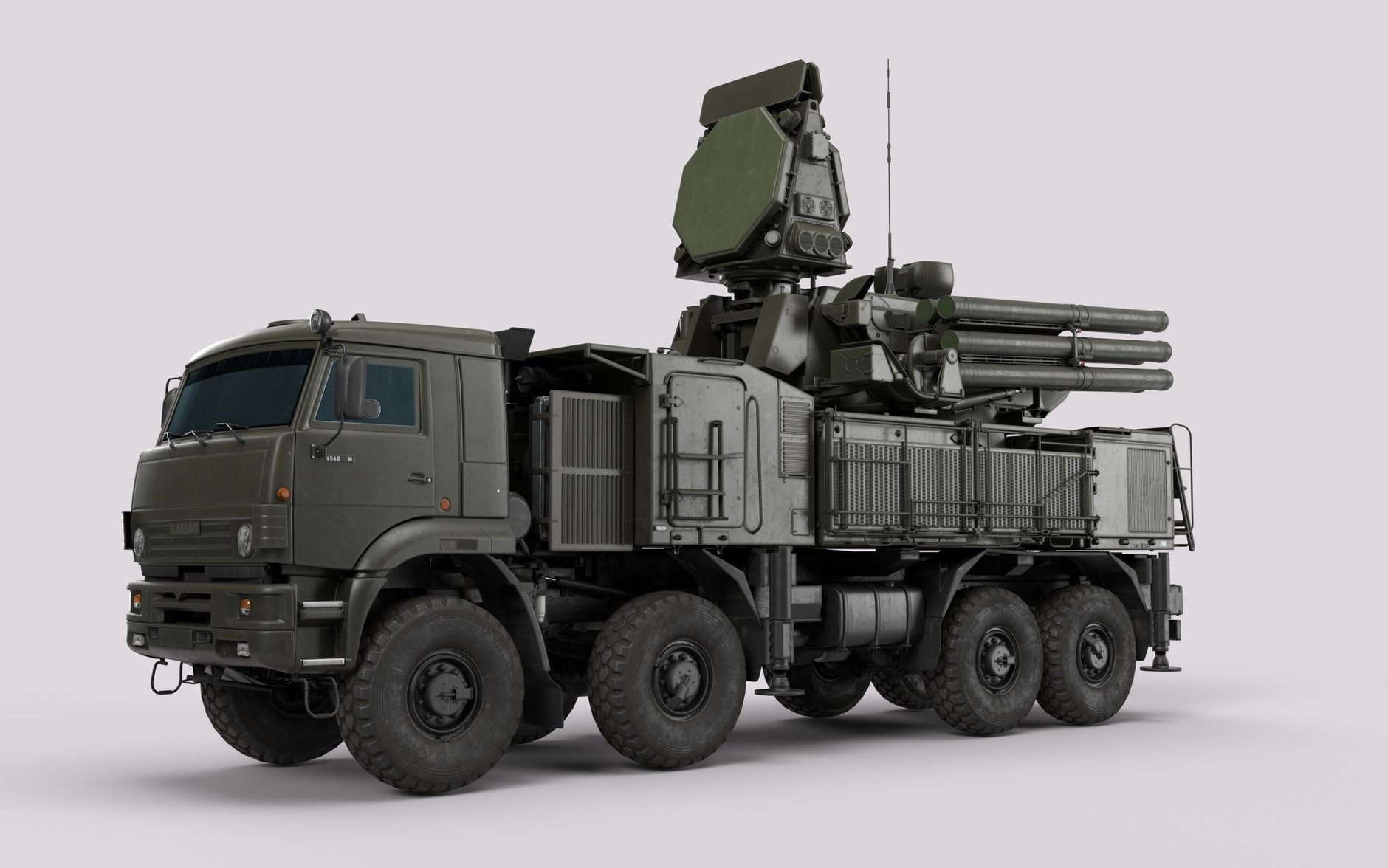
Anduril Industries, founded by Palmer Luckey, is reportedly in discussions to raise funding at a valuation of $100 billion, a figure that would represent more than three times its valuation from the previous year TechCrunch, 2026. This potential mega-valuation signals a significant shift in venture capital appetite, demonstrating increased investor confidence in defense AI startups and the strategic importance of modernizing military technology. For founders, Anduril's trajectory underscores both the immense opportunity and the unique challenges inherent in building companies that serve the defense sector, particularly those leveraging deep technology.
Quick takeaways:
- Anduril's rumored $100 billion valuation marks a rapid ascent, more than tripling its previous year's valuation and highlighting surging investor interest in defense AI TechCrunch, 2026.
- The company's focus on AI-powered defense technology addresses a critical need for modernizing military infrastructure amidst global tensions, driving significant capital flow into the sector Breaking Defense, 2024.
- Defense tech startups face specific hurdles, including lengthy government procurement cycles and complex regulatory environments, which successful companies like Anduril must navigate TechCrunch, 2026.
- This valuation trend suggests a broader venture capital pivot towards deep tech and strategic defense sectors, potentially opening new avenues for founders building complex, mission-critical technologies TechCrunch, 2026.
Anduril's Ascendant Valuation: A Defense Tech Bellwether
Anduril Industries stands at the forefront of a burgeoning defense technology sector, with reports indicating the company is seeking a funding round that could push its valuation to an unprecedented $100 billion TechCrunch, 2026. This figure would represent a dramatic acceleration, more than tripling its valuation from the previous year. In December 2022, Anduril raised $1.48 billion, valuing the company at $8.48 billion TechCrunch, 2022. Just a year later, in December 2023, the company secured another $1.5 billion in Series F funding, which elevated its valuation to $10.5 billion Axios, 2023. The rumored $100 billion valuation underscores a rapid and significant escalation in investor confidence, positioning Anduril as a critical player in the modernization of global defense infrastructure.
For founders, Anduril's valuation trajectory serves as a potent case study. It demonstrates that substantial capital can be attracted to sectors traditionally viewed as slow-moving or overly bureaucratic, provided a company offers genuinely disruptive technology and demonstrates an ability to execute within that complex environment. The jump from $10.5 billion to a potential $100 billion in a relatively short period suggests that investors are not merely betting on incremental improvements but on a fundamental shift in how defense capabilities are developed and deployed. This shift is driven by the core focus of Anduril: developing AI-powered defense technology for military forces TechCrunch, 2026. The company's success indicates a growing recognition that advanced AI is no longer an optional upgrade but a strategic imperative for national security, attracting a new class of venture capital investment willing to back ambitious, capital-intensive projects in deep tech. This also suggests that the market is willing to assign premium valuations to companies that can bridge the gap between Silicon Valley innovation and the specific, demanding requirements of government clients.
Palmer Luckey's Trajectory: From VR to Defense AI
Palmer Luckey, the founder of Anduril Industries, brings a distinct entrepreneurial background to the defense technology sector. Luckey first rose to prominence as the co-founder of Oculus, a virtual reality company that was acquired by Facebook for $2 billion in 2014. His pivot from consumer-facing virtual reality to defense AI represents a calculated move into a sector with high stakes and unique challenges. After his departure from Oculus, Luckey founded Anduril with the explicit goal of modernizing military technology using advanced software and artificial intelligence. This decision was not merely a change of industry, but a commitment to building complex, mission-critical systems for government clients, a stark contrast to the rapid iteration cycles often seen in consumer tech.
The stakes in defense technology are inherently higher. Products developed by companies like Anduril are designed to protect national security, requiring rigorous testing, compliance with strict regulations, and an understanding of long government procurement cycles. Luckey's decision to enter this space reflects a belief that traditional defense contractors were not innovating quickly enough to meet contemporary threats, creating a market gap for agile, software-first companies. His background in developing cutting-edge technology at Oculus provided him with insights into rapid development and deployment, which he then applied to the defense sector. This shift highlights a broader trend: entrepreneurs from mainstream technology are increasingly turning their attention to deep tech sectors, including defense, energy, and aerospace, where the impact can be profound but the path to market differs significantly. For other founders, Luckey's journey underscores the value of adaptability and the courage to tackle complex, underserved markets. It also demonstrates that a founder's prior experience, even in seemingly unrelated fields, can provide a valuable foundation for navigating new, challenging industries, especially when that experience involves pushing technological boundaries and building significant companies.
The Defense AI Opportunity: Modernization and Global Tensions
The surging investor appetite for defense AI startups, exemplified by Anduril's potential $100 billion valuation, is not coincidental. It is driven by a confluence of factors, primarily the urgent need for modernizing defense infrastructure and increasing global tensions Breaking Defense, 2024. Traditional defense systems often rely on legacy hardware and software, which struggle to keep pace with the rapid advancements in adversarial capabilities. This creates a significant market gap for companies that can integrate cutting-edge artificial intelligence into defense applications, from autonomous systems and surveillance to data analysis and command-and-control. Anduril's core focus on developing AI-powered defense technology directly addresses this need, offering military forces tools that are more adaptable, efficient, and intelligent than their predecessors TechCrunch, 2026.
The increasing instability across various geopolitical landscapes further amplifies this demand. Nations are actively seeking technological superiority and robust defense capabilities to deter aggression and respond effectively to emerging threats. This strategic imperative translates into significant government spending and a willingness to engage with innovative private sector companies. The Pentagon, for instance, has been actively seeking partnerships with Silicon Valley AI companies like Anduril to integrate advanced technology into defense operations WSJ, 2024. This proactive outreach signals a shift from traditional, closed defense procurement models to a more open approach that embraces commercial innovation. For founders considering the defense sector, this environment presents a compelling opportunity. It indicates that governments are not just buyers of technology but also potential collaborators, seeking solutions that can be developed and deployed more rapidly than through conventional channels. The demand is clear, the funding is flowing, and the strategic importance is undeniable, making defense AI a critical growth area for deep tech startups.
Navigating the Defense Sector: Challenges and Strategic Partnerships
While the opportunities in defense AI are substantial, companies operating in this sector face unique and formidable challenges. Two primary hurdles stand out: lengthy government procurement cycles and complex regulatory environments TechCrunch, 2026. Unlike commercial markets where product-market fit can be validated and scaled rapidly, selling to governments involves extended periods of proposal submissions, evaluations, and contract negotiations. These cycles can span years, demanding significant upfront investment and patience from startups. This extended timeline affects everything from cash flow management to product development roadmaps, requiring a different operational cadence than most tech companies.
Furthermore, navigating the regulatory landscape is a complex undertaking. Defense technology is subject to stringent export controls, cybersecurity requirements, and ethical guidelines, particularly when dealing with AI. Companies must ensure their products meet specific military standards, are secure against sophisticated cyber threats, and comply with evolving legal frameworks concerning the use of autonomous systems. This often necessitates building robust in-house legal and compliance teams or securing expert external counsel, adding another layer of complexity and cost.
Despite these challenges, companies like Anduril have demonstrated an ability to thrive by forging strategic partnerships with government entities. The Pentagon's active pursuit of collaborations with Silicon Valley AI companies, including Anduril and Palantir, illustrates a deliberate effort to bridge the gap between innovation and defense needs WSJ, 2024. These partnerships can streamline procurement processes, provide early access to critical feedback, and offer pathways for rapid prototyping and deployment. For founders, this means understanding that success in defense tech often hinges not just on superior technology, but also on a strategic approach to government relations, an ability to navigate bureaucratic structures, and a commitment to long-term engagement. It requires a willingness to adapt commercial agility to governmental requirements, building trust and demonstrating reliability over extended periods.
Broader VC Implications: Deep Tech's New Frontier
Anduril's rumored $100 billion valuation signifies more than just a win for one company; it signals a broader trend of venture capital increasingly flowing into deep tech and strategic defense sectors TechCrunch, 2026. For years, venture capital was heavily concentrated in consumer internet, SaaS, and fintech, prioritizing rapid user acquisition and scalable software models. Deep tech, which encompasses fields like AI, biotech, advanced materials, and space technology, often requires longer development cycles, significant capital expenditure for R&D, and complex regulatory navigation. Anduril's success, alongside other defense tech firms, validates a new investment thesis: that these capital-intensive, high-risk, high-reward ventures can yield exceptional returns and strategic impact.
This shift has several implications for the broader venture capital landscape and for founders across various sectors. Firstly, it encourages LPs to allocate more capital to funds specializing in deep tech, potentially increasing the overall pool of funding available for companies tackling difficult scientific and engineering problems. Secondly, it validates business models that prioritize long-term strategic value and government contracts over immediate consumer-market penetration. This could inspire founders to pursue challenging technical problems with significant societal or national implications, knowing that investor appetite is growing. Thirdly, it may lead to a re-evaluation of how valuations are assigned in deep tech. The sheer scale of potential government contracts and the strategic importance of defense technology can justify valuations that might seem astronomical by traditional consumer tech metrics.
The ripple effect extends beyond defense. Founders building in other deep tech areas, such as climate tech, advanced manufacturing, or bio-security, can point to Anduril's trajectory as evidence that venture capital is increasingly open to backing companies with complex sales cycles, specialized client bases, and a focus on fundamental technological breakthroughs. It underscores a maturation of the venture capital ecosystem, recognizing that innovation extends beyond digital consumer applications to foundational technologies that reshape industries and national capabilities. This trend suggests a future where venture capital plays a more pivotal role in advancing critical infrastructure and strategic capabilities, moving beyond purely commercial returns to also consider geopolitical and societal impact.
The Competitive Landscape
The defense technology sector is undergoing a transformation driven by AI, creating a competitive landscape where agility, software prowess, and deep technical expertise are paramount. While the research highlights Anduril's position, it also points to the broader context of the Pentagon actively seeking partnerships with Silicon Valley AI companies, citing Palantir as another example WSJ, 2024. This indicates a market where established tech players and newer startups are vying for government contracts by offering modern, AI-driven solutions.
Anduril's differentiation lies in its core focus on developing AI-powered defense technology for military forces TechCrunch, 2026. This includes autonomous systems, advanced sensor fusion, and intelligent command-and-control software designed to integrate seamlessly with existing military infrastructure while also pushing the boundaries of what's possible. The company's rapid growth and valuation indicate its ability to deliver on these promises and secure significant contracts. Palantir, another prominent player in the space, has a long history of providing sophisticated data analytics software to government agencies, including defense and intelligence. Their platforms enable complex data integration and analysis, supporting decision-making in critical operations. While Palantir focuses heavily on data intelligence, Anduril's emphasis appears to be more on integrated hardware-software AI systems for operational deployment.
For founders looking to enter or compete in this space, differentiation is key. Simply having "AI" in a product is insufficient. Success requires a deep understanding of specific military needs, the ability to build robust and secure systems, and the capacity to navigate the unique procurement processes of defense organizations. This includes developing technology that can operate in challenging environments, be easily updated, and provide tangible advantages on the battlefield. The competitive landscape is not just about technology but also about trust, reliability, and the ability to demonstrate immediate and long-term value to government clients. Companies that can bridge the gap between cutting-edge innovation and the stringent requirements of national security stand to capture significant market share, as evidenced by Anduril's valuation trajectory.
Future Outlook for Defense AI Startups
The trajectory of Anduril Industries provides a clear signal for the future of defense AI startups: the sector is ripe for disruption and significant capital investment. The need for modernizing defense infrastructure and the backdrop of increasing global tensions will continue to fuel demand for advanced technological solutions Breaking Defense, 2024. This environment creates a compelling opportunity for founders with deep technical expertise and a strategic understanding of government needs.
For founders considering this space, several lessons emerge. First, focus on deep tech solutions that offer a clear, demonstrable advantage. Generic AI applications will not suffice; specialized, robust, and secure AI-powered defense technology is required. Anduril's success stems from its core focus on this niche TechCrunch, 2026. Second, prepare for long sales cycles and complex regulatory hurdles. This is not a market for rapid pivots or short-term thinking. Companies must build resilience, secure sufficient long-term capital, and develop expertise in government relations and compliance TechCrunch, 2026. Third, strategic partnerships are crucial. The Pentagon's willingness to engage with Silicon Valley companies like Anduril and Palantir indicates an openness to external innovation, but founders must actively cultivate these relationships WSJ, 2024.
The venture capital community's growing interest means more funding will likely become available for promising defense tech companies. This shift allows founders to pursue ambitious projects that require substantial R&D and time to mature. The success of Anduril could inspire a new generation of entrepreneurs to tackle critical national security challenges, leveraging cutting-edge technology to create impact beyond purely commercial gains. The future outlook points to continued growth, increasing sophistication in defense AI applications, and a more integrated ecosystem where Silicon Valley innovation directly contributes to global security.
FAQ
Q1: What is Anduril Industries' rumored valuation?
Anduril Industries is reportedly in talks to raise funding at a $100 billion valuation TechCrunch, 2026.
Q2: How much has Anduril raised previously, and what were its past valuations?
Anduril raised $1.48 billion in December 2022, valuing the company at $8.48 billion. In December 2023, it secured $1.5 billion in Series F funding, bringing its valuation to $10.5 billion TechCrunch, 2022 Axios, 2023.
Q3: Who founded Anduril Industries?
Anduril Industries was founded by Palmer Luckey TechCrunch, 2026.
Q4: Why are investors increasingly interested in defense AI startups?
Investor interest is driven by the urgent need for modernizing defense infrastructure and increasing global tensions, which creates significant demand for advanced AI-powered defense technology Breaking Defense, 2024.
Q5: What are the main challenges for defense tech companies?
Defense tech companies face challenges such as lengthy government procurement cycles and navigating complex regulatory hurdles TechCrunch, 2026.
Continue reading



The Entrepreneur Story
Is your story worth telling?
We feature founders who are building something real. Apply and we'll be in touch.
Apply to be featured →Stay sharp.
Ideas that move.
Founder stories, emerging ventures, and essays on what's next — straight to your inbox.
Unsubscribe any time.