
a16z Launches $1.1B Fund for AI Hardware & Infrastructure 'Machine Age' Fund
a16z's $1.1 billion 'Machine Age' fund pivots venture capital towards the physical infrastructure and hardware essential for advanced AI, creating significant opportunities for deep tech founders.
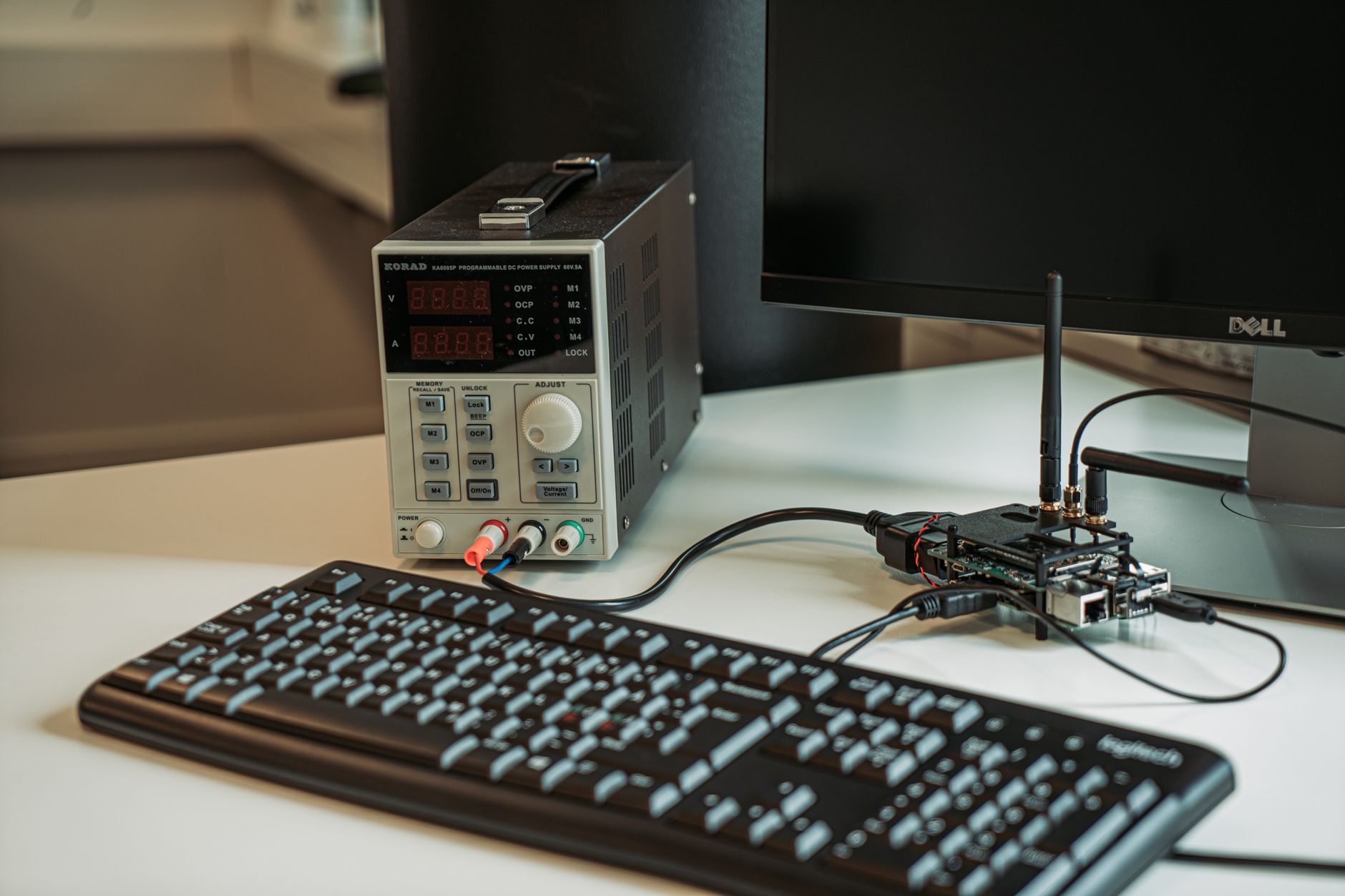
Andreessen Horowitz (a16z) launched its new $1.1 billion 'Machine Age' fund, reported on August 28, 2024, signaling a strategic pivot in venture capital towards the physical infrastructure and hardware essential for advanced artificial intelligence TechCrunch, 2026. This move offers founders a clear blueprint for a new wave of capital and emerging opportunities, pushing innovation beyond purely software-based solutions and into the tangible world of AI's physical buildout.
Quick takeaways
- A New Capital Thesis: Andreessen Horowitz's $1.1 billion 'Machine Age' fund redirects significant venture capital towards the physical infrastructure and hardware underpinning AI's expansion.
- Targeted Investments: The fund focuses on AI-optimized data centers, advanced manufacturing, robotics, and energy infrastructure, addressing critical bottlenecks in AI development.
- Leadership: General Partner Martin Casado leads the fund, supported by General Partners Scott Kupor, David Ulevitch, and Katherine Boyle TechCrunch, 2026.
- Addressing Limitations: This strategy directly responds to the growing constraints of traditional cloud computing for increasingly compute- and energy-intensive AI applications.
- Founder Opportunity: The fund signals a substantial opportunity for founders innovating in 'physical atoms' for AI, moving beyond purely software solutions to secure capital for deep tech and hardware ventures.
The $1.1 Billion Pivot to Physical AI
Andreessen Horowitz, a venture capital firm known for its early bets on internet and software companies, announced on August 28, 2024, the creation of its 'Machine Age' fund, backed by $1.1 billion in committed capital TechCrunch, 2026. This substantial fund marks a deliberate shift in the firm's investment thesis, moving away from an exclusive focus on 'digital bits' and towards the 'physical atoms' required for AI's real-world infrastructure. General Partner Martin Casado is at the helm of this new initiative, joined by General Partners Scott Kupor, David Ulevitch, and Katherine Boyle, underscoring the firm-wide commitment to this evolving sector TechCrunch, 2026.
The launch of the 'Machine Age' fund is a direct strategic response to the burgeoning demands of artificial intelligence. As AI models grow in complexity and capability, their computational and energy requirements have begun to outstrip the capabilities and cost-effectiveness of traditional cloud computing infrastructure. This fund is designed to inject capital into the foundational elements necessary for AI's continued expansion, recognizing that software innovation alone cannot sustain the current pace of AI development TechCrunch, 2026. For founders, this represents a significant re-calibration of venture capital priorities. Where previous cycles heavily favored pure software-as-a-service (SaaS) or platform plays, a16z's commitment signals that the next frontier of high-growth opportunities lies in integrating AI with the physical world, building the tangible components that make advanced AI possible. This shift challenges founders to consider deeper technological stacks, longer development cycles, and capital-intensive endeavors, offering a new pathway to substantial investment for those addressing these fundamental infrastructure needs. The firm's history of influencing market trends with large, thematic funds suggests that this move could catalyze a broader industry shift, drawing more capital towards hardware, deep tech, and physical infrastructure.
Target Areas: Beyond the Cloud and Into the Atom
The 'Machine Age' fund's investment strategy is highly focused, targeting specific sectors critical to building out the physical infrastructure for AI. These areas include AI-optimized data centers, advanced manufacturing, robotics, and energy infrastructure SiliconANGLE, 2024. Each of these categories represents a bottleneck or an opportunity for significant leverage in the broader AI ecosystem, moving the industry beyond its current reliance on general-purpose cloud computing.
AI-optimized data centers are a primary focus. Traditional data centers, while powerful, were not designed with the specific, immense, and often sustained computational demands of modern AI models in mind. AI training, particularly for large language models (LLMs) and complex neural networks, requires specialized hardware like GPUs, high-bandwidth interconnects, and advanced cooling systems. Founders in this space are developing novel data center architectures that integrate these components from the ground up, optimizing for power efficiency, heat dissipation, and data throughput specifically for AI workloads. This could involve innovations in chip-level cooling, modular data center designs, or new network fabrics that minimize latency between thousands of AI accelerators. Such facilities are not merely larger versions of existing data centers; they are fundamentally re-engineered to support the unique characteristics of AI compute, promising to deliver performance that traditional cloud providers struggle to match without significant retooling. The capital infusion from a fund like 'Machine Age' could accelerate the deployment of these specialized facilities, making advanced AI compute more accessible and efficient.
Advanced manufacturing is another key area. The physical components required for AI – from specialized chips and sensors to sophisticated robotic parts – demand precision and scale that traditional manufacturing processes often cannot provide. This includes innovations in fabricating next-generation semiconductors, developing new materials for AI hardware, and automating the production lines themselves with AI and robotics. Founders here might be building factories that utilize AI for quality control, predictive maintenance, or optimizing complex assembly processes. They could also be developing novel additive manufacturing (3D printing) techniques for custom AI hardware components, or creating new methodologies for producing high-performance, energy-efficient chips. The goal is to create a more resilient, efficient, and responsive supply chain for AI hardware, reducing reliance on existing, often constrained, global manufacturing hubs. This segment addresses the physical creation of the 'atoms' that constitute AI systems, moving beyond abstract software designs to tangible, mass-producible components.
Robotics represents the direct integration of AI with the physical world, enabling intelligent machines to perform tasks in diverse environments. This segment goes beyond industrial automation to include autonomous vehicles, drones for inspection and delivery, service robots for logistics and healthcare, and humanoids for complex manipulation tasks. For a16z, investment in robotics likely targets companies developing not just the robotic systems themselves, but also the underlying AI algorithms, sensing technologies, and control systems that make these robots intelligent and adaptable. This includes advancements in computer vision, reinforcement learning for robot control, tactile sensing, and navigation in unstructured environments. The 'Machine Age' fund recognizes that the promise of AI is not fully realized until it can interact with and manipulate the physical world, making robotics a crucial bridge between digital intelligence and physical action. Founders in this space are building the next generation of physical agents that will extend AI's reach into every industry.
Finally, energy infrastructure is critical for sustaining the compute-intensive nature of AI. The power demands of AI-optimized data centers are staggering, leading to a need for more efficient and sustainable energy solutions. This includes innovations in renewable energy generation specifically for AI facilities, advanced battery storage systems, and novel power management technologies that optimize energy consumption at the rack, server, and chip level. Founders in this domain might be developing microgrids for data centers, advanced cooling technologies that significantly reduce power usage, or even new approaches to carbon capture related to data center operations. The focus is on ensuring that the exponential growth of AI compute does not lead to an unsustainable energy footprint, making clean and efficient power a foundational requirement for the 'Machine Age'. This area acknowledges that the 'physical buildout' of AI is intrinsically linked to the ability to power it responsibly and reliably.
The Limitations Driving the Shift: Compute and Energy
The strategic reorientation of Andreessen Horowitz's investment focus towards physical infrastructure and hardware is a direct consequence of the escalating limitations encountered by highly compute- and energy-intensive AI applications within traditional cloud computing environments TechCrunch, 2026. For years, cloud computing offered unparalleled scalability, flexibility, and cost-effectiveness for a wide range of software applications. However, the advent of sophisticated AI models, particularly large language models (LLMs) and advanced neural networks, has exposed fundamental architectural and economic constraints in this paradigm.
Modern AI training and inference demand an unprecedented amount of computational power. A single training run for a cutting-edge LLM can require thousands of specialized graphics processing units (GPUs) operating in parallel for weeks or even months. This sustained, high-density compute requirement is fundamentally different from the bursty, general-purpose workloads that traditional cloud infrastructure was designed to handle efficiently. While cloud providers have integrated GPUs, these resources are often shared, leading to resource contention, variable performance, and significant data transfer bottlenecks. The sheer volume of data processed and the constant communication required between thousands of accelerators necessitate network fabrics and storage solutions far more advanced than those typically available in multi-tenant cloud environments. Founders building the next generation of AI models find themselves constrained not by algorithmic innovation, but by the raw availability and cost of suitable compute infrastructure.
Beyond raw compute, the energy footprint of AI is rapidly becoming a critical concern. Training a single large AI model can consume as much electricity as hundreds of homes over several months. This translates into massive operational costs and significant environmental impact. Traditional data centers, while efficient for their original purpose, were not designed to manage the extreme power densities and heat dissipation challenges posed by racks filled with powerful AI accelerators. Cooling these environments requires immense energy, further exacerbating the problem. The limitations are not just financial; they are also physical. The availability of reliable, affordable, and sustainable power sources is becoming a strategic imperative for any region aspiring to be an AI hub. This reality forces a rethink of where and how AI compute is deployed, moving towards dedicated, purpose-built facilities that can manage these demands more effectively.
The 'Machine Age' fund acknowledges that simply scaling up existing cloud infrastructure is no longer a viable long-term solution for the most demanding AI workloads. The limitations manifest in several ways:
- Cost: The cost of renting specialized AI compute on demand from cloud providers can quickly become prohibitive for startups and even large enterprises, impacting the economic viability of new AI products and services.
- Performance: Shared resources and network latency in general-purpose clouds can hinder the optimal performance of highly parallel AI training jobs, extending development cycles and limiting iterative progress.
- Availability: The global supply of specialized AI hardware, particularly high-end GPUs, is often constrained, leading to long wait times and further bottlenecks for founders needing to scale their AI operations.
- Sustainability: The environmental impact of AI's energy consumption is a growing concern, pushing for innovations in energy efficiency, renewable energy integration, and advanced cooling solutions.
By targeting AI-optimized data centers, advanced manufacturing, robotics, and energy infrastructure, a16z is betting that the path to overcoming these limitations lies in a fundamental overhaul of the physical layer. This perspective opens up a vast new landscape for founders to innovate, not just in algorithms or software interfaces, but in the very foundations upon which AI is built.
Martin Casado and the Leadership Behind the Fund
The strategic direction and execution of the 'Machine Age' fund are primarily guided by General Partner Martin Casado, who serves as its lead. His involvement, alongside that of other seasoned General Partners Scott Kupor, David Ulevitch, and Katherine Boyle, underscores the firm's deep commitment and comprehensive approach to this new investment thesis TechCrunch, 2026. The composition of this leadership team suggests a blend of technical depth, operational expertise, and market insight crucial for navigating the complex landscape of hardware and physical infrastructure investments.
Martin Casado’s leadership of the 'Machine Age' fund is particularly noteworthy given his established reputation and expertise within the realm of enterprise infrastructure and networking. While specific details of his background are not provided in the key facts, his role as a General Partner at a16z has historically involved deep engagement with companies building foundational technologies. His focus has often been on the underlying systems that power the internet and modern computing, including software-defined networking (SDN) and cloud infrastructure. This background makes him a natural fit to lead a fund dedicated to the physical buildout of AI, as it requires a nuanced understanding of large-scale systems, data center architecture, and the interplay between hardware and software. Casado’s experience in identifying and nurturing companies that redefine core infrastructure could prove invaluable in sourcing and supporting the next generation of 'Machine Age' startups. His ability to dissect complex technical challenges and translate them into viable investment opportunities will be critical for founders seeking capital from this fund.
The involvement of Scott Kupor, David Ulevitch, and Katherine Boyle further strengthens the fund's leadership. Scott Kupor, as a Managing Partner at a16z, brings extensive operational and financial acumen. His role often encompasses the broader strategic direction of the firm, ensuring that new funds align with overarching investment philosophies and operational best practices. His oversight provides a critical layer of experience in scaling ventures and navigating the complexities of venture capital. David Ulevitch, another General Partner, has a background in networking and security, having founded and led successful companies in these fields. His expertise in building robust, resilient systems is highly relevant to the 'Machine Age' thesis, which emphasizes the foundational stability and security of AI's physical infrastructure. Founders building components for AI-optimized data centers or advanced networking within these facilities would likely find Ulevitch's insights particularly valuable. Katherine Boyle, also a General Partner, often focuses on defense, aerospace, and government technology. Her involvement signals that the 'Machine Age' fund recognizes the strategic importance of physical AI infrastructure beyond purely commercial applications, potentially extending to areas of national security, critical infrastructure, and advanced industrial applications. Her perspective could guide investments in dual-use technologies that serve both commercial and strategic imperatives, adding another dimension to the fund's scope.
Together, this leadership team brings a diverse set of experiences that span core infrastructure, operational scaling, security, and strategic technology development. This breadth of expertise is essential for a fund that aims to invest in capital-intensive, technically complex areas like AI hardware, advanced manufacturing, robotics, and energy solutions. For founders, engaging with this team means tapping into a wealth of knowledge that can help de-risk complex engineering challenges, navigate supply chain complexities, and scale physical products. The collective vision of these General Partners will shape the types of companies the 'Machine Age' fund backs, influencing the trajectory of AI's physical development for years to come. Their combined experience offers a robust sounding board for founders tackling the hard problems of bringing AI into the physical world.
Implications for Founders: A New Capital Blueprint
The launch of a16z's 'Machine Age' fund represents a significant new wave of capital and emerging opportunities for founders who are innovating beyond pure software solutions in the AI space TechCrunch, 2026. For years, the venture capital landscape has heavily favored software startups due to their lower capital requirements, faster iteration cycles, and perceived scalability. However, this $1.1 billion fund signals a powerful shift, providing a blueprint for founders to secure investment for deep tech, hardware, and physical infrastructure ventures that were previously considered too capital-intensive or slow-moving for traditional VC.
Founders building in areas like specialized AI chips, novel cooling systems for data centers, robotic manipulation, or sustainable energy solutions for compute farms now have a prominent, well-capitalized investor actively looking for their innovations. This means that pitches focused on physical prototypes, supply chain strategies, and manufacturing capabilities, rather than just user growth metrics, will resonate more strongly. The fund's existence validates the market need for 'physical atoms' in AI, potentially de-risking these ventures in the eyes of other investors as well. Founders should prepare to articulate not only their software capabilities but also their engineering prowess, material science innovations, and their ability to bring complex physical products to market. This requires a different kind of founder – one comfortable with longer development cycles, regulatory hurdles, and the intricacies of hardware production.
The opportunity extends beyond direct investment. The 'Machine Age' fund's thesis highlights critical market gaps. Founders who might have previously struggled to articulate the venture scale of their hardware-centric AI solutions now have a clear framework provided by a leading VC. This allows them to benchmark their ideas against the fund's stated focus areas: AI-optimized data centers, advanced manufacturing, robotics, and energy infrastructure. For instance, a founder developing a novel battery technology for grid-scale energy storage, specifically designed to power compute-intensive facilities, now has a direct path to a potential investor. Similarly, a startup creating modular, high-density server racks with integrated liquid cooling for AI accelerators will find a receptive audience.
This shift also implies a change in the competitive landscape. While the market for pure AI software applications remains robust, the entry of major capital into the physical layer means that companies neglecting their infrastructure stack might eventually face limitations. Founders building AI applications should consider partnerships or integrations with the new wave of 'Machine Age' infrastructure providers. For those building the infrastructure itself, the challenge will be to demonstrate not just technical feasibility, but also scalability, reliability, and a clear path to commercialization in often complex, regulated industries. This means founders need to think about patents, intellectual property protection for hardware designs, and the challenges of global manufacturing and distribution.
In essence, the 'Machine Age' fund is not just another investment vehicle; it's a strategic declaration. It tells founders that the future of AI is deeply intertwined with its physical embodiment. Those who can bridge the gap between cutting-edge AI algorithms and robust, efficient physical systems will be best positioned to capture this new wave of capital and build the foundational companies of the next era. It encourages founders to think holistically about the entire AI stack, from the silicon up to the software, recognizing that innovation at any layer can unlock significant value.
The Broader VC Landscape and the 'Machine Age' Trend
Andreessen Horowitz's launch of the $1.1 billion 'Machine Age' fund is not merely an isolated event; it signals a potentially transformative shift within the broader venture capital landscape, reflecting a growing recognition that the future of AI hinges on its physical underpinnings. While a16z is often a trendsetter, its move into AI hardware and physical infrastructure is indicative of a maturing industry where the low-hanging fruit of pure software innovation is becoming scarcer, and foundational constraints are becoming more apparent. This major capital allocation could catalyze a ripple effect, prompting other venture firms to re-evaluate their portfolios and investment theses, driving more capital into deep tech and hard science ventures.
For years, the VC industry largely pursued a software-first strategy, drawn by high margins, rapid scalability, and relatively low capital expenditure. This led to an abundance of SaaS, consumer internet, and pure-play AI software investments. However, as AI models demand ever-increasing compute and energy, the limitations of this approach have become glaring. The 'Machine Age' fund acknowledges that without parallel innovation in hardware, manufacturing, and energy, the progress of AI software will inevitably slow. This realization is likely shared by other forward-thinking VCs, even if they haven't announced dedicated funds of this scale yet. We may see more traditional software-focused funds carve out specific allocations for 'deep tech' or 'frontier tech' within their existing mandates, or witness the emergence of specialized firms focusing exclusively on AI infrastructure.
The fund's focus areas – AI-optimized data centers, advanced manufacturing, robotics, and energy infrastructure – are capital-intensive sectors with longer development cycles and higher inherent risks compared to software. This means that the 'Machine Age' fund is prepared to make patient, strategic investments, a departure from the rapid-fire, quick-exit mentality sometimes associated with early-stage software VC. This approach might encourage other VCs to adopt similar long-term perspectives for specific segments of the market, potentially altering the typical venture funding timeline and expectations for returns in these areas. It also suggests a growing comfort with the complexities of hardware development, supply chain management, and intellectual property in physical products.
Moreover, the 'Machine Age' trend signifies a broader economic implication. Investment in physical infrastructure creates jobs in engineering, manufacturing, construction, and operations, moving beyond the digital economy to stimulate growth in traditional industrial sectors. This could lead to a resurgence of investment in areas that were once considered less 'sexy' than software, but are now critical enablers for the next technological revolution. The fund's emphasis on energy infrastructure, for instance, highlights the increasing intersection of AI with climate tech and sustainable development, potentially bridging two major investment themes.
The competitive landscape for founders will also evolve. While software startups still compete for attention, those in the 'physical atoms' space will find a more dedicated and knowledgeable pool of investors. This specialization in venture capital can lead to more informed due diligence, better strategic guidance, and more appropriate funding structures for hardware-intensive companies. However, it also raises the bar for founders, requiring them to demonstrate not just software-level agility but also deep engineering expertise, robust supply chain strategies, and a clear understanding of the regulatory and operational challenges inherent in physical products. The 'Machine Age' fund, therefore, is not just investing in companies; it is investing in a thesis that could reshape how venture capital perceives and funds the future of technology, moving towards a more integrated, full-stack approach to innovation that spans both bits and atoms. This could lead to a more diversified and resilient technology ecosystem in the long run.
FAQ
What is the 'Machine Age' fund?
The 'Machine Age' fund is a new investment vehicle launched by Andreessen Horowitz (a16z) with $1.1 billion in committed capital, reported on August 28, 2024 TechCrunch, 2026. Its primary focus is to invest in the physical infrastructure and hardware crucial for the expansion and future development of artificial intelligence.
What specific areas does the fund invest in?
The fund targets key areas including AI-optimized data centers, advanced manufacturing, robotics, and energy infrastructure SiliconANGLE, 2024. These areas are considered essential for supporting the compute- and energy-intensive demands of modern AI.
Who are the lead partners for the fund?
General Partner Martin Casado leads the 'Machine Age' fund. He is supported by other General Partners including Scott Kupor, David Ulevitch, and Katherine Boyle TechCrunch, 2026.
Why is a16z focusing on AI hardware and physical infrastructure?
a16z's investment strategy is a response to the growing limitations of traditional cloud computing for highly compute- and energy-intensive AI applications TechCrunch, 2026. The fund emphasizes a shift from investing solely in 'digital bits' to the 'physical atoms' required for AI's real-world buildout.
How does this fund impact AI founders?
The 'Machine Age' fund signals a significant new wave of capital and emerging opportunities for founders innovating beyond pure software solutions in the AI space TechCrunch, 2026. It provides a clear blueprint for founders developing hardware, deep tech, and physical infrastructure solutions that are critical for AI's next phase of growth.
Continue reading


The Entrepreneur Story
Is your story worth telling?
We feature founders who are building something real. Apply and we'll be in touch.
Apply to be featured →Stay sharp.
Ideas that move.
Founder stories, emerging ventures, and essays on what's next — straight to your inbox.
Unsubscribe any time.