
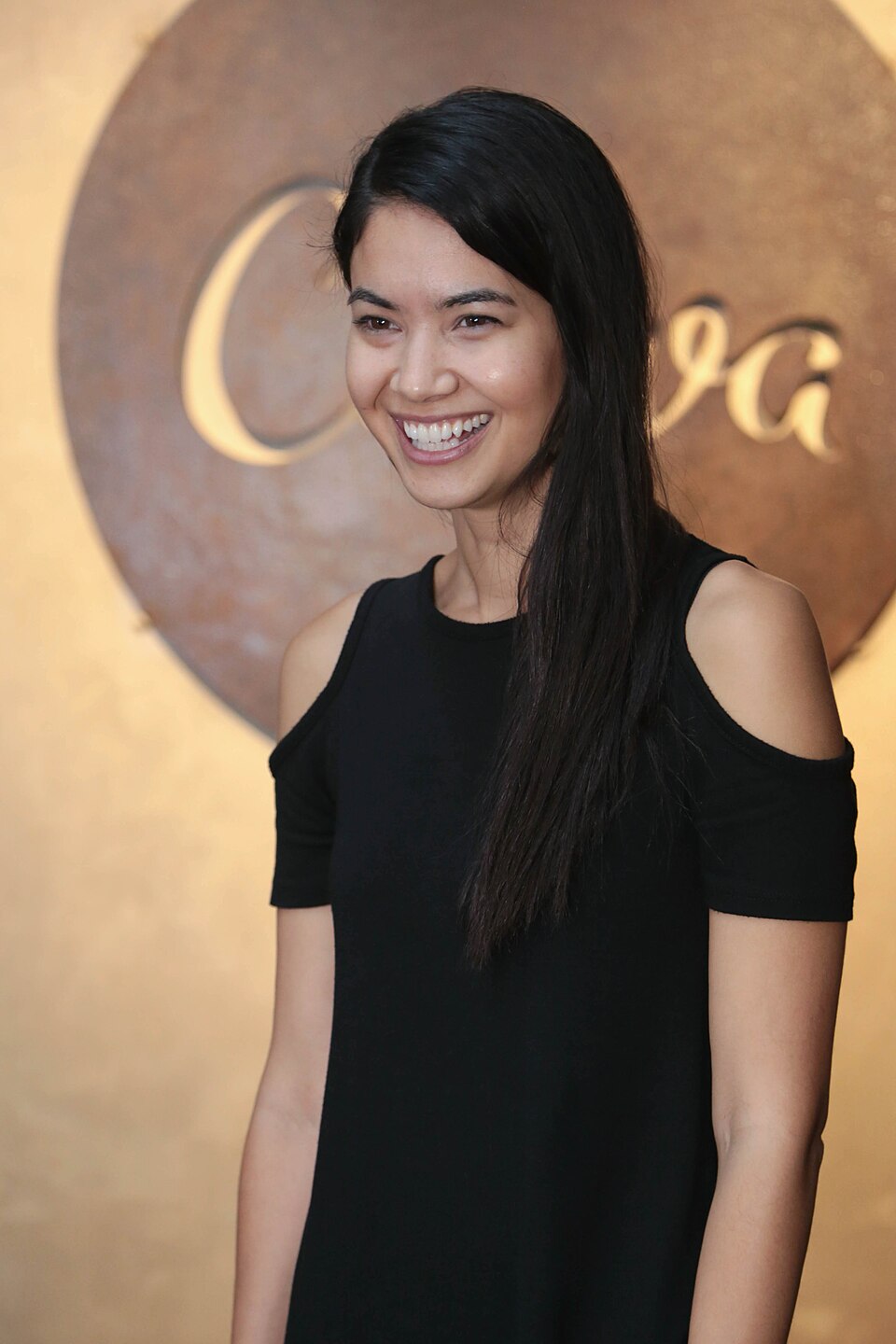
Melanie Perkins.
The Perth-born founder who turned 100 investor rejections into Canva, a design platform used by hundreds of millions.
journey
While studying communications and commerce at the University of Western Australia, Perkins tutored students in Adobe InDesign and Photoshop and watched them struggle with software that took a full semester to learn poorly. She was convinced the entire category was due for a reset, but no investor would fund a direct assault on Adobe from a 19-year-old in Perth. So in 2007 she and her boyfriend Cliff Obrecht started with the smallest wedge they could find: school yearbooks. Working from her mother's living room, they built Fusion Yearbooks, a browser-based drag-and-drop editor schools could use without any design training. Over five years Fusion grew into one of the largest yearbook companies in Australia and expanded into New Zealand and France. More importantly, it gave Perkins a working prototype of her real thesis: that design should be collaborative, template-driven, and live in the browser.
struggles
In 2010 Perkins flew to Silicon Valley to pitch the broader design platform that would become Canva. Over the next three years she was turned down by more than 100 investors. The feedback was consistent and brutal: she was too young, based in the wrong country, and taking on Adobe, a category incumbents had already locked up. She slept on couches, worked from her brother's apartment in San Francisco, and after every rejection rewrote the deck based on what the investor had just told her. The breakthrough came through tech investor Bill Tai, who ran an invitation-only kitesurfing retreat for founders. Perkins learned to kitesurf partly so she could get into the room, pitched between sessions on the beach, and was eventually introduced to Lars Rasmussen of Google Maps, who vouched for her. The seed round closed in 2012.
success
Canva launched publicly in August 2013 and signed up 150,000 users in its first year. By 2026 it serves more than 240 million monthly active users across 190 countries, generates annual recurring revenue above US$3 billion, and was last valued at around US$42 billion in a 2024 secondary tender, making it one of the most valuable private software companies in the world and Australia's most valuable startup. Perkins remains CEO; she and Obrecht have signed The Giving Pledge, committing the vast majority of their equity to charitable causes through the Canva Foundation. Forbes estimates her personal net worth at several billion dollars, but the metric she talks about publicly is users served, not valuation.
lessons
Perkins' story is a case study in picking a smaller first battle than the one you actually want to fight. She never stopped believing design software should be rebuilt for everyone, but she spent five years proving it on yearbooks before any investor would listen. That wedge gave her revenue, retention data, and, crucially, a real product to demo. Her rejection record also reframes the standard pitch narrative: 100 nos is not evidence that an idea is wrong, especially when the category you're creating doesn't exist yet in the heads of the people writing checks. The other lesson is relational. The round that finally closed came not from a cold deck but from a founder who spent eighteen months showing up in person on a different continent, learning a sport, and being coachable in every meeting that didn't go her way.
Track record
Operating principles
Start with the smallest version of the biggest idea
Perkins wanted to rebuild design software for everyone from day one, but she started with school yearbooks because no one would fund the broader thesis. Fusion gave her five years of real customers before Canva ever existed.
Treat every rejection as free product feedback
After each of the 100-plus investor nos, Perkins rewrote the deck based on what she had just heard. By the time she met the investor who said yes, the pitch had been stress-tested against every objection in the market.
Go to where the decision-makers actually are
The round that closed Canva came through a kitesurfing retreat, not a cold intro. Perkins learned the sport, showed up in Hawaii, and built real relationships with the people she needed before asking them for anything.
Tell your network. Pre-filled text for LinkedIn and X — edit however you like.
Copy and paste this into your site or bio page.
<a href="https://theentrepreneurstory.com/founders/melanie-perkins" target="_blank" rel="noreferrer" style="display:inline-flex;align-items:center;gap:8px;background:#1a2e1a;color:#f4efe1;font-family:sans-serif;font-size:13px;padding:10px 16px;border-radius:4px;text-decoration:none;">As featured in · The Entrepreneur Story</a>Selected coverage
Want your story here?
Submit your founder profile.
Like Melanie, hundreds of founders have been featured on The Entrepreneur Story. Reviewed weekly — submit yours in under two minutes.
Submit your story →