
Revolutionizing Eyewear: Warby Parker’s Innovative Approach to Affordable Fashion and Social Impact
In the fast-evolving landscape of retail, Warby Parker has carved out a distinctive niche with its direct-to-consumer model for eyewear. Founded in 2010 by Neil Blumenthal, Andrew Hunt, David Gilboa, and Jeffrey Raider, Warby Parker set out to disrupt the traditional eyewear industry by offering sty
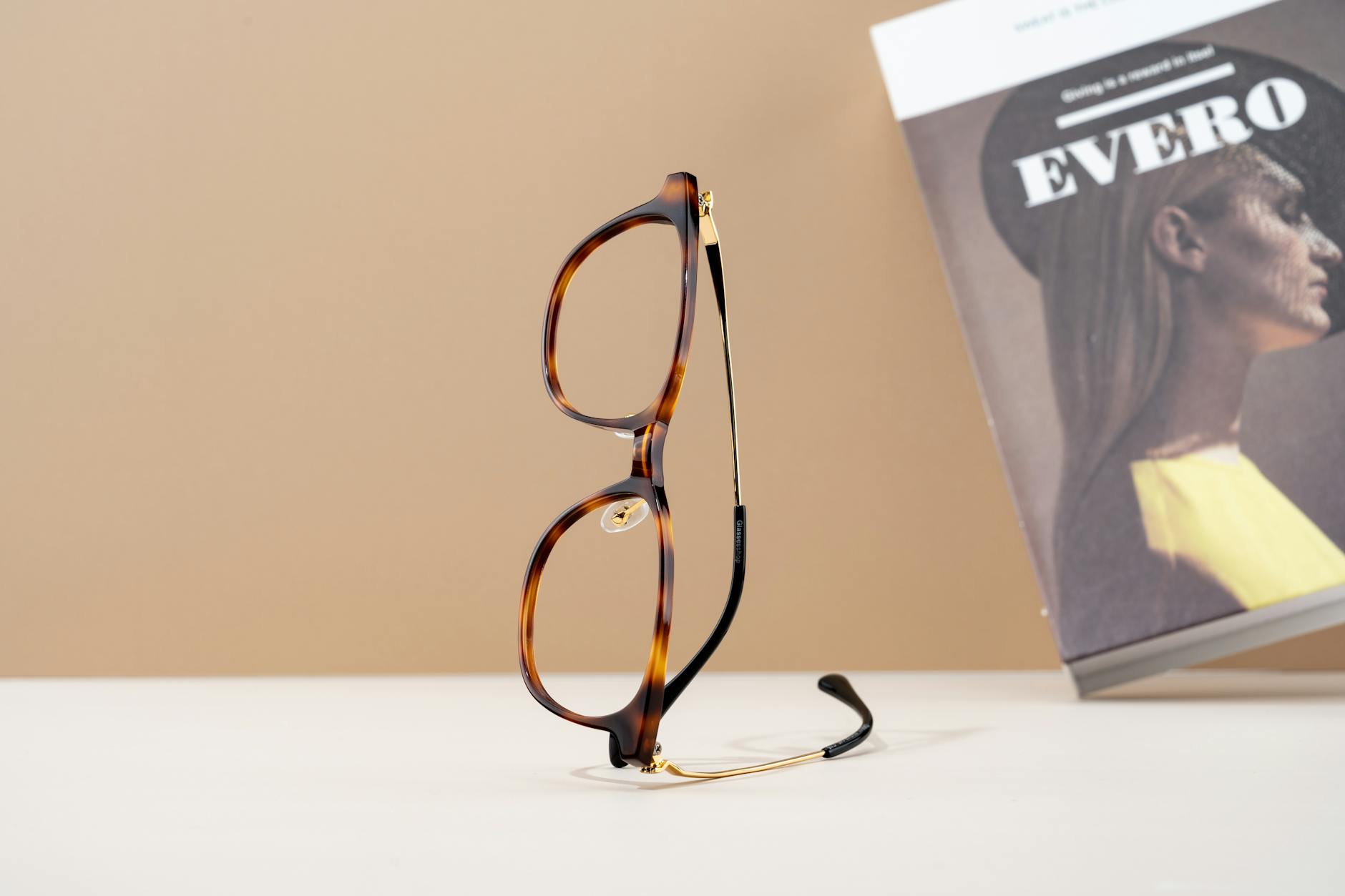
In the fast-evolving landscape of retail, Warby Parker has carved out a distinctive niche with its direct-to-consumer model for eyewear. Founded in 2010 by Neil Blumenthal, Andrew Hunt, David Gilboa, and Jeffrey Raider, Warby Parker set out to disrupt the traditional eyewear industry by offering stylish, affordable glasses and sunglasses both online and through a growing network of physical retail stores across the United States.
The Warby Parker Business Model
At the heart of Warby Parker’s success lies its direct-to-consumer business model. By cutting out middlemen and unnecessary markups, the company is able to offer high-quality prescription glasses and sunglasses at prices significantly lower than those found in traditional optical stores. This approach not only makes fashionable eyewear more accessible but also appeals to a younger demographic increasingly drawn to online shopping and transparent pricing.
Key Features and Innovations
1. Home Try-On Program
One of Warby Parker’s standout features is its innovative Home Try-On program. Recognizing the hesitation many consumers feel when purchasing eyewear online without trying them on, Warby Parker allows customers to select up to five frames to be shipped to their home for free. This initiative not only simplifies the shopping experience but also enhances customer confidence in their final choice.
2. Social Mission
Beyond profitability, Warby Parker is driven by a strong social mission. For every pair of glasses sold, the company distributes a pair to someone in need through partnerships with nonprofits like VisionSpring. This commitment to social responsibility resonates with socially conscious consumers, adding an ethical dimension to their purchasing decisions.
3. Physical Retail Presence
Despite its roots in e-commerce, Warby Parker has recognized the value of physical retail spaces. The company operates a growing number of brick-and-mortar stores across the U.S., where customers can receive personalized assistance from trained staff and try on glasses in person. This omni-channel approach not only enhances customer experience but also strengthens brand presence in key markets.
The Growth Trajectory
Since its inception, Warby Parker has experienced rapid growth and garnered widespread acclaim. The company’s ability to combine fashion-forward designs with affordable pricing has earned it a loyal customer base. Furthermore, its strategic expansion into physical retail has enabled Warby Parker to reach customers who prefer traditional shopping experiences or who may have hesitated to buy eyewear online.
Challenges and Adaptations
Despite its success, Warby Parker faces challenges common to both e-commerce and retail businesses. These include managing inventory, maintaining quality customer service across multiple channels, and navigating the complexities of a competitive market. However, the company’s agility and willingness to adapt have been key factors in its continued growth and relevance.
Looking Ahead: Innovation and Sustainability
As Warby Parker looks to the future, innovation remains at the forefront of its strategy. The company continues to explore new technologies and materials to improve the eyewear shopping experience and reduce its environmental footprint. Initiatives such as sustainable sourcing and packaging reflect Warby Parker’s commitment to environmental stewardship, appealing to environmentally conscious consumers who prioritize sustainability in their purchasing decisions.
Conclusion
Warby Parker stands as a testament to the transformative power of innovation in retail. By challenging industry norms and embracing a direct-to-consumer approach, the company has reshaped the eyewear market, making stylish prescription glasses and sunglasses more affordable and accessible than ever before. With a steadfast commitment to social responsibility and a focus on customer experience, Warby Parker not only meets but exceeds the expectations of today’s discerning consumers. As it continues to evolve and expand its footprint, Warby Parker remains a beacon of innovation in the retail landscape, setting new standards for both profitability and purpose-driven business practices.
In essence, Warby Parker’s journey exemplifies how a bold idea, coupled with a clear vision and commitment to excellence, can revolutionize an industry and inspire positive change.
Continue reading



The Entrepreneur Story
Is your story worth telling?
We feature founders who are building something real. Apply and we'll be in touch.
Apply to be featured →Stay sharp.
Ideas that move.
Founder stories, emerging ventures, and essays on what's next — straight to your inbox.
Unsubscribe any time.