
Turing Inc. Targets $10B US IPO in Self-Driving Expansion Deep Tech Global Strategy
Japanese self-driving startup Turing Inc. is targeting a US IPO at up to $10 billion, a rare cross-border listing from an Asian deep-tech firm.
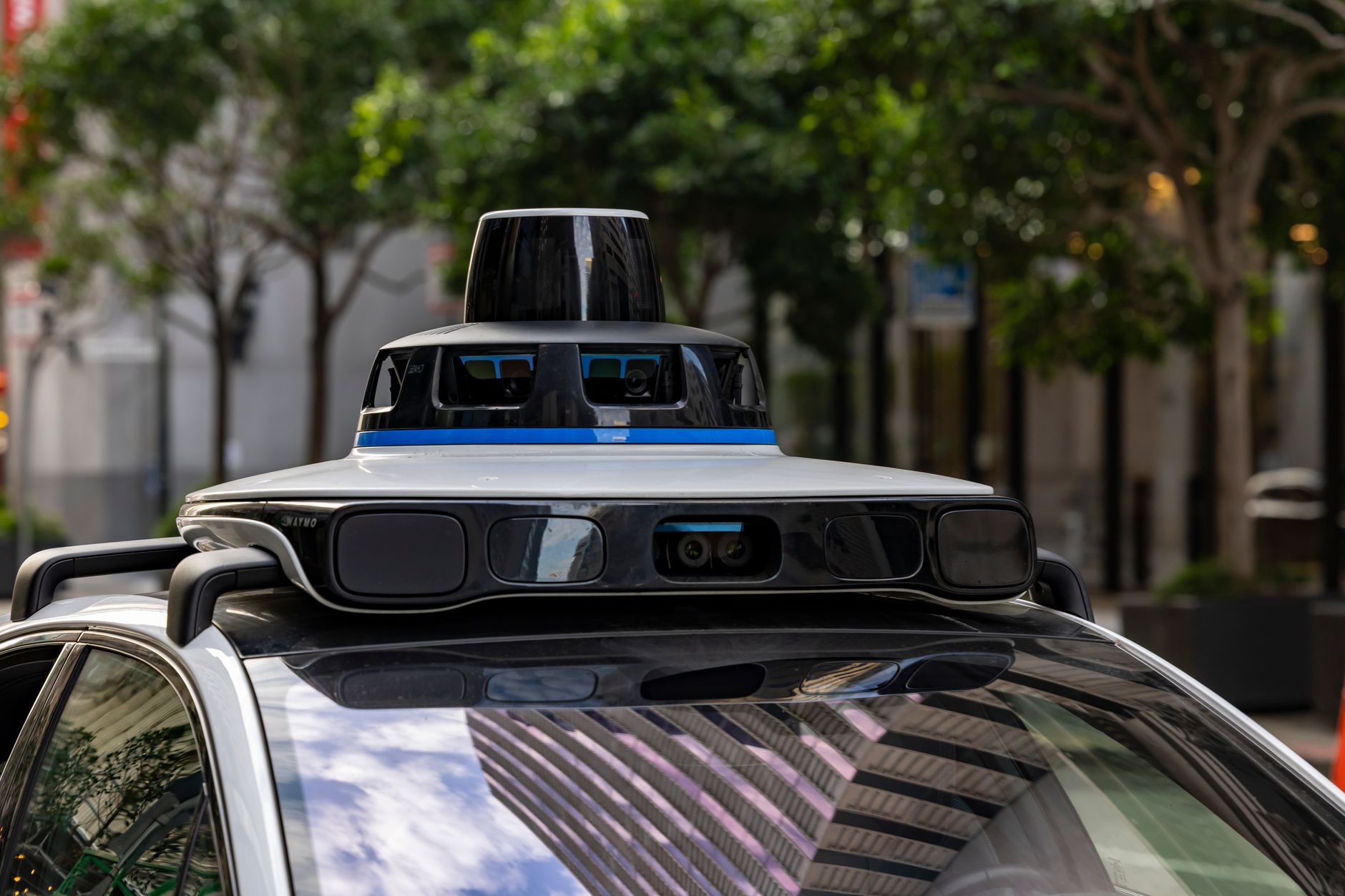
Turing Inc., a Japanese self-driving startup founded in 2021, is targeting a US initial public offering with an ambitious valuation of up to $10 billion, following new funding. This aggressive cross-border strategy signals a significant move by an Asian deep tech firm into the highly competitive global autonomous vehicle market, offering a blueprint for founders considering international expansion and substantial capital raises.
Quick takeaways
- Turing Inc. is pursuing a US IPO with a valuation target of up to $10 billion.
- The company plans to launch a Level 4 autonomous driving system for commercial use in Japan by 2026, initially targeting logistics and public transportation.
- Co-founder and CEO Kenchi Ando aims to establish Turing as the 'Tesla of autonomous driving'.
- Recent funding, including ¥2.3 billion ($15 million) from investors like JAFCO Group and INCJ, supports its development and US expansion.
- Turing's entry into the US market intensifies global competition among autonomous vehicle developers.
Turing's Ambitious Trajectory
Turing Inc. has set a course for a US initial public offering, aiming for a valuation as high as $10 billion Bloomberg, 2024. This financial target underscores the company's confidence in its technology and market strategy, positioning it among the most highly valued private firms in the autonomous driving sector globally. The decision to pursue an IPO in the United States, rather than its home market of Japan, highlights a strategic imperative to tap into a deeper pool of capital and investor expertise often associated with advanced technology companies in the US. For founders, this move demonstrates a willingness to bypass traditional geographic constraints to achieve scale and market recognition.
Beyond its IPO aspirations, Turing Inc. is committed to a clear product roadmap. The company plans to launch a Level 4 autonomous driving system for commercial use in Japan by 2026 Bloomberg, 2024. A Level 4 system operates without human intervention under specific conditions, meaning the vehicle can handle all driving tasks within a defined operational design domain (ODD). This level of autonomy represents a significant leap from current driver-assistance features and necessitates extensive testing, regulatory approval, and robust safety protocols. The commercial applications initially targeted are logistics and public transportation Bloomberg, 2024. These sectors are often prime early adopters for autonomous technology due to the potential for significant operational efficiencies, cost reductions, and addressing labor shortages. Companies in logistics, for instance, face pressure to optimize supply chains, making autonomous trucking a compelling solution. Public transportation, similarly, can benefit from fixed routes and predictable environments, reducing operational costs and improving service consistency.
Turing Inc.'s strategy involves a dual focus: developing and deploying its technology in Japan while simultaneously preparing for a substantial entry into the US market Bloomberg, 2024. This parallel approach indicates a global ambition from the outset, a characteristic often seen in successful deep tech startups. The timeline from its founding in 2021 to a planned 2026 launch and an aggressive IPO target demonstrates a rapid development cycle and a clear execution vision. This fast-paced trajectory demands significant capital, top-tier engineering talent, and a nuanced understanding of both Japanese and US regulatory and market dynamics. The company's ability to attract new funding, as noted in the research, is crucial for sustaining this accelerated path. The choice of specific commercial applications, logistics and public transportation, also suggests a pragmatic approach to market entry, focusing on areas where autonomous technology can deliver immediate and tangible value, rather than attempting a broader, more complex consumer rollout initially. This targeted strategy allows for concentrated development efforts and clearer pathways to monetization, which is critical for justifying a high valuation.
The Founder's Vision: Kenchi Ando's 'Tesla' Ambition
At the helm of Turing Inc. is co-founder and CEO Kenchi Ando Bloomberg, 2024. His leadership is central to the company's bold aspirations. Ando articulates a long-term vision for Turing Inc. to become the 'Tesla of autonomous driving' Bloomberg, 2024. This comparison is not merely a marketing statement; it signifies a commitment to full vertical integration, advanced software-driven solutions, and a direct-to-consumer or direct-to-enterprise model that bypasses traditional automotive supply chains. Tesla's approach to electric vehicles combined rapid innovation, proprietary software, and a distinct brand identity. For an autonomous driving company, emulating this model implies not just developing the self-driving technology, but potentially designing custom hardware, integrating it into purpose-built vehicles, and controlling the entire user experience. This ambitious vision sets a high bar for engineering, manufacturing, and market execution.
The decision to found Turing Inc. in 2021 and immediately embark on such an ambitious path highlights the stakes involved in the autonomous vehicle industry [Bloomberg, 2024](https://news.google.com/rss/articles/CBMicEFVX3lxTE5NOXVpNkV6UnJaYS12dFdFYi05a21VMW81SHRkUkd5ZFdxblVuYUprb0FtOFByaXVDQWhaN1UyVVVIbTlrR3IyaEw3VjBXblZ3S0hoUWtnVFFQeTlDMFEtSHpKTjluNkp4RkYta1cyYjQ?oc=5]. Developing Level 4 autonomous driving systems is a capital-intensive and technologically complex endeavor. It requires significant investment in research and development, a large team of specialized engineers, vast amounts of data collection, and rigorous testing in diverse environments. The 'Tesla of autonomous driving' aspiration indicates a belief that a holistic, integrated approach is necessary to achieve true autonomy and establish market leadership. This contrasts with many traditional automotive players who often partner with third-party software developers or focus on incremental advancements. For founders in deep tech, Ando's vision underscores the importance of a clear, differentiated long-term strategy that can attract both talent and capital, even in crowded markets.
Ando's strategy also involves a calculated decision to target both the Japanese and US markets. While Japan offers a structured regulatory environment and a strong domestic tech base, the US provides a larger market, a more mature venture capital landscape, and significant public investment interest in disruptive technologies. Launching commercially in Japan by 2026 allows Turing to build a track record and refine its technology in a controlled environment, leveraging local expertise and potentially government support. Simultaneously, the US IPO and expansion plans ensure access to the global capital markets necessary for sustained growth and positions Turing to compete on a worldwide stage. This dual-market approach is a complex operational challenge, requiring distinct market entry strategies, localized product adaptations, and navigation of different regulatory frameworks. However, it also provides geographic diversification and the opportunity to learn from varied operational conditions, which is invaluable for developing a truly robust autonomous system. The ambition inherent in Ando's vision is a key driver for Turing's rapid progression and its ability to attract significant investor interest.
Funding the Future: Fueling Global Ambition
Turing Inc.'s ambitious plans are supported by its fundraising efforts. The company previously raised approximately ¥2.3 billion, equivalent to about $15 million, from a group of investors Bloomberg, 2024. This initial capital injection is crucial for a deep tech startup like Turing, which requires substantial resources for research, development, and talent acquisition. The investors include JAFCO Group, a prominent Japanese venture capital firm, and INCJ (Industrial Growth Platform Inc. of Japan), a government-backed fund Bloomberg, 2024. The involvement of INCJ signals a strategic national interest in fostering advanced technology companies within Japan, particularly in sectors with high growth potential and strategic importance like autonomous driving. Government-backed funds often provide patient capital and can lend credibility, which is vital for nascent deep tech ventures. For founders, securing investment from both private and public entities can provide a diversified capital base and demonstrate broad confidence in the company's mission.
The $15 million in prior funding, while significant for an early-stage company, stands in stark contrast to the targeted $10 billion IPO valuation. This disparity highlights the massive capital requirements expected for Turing Inc. to scale its Level 4 autonomous driving system and expand globally. The new funding mentioned in the lede is critical for sustaining the company's accelerated development cycle and supporting its strategic entry into the US market [Bloomberg, 2024](https://news.google.com/rss/articles/CBMicEFVX3lxTE5NOXVpNkV6UnJaYS12dFdFYi05a21VMW81SHRkUkd5ZFdxblVuYUprb0FtOFByaXVDQWhaN1UyVVVIbTlrR3IyaEw3VjBXblZ3S0hoUWtnVFFQeTlDMFEtSHpKTjluNkp4RkYta1cyYjQ?oc=5]. Developing and deploying complex autonomous systems involves continuous investment in hardware, software, data infrastructure, and regulatory compliance. The capital secured is earmarked for these essential areas, allowing Turing to accelerate its technology roadmap and build the operational capacity needed for commercial deployment in Japan by 2026.
Moreover, the funding enables Turing Inc. to prepare for its strategic expansion into the US. This involves establishing local operations, navigating US regulatory frameworks, and potentially conducting testing in US cities. Such an expansion is resource-intensive and requires substantial financial backing. The combination of early-stage venture capital and government support positions Turing to pursue its ambitious goals, with the ultimate aim of attracting much larger public market capital through its planned US IPO. This funding strategy is a testament to the belief that the autonomous driving market will eventually yield substantial returns, justifying significant upfront investment. Founders in capital-intensive industries can learn from Turing's approach of leveraging strategic investors to validate technology and market potential, building towards a much larger public offering to finance global scale. The ongoing need for capital underscores the long development cycles and high operational costs inherent in bringing advanced autonomous technology to market.
Navigating the US Market: Competition and Opportunity
Turing Inc.'s intention to expand its operations into the US market represents a bold strategic move Bloomberg, 2024. The United States is a primary battleground for autonomous vehicle development, characterized by intense competition from both well-funded startups and established tech giants and automotive manufacturers. This environment means Turing will face significant challenges in terms of talent acquisition, market penetration, and regulatory navigation. The US market, while offering immense opportunities, is also highly scrutinized by regulators and the public regarding autonomous vehicle safety and reliability. Gaining public trust and securing operational permits in various states will be critical hurdles for Turing.
Despite the competitive landscape, the US market offers compelling opportunities that justify Turing's expansion. It boasts a vast and diverse geography, providing varied testing environments essential for robust autonomous system development. The US also has a more mature and liquid capital market, which is crucial for a company targeting a $10 billion IPO. Access to a broader investor base and a more developed ecosystem for deep tech companies can provide Turing with the necessary resources for sustained growth and innovation. Furthermore, the US is a hub for top-tier engineering talent in AI and robotics, which will be vital for scaling Turing's technical capabilities. Establishing a presence in the US allows Turing to tap into this talent pool, fostering cross-cultural collaboration and accelerating its development.
The strategic choice of the US for an IPO also implies a desire to be valued alongside other global tech innovators. US public markets often provide higher valuations for growth-oriented technology companies compared to other regions. This can be particularly attractive for a company like Turing, which is still in its early commercialization phase but has significant long-term potential. However, this also means increased scrutiny from investors and analysts who are familiar with the challenges and risks associated with autonomous driving technology. Turing will need to clearly articulate its differentiation, its path to profitability, and its safety methodologies to gain investor confidence. The company's focus on logistics and public transportation in Japan could provide a strong foundation of real-world operational data and commercial traction, which can then be leveraged to demonstrate viability and build credibility as it expands into the US. This dual-market approach allows Turing to de-risk its technology in one market while simultaneously preparing for a larger, more impactful entry into another.
Global Implications for Autonomous Driving
Turing Inc.'s strategy of pursuing a US IPO and expanding internationally carries significant implications for the global autonomous vehicle sector. This move by a Japanese startup underscores a broader trend of increasing cross-border competition and collaboration in deep tech. Traditionally, autonomous vehicle development has seen regional clusters of innovation, but companies are now realizing that truly scalable solutions require a global perspective, both for technology development and market reach. Turing's ambition suggests that the race for autonomous driving leadership is not confined to Silicon Valley or specific national champions; it is a global contest involving diverse players from various geographies. This intensifies pressure on existing players to innovate faster and secure capital more efficiently.
For the global autonomous vehicle competition, Turing's entry into the US market challenges the established players by introducing a new perspective and potentially different technological approaches. While many US and European companies have focused on ride-hailing or consumer vehicle integration, Turing's initial focus on logistics and public transportation in Japan by 2026 offers a pragmatic, revenue-generating pathway to autonomy. If successful, this commercial traction could provide a competitive advantage, demonstrating tangible value earlier than some rivals. This could force other companies to re-evaluate their own market entry strategies and accelerate their commercialization efforts in specific, high-value verticals. The 'Tesla of autonomous driving' vision also implies a highly integrated, software-first approach, which could disrupt traditional automotive partnerships and supply chains globally.
Furthermore, Turing's cross-border expansion highlights the importance of diverse operational experience for autonomous driving systems. Different countries and regions present unique driving conditions, infrastructure, regulatory environments, and cultural norms. Developing and testing a Level 4 system in both Japan and the US provides a broader dataset and a more robust understanding of real-world complexities, which is crucial for building a truly universal self-driving platform. This global perspective can lead to more resilient and adaptable autonomous technology. For founders, Turing's approach signals that a global mindset from inception is increasingly vital for deep tech companies, especially those in capital-intensive and highly regulated sectors. It demonstrates that strategic funding and market entry decisions can transcend national borders to achieve truly global scale and impact. The success or challenges faced by Turing in its US expansion will offer valuable lessons for other startups contemplating similar international growth trajectories in the autonomous vehicle space and beyond.
Lessons for Founders: Scaling a Deep Tech Venture
Turing Inc.'s trajectory offers several critical lessons for founders navigating the complexities of deep tech and global expansion.
Ambitious Goal Setting and Vision
Kenchi Ando's declaration of aiming to be the 'Tesla of autonomous driving' and targeting a $10 billion US IPO sets an exceptionally high bar Bloomberg, 2024. This level of ambition is not merely aspirational; it serves as a powerful magnet for talent, investors, and media attention. For founders, the lesson is to articulate a clear, compelling, and ambitious vision that can inspire stakeholders and differentiate the company in a crowded market. Such a vision must be backed by a credible plan and execution capabilities, but the initial boldness is crucial for attracting the necessary resources to tackle complex problems. It demonstrates a belief in the transformational potential of the technology, which can resonate deeply with early employees and investors who are looking to make a significant impact.
Strategic Capital Strategy
Turing Inc. has demonstrated a layered approach to financing its growth. It secured early-stage funding of ¥2.3 billion ($15 million) from strategic investors like JAFCO Group and the government-backed INCJ Bloomberg, 2024. This initial capital fuels development, but the ultimate goal is a much larger US IPO. This strategy highlights the understanding that deep tech ventures require substantial, sustained capital. Founders should consider a multi-stage funding approach, leveraging early capital to prove concepts and gain traction, then targeting larger public markets for scale. The choice of a US IPO signifies a pursuit of deeper capital pools and higher valuations often available in major global financial centers, rather than limiting itself to domestic markets. This requires a strong understanding of international financial markets and investor expectations.
Focused Market Entry and Product Roadmap
The company's plan to launch a Level 4 autonomous driving system for commercial use in Japan by 2026, specifically targeting logistics and public transportation, demonstrates a focused and pragmatic market entry strategy Bloomberg, 2024. Instead of attempting a broad consumer rollout from day one, Turing is concentrating on specific verticals where autonomous technology can deliver immediate operational value and where the operational design domain (ODD) might be more manageable. For other deep tech founders, this underscores the importance of identifying specific, high-value use cases for their technology. A targeted approach allows for more efficient resource allocation, faster validation of the technology in real-world scenarios, and a clearer path to revenue generation, which is crucial for attracting subsequent investment and proving commercial viability. This focus also helps in managing the inherent risks and complexities of deploying cutting-edge technology.
Global Mindset from Inception
Founded in 2021, Turing Inc. is already planning a US IPO and expansion, indicating a global mindset from its earliest days Bloomberg, 2024. This cross-border strategy is essential for deep tech companies whose technologies have universal applications but require diverse operating environments for development and large markets for scale. Founders should consider the global potential of their technology early on, even if initial deployment is local. This involves understanding international regulatory landscapes, market dynamics, and cultural nuances. Planning for global expansion from the outset can influence product design, hiring strategies, and fundraising efforts, ultimately positioning the company for broader impact and greater valuation potential. Turing's dual focus on Japan and the US serves as a model for leveraging home market advantages while simultaneously pursuing larger global opportunities.
FAQ
Q: What is Turing Inc.'s main goal? A: Turing Inc.'s main goal is to develop and launch a Level 4 autonomous driving system for commercial use in Japan by 2026, initially targeting logistics and public transportation. Concurrently, the company aims for a US initial public offering with a valuation of up to $10 billion and intends to expand its operations into the US market Bloomberg, 2024.
Q: Who is Kenchi Ando? A: Kenchi Ando is the co-founder and CEO of Turing Inc. He leads the company with a long-term vision to become the 'Tesla of autonomous driving' [Bloomberg, 2024](https://news.google.com/rss/articles/CBMicEFVX3lxTE5NOXVpNkV6UnJaYS12dFdFYi05a21VMW81SHRkUkd
Continue reading



The Entrepreneur Story
Is your story worth telling?
We feature founders who are building something real. Apply and we'll be in touch.
Apply to be featured →Stay sharp.
Ideas that move.
Founder stories, emerging ventures, and essays on what's next — straight to your inbox.
Unsubscribe any time.