Infra.Market's Reverse Listing: A New IPO Path for Unicorns
Indian unicorn Infra.Market explores a reverse listing via Shalimar Paints, pioneering an expedited public market debut while navigating valuation trade-offs and regulatory complexities.
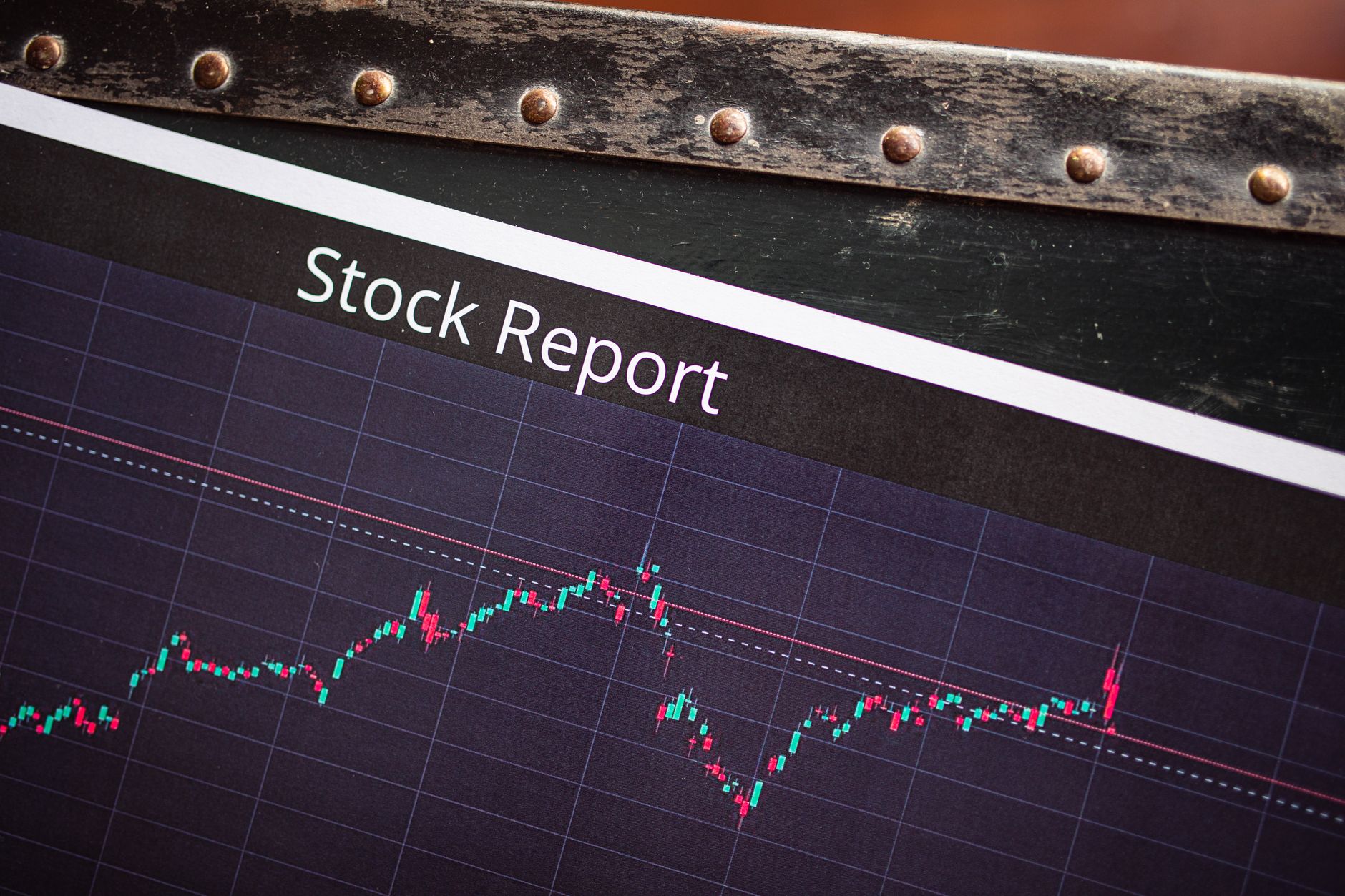
Indian B2B construction materials unicorn Infra.Market is reportedly exploring a reverse listing by acquiring the debt-ridden Shalimar Paints through a share swap deal, potentially valuing Infra.Market at INR 10,440 Cr (approximately $1.25 Bn) Inc42, 2024. This unconventional maneuver offers high-growth startups an expedited pathway to public markets, sidestepping the often lengthy and rigorous traditional IPO process and its associated regulatory scrutiny.
Quick takeaways
- Infra.Market, a B2B construction materials unicorn, is reportedly pursuing a reverse listing by acquiring Shalimar Paints through a share swap.
- The potential deal values Infra.Market at $1.25 Bn, notably lower than its last private valuation of $2.5 Bn in August 2022.
- This strategy aims to accelerate Infra.Market's public market debut, bypassing the more stringent SEBI scrutiny and profitability requirements of a traditional IPO.
- Shalimar Paints is a legacy company undergoing a corporate insolvency resolution process (CIRP), presenting unique integration and operational complexities.
- Such a large-scale reverse listing by an Indian unicorn would mark a rare and significant event in the country's public market history.
The Reverse Listing Playbook: An Alternative Path to Public Markets
Infra.Market's reported pursuit of a reverse listing through Shalimar Paints represents a strategic departure from the conventional initial public offering (IPO) route, signaling a creative approach to accessing public capital. The proposed mechanism involves a share swap deal, where Infra.Market, the private entity, effectively merges with or acquires Shalimar Paints, an already publicly listed company. This allows Infra.Market to become publicly traded without undergoing the extensive and often protracted regulatory filings, roadshows, and book-building processes typical of a traditional IPO. For founders, the appeal of this strategy lies primarily in its potential for speed and reduced upfront regulatory friction. A traditional IPO in India involves stringent SEBI scrutiny and profitability requirements, which can be particularly challenging for growth-focused startups that may prioritize market expansion over immediate, consistent profits. By leveraging an existing public shell, Infra.Market aims to circumvent some of these hurdles, moving faster towards liquidity for its investors and greater public visibility.
The reported valuation for Infra.Market in this potential deal is INR 10,440 Cr ($1.25 Bn) Inc42, 2024. This figure stands in stark contrast to its last private valuation of $2.5 Bn, achieved in August 2022 after its Series D funding round Inc42, 2024. This significant reduction in valuation highlights a critical trade-off inherent in such alternative listing strategies: speed and access to public markets may come at a discount compared to peak private market valuations. For founders and early investors, this implies a recalibration of expectations, prioritizing liquidity or market entry over maximizing valuation at all costs. The complexities extend beyond valuation to the integration of a debt-ridden entity like Shalimar Paints, which is currently undergoing a corporate insolvency resolution process (CIRP) Inc42, 2024. This adds layers of legal, financial, and operational due diligence, making the strategy a high-stakes play that requires meticulous execution and a clear vision for the combined entity's future. The rarity of such a large-scale reverse listing by an Indian unicorn underscores its unconventional nature and the potential precedent it could set for other high-growth companies seeking public market access in India Inc42, 2024.
Infra.Market's Ascent: Building a Unicorn in Construction Materials
Infra.Market, co-founded by Souvik Sengupta and Aaditya Sharda, established itself as a B2B construction materials marketplace, a sector traditionally characterized by fragmentation, opacity, and reliance on conventional supply chains Inc42, 2024. The company's business model focuses on leveraging technology to streamline the procurement process for construction businesses, offering a wide range of materials from cement and aggregates to chemicals and building solutions. This approach aims to bring efficiency, transparency, and cost-effectiveness to an industry ripe for digital transformation. By aggregating demand and supply, Infra.Market has sought to address common pain points such as inconsistent quality, delayed deliveries, and fluctuating prices, which often plague construction projects.
The company's rapid growth trajectory is evidenced by its unicorn status and significant capital raises. Infra.Market has secured over $500 Mn in funding from a roster of prominent investors, including global heavyweights like Tiger Global, Accel, and Nexus Venture Partners Inc42, 2024. These investment rounds reflect investor confidence in Infra.Market's market penetration strategy and its ability to disrupt a large, underserved market. Tiger Global, known for its aggressive growth equity investments in category leaders, and Accel, a long-standing venture capital firm with a strong track record in India, signal a robust endorsement of Infra.Market's business fundamentals and future potential. Nexus Venture Partners, another key investor, further underscores the company's appeal within the Indian startup ecosystem. The accumulation of such substantial capital has enabled Infra.Market to scale its operations, expand its product portfolio, and invest in technology infrastructure to solidify its market position.
Infra.Market's last private valuation reached an impressive $2.5 Bn in August 2022, following its Series D funding round Inc42, 2024. This valuation milestone cemented its status as one of India's leading B2B technology platforms. For founders like Sengupta and Sharda, reaching unicorn status is a testament to their vision and execution in navigating a complex industry. However, the reported pursuit of a reverse listing at a potentially lower valuation underscores the dynamic nature of capital markets and the strategic decisions founders must make regarding liquidity, market timing, and growth sustainment. This pivot suggests that even highly capitalized unicorns with strong investor backing are exploring diverse avenues to achieve their public market ambitions, adapting to prevailing economic conditions and regulatory landscapes. The decision to consider a reverse listing, despite its complexities, highlights a pragmatic approach to securing public market access, prioritizing the long-term strategic benefits over short-term valuation maximization.
The Shalimar Paints Conundrum: A Vehicle in Distress
The choice of Shalimar Paints as the vehicle for Infra.Market's reverse listing introduces a unique set of challenges and opportunities, primarily stemming from Shalimar Paints' current financial state. The company is publicly identified as a debt-ridden entity, currently undergoing a corporate insolvency resolution process (CIRP) Inc42, 2024. This status implies a company grappling with significant financial liabilities, operational inefficiencies, and a formal restructuring process under the supervision of the National Company Law Tribunal (NCLT) in India. For Infra.Market, acquiring such an entity through a share swap means inheriting not just a public listing but also a complex financial and legal legacy.
Integrating a struggling, debt-laden company into a high-growth technology unicorn presents substantial operational and financial complexities. Infra.Market would need to navigate the intricacies of the CIRP, address existing debts, and potentially restructure Shalimar Paints' operations to align with its own strategic objectives. This involves a rigorous due diligence process to fully understand the extent of liabilities, assess existing assets, and devise a comprehensive revival plan. The process is inherently risky, as unexpected liabilities or operational hurdles could emerge, impacting Infra.Market's financial performance and market perception post-listing. Furthermore, the cultural integration of a legacy manufacturing company with a modern, tech-driven B2B marketplace would require careful management to ensure synergy and avoid disruption.
The existing shareholding structure of Shalimar Paints also plays a role in this transaction. Its promoters currently hold a 6.13% stake in the company Inc42, 2024. A share swap deal would effectively dilute this existing promoter stake as Infra.Market's shareholders receive shares in the newly combined public entity, gaining control. This transition of ownership and control is a critical aspect of any reverse merger, fundamentally altering the governance and strategic direction of the erstwhile Shalimar Paints. For Infra.Market, assuming control of a public entity, even one in distress, provides immediate access to public market infrastructure, including a stock exchange listing and an existing shareholder base. However, it also means taking on the responsibilities and public scrutiny associated with a listed company, including stringent reporting requirements and ongoing compliance with SEBI regulations. The success of this strategy hinges on Infra.Market's ability to effectively resolve Shalimar Paints' financial distress, integrate its operations where strategically beneficial, and ultimately leverage the public shell to drive its own growth story, while managing the expectations of both its existing private investors and the new public shareholders.
Valuation Reset and Market Perception
Infra.Market's reported potential valuation of INR 10,440 Cr ($1.25 Bn) in the reverse listing deal marks a significant recalibration from its last private valuation of $2.5 Bn, achieved in August 2022 Inc42, 2024. This nearly 50% reduction in valuation is a critical aspect of the strategy and carries multiple implications for founders, investors, and the broader market. The decision to accept a lower valuation for a faster public debut is often a pragmatic one, driven by several factors. Firstly, the market conditions for IPOs have become more challenging globally and in India since the peak of venture funding in 2021-2022. Public markets have shown increased scrutiny towards profitability and sustainable growth, often valuing companies differently than private markets, which may prioritize growth at all costs. This "valuation reset" reflects a broader trend where public market investors are less willing to pay premium multiples for growth-stage companies without a clear path to profitability.
For Infra.Market's founders, Souvik Sengupta and Aaditya Sharda, and its early investors like Tiger Global, Accel, and Nexus Venture Partners, accepting a lower valuation might be a strategic trade-off for liquidity and market access Inc42, 2024. Private investors, having backed the company for several years and contributing over $500 Mn in funding, may be seeking an exit or a path to realize returns on their investments. A reverse listing, even at a reduced valuation, provides that crucial liquidity event, allowing them to monetize their holdings without waiting for a potentially delayed traditional IPO. This can be particularly appealing in an environment where capital is tighter and investor patience for long holding periods might be waning.
However, the significant drop in valuation also sends a signal to the market. While it can be interpreted as a pragmatic response to market realities, it might also raise questions among potential public investors about the company's intrinsic value or its ability to meet prior growth expectations. The market's perception of a company that enters public markets via a reverse listing, especially one involving a distressed asset, can be complex. There might be initial skepticism or a need for the company to clearly articulate its long-term strategy and how it plans to unlock value post-merger. Founders must meticulously communicate the rationale behind such a move, emphasizing the strategic benefits of accelerated public access and the potential for future value creation, rather than focusing solely on the valuation discrepancy. The success of this strategy in the public eye will largely depend on Infra.Market's ability to demonstrate strong post-listing performance, integrate Shalimar Paints effectively, and ultimately justify its public market presence through sustained growth and profitability.
Strategic Implications for Indian Unicorns
Infra.Market's reported exploration of a reverse listing via Shalimar Paints carries significant strategic implications for the broader landscape of Indian unicorns and high-growth startups contemplating public market debuts. Such a large-scale reverse listing by an Indian unicorn would be a rare occurrence in the country's public market history Inc42, 2024. This pioneering move, if successful, could establish an alternative template for other private companies seeking to go public, particularly those facing challenges with the traditional IPO route's stringent requirements or unfavorable market conditions.
For many Indian unicorns, the path to IPO has been fraught with regulatory hurdles, intense scrutiny from the Securities and Exchange Board of India (SEBI) regarding profitability, and often extended timelines. The reverse listing strategy offers a potential bypass to some of these challenges, providing a faster route to public markets Inc42, 2024. This speed can be crucial for founders and early investors seeking liquidity or for companies aiming to leverage public capital for accelerated growth and market expansion. However, this expedited process does not eliminate regulatory oversight entirely; rather, it shifts the nature and timing of scrutiny. The combined entity would still be subject to ongoing public company compliance requirements and continuous disclosure obligations, which demand a robust internal governance framework.
The decision by Infra.Market to potentially accept a lower valuation ($1.25 Bn vs. $2.5 Bn private valuation) in exchange for public market access highlights a growing pragmatism among unicorn founders and their investors Inc44, 2024. This suggests a shift from prioritizing peak private market valuations to valuing immediate liquidity and the strategic benefits of being a public company. Other unicorns might observe this trade-off closely, weighing the advantages of a quicker, albeit potentially discounted, public listing against the uncertainties and delays of a traditional IPO process that might demand higher valuations. The ability to access public capital for acquisitions, talent retention through stock options, and enhanced brand visibility are powerful incentives that might outweigh a temporary valuation haircut.
However, the complexities of integrating a debt-ridden entity like Shalimar Paints, which is undergoing a corporate insolvency resolution process, also serve as a cautionary tale Inc42, 2024. Other founders considering similar paths must assess the inherent risks of acquiring a distressed asset, including managing existing liabilities, operational restructuring, and potential legal entanglements. The success of Infra.Market's strategy will provide valuable lessons on navigating these challenges. If Infra.Market can effectively turn around Shalimar Paints and demonstrate sustained growth as a public entity, it could pave the way for a new wave of alternative public market entries for Indian unicorns. Conversely, significant operational or financial setbacks could deter others from pursuing this complex route. This case study will be closely watched by the entire Indian startup ecosystem as a test of an unconventional public market strategy.
Navigating Regulatory and Integration Hurdles
The choice of a reverse listing, while offering speed to public markets, does not bypass regulatory scrutiny entirely; rather, it reconfigures the nature and timing of that oversight. Traditional IPOs in India are subject to more stringent SEBI scrutiny and profitability requirements Inc42, 2024. While a reverse listing may avoid the initial, intensive vetting process of a new public offering, the combined entity, as a publicly listed company, will still be subject to continuous compliance with SEBI regulations, including disclosure norms, corporate governance standards, and insider trading rules. This means Infra.Market will need to establish robust internal controls and reporting mechanisms to meet the ongoing demands of a publicly traded entity, a transition that can be significant for a company previously operating under private company norms. The integration of a company like Shalimar Paints, which is undergoing a corporate insolvency resolution process (CIRP), adds layers of legal and financial complexity to this regulatory compliance Inc42, 2024. Infra.Market will need to ensure that all aspects of the CIRP are properly resolved and that the combined entity is compliant with all relevant insolvency laws and post-restructuring legal obligations.
Beyond regulatory compliance, the operational and cultural integration of a legacy manufacturing company like Shalimar Paints into a modern, tech-driven B2B marketplace presents substantial hurdles. Shalimar Paints, with its history and traditional business model, likely operates with different organizational structures, technological infrastructure, and corporate culture compared to Infra.Market. Successfully merging these distinct entities requires a clear integration strategy. This includes harmonizing financial systems, supply chain management, human resources, and sales operations. Infra.Market's leadership, including founders Souvik Sengupta and Aaditya Sharda, will need to define how Shalimar Paints' assets, such as manufacturing capabilities, distribution networks, or brand recognition, can be leveraged to complement Infra.Market's B2B marketplace model, if at all Inc42, 2024. The challenge lies in extracting potential synergies without diluting Infra.Market's core strengths or inheriting undue operational baggage.
The financial integration is equally critical. Infra.Market will need to manage Shalimar Paints' existing debt burden and ensure its financial health is stabilized post-acquisition. This might involve debt restructuring, asset optimization, or strategic divestitures. The success of this reverse listing hinges not just on the initial transaction but on Infra.Market's ability to demonstrate effective post-merger management and deliver sustainable value to public shareholders. The existing promoter stake of 6.13% in Shalimar Paints will be diluted in the share swap, marking a significant change in ownership and control Inc42, 2024. This shift necessitates clear communication with all stakeholders, including former Shalimar Paints shareholders, to manage expectations and ensure a smooth transition. The precedent set by this rare maneuver in the Indian market means that Infra.Market's approach to these regulatory and integration challenges will be closely observed by other high-growth companies considering similar unconventional routes to public markets.
FAQ
Q: What is a reverse listing, and why is Infra.Market pursuing it? A: A reverse listing, or reverse merger, is a process where a private company becomes publicly traded by acquiring an existing public company. Infra.Market is reportedly pursuing this strategy by acquiring Shalimar Paints through a share swap deal. This move aims to expedite Infra.Market's public market debut, bypassing the often lengthy and stringent regulatory scrutiny and profitability requirements of a traditional IPO in India Inc42, 2024.
Q: What is the proposed valuation of Infra.Market in this deal, and how does it compare to its last private valuation? A: The potential deal could value Infra.Market at INR 10,440 Cr (approximately $1.25 Bn) Inc42, 2024. This is notably lower than its last private valuation of $2.5 Bn, which it achieved in August 2022 after its Series D funding round Inc42, 2024.
Q: Who are the key players involved in Infra.Market? A: Infra.Market is a B2B construction materials marketplace founded by Souvik Sengupta and Aaditya Sharda. It has raised over $500 Mn in funding from investors including Tiger Global, Accel, and Nexus Venture Partners Inc42, 2024.
Q: What is the status of Shalimar Paints, the company Infra.Market is reportedly acquiring? A: Shalimar Paints is a debt-ridden company currently undergoing a corporate insolvency resolution process (CIRP) Inc42, 2024. Its promoters currently hold a 6.13% stake in the company Inc42, 2024.
Q: Why does this matter for other startup founders and operators? A: This strategic move by Infra.Market offers a rare case study for high-growth startups and unicorns in India. It demonstrates an alternative, potentially faster route to public markets, bypassing some traditional IPO hurdles. However, it also highlights the complexities of integrating a distressed asset and the potential for a valuation reset, providing valuable lessons on balancing speed, liquidity, and market perception for companies seeking public capital Inc42, 2024.
Continue reading


The Entrepreneur Story
Is your story worth telling?
We feature founders who are building something real. Apply and we'll be in touch.
Apply to be featured →Stay sharp.
Ideas that move.
Founder stories, emerging ventures, and essays on what's next — straight to your inbox.
Unsubscribe any time.