
TerraPower: Nuclear Energy for AI Data Centers
Bill Gates-backed TerraPower is developing advanced Natrium nuclear reactors to provide the continuous, carbon-free power urgently needed by rapidly expanding AI data centers.
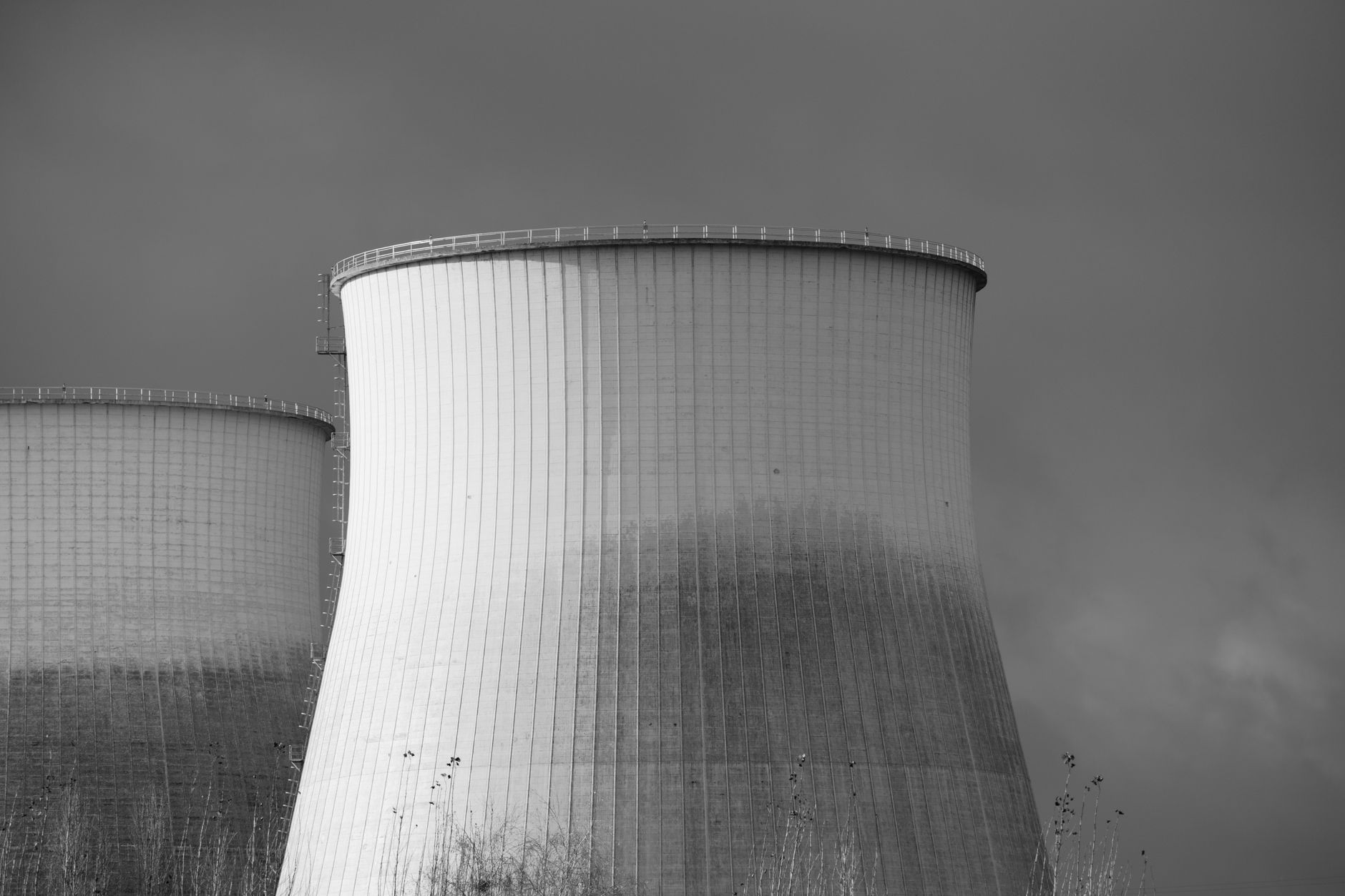
Bill Gates-backed TerraPower is constructing its advanced Natrium nuclear reactor demonstration plant in Kemmerer, Wyoming, with operations slated for 2030, supported by a $2 billion allocation from the U.S. Department of Energy. This initiative directly addresses the looming energy crisis for AI data centers, whose global electricity consumption is projected to more than double by 2026 from 2023 levels [IEA, 2024]. Founders in infrastructure and energy must recognize this demand as both a critical bottleneck and a significant market opportunity requiring novel power solutions.
Quick Takeaways
- AI's Power Demand Escalation: Global electricity consumption by AI and data centers is projected to more than double by 2026, creating an urgent need for massive, reliable power sources [IEA, 2024].
- TerraPower's Advanced Nuclear Solution: Bill Gates' TerraPower is developing Natrium reactors, a sodium-cooled fast reactor with integrated molten salt storage, designed to provide 24/7 carbon-free baseload power suitable for high-density AI energy demands [TerraPower, 2024; NEI, 2023].
- Significant Government Backing: The Natrium project receives substantial U.S. Department of Energy support, including a $2 billion allocation through the Advanced Reactor Demonstration Program, signaling national strategic importance [DOE, 2024].
- Market Opportunity for Infrastructure Startups: The energy crunch opens a market for startups in advanced cooling, grid management, modular construction, and specialized financing for long-term, capital-intensive energy projects, complementing large-scale nuclear deployments.
- Challenges Remain: Despite the promise, advanced nuclear faces hurdles including stringent regulations, high upfront capital costs, and public perception issues, demanding patient capital and robust stakeholder engagement from founders in this space [TechCrunch, 2026].
The AI Power Imperative: A Looming Energy Crisis
The rapid proliferation of artificial intelligence technologies has introduced an unprecedented demand for computational power, directly translating into a massive surge in electricity consumption. The International Energy Agency (IEA) projects that global electricity consumption by AI and data centers will more than double by 2026 compared to 2023 levels [IEA, 2024]. This projected growth is not merely incremental; it could reach the entire electricity consumption of countries like Japan, underscoring the scale of the challenge [IEA, 2024]. This escalating demand creates a critical bottleneck for further AI development and deployment, making energy supply a strategic imperative for every founder building in the AI space.
Traditional energy grids, often reliant on a mix of intermittent renewables and fossil fuels, are ill-equipped to meet the continuous, high-density baseload power requirements of modern AI data centers. These facilities demand uninterrupted, 24/7 power to ensure constant processing and data availability. Intermittent sources, while valuable for decarbonization, require significant backup or storage solutions to maintain stability, adding complexity and cost. Fossil fuel plants contribute to carbon emissions, conflicting with corporate and national sustainability goals. The Nuclear Energy Institute (NEI) highlights that advanced nuclear reactors provide continuous, 24/7 carbon-free baseload power, making them highly suitable for the consistent, high-density energy demands of AI data centers [NEI, 2023]. This positions advanced nuclear as a potentially indispensable component of future energy infrastructure for the tech sector.
For founders, this energy crunch is not just a problem; it is a profound market opportunity. The need for reliable, carbon-free, high-capacity power sources is creating new demand for innovation across the energy value chain. This includes companies developing advanced energy management systems, grid optimization software, novel cooling technologies for data centers, and even financial models to support the massive capital expenditure required for new power generation. The urgency of the AI power demand means that solutions that were once considered niche or too long-term are now entering mainstream strategic discussions for technology companies. The sheer scale of projected electricity consumption ensures that any viable solution, from modular reactors to sophisticated grid-scale battery storage, will find a significant market. The challenge lies in bringing these solutions to market at the speed and scale required by the tech industry.
The implications extend beyond just the data center operators themselves. Real estate developers constructing new data center campuses, hardware manufacturers designing more efficient AI chips, and even software companies optimizing AI workloads for energy efficiency are all directly impacted. The availability and cost of power will increasingly dictate site selection, operational expenditure, and even the viability of certain AI applications. As such, understanding the landscape of advanced energy solutions, and specifically the role of technologies like TerraPower's Natrium reactor, becomes crucial for any founder seeking to build resilient and scalable AI infrastructure. The market is not just looking for more power; it is looking for sustainable, reliable, and scalable power that can keep pace with exponential growth.
TerraPower's Natrium Solution: Engineering for the Future of AI
TerraPower, founded by Bill Gates in 2008, was established with a clear mission: to develop safer, cleaner, and more affordable nuclear energy solutions [TerraPower, 2024]. The company's flagship innovation, the Natrium advanced nuclear reactor, represents a significant departure from traditional nuclear designs, specifically engineered to address modern energy challenges, including the escalating demands of AI data centers. The Natrium reactor is a sodium-cooled fast reactor, a design choice that offers several key advantages over conventional water-cooled reactors [TerraPower, 2024].
Liquid sodium, used as a coolant in the Natrium reactor, enables higher operating temperatures and greater thermal efficiency compared to water [TerraPower, 2024]. This enhanced efficiency means more electricity can be generated from the same amount of nuclear fuel. Furthermore, the Natrium design integrates a molten salt energy storage system, a crucial feature that enhances its flexibility and responsiveness to grid demands [TerraPower, 2024]. This molten salt storage allows the reactor to produce 345 megawatts (MW) of electricity continuously, with the capability to boost output to 500 MW for over 5.5 hours [DOE, 2023]. This burst capability is particularly valuable for data centers, which may experience sudden spikes in demand or require rapid adjustments to their power supply. The integration of storage directly into the reactor system provides a level of reliability and dispatchability that intermittent renewable sources cannot offer on their own, making it a compelling option for critical infrastructure like AI data centers that require consistent baseload power [NEI, 2023].
The modular design of advanced nuclear reactors like Natrium is another critical aspect for meeting the rapid expansion needs of the tech industry [DOE, 2024]. Unlike large, custom-built traditional nuclear plants that can take over a decade to construct, modular designs aim to streamline manufacturing processes, allowing components to be fabricated in factories and then assembled on-site. This approach promises to reduce construction times, lower costs, and enhance quality control, addressing some of the historical challenges associated with nuclear power deployment. For founders looking to scale energy infrastructure quickly, the concept of a factory-produced, rapidly deployable power solution is highly attractive. This modularity also facilitates easier site selection and potentially smaller land footprints, which can be advantageous for co-locating power generation with data centers.
Bill Gates' long-term vision behind TerraPower in 2008 was to provide a sustainable, carbon-free energy source that could meet future global energy needs [TerraPower, 2024]. The current surge in AI-driven electricity demand validates this foresight, positioning advanced nuclear technology not as a niche solution, but as a potential cornerstone of future industrial and technological growth. The Natrium reactor's ability to provide continuous, high-capacity, carbon-free power aligns directly with the urgent requirements of an AI sector striving for both massive computational scale and environmental responsibility. This technological approach represents a significant engineering effort to bridge the gap between burgeoning energy demand and sustainable supply, offering a blueprint for how other founders might approach complex infrastructure challenges.
From Concept to Construction: The Kemmerer Project
The development of TerraPower's Natrium reactor is not confined to theoretical models or laboratory experiments; it is moving into large-scale physical construction. A Natrium demonstration plant is currently under construction in Kemmerer, Wyoming [Reuters, 2024]. This project marks a significant milestone for TerraPower and the advanced nuclear industry as a whole, transitioning from design and planning to tangible infrastructure development. Operations at the Kemmerer plant are anticipated to commence in 2030, a timeline that, while still several years away, represents a concrete schedule for bringing this advanced technology online [Reuters, 2024].
The Kemmerer project has received substantial backing from the U.S. Department of Energy (DOE) through its Advanced Reactor Demonstration Program (ARDP) [DOE, 2024]. This includes a significant allocation of $2 billion, underscoring the strategic importance the U.S. government places on developing and deploying advanced nuclear technologies [DOE, 2024]. Such substantial government support is critical for projects of this scale and complexity, helping to de-risk investment and accelerate development in a sector known for its high capital requirements and lengthy regulatory processes. For founders in capital-intensive industries, securing government grants and strategic partnerships can be as crucial as venture capital, especially when addressing national infrastructure priorities.
The choice of Kemmerer, Wyoming, is strategic. The site is located near a retiring coal-fired power plant, offering existing transmission infrastructure and a workforce with experience in energy generation. This reuse of existing energy infrastructure can potentially streamline the transition to new power sources and minimize some of the logistical challenges associated with greenfield development. The demonstration plant will serve as a crucial proof of concept for the Natrium technology, validating its operational efficiency, safety protocols, and integration capabilities with the grid. Successful operation in Kemmerer will be vital for future commercial deployments and for building confidence among potential utility partners and data center operators.
The construction phase itself generates significant economic activity and job creation, providing a concrete example of how large-scale infrastructure projects can stimulate regional economies. For founders observing this development, the Kemmerer project offers insights into the execution of complex, multi-stakeholder initiatives. It highlights the necessity of long-term planning, robust engineering, and sustained financial and political support. The anticipation of operations by 2030 suggests that while advanced nuclear is not an immediate fix for the AI power crisis, it is a critical component of the medium-to-long-term strategy. Founders looking to build infrastructure solutions must consider these timelines and plan their own product roadmaps accordingly, understanding that foundational energy shifts require significant lead times. The success of the Kemmerer plant will be a bellwether for the broader adoption of advanced nuclear technology in the U.S. and potentially globally, influencing investment decisions and regulatory frameworks for decades to come.
Market Opportunity and Incumbent Challenges
The escalating power demands from AI and data centers present a significant market opportunity for advanced energy solutions, creating a new competitive landscape for both established players and emerging startups [TechCrunch, 2026]. The projected doubling of global electricity consumption by AI and data centers by 2026 from 2023 levels means that the market for power generation and delivery is undergoing a fundamental shift [IEA, 2024]. This is not merely an incremental increase but a structural change that necessitates entirely new approaches to energy infrastructure.
Incumbent energy providers, primarily large utilities operating traditional grids, face substantial challenges in adapting to this new reality. Their existing infrastructure was not designed for the concentrated, continuous, and rapidly escalating power needs of hyperscale AI data centers. Upgrading and expanding traditional grid infrastructure is a slow, capital-intensive process, often hampered by regulatory hurdles and public resistance to new transmission lines or power plants. The intermittency of many renewable energy sources, while critical for decarbonization, complicates the provision of 24/7 baseload power without massive, equally capital-intensive storage solutions. This creates a gap that advanced nuclear, with its continuous, carbon-free output, is uniquely positioned to fill [NEI, 2023].
For startups, this market dislocation represents a fertile ground for innovation. While developing a full-scale nuclear reactor like TerraPower's Natrium may be outside the scope of most startups due to capital and regulatory barriers, numerous adjacent opportunities exist. These include:
- Advanced Cooling Technologies: As data centers become denser and consume more power, traditional air cooling becomes inefficient. Startups developing liquid immersion cooling, direct-to-chip cooling, or other novel thermal management solutions will find a robust market.
- Grid Modernization and Microgrid Solutions: Companies offering smart grid software, distributed energy resource management, or microgrid solutions that can integrate various power sources (including potentially small modular reactors) with data center loads will be critical.
- Energy Storage Beyond Molten Salt: While Natrium integrates molten salt storage, other forms of long-duration energy storage (e.g., advanced batteries, hydrogen storage, compressed air) will be needed at different scales and for different applications across the broader energy ecosystem.
- Modular Construction and Supply Chain Optimization: The modular design philosophy of advanced reactors extends to other infrastructure. Startups specializing in modular construction techniques, advanced manufacturing for critical components, or supply chain logistics optimized for large-scale, high-tech projects will find demand.
- Specialized Financing and Risk Management: Nuclear projects have unique financing structures. Startups or specialized financial services firms that can develop innovative models for funding long-term, capital-intensive clean energy projects, or offer insurance and risk management tailored to advanced nuclear, will be valuable.
- AI for Energy Efficiency: Companies leveraging AI itself to optimize energy consumption within data centers, predict power demand, or manage grid loads more efficiently can contribute significantly.
The competition in this space is not just between different power generation technologies but also across the entire energy value chain. Companies like TerraPower are addressing the core power supply, but their success creates downstream and upstream opportunities for a myriad of other businesses. The imperative for continuous, carbon-free power for AI is so strong that it demands a multi-faceted approach, opening doors for diverse innovation beyond just the reactor core itself. Founders who can identify and execute on these adjacent market needs will be well-positioned for growth in the coming decade.
Navigating the Nuclear Landscape: Regulatory and Capital Hurdles
Deploying nuclear technologies, even advanced designs like TerraPower's Natrium reactor, faces a unique set of challenges that founders in other sectors rarely encounter. These hurdles are primarily centered around stringent regulations, high upfront capital costs, and public acceptance issues [TechCrunch, 2026]. Understanding these obstacles is crucial for any entrepreneur considering entry into the broader energy infrastructure space, or even those building technologies reliant on such infrastructure.
Regulatory Complexity and Approval Processes
Nuclear power is among the most heavily regulated industries globally, and for good reason: safety is paramount. In the U.S., the Nuclear Regulatory Commission (NRC) oversees all aspects of nuclear facility design, construction, and operation. This involves years of rigorous review, extensive documentation, and multiple layers of approval before a plant can even break ground, let alone commence operations. For TerraPower, the Natrium project is navigating this complex landscape, with the Kemmerer demonstration plant anticipated to begin operations in 2030 [Reuters, 2024]. This timeline reflects the inherent slowness of regulatory processes for novel nuclear designs.
For startups, this means that while the market opportunity is immense, the path to market for direct nuclear power generation is exceptionally long and capital-intensive. Founders must either be prepared for a multi-decade journey with significant regulatory expertise or focus on technologies that are ancillary to the reactor itself, thus falling under different, less stringent regulatory frameworks. Even then, understanding the regulatory environment of their target customers (e.g., utilities, data center operators) is critical. The U.S. Department of Energy's Advanced Reactor Demonstration Program (ARDP), with its $2 billion allocation to TerraPower, helps mitigate some of these regulatory and financial burdens by providing strategic government support and helping to streamline certain aspects of the approval process for demonstration projects [DOE, 2024].
High Upfront Capital Costs
Developing and constructing nuclear power plants, regardless of their advanced design or modularity, requires substantial upfront capital. TerraPower's Natrium project benefits from a $2 billion allocation from the DOE, a testament to the scale of investment required [DOE, 2024]. These costs encompass research and development, licensing, site preparation, component manufacturing, and construction. While modular designs aim to reduce overall construction times and costs, the initial investment remains significant.
This capital intensity presents a formidable barrier to entry for most startups. It necessitates patient capital, often from institutional investors, governments, or large corporate partners, rather than typical venture capital. Founders in this space must develop robust financial models and demonstrate a clear path to long-term profitability to attract the necessary funding. This also highlights the importance of strategic partnerships, as seen with TerraPower and the DOE, where shared risk and resources enable projects of national significance to move forward. Startups looking to participate in this ecosystem might focus on specific components, software, or services that can be developed and scaled with more manageable capital expenditure, rather than attempting to build entire power plants.
Public Acceptance and Perception
Despite advancements in safety and efficiency, nuclear power continues to face challenges related to public perception and acceptance. Concerns about safety, waste disposal, and proliferation can hinder project development and lead to local opposition. While advanced reactors like Natrium are designed with enhanced safety features, using liquid sodium as a coolant for higher operating temperatures and greater thermal efficiency [TerraPower, 2024], public education and transparent communication remain critical.
For founders, this means that even if a technology is scientifically sound and economically viable, its success can hinge on effective stakeholder engagement and community relations. Startups in the energy sector, even those not directly involved in nuclear generation, must be prepared to articulate the benefits of their solutions in terms of sustainability, reliability, and local economic impact. The challenge of public acceptance requires a long-term commitment to building trust and addressing concerns proactively, a lesson that extends to any founder introducing disruptive infrastructure technologies.
Startup Implications: Beyond the Reactor Core
TerraPower's pioneering work with the Natrium reactor, aimed at powering the insatiable demands of AI data centers, creates a ripple effect across the energy and infrastructure landscape. For founders, this means identifying and capitalizing on opportunities that emerge around these large-scale energy solutions, rather than necessarily building the core generation technology itself. The sheer scale of the AI power problem ensures that a multi-faceted approach will be required, opening doors for a diverse range of startups.
Energy Management and Optimization
As massive power sources like advanced nuclear reactors come online, the need for sophisticated energy management and optimization within data centers intensifies. Startups can focus on developing AI-powered software to predict and manage energy consumption at granular levels, optimizing server workloads to match power availability, or dynamically shifting loads to reduce peak demand. This includes solutions for demand-side management, where intelligent algorithms can adjust non-critical processes to align with grid stability and cost-efficiency. Companies that can help data center operators reduce their overall energy footprint, even with abundant power, will find a ready market. This also extends to startups building tools for real-time energy monitoring, anomaly detection, and predictive maintenance for power infrastructure within data centers.
Advanced Cooling Systems
The increase in power density driven by AI hardware means traditional air-cooling methods are becoming insufficient. This creates a significant opportunity for startups specializing in advanced cooling technologies. Liquid immersion cooling, direct-to-chip cooling, and two-phase cooling systems are becoming increasingly vital. These solutions offer higher thermal efficiency, smaller footprints, and potentially lower operational costs compared to conventional cooling. Founders in this space need to consider scalability, compatibility with existing data center designs, and the lifecycle management of their cooling fluids. The demand for these systems will only grow as AI chips become more powerful and energy-intensive.
Grid Modernization and Distributed Energy Integration
While TerraPower focuses on central generation, the broader energy ecosystem needs modernization. Startups can develop software and hardware solutions for grid optimization, enabling better integration of diverse energy sources – from utility-scale nuclear to local renewables and battery storage. This includes advanced metering infrastructure, grid-edge computing, and microgrid management systems that allow data centers to operate with greater resilience and independence from the main grid. Companies building platforms for peer-to-peer energy trading or localized energy markets could also emerge, allowing data centers to buy and sell power more efficiently. The modular nature of advanced reactors also suggests a future where smaller, distributed nuclear assets could integrate with local grids, creating opportunities for startups in distributed energy resource management.
Specialized Infrastructure and Construction
The modular design of advanced nuclear reactors aims to streamline manufacturing and potentially reduce construction times [DOE, 2024]. This trend extends to other critical infrastructure components for data centers. Startups focusing on advanced manufacturing techniques, prefabrication of data center modules, or innovative construction methods that accelerate deployment times will be valuable. This could include robotics for construction, AI-driven project management, or new materials science for more efficient and sustainable building. Companies that can reduce the time and cost associated with building high-capacity data centers and their associated energy infrastructure will gain a competitive edge.
Financing and Investment Models
The capital intensity and long project timelines associated with advanced energy solutions like nuclear power necessitate innovative financing models. While government support, like the DOE's $2 billion allocation to TerraPower, is crucial [DOE, 2024], private capital will also be essential. Startups in fintech or specialized investment funds could develop new structures for project finance, green bonds, or public-private partnerships tailored for long-duration, high-impact energy infrastructure. This might involve securitizing future energy output, developing carbon credit schemes specific to advanced nuclear, or creating investment vehicles that appeal to institutional investors seeking stable, long-term returns from critical infrastructure assets. Founders with expertise in finance and a deep understanding of energy markets can carve out significant niches here.
The overarching lesson for founders is that the energy demands of AI are creating a systemic shift. This shift requires not just bigger power plants but an entirely reimagined ecosystem of technologies, services, and financial mechanisms. By understanding the core problem TerraPower is addressing, and the significant challenges it faces, founders can identify adjacent problems that are ripe for startup innovation and build companies that complement these large-scale infrastructure plays.
The Long Game: Strategic Vision for Sustainable AI
Bill Gates' decision to found TerraPower in 2008 with the goal of developing safer, cleaner, and more affordable nuclear energy underscores a long-term strategic vision that extends far beyond typical venture capital cycles [TerraPower, 2024]. This patient approach is critical for tackling foundational infrastructure challenges like energy supply, especially when dealing with complex technologies such as advanced nuclear reactors. For founders, TerraPower's journey illustrates the importance of a sustained commitment to solving large-scale problems that require significant time, capital, and resilience.
The scale of the problem TerraPower aims to address is immense. Global electricity consumption by AI and data centers is projected to more than double by 2026 from 2023 levels [IEA, 2024]. This is not a temporary surge but a fundamental reordering of global energy demand driven by a pervasive technological shift. Meeting this demand sustainably requires energy sources that can provide continuous, 24/7 carbon-free baseload power, a characteristic of advanced nuclear reactors [NEI, 2023]. TerraPower's Natrium reactor, with its 345 MW output and 500 MW boost capability, combined with molten salt storage, is designed precisely for such consistent, high-density energy requirements [DOE, 2023; TerraPower, 2024].
The strategic vision embedded in TerraPower's work is about building resilient, sustainable infrastructure for the next century, not just the next quarter. This involves navigating not only technological hurdles but also complex regulatory landscapes, securing substantial government backing (like the $2 billion from the DOE for the Natrium project) [DOE, 2024], and engaging with public perception challenges. For founders, especially those in deep tech or infrastructure, this long-game perspective offers several key lessons:
- Patient Capital is Essential: Some problems cannot be solved with short-term, high-burn venture capital. Identifying and attracting patient capital, whether from strategic investors, government programs, or corporate partners, is crucial for projects with long development cycles and high upfront costs.
- Systems Thinking: Solving problems of this magnitude requires a holistic, systems-thinking approach. It's not just about building a reactor; it's about integrating it into existing grids, managing waste, ensuring safety, and building public trust. Founders must consider the broader ecosystem their solution will operate within.
- Regulatory Acumen: Understanding and proactively engaging with regulatory bodies is not a peripheral task but a core competency for infrastructure-focused startups. Early and continuous engagement can help shape policy and streamline approval processes.
- Sustainability as a Core Tenet: The demand for carbon-free energy for AI highlights that sustainability is no longer a secondary concern but a primary driver of innovation and market opportunity. Founders who build sustainability into the core of their business model will be better positioned for long-term success.
- The Power of Demonstration: Projects like the Kemmerer Natrium plant, anticipated to operate by 2030 [Reuters, 2024], are critical for proving out new technologies and building confidence. For startups, even small-scale pilots and demonstration projects can be instrumental in validating their solutions and attracting further investment.
TerraPower's commitment, spanning over a decade and culminating in the construction of its demonstration plant, illustrates that impactful innovation in critical infrastructure often requires a multi-generational commitment. For founders looking to build enduring companies that tackle fundamental societal challenges, the strategic vision demonstrated by TerraPower provides a powerful template for long-term thinking and execution. The future of AI, and indeed much of modern industry, hinges on the success of these ambitious energy solutions.
Reader questions.
01What is TerraPower's Natrium reactor, and how does it address AI energy demands?
TerraPower's Natrium reactor is an advanced nuclear design that uses liquid sodium as a coolant, enabling higher operating temperatures and greater thermal efficiency than traditional reactors [TerraPower, 2024]. It integrates a molten salt energy storage system, allowing it to produce 345 MW of continuous electricity and boost output to 500 MW for over 5.5 hours [DOE, 2023]. This provides the continuous, carbon-free baseload power required by energy-intensive AI data centers, which are projected to more than double their electricity consumption by 2026 [IEA, 2024].02What is the current status of TerraPower's Natrium project?
A Natrium demonstration plant is currently under construction in Kemmerer, Wyoming, with operations anticipated to commence in 2030 [Reuters, 2024]. The project has received substantial support from the U.S. Department of Energy (DOE), including a $2 billion allocation through its Advanced Reactor Demonstration Program [DOE, 2024].03Who founded TerraPower, and what was their initial vision?
TerraPower was founded by Bill Gates in 2008 with the goal of developing safer, cleaner, and more affordable nuclear energy [TerraPower, 2024]. His vision was to create advanced nuclear solutions that could address future global energy needs sustainably.04What are the main challenges for deploying advanced nuclear technologies like Natrium?
Deploying advanced nuclear technologies faces significant challenges, including stringent regulations, high upfront capital costs, and issues related to public acceptance and perception [TechCrunch, 2026]. These factors contribute to long development timelines and require substantial financial and political support, as evidenced by the DOE's $2 billion allocation to TerraPower [DOE, 2024].05What market opportunities does TerraPower's work create for other startups?
TerraPower's efforts highlight opportunities for startups in adjacent sectors. These include advanced cooling technologies for data centers, energy management and optimization software, grid modernization and microgrid solutions, specialized infrastructure and construction methods for rapid deployment, and innovative financing models for long-term energy projects. These areas are critical to support the massive and growing energy demands of AI data centers [TechCrunch, 2026].
Continue reading


The Entrepreneur Story
Is your story worth telling?
We feature founders who are building something real. Apply and we'll be in touch.
Apply to be featured →Stay sharp.
Ideas that move.
Founder stories, emerging ventures, and essays on what's next — straight to your inbox.
Unsubscribe any time.