
Unitree Robotics Eyes $9B IPO: China's First Humanoid Robot Public Debut A Deep Tech Blueprint
Unitree Robotics' ambitious $9 billion IPO on Shanghai's STAR Market signals a pivotal moment for China's deep tech sector and the global humanoid robotics industry, offering a blueprint for specialized hardware startups.
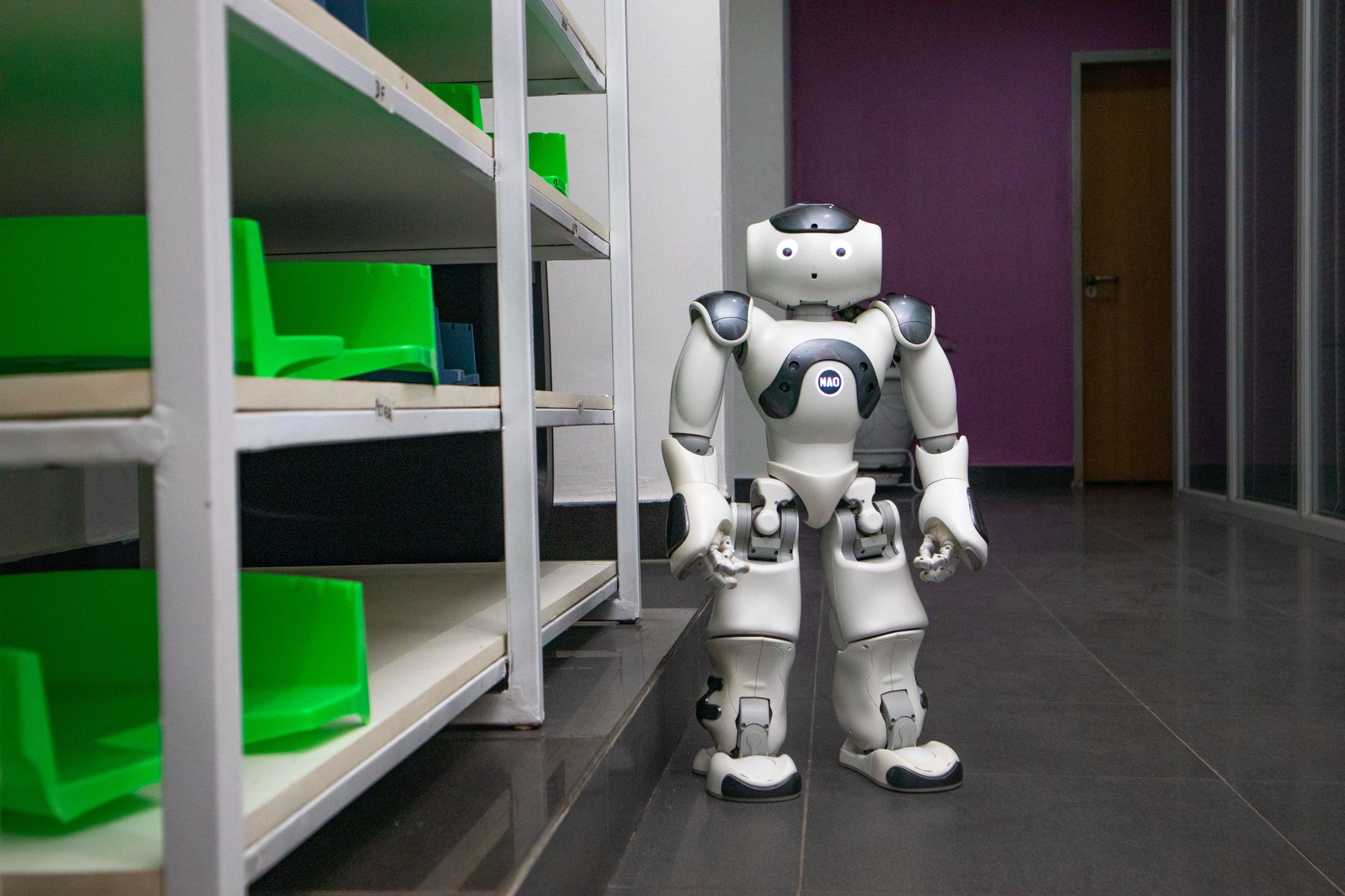
Unitree Robotics, founded by Wang Xingxing in 2017, reportedly aims for an initial public offering (IPO) on Shanghai's STAR Market, targeting a valuation of up to US$9 billion. If successful, Unitree would become China's first humanoid robot maker to go public. This potential listing signals a significant scaling opportunity for niche hardware startups and underscores growing investor appetite for advanced AI and robotics companies. Unitree's trajectory offers founders in deep tech a blueprint for transforming specialized engineering into public market success, highlighting product innovation and national technological mandates.
Quick Takeaways
- Pioneering Public Debut: Unitree Robotics is poised to become China's first publicly traded humanoid robot maker, targeting a US$9 billion valuation on Shanghai's STAR Market.
- Rapid Scale from Niche: Founded in 2017, Unitree's ascent demonstrates the potential for specialized robotics companies to achieve significant market capitalization.
- Dual Product Strategy: The company's portfolio, including the high-performance H1 humanoid robot and the accessible Go2 quadruped robot (priced around US$1,600), showcases a versatile approach to the robotics market.
- Global Competitive Stance: Unitree positions itself against established global players like Boston Dynamics, reflecting China's ambition in advanced AI hardware.
- Strategic National Alignment: The company's growth aligns with China's national push for technological self-reliance, attracting investment and fostering an environment for deep tech scaling.
The IPO and Its Market Signal for Deep Tech
Unitree Robotics' reported ambition to list on Shanghai's STAR Market with a target valuation reaching US$9 billion marks a pivotal moment for the global robotics industry and China's tech sector. If successful, this IPO would solidify Unitree's position as a leader and establish it as the first Chinese humanoid robot manufacturer to go public South China Morning Post, 2024. This financial milestone reflects investor confidence shifting towards companies at the forefront of advanced AI and hardware, particularly those demonstrating tangible product development and market traction in complex fields like robotics.
Shanghai's STAR Market is significant. Designed to support innovative, high-tech enterprises, it provides a crucial platform for companies like Unitree to access substantial capital for research, development, and scaling manufacturing. For founders navigating capital markets, Unitree's potential US$9 billion valuation on this exchange signals investors are willing to back long-term bets in deep tech, even in sectors with extended development cycles and high capital expenditure. It underscores the strategic value placed on intellectual property and engineering prowess, especially when aligned with national technological priorities. China's explicit drive for technological self-reliance and leadership in advanced AI hardware provides a supportive ecosystem for companies like Unitree, potentially facilitating faster scaling and attracting more substantial investment rounds South China Morning Post, 2024. This national backing can translate into direct and indirect advantages, from funding incentives to expedited regulatory processes, creating a more favorable environment for innovation-led growth.
The public offering would serve as a benchmark for other robotics and AI hardware startups, illustrating the potential for niche technologies to achieve mega-valuations. It validates business models built around complex engineering and specialized applications, moving beyond the traditional software-centric focus of many tech IPOs. Founders in areas like advanced manufacturing, new materials, or specialized AI hardware can look to Unitree's journey as evidence that deep technological expertise, coupled with a clear product roadmap and market strategy, can attract substantial public market interest. The IPO is not just about Unitree's financial success; it is a bellwether for the entire advanced robotics sector, indicating a maturing market ready for significant public investment and expansion. This public validation can unlock further private capital for nascent robotics firms, as venture capitalists gain clearer exit pathways and a validated market for their portfolio companies.
Unitree's Product Portfolio and Technical Edge
Unitree Robotics has distinguished itself through a focused product strategy encompassing both humanoid and quadruped robots. Its flagship products, the H1 humanoid robot and the Go2 quadruped robot, showcase the company's engineering capabilities and market approach South China Morning Post, 2024. These robots represent different facets of the robotics market, from advanced human-like interaction to versatile mobility, demonstrating Unitree's intent to capture diverse segments.
The H1 humanoid robot stands as Unitree's ambitious entry into the bipedal robotics space. Its reported ability to run at 3.3 meters per second highlights a significant achievement in dynamic locomotion, a critical challenge in humanoid robotics South China Morning Post, 2024. Furthermore, its design to withstand physical impacts suggests a focus on robustness and real-world applicability, essential for deployment in unpredictable environments. For founders developing complex mechanical systems, the H1's specifications underscore the importance of both speed and durability. Achieving such performance requires advanced motor control, sophisticated sensor integration, and resilient material science. The implications for future applications are broad, ranging from logistics and manufacturing assistance to hazardous environment exploration, areas where a bipedal form factor can offer advantages over wheeled or tracked systems. The ability to navigate human-centric environments, open doors, or manipulate tools designed for human hands makes humanoid robots a long-term goal for many robotics firms.
Complementing its humanoid offering, Unitree's Go2 quadruped robot represents a more accessible and commercially viable product line. Weighing 15kg, the Go2 is designed for lightweight portability, making it suitable for a range of applications where agility and ease of deployment are paramount South China Morning Post, 2024. Crucially, the Go2 is priced at around US$1,600 (11,000 yuan), a price point that significantly broadens its potential market South China Morning Post, 2024. This affordability is a key differentiator in a market often characterized by high-cost, specialized robotics. For founders aiming for wider adoption, Unitree's strategy with the Go2 demonstrates the power of balancing advanced technology with cost-effective manufacturing and component sourcing. A lower price point can unlock educational markets, small business applications, and even consumer interest, creating a larger user base for data collection and iterative product improvement. This dual strategy—pushing the boundaries with high-performance humanoids while democratizing access with affordable quadrupeds—positions Unitree to capture different market segments and generate diverse revenue streams, a critical factor for scaling a hardware startup to a US$9 billion valuation. The Go2's accessibility can also foster a developer ecosystem, allowing external innovators to build applications and use cases, further expanding the robot's utility and market reach beyond Unitree's direct development.
The Founder's Journey: Wang Xingxing and Unitree's Ascent
Wang Xingxing founded Unitree Robotics in 2017, embarking on a journey that, in just seven years, has positioned the company for a potential US$9 billion IPO South China Morning Post, 2024. This rapid ascent from a startup to a mega-valuation target is a case study for founders in the deep tech sector, particularly those grappling with the complexities of hardware development and long commercialization cycles. Unitree's trajectory highlights the critical combination of visionary leadership, sustained engineering focus, and strategic capital infusion required to scale a niche technology company.
The initial years for any hardware startup often involve intensive research and development, prototyping, and iterative design. For Unitree, this period would have involved significant investment in robotics kinematics, sensor fusion, and AI-driven control systems, the foundational technologies behind both their humanoid and quadruped robots. Wang Xingxing's commitment to these complex engineering challenges allowed Unitree to develop products like the H1, capable of dynamic movement and impact resistance, and the Go2, known for its lightweight design and accessible price point South China Morning Post, 2024. This product-first approach, focusing on tangible technological breakthroughs, often attracts early-stage investors in hardware.
A pivotal moment in Unitree's growth trajectory was its Series B funding round, which saw the company raise 'hundreds of millions of yuan' South China Morning Post, 2024. This substantial capital injection was critical for accelerating development, scaling manufacturing capabilities, and expanding market reach. Key investors in this round included MatrixPartners China, Walden International, and Shunwei Capital South China Morning Post, 2024. The participation of such prominent venture capital firms signals not only a belief in Unitree's technology but also in its market potential and the founder's ability to execute. For founders, securing investment from reputable firms like these provides more than just capital; it brings strategic guidance, industry connections, and validation that can attract subsequent funding rounds and talent. These investors often look for clear differentiation, a scalable business model, and a strong founding team with deep technical expertise, all of which Unitree appears to have demonstrated.
Wang Xingxing's leadership in steering Unitree from a startup in 2017 to a potential US$9 billion public entity underscores the immense stakes and rewards in the advanced robotics sector. It illustrates that despite the inherent difficulties in hardware development, including longer product cycles and higher upfront costs compared to software, a clear vision and consistent execution can lead to exponential growth. The journey from a founder's initial idea to a public company valuation requires navigating technical hurdles, market skepticism, and intense competition, a path Unitree has evidently traversed with success. The company's rapid scaling also reflects China's national push for technological self-reliance, providing fertile ground for domestic champions in advanced AI hardware South China Morning Post, 2024. This supportive environment, coupled with strategic capital, has allowed Unitree to accelerate its ambitions and challenge global incumbents.
The Competitive Arena: Global Robotics and China's Ambition
Unitree Robotics positions itself within an increasingly competitive global robotics landscape, directly challenging established players, notably the US-based Boston Dynamics South China Morning Post, 2024. This rivalry extends beyond mere product features; it represents a broader geopolitical contest for technological supremacy in advanced AI hardware. The global humanoid robot market itself is projected to reach US$13.8 billion by 2035, indicating a significant growth runway and intense competition for market share South China Morning Post, 2024.
Boston Dynamics, known for its highly advanced Spot quadruped and Atlas humanoid robots, has long been a benchmark for dynamic locomotion and sophisticated control systems. Its robots often feature in viral videos showcasing unprecedented agility and balance. Unitree's strategy to compete involves developing both a high-performance humanoid, the H1, capable of running at 3.3 meters per second and designed to withstand physical impacts, and a more commercially accessible quadruped, the Go2 South China Morning Post, 2024. The Go2's price point of approximately US$1,600 (11,000 yuan) is particularly impactful, as it dramatically lowers the barrier to entry for advanced quadruped robotics compared to its Western counterparts South China Morning Post, 2024. This dual approach allows Unitree to address both the cutting-edge R&D segment with the H1 and a broader commercial and educational market with the Go2, potentially fostering a larger user base and developer community.
China's national push for technological self-reliance is a critical backdrop to Unitree's competitive strategy. The Chinese government has prioritized advanced AI hardware and robotics as strategic industries, providing significant support in terms of funding, policy, and market access South China Morning Post, 2024. This national backing creates a favorable environment for domestic companies to innovate and scale rapidly, often with a focus on capturing the vast domestic market before expanding globally. For Unitree, this means not only a supportive regulatory and investment landscape but also a strong emphasis on developing indigenous technologies to reduce reliance on foreign components and intellectual property. This strategic imperative drives intense competition within China itself, pushing companies to innovate faster and more efficiently.
Competition in the humanoid robot market is not just about raw performance; it is also about practical applications, cost-effectiveness, and ease of integration. While companies like Boston Dynamics have showcased impressive capabilities, the challenge for all players remains translating these technological feats into commercially viable and widely adoptable products. Unitree's emphasis on both high-performance and affordability suggests a pragmatic approach to market penetration. By aiming for a US$9 billion IPO, Unitree signals its confidence in its ability to capture a significant portion of the projected US$13.8 billion global humanoid robot market by 2035, not just through technological prowess but also through a strategic understanding of market demand and pricing. This competitive dynamic is set to drive further innovation, benefiting industries that stand to gain from advanced automation and intelligent robotic systems. The race to develop and deploy these robots will define the next era of industrial and potentially consumer technology.
Implications for Founders: Scaling Deep Tech and Hardware
Unitree Robotics' journey from a 2017 startup to a potential US$9 billion IPO candidate offers several crucial lessons for founders in deep tech and hardware. Its success underscores that despite the inherent challenges of these sectors—including high R&D costs, long development cycles, and complex manufacturing—significant valuations are achievable with the right strategy. Founders should recognize the strategic importance of both cutting-edge innovation and market accessibility, a balance Unitree has struck with its H1 humanoid and Go2 quadruped robots.
Product Differentiation and Market Fit
Unitree's product portfolio demonstrates a clear understanding of market segments. The H1, with its high-speed locomotion and impact resistance, targets the high-performance, R&D-intensive end of the market South China Morning Post, 2024. This appeals to academic institutions, industrial innovators, and specific enterprise applications requiring advanced capabilities. In contrast, the Go2, priced at around US$1,600 and weighing just 15kg, targets a much broader audience, including educational institutions, hobbyists, and small to medium-sized businesses seeking accessible robotics solutions South China Morning Post, 2024. For founders, this dual strategy highlights the value of diversifying product offerings to capture different market needs and price sensitivities. It is not enough to build a technically superior product; it must also find a viable market niche or create a new one through strategic pricing and functionality. Identifying the "minimum viable product" for broader adoption, alongside pursuing aspirational, high-tech offerings, can create a sustainable revenue pipeline and fund further innovation.
Strategic Capital and Investor Relations
Raising 'hundreds of millions of yuan' in its Series B round from investors like MatrixPartners China, Walden International, and Shunwei Capital was a critical inflection point for Unitree South China Morning Post, 2024. This level of investment indicates that Unitree successfully articulated its long-term vision and demonstrated tangible progress. For founders, this emphasizes the need for a compelling narrative that showcases not just current technological achievements but also a clear path to commercialization and scalability. Building strong relationships with venture capitalists who understand the unique demands of hardware and deep tech—including longer investment horizons and higher capital requirements—is paramount. Founders should seek out investors who can provide strategic guidance, industry connections, and patience, rather than just capital. The ability to articulate a clear use case for large-scale funding, beyond just R&D, is also crucial for attracting significant rounds.
Leveraging Ecosystems and National Initiatives
Unitree's rapid scaling also reflects the supportive ecosystem in China, particularly the national push for technological self-reliance and leadership in advanced AI hardware South China Morning Post, 2024. Founders globally should evaluate how their ventures align with broader economic or national strategic priorities, as this can unlock substantial non-dilutive funding, preferential policies, and access to talent. Whether government grants for green technology, defense contracts for specialized hardware, or regional initiatives for advanced manufacturing, aligning with these macro trends can significantly de-risk a startup and accelerate its growth. For deep tech founders, understanding the geopolitical and economic forces shaping their industry is as important as technical prowess. This alignment can also attract a different class of investor, including state-backed funds or corporations looking to fulfill national mandates, thereby broadening funding options.
The Future of Humanoid Robotics and AI Hardware
Unitree Robotics' potential US$9 billion IPO is more than a financial event; it is a strong indicator of the burgeoning future of humanoid robotics and the broader AI hardware sector. The projected global humanoid robot market size of US$13.8 billion by 2035 underscores a significant long-term growth opportunity South China Morning Post, 2024. This growth will be fueled by advancements in AI, sensor technology, motor control, and battery efficiency, pushing robots beyond controlled industrial environments into more complex, unpredictable human spaces.
Expanding Applications and Market Penetration
The development of robots like Unitree's H1 and Go2 points to a future where autonomous machines will perform an increasingly diverse set of tasks. Humanoid robots, with their bipedal locomotion and human-like manipulators, are uniquely positioned to operate in environments designed for humans, potentially transforming industries such as logistics, healthcare, retail, and domestic assistance. Humanoid robots performing repetitive tasks in warehouses, assisting the elderly in their homes, or handling dangerous inspections in industrial settings are becoming feasible. Their ability to run at speeds like 3.3 meters per second and withstand physical impacts, as demonstrated by the H1, makes them suitable for dynamic and challenging real-world applications South China Morning Post, 2024. This increased capability will drive demand across various sectors looking to improve efficiency, safety, and productivity.
Quadruped robots, like Unitree's Go2, with their agility and ability to traverse varied terrain, will continue to find applications in surveillance, inspection, exploration, and delivery services. The Go2's lightweight design and accessible price point of US$1,600 will accelerate its adoption, making advanced robotics available to a wider range of businesses and researchers South China Morning Post, 2024. This democratization of robotics hardware will likely spur innovation from a broader developer community, leading to unforeseen applications and use cases. As more affordable and capable robots become available, the ecosystem of software, tools, and services built around them will also expand, creating new market opportunities for ancillary businesses.
The Role of AI and Continued Innovation
The future of robotics is intrinsically linked to advancements in artificial intelligence. AI models will enable robots to perceive, understand, and interact with their environments more intelligently, making them more autonomous and adaptable. Machine learning, computer vision, and natural language processing will allow robots to learn new tasks, respond to human commands, and navigate complex social interactions. Companies like Unitree are at the forefront of integrating these AI capabilities into their hardware platforms. The success of Unitree's IPO could catalyze further investment in these areas, pushing the boundaries of what AI hardware can achieve. This will include not only the development of more advanced robotic bodies but also the intelligent software that controls them, enabling sophisticated decision-making and human-robot collaboration.
The drive for technological self-reliance, particularly evident in China, will continue to shape the AI hardware landscape. This focus will likely lead to increased domestic investment in semiconductor manufacturing, specialized AI chips, and advanced materials crucial for next-generation robotics. The competition between companies like Unitree and Boston Dynamics will foster a rapid pace of innovation, benefiting the entire industry. As the market matures towards the US$13.8 billion projection by 2035, we can expect to see more specialized robotic solutions, greater interoperability between different robotic systems, and a clearer pathway for robots to move from industrial prototypes to widespread commercial and even consumer products. The public market's endorsement of companies like Unitree signals a clear future where intelligent machines are an integral part of our daily lives and industrial operations.
FAQ
Q1: What is Unitree Robotics aiming for with its IPO? A1: Unitree Robotics is reportedly aiming for an initial public offering (IPO) on Shanghai's STAR Market, targeting a valuation of up to US$9 billion. If successful, it would be the first Chinese humanoid robot maker to go public South China Morning Post, 2024.
Q2: Who founded Unitree Robotics and when? A2: Unitree Robotics was founded in 2017 by Wang Xingxing South China Morning Post, 2024.
Q3: What are Unitree Robotics' key products? A3: Unitree Robotics is known for its H1 humanoid robot, which can run at 3.3 meters per second, and its Go2 quadruped robot, which weighs 15kg and is priced at around US$1,600 (11,000 yuan) South China Morning Post, 2024.
Q4: What was Unitree's previous funding? A4: Unitree previously raised 'hundreds of millions of yuan' in its Series B funding round. Key investors included MatrixPartners China, Walden International, and Shunwei Capital South China Morning Post, 2024.
Q5: What is the projected size of the global humanoid robot market? A5: The global humanoid robot market is projected to reach US$13.8 billion by 2035 South China Morning Post, 2024.
Continue reading



The Entrepreneur Story
Is your story worth telling?
We feature founders who are building something real. Apply and we'll be in touch.
Apply to be featured →Stay sharp.
Ideas that move.
Founder stories, emerging ventures, and essays on what's next — straight to your inbox.
Unsubscribe any time.