
Isar Aerospace Makes History with Orbital Launch Attempt from Europe
Isar Aerospace's historic orbital launch attempt from Europe, despite an anomaly, signals a new era for the continent's independent space access and offers crucial insights for deep tech startups.
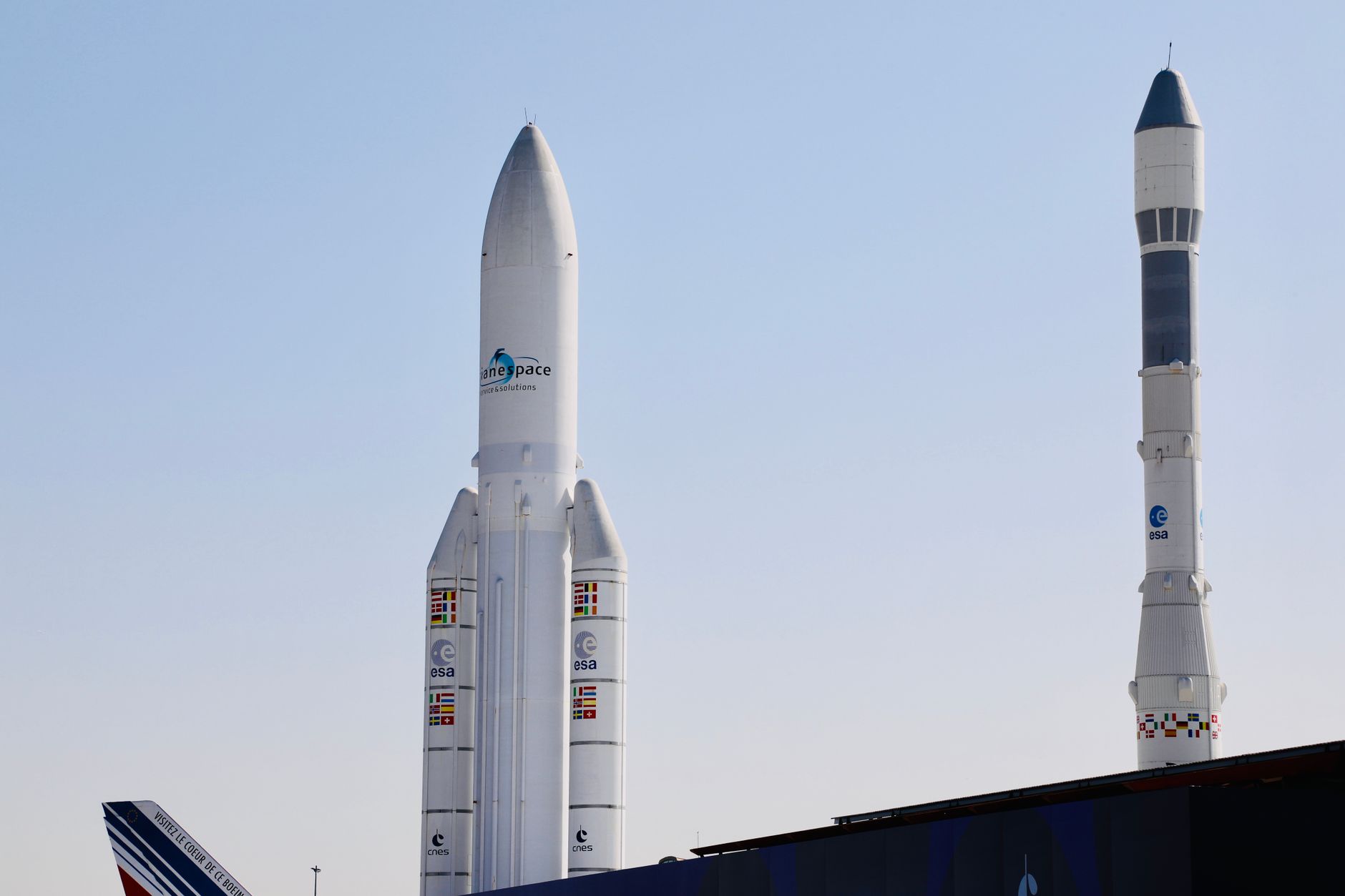
Isar Aerospace, the Munich-based space startup, conducted its second launch attempt of the Spectrum rocket on May 16, 2024, from Andøya Spaceport in Norway. This marked the first ever orbital attempt from a spaceport in mainland Europe by a private company, signifying a critical juncture for Europe's commercial space sector. While the mission was aborted shortly after liftoff due to an "anomaly" and did not reach orbit [Space.com, 2024], the attempt itself underscores the region's push for independent space access and the rise of deep tech startups challenging established incumbents. For founders, this event highlights the immense capital, technical ambition, and iterative development required to penetrate highly regulated, capital-intensive markets, while also illuminating new opportunities for ancillary deep tech ventures.
Quick Takeaways
- Isar Aerospace's May 16, 2024, launch attempt of its Spectrum rocket from Norway was the first orbital launch attempt from mainland Europe by a private company.
- Despite being aborted shortly after liftoff due to an anomaly, the attempt signals Europe's strategic drive for independent access to space and reduced reliance on non-European providers.
- Isar Aerospace, founded in 2018, has raised over $400 million, leveraging "new space" philosophies like 3D printing and automation to develop its 27-meter Spectrum rocket.
- The deep tech startup landscape in Europe is poised for growth, with demand for satellite manufacturing, in-orbit services, and ground infrastructure increasing as launch capabilities mature.
- The event underscores the long development cycles, significant capital requirements, and technical challenges inherent in the commercial space industry, offering lessons in resilience for founders.
The Launch Attempt and its Significance
On May 16, 2024, Isar Aerospace initiated the second launch attempt of its Spectrum rocket from Andøya Spaceport in Norway. This event represented a historic milestone: the first orbital launch attempt ever made from a spaceport located on mainland Europe [Space.com, 2024]. The 27-meter (89-foot) Spectrum rocket, designed to carry up to 1,000 kg (2,200 pounds) to low Earth orbit at a target altitude of 700 kilometers (435 miles), lifted off the pad. However, the mission was "aborted shortly after liftoff due to an anomaly," preventing the vehicle from reaching its intended orbit [Space.com, 2024]. This was not Isar Aerospace's first encounter with launch delays; a prior attempt in December 2023 was also aborted, attributed to an issue with a ground system sensor [EuroWeekly News, 2024].
Despite the unsuccessful orbital insertion, the attempt itself carries substantial weight for Europe's commercial space sector and the broader deep tech ecosystem. It demonstrates tangible progress in developing indigenous launch capabilities, an area where Europe has historically lagged behind global competitors. The ability to launch satellites from European soil, using European-developed rockets, directly addresses a strategic imperative for independent access to space. This reduces reliance on foreign launch providers and mitigates risks associated with geopolitical shifts or capacity constraints elsewhere. For founders of deep tech companies, particularly those in the satellite and space services industries, the emergence of local launch options signifies a maturing market. It promises potentially shorter lead times, greater flexibility, and reduced logistical complexities for deploying their hardware into orbit. The technical challenges inherent in rocket development and launch operations are immense, demanding significant investment in engineering, materials science, and software. Isar Aerospace's iterative approach, marked by these launch attempts, exemplifies the long, often challenging, development cycles characteristic of deep tech ventures. Each attempt, successful or not, generates invaluable data and experience, propelling the company closer to its ultimate goal of reliable orbital access. This process, while costly, is a fundamental part of innovation in the space sector and serves as a blueprint for other deep tech founders navigating complex R&D pathways. The public nature of these attempts also serves to galvanize interest and investment in the European space industry, acting as a beacon for talent and capital.
Isar Aerospace: A European New Space Pioneer
Isar Aerospace, founded in 2018 by Daniel Metzler, Josef Koehler, and Markus Brandl, has rapidly positioned itself as a frontrunner in Europe's "new space" movement [Forbes, 2024]. The Munich-based company embodies a philosophy centered on rapid, cost-effective rocket manufacturing through the adoption of modern engineering techniques. Key among these are extensive use of 3D printing and automation in its production processes [Forbes, 2024]. This approach contrasts with the more traditional, often slower and more expensive, methods employed by legacy aerospace players. By streamlining manufacturing and leveraging advanced materials, Isar Aerospace aims to bring down the cost per launch and increase the frequency of missions, a critical factor for the burgeoning small satellite market.
The company has secured over $400 million in funding, making it one of Europe's best-funded space startups [Space.com, 2024]. This substantial capital infusion underscores investor confidence in its technology and business model, as well as the strategic importance of its mission. The funding empowers Isar Aerospace to continue its intensive research and development, scale its manufacturing capabilities, and attract top-tier engineering talent. The Spectrum rocket itself is a two-stage vehicle, standing 27 meters (89 feet) tall, engineered to deliver payloads of up to 1,000 kg (2,200 pounds) to low Earth orbit, specifically targeting an altitude of 700 kilometers (435 miles) [Space.com, 2024]. This payload capacity places it squarely in the small-to-medium lift category, a segment experiencing high demand from commercial and governmental customers alike. Notable customers already secured by Isar Aerospace include Airbus Defence and Space and the European Space Agency (ESA), signaling robust market interest and validation from established players [Space.com, 2024]. These partnerships are crucial not only for revenue generation but also for demonstrating the reliability and competitiveness of Isar Aerospace's offerings. The company's trajectory illustrates the immense capital requirements and long-term vision necessary to build a deep tech company in the space sector. For other founders, Isar Aerospace’s success in fundraising and securing early customer commitments provides a case study in navigating the complex landscape of deep tech investment and market entry, emphasizing the importance of a clear value proposition, robust technical execution, and strategic partnerships. Its "new space" philosophy, focused on agility and cost-efficiency, also serves as a model for how startups can disrupt established industries by rethinking traditional development and manufacturing paradigms.
Independent Access to Space: Europe's Strategic Imperative
Europe's pursuit of independent and reliable access to space is not merely an economic ambition; it is a strategic imperative. For decades, European space initiatives have largely relied on a combination of internal capabilities, primarily through Arianespace's Ariane family of rockets, and, at times, external launch providers. However, recent challenges, including delays with the next-generation Ariane 6 rocket, have highlighted vulnerabilities in this approach [Forbes, 2024]. These delays create bottlenecks for European satellite operators, scientific missions, and commercial ventures that depend on timely and predictable access to orbit. The ability to launch from European soil, with European technology, directly addresses these concerns. It ensures that critical national and commercial assets can be deployed without being subject to the launch schedules, political considerations, or technical issues of non-European providers.
This drive for independence is particularly crucial for Europe's burgeoning deep tech sector. Startups developing advanced satellite constellations, Earth observation platforms, in-orbit servicing technologies, or space-based manufacturing capabilities require consistent and affordable launch opportunities. Without them, their business models can be jeopardized, their time-to-market extended, and their competitiveness undermined. The absence of reliable domestic launch options can force European companies to seek services from providers in other regions, potentially leading to intellectual property concerns, export control challenges, and a net outflow of capital and expertise. Isar Aerospace’s efforts, therefore, are not just about launching rockets; they are about fostering a resilient, self-sufficient European space economy. This creates a fertile ground for innovation across the entire space value chain. Governments and institutions recognize this, viewing indigenous launch capabilities as a foundational element of national security, economic competitiveness, and technological sovereignty. The investment in companies like Isar Aerospace is a testament to this understanding, reflecting a broader European strategy to cultivate a robust deep tech ecosystem that can compete on the global stage. This strategic shift signals to other deep tech founders in Europe that there is a growing, government-supported market for their innovations, particularly those that contribute to critical infrastructure or strategic independence. The emphasis on independent access also extends to the development of related technologies, from propulsion systems to satellite components, creating a cascading effect of opportunities for specialized deep tech startups across the continent. The long-term vision is to establish Europe as a key player in the global commercial space race, moving beyond being a consumer of launch services to becoming a significant provider.
The Competitive Landscape: Europe's Emerging Launch Providers
The European commercial space sector is undergoing a transformation, with Isar Aerospace at the forefront of a new wave of private launch providers challenging the traditional model dominated by entities like Arianespace. While the research specifically highlights Isar Aerospace's efforts and the delays with Ariane 6, it implicitly points to a burgeoning competitive landscape within Europe for responsive and cost-effective launch services. The market gap created by the Ariane 6 delays and the overall demand for small and medium satellite launches has spurred the emergence of several private companies aiming to fill this void. These companies, much like Isar Aerospace, are leveraging "new space" philosophies, including agile development, advanced manufacturing techniques such as 3D printing, and vertical integration, to offer more flexible and economically viable launch solutions.
The competition is not just about who can launch a rocket, but who can do so reliably, frequently, and at a competitive price point. Isar Aerospace's significant funding of over $400 million underscores the capital intensity of this race, setting a high bar for new entrants [Space.com, 2024]. Its strategy of targeting a 1,000 kg payload capacity with the Spectrum rocket positions it to serve a substantial segment of the small satellite market, including constellations and individual missions [Space.com, 2024]. The company's customer base, including Airbus Defence and Space and the European Space Agency, provides strong validation of its technical approach and market potential [Space.com, 2024]. For other founders in deep tech, particularly those eyeing the space sector, this competitive environment presents both challenges and opportunities. On one hand, securing the necessary capital and technical expertise to build a launch vehicle from scratch is an immense undertaking. On the other, the demand for launch services is creating a vibrant ecosystem of ancillary technologies and services. This includes advanced materials for rocket components, specialized avionics, ground support equipment, launch site operations, and sophisticated software for mission control and data analysis. The success of one European launch provider can catalyze investment and innovation across these related fields, creating a more robust supply chain and talent pool. The race among these new providers is ultimately beneficial for European deep tech, as it drives down costs, increases options, and accelerates the pace of innovation, making space more accessible for a wider range of applications and businesses. This dynamic forces each player to continually innovate, optimize operations, and demonstrate reliability, pushing the entire sector forward.
Opportunities for Deep Tech Founders
The progress made by Isar Aerospace, despite its recent launch anomaly, signals a significant opening for deep tech founders across Europe. The pursuit of independent space access and the maturation of private launch capabilities create a ripple effect of opportunities throughout the space value chain.
Satellite Manufacturing and Components
With more frequent and accessible launch options, the demand for satellites themselves is set to surge. This creates opportunities for startups specializing in novel satellite designs, modular platforms, and advanced components. Founders can focus on developing high-performance, miniaturized sensors, communication modules, propulsion systems for small satellites, or radiation-hardened electronics. For example, companies developing next-generation optical instruments for Earth observation, or highly efficient power systems for extended in-orbit operations, will find a growing market. The ability to launch from Europe could also simplify export regulations and logistics for European satellite manufacturers, making them more competitive globally.
In-Orbit Services and Space Infrastructure
As more satellites populate low Earth orbit, the need for in-orbit services will become critical. This includes startups focused on satellite servicing, such as refueling, repair, or de-orbiting solutions for defunct satellites. Companies developing space debris removal technologies, or those building in-orbit assembly and manufacturing capabilities, will find a nascent but rapidly expanding market. Furthermore, the vision of space infrastructure extends to lunar and Martian missions, creating long-term opportunities for founders working on propulsion, life support systems, and robotics for deep space exploration. The development of sustainable space operations, from resource utilization to waste management, also offers fertile ground for deep tech innovation.
Ground Segment and Data Analytics
Every satellite mission requires robust ground infrastructure for command, control, and data reception. This opens doors for startups developing advanced ground station networks, automated antenna systems, or secure data processing platforms. Beyond infrastructure, the sheer volume of data generated by Earth observation and scientific satellites presents a massive opportunity for data analytics and artificial intelligence. Founders can create companies focused on leveraging satellite imagery for climate monitoring, precision agriculture, urban planning, disaster response, or geopolitical intelligence. Developing AI algorithms to process petabytes of satellite data, extract actionable insights, and deliver them to end-users in various industries represents a high-value deep tech niche.
Advanced Materials and Manufacturing
The "new space" philosophy, exemplified by Isar Aerospace's use of 3D printing and automation, highlights the demand for innovative manufacturing techniques and advanced materials. Founders can build companies specializing in novel lightweight composites, high-temperature alloys, or additive manufacturing processes tailored for aerospace applications. This extends beyond rocket components to satellite structures and payload elements. Startups developing sustainable manufacturing processes or closed-loop material cycles for space applications could also find significant traction as the industry matures and focuses on environmental impact. The drive for cost-efficiency and performance in space hardware constantly pushes the boundaries of materials science and manufacturing engineering.
The overall trend is clear: a more accessible and independent European launch market lowers the barrier to entry for other deep tech ventures, fostering a vibrant ecosystem where innovation across various sub-sectors can thrive. This interdependent growth means that success in one area, like launch, can accelerate progress in many others, creating a powerful network effect for European deep tech founders.
Challenges and the Path Forward
The path to reliable orbital access is fraught with technical, financial, and regulatory challenges, as Isar Aerospace's recent launch anomaly demonstrates. For any deep tech founder entering the space sector, understanding these hurdles is paramount. Firstly, the technical complexity of rocket development is immense. It requires mastery across multiple engineering disciplines – propulsion, avionics, structures, materials science, and software – all operating under extreme conditions. Failures, even minor ones, can lead to mission aborts or catastrophic outcomes, necessitating rigorous testing, iterative design, and robust quality control. The "anomaly" experienced by Isar Aerospace serves as a reminder that even after significant investment and development, the path to space remains inherently difficult and requires persistent problem-solving [Space.com, 2024].
Secondly, the capital intensity of the space industry is formidable. Developing a launch vehicle, establishing manufacturing facilities, and conducting launch campaigns require hundreds of millions, if not billions, of dollars. Isar Aerospace's over $400 million in funding, while substantial, is indicative of the long fundraising cycles and continuous need for capital to sustain operations and scale [Space.com, 2024]. Founders must be prepared for extended periods of R&D before generating significant revenue, requiring patient investors with a long-term vision. Attracting such capital demands a compelling technical roadmap, a clear market strategy, and a highly capable team. Furthermore, the regulatory landscape is complex and varies by country and international treaties. Navigating licensing, environmental assessments, and compliance with space law adds layers of complexity and cost. For European companies, this also involves aligning with European Union regulations and national space agencies, which can be a time-consuming process.
Despite these challenges, the trajectory for Isar Aerospace and the broader European commercial space sector is one of determined progress. The company's resilience, demonstrated by its immediate analysis of the anomaly and commitment to future attempts, is a key characteristic of successful deep tech ventures. Each launch attempt, regardless of its immediate outcome, provides invaluable data and learning opportunities that inform subsequent iterations. This iterative development model, common in software but increasingly vital in hardware-intensive deep tech, allows for continuous improvement and risk mitigation over time. The strategic imperative for European independent access to space provides a strong tailwind, ensuring continued governmental and institutional support. As the sector matures, the focus will shift not just to achieving orbit, but to doing so reliably and frequently. This future demands continued innovation in manufacturing, supply chain optimization, and operational efficiency. For founders, the lesson is clear: deep tech in space requires unwavering commitment, significant capital, a tolerance for setbacks, and the ability to learn and adapt rapidly. The prize, however, is access to a market with strategic importance and immense growth potential, shaping the future of global connectivity, scientific discovery, and national security.
FAQ
Q1: What is Isar Aerospace? A1: Isar Aerospace is a Munich-based private company, founded in 2018 by Daniel Metzler, Josef Koehler, and Markus Brandl, that develops and manufactures rockets to provide independent access to space for European customers [Forbes, 2024].
Q2: What is the Spectrum rocket and what is its capability? A2: The Spectrum rocket is a two-stage vehicle, 27 meters (89 feet) tall, designed by Isar Aerospace. It is intended to carry payloads of up to 1,000 kg (2,200 pounds) to low Earth orbit, with a target altitude of 700 kilometers (435 miles) [Space.com, 2024].
Q3: What happened during Isar Aerospace's May 16, 2024, launch attempt? A3: Isar Aerospace conducted its second launch attempt of the Spectrum rocket on May 16, 2024, from Andøya Spaceport in Norway. The mission was aborted shortly after liftoff due to an "anomaly," preventing the rocket from reaching orbit [Space.com, 2024].
Q4: Why is this launch attempt significant for Europe? A4: This launch attempt was the first ever orbital attempt from a spaceport in mainland Europe by a private company. It signifies Europe's strategic push for independent and reliable access to space, reducing reliance on non-European launch providers and fostering a stronger commercial space sector within the region [Space.com, 2024; Forbes, 2024].
Q5: How much funding has Isar Aerospace raised? A5: Isar Aerospace has raised over $400 million in funding, positioning it as one of Europe's best-funded space startups [Space.com, 2024].
Continue reading


Are you building something worth writing about? Submit your founder story →