
Flourish: Bezos, Google Ventures Back New Brain-Tech Unicorn Non-invasive BCI & AI diagnostics
Flourish, a new neuroscience startup, secured $200 million from Jeff Bezos and Google Ventures, achieving unicorn status at launch to develop non-invasive brain-tech solutions.
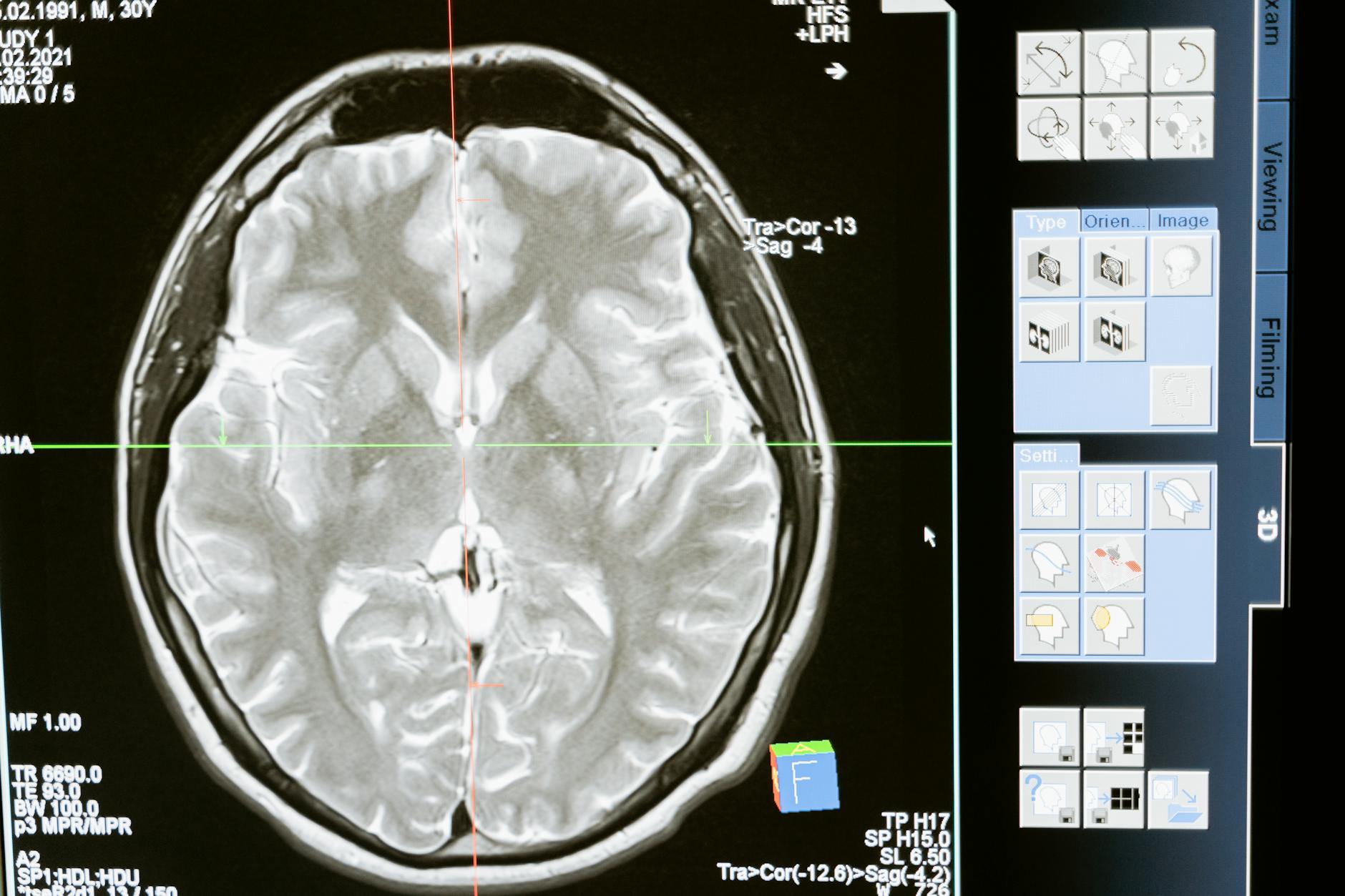
Flourish, a new neuroscience startup, has launched, securing $200 million in Series A funding from investors including Jeff Bezos and Google Ventures. Dr. Elena Petrova, formerly of Neuralink, leads the company, which aims to develop personalized, non-invasive brain-computer interfaces (BCIs) and AI-driven diagnostics. This significant capital infusion signals a major strategic move into the burgeoning brain-tech frontier, positioning Flourish as a potential disruptor in a sector ripe for innovation, and sets a new benchmark for early-stage funding in deep tech.
Quick takeaways
- Flourish secured $200 million in Series A funding from Jeff Bezos (personal investment) and Google Ventures.
- The company, led by Neuralink alumna Dr. Elena Petrova, focuses on personalized, non-invasive BCIs and AI-driven diagnostics.
- Flourish targets conditions including depression, anxiety, ADHD, and early-stage Alzheimer's, aiming to move beyond traditional pharmacology.
- The Series A round valued Flourish at 'north of $1 billion' post-money, classifying it as a unicorn from its inception.
- This investment signals heightened investor confidence in the brain-tech market and a strategic shift towards AI-driven, non-pharmacological neurological treatments.
The $200 Million Series A: A Unicorn from Day One
Flourish officially launched with an unprecedented $200 million Series A funding round, an amount typically reserved for later-stage companies. This substantial capital injection immediately positioned the neuroscience startup as a unicorn, with a post-money valuation reported at 'north of $1 billion' Forbes, 2024. The round saw participation from high-profile investors, notably Jeff Bezos through a personal investment, and Google Ventures Forbes, 2024. Such a significant financial backing at the company's inception underscores a profound investor confidence in Flourish's vision and technological approach, as well as the perceived market potential within the brain-tech sector.
For founders navigating the fundraising landscape, Flourish's launch sets a new, elevated benchmark, particularly for deep technology ventures. A $200 million Series A is a rarity, suggesting that the combination of an experienced founder, a compelling technological premise, and a massive addressable market can command exceptional early-stage valuations. This deal signals that venture capital, especially from strategic corporate VCs like Google Ventures and influential individual investors like Bezos, is willing to commit substantial sums to companies tackling complex, long-term scientific challenges with potential for transformative impact. The capital infusion is earmarked to accelerate the development of Flourish's core offerings: personalized, non-invasive brain-computer interfaces (BCIs) and AI-driven diagnostics Forbes, 2024. This funding allows Flourish to bypass the typical lean startup phases, investing heavily in R&D, talent acquisition, and clinical trials from its earliest days. It also provides a significant competitive advantage, enabling the company to scale its operations and technology development at an aggressive pace without immediate pressure for short-term revenue generation. The involvement of Google Ventures, a venture capital arm known for its strategic investments in technology and life sciences, suggests a potential for future collaborations or integrations with Google's extensive AI and cloud infrastructure. Similarly, Bezos's personal investment often points to a belief in a venture's long-term, disruptive potential, given his track record with companies like Amazon and Blue Origin. The immediate unicorn status, while a testament to investor belief, also places immense pressure on Flourish to deliver on its ambitious goals, transforming a substantial capital raise into tangible scientific breakthroughs and market penetration. Founders in adjacent or competing deep tech sectors must now contend with a significantly capitalized player, potentially altering fundraising expectations and competitive dynamics across the brain-tech ecosystem.
Dr. Elena Petrova's Vision and Neuralink Pedigree
At the helm of Flourish is Dr. Elena Petrova, a figure recognized for her prior work at Neuralink Forbes, 2024. Her transition from Neuralink to founding Flourish provides immediate credibility and a deep understanding of the complexities and potential of neurotechnology. Neuralink, known for its pioneering but highly invasive brain-computer interface technology, offered Petrova a front-row seat to the challenges and opportunities within the BCI space. This background likely equipped her with critical insights into neural engineering, regulatory pathways, and the nuances of translating advanced research into practical applications. Her decision to launch Flourish with a distinct focus on non-invasive solutions marks a strategic divergence from Neuralink's approach, indicating a belief in a broader, more accessible pathway for brain-tech adoption.
Petrova's vision for Flourish is expansive: to revolutionize the treatment of mental health disorders and neurological conditions Forbes, 2024. This ambition is underpinned by the development of personalized, non-invasive BCIs and AI-driven diagnostics Forbes, 2024. Her leadership emphasizes moving beyond traditional pharmacology and therapy, a significant shift in the paradigm of mental and neurological healthcare Forbes, 2024. For founders, Petrova's journey exemplifies the power of leveraging specialized expertise gained at a leading-edge company to launch a new venture. Her pedigree from Neuralink not only attracts top-tier talent but also instills confidence in investors, who recognize the value of a founder with direct experience in a highly technical and regulated field. This prior experience likely streamlines the initial stages of R&D, talent acquisition, and strategic partnerships, as Petrova can draw upon a network and knowledge base established during her tenure at Neuralink. The choice of non-invasive technology is crucial for market penetration. While invasive BCIs offer high signal fidelity, they come with significant surgical risks, ethical considerations, and regulatory hurdles, limiting their immediate applicability to severe conditions. A non-invasive approach, by contrast, promises wider accessibility and faster adoption for a broader range of conditions, aligning with Flourish's goal to address common mental health and neurological issues. Petrova's strategic pivot towards non-invasive solutions, while still leveraging advanced neurotechnology and AI, demonstrates a founder's ability to identify and pursue a differentiated market opportunity based on practical experience and a clear understanding of patient needs and market readiness. Her leadership will be critical in translating complex scientific research into user-friendly, effective treatments, a challenge that requires both scientific acumen and entrepreneurial vision.
The Technology: Non-Invasive BCIs and AI-Driven Diagnostics
Flourish's core technological offering centers on personalized, non-invasive brain-computer interfaces (BCIs) and AI-driven diagnostics Forbes, 2024. This approach signifies a deliberate move away from the surgical implantation required by some BCI technologies, such as those developed by Neuralink. The emphasis on non-invasiveness is a strategic decision aimed at broadening accessibility and reducing the inherent risks associated with neurosurgery, which can include infection, hemorrhage, and tissue damage. By developing BCIs that do not require implantation, Flourish seeks to make advanced neurotechnology available to a much larger patient population, particularly those suffering from common mental health disorders and early-stage neurological conditions.
The startup's technology will specifically focus on four key areas: AI-driven diagnostics, neurofeedback, personalized BCI therapies, and 'neuro-modulators' Forbes, 2024. AI-driven diagnostics are crucial for achieving personalization. By analyzing vast amounts of neural data, AI algorithms can identify subtle patterns and biomarkers indicative of specific neurological or mental health conditions, enabling more precise and individualized treatment plans. This moves beyond generalized diagnostic criteria, offering a granular understanding of a patient's unique brain activity. Neurofeedback, a technique where individuals learn to control their own brain activity in real-time, forms a cornerstone of Flourish's therapeutic approach. Through non-invasive BCI devices, users receive feedback on their brainwaves, allowing them to train specific neural patterns associated with healthier cognitive and emotional states. This self-regulation mechanism offers a non-pharmacological pathway to manage symptoms of conditions like anxiety and ADHD. Personalized BCI therapies extend this concept, tailoring the neurofeedback protocols and BCI interactions to the individual's specific neurological profile and treatment needs, as identified by the AI diagnostics. This personalization aims to maximize therapeutic efficacy, addressing the variability in how individuals respond to treatment. Finally, 'neuro-modulators' likely refer to technologies that can subtly influence brain activity, possibly through external electromagnetic fields or acoustic stimuli, in a controlled and targeted manner. These non-invasive modulation techniques, guided by AI, could offer precise interventions to restore optimal brain function or mitigate pathological neural activity. The integration of AI across all these components is central to Flourish's strategy, moving beyond traditional pharmacology and therapy by providing data-driven, adaptive, and highly targeted interventions Forbes, 2024. For founders in the deep tech space, Flourish's strategy highlights the importance of combining cutting-edge scientific research with a clear path to market adoption. The non-invasive nature of their technology addresses a significant barrier to entry in the BCI market, while the integration of AI promises scalability and personalization, two critical factors for success in modern healthcare technology.
Targeting a Broad Spectrum of Neurological and Mental Health Conditions
Flourish is not targeting a niche ailment but instead aims its advanced neurotechnology at a broad spectrum of widespread and debilitating conditions: depression, anxiety, ADHD, and early-stage Alzheimer's Forbes, 2024. This strategic choice reflects a recognition of the immense global burden posed by these disorders and the limitations of existing treatment paradigms. Depression and anxiety affect hundreds of millions worldwide, often leading to chronic suffering, impaired quality of life, and significant economic costs. While pharmacological and psychotherapeutic interventions exist, they are not universally effective, and many patients experience side effects, remission, or treatment resistance. ADHD, a neurodevelopmental disorder, impacts millions of children and adults, causing difficulties with attention, hyperactivity, and impulsivity, often managed with stimulant medications that carry their own set of concerns. Early-stage Alzheimer's represents an even more profound challenge, with current treatments primarily focused on symptom management rather than disease modification, and no definitive cure.
By addressing such a wide array of conditions, Flourish positions itself to impact a massive market. The common thread among these conditions, from Flourish's perspective, appears to be their neurological underpinnings, which the company believes can be better understood and modulated through personalized, non-invasive BCIs and AI-driven diagnostics. The promise of moving beyond traditional pharmacology and therapy is particularly compelling for these conditions, where patients often seek alternatives or adjuncts to medication due to efficacy issues, side effects, or personal preferences Forbes, 2024. For example, in depression and anxiety, neurofeedback and personalized BCI therapies could offer non-pharmacological pathways to regulate mood and stress responses. For ADHD, similar techniques might help improve focus and impulse control by training specific brainwave patterns. In early-stage Alzheimer's, the application of AI-driven diagnostics could potentially identify individuals at higher risk earlier, and neuro-modulators or BCI therapies might be explored to slow cognitive decline or enhance neural plasticity, though this represents a particularly ambitious frontier. The company’s approach suggests a belief that many mental health disorders are, at their core, disorders of brain function and connectivity that can be directly addressed with neurotechnology. This broad targeting strategy, while ambitious, allows Flourish to pursue multiple clinical pathways and diversify its potential impact, reducing reliance on a single indication. It also implies a robust underlying platform technology capable of being adapted across different neurological signatures. For founders, this demonstrates the strategic advantage of developing a versatile core technology that can be applied to multiple, high-impact clinical needs, rather than a highly specialized solution for a niche problem. The challenge, however, will be demonstrating efficacy and securing regulatory approval across such a diverse range of conditions, each with its own complex pathophysiology and treatment landscape.
The Brain-Tech Frontier: Competition and Market Dynamics
The brain-tech frontier, a burgeoning sector encompassing neuroscience, artificial intelligence, and hardware development, is attracting significant investment and innovation. Flourish emerges into this landscape, which is characterized by a mix of established research institutions, large technology companies, and a growing number of startups. While Flourish's specific focus on personalized, non-invasive BCIs and AI-driven diagnostics for mental and neurological conditions carves out a distinct niche, it operates within a broader competitive environment. One prominent player, though taking a different approach, is Neuralink, where Flourish's founder, Dr. Elena Petrova, previously worked Forbes, 2024. Neuralink focuses on invasive BCIs, primarily for severe neurological impairments like paralysis, aiming for high-bandwidth communication between the brain and external devices through surgically implanted electrodes. This contrasts sharply with Flourish's non-invasive strategy, which prioritizes accessibility and broader application for conditions like depression, anxiety, ADHD, and early-stage Alzheimer's Forbes, 2024.
Beyond Neuralink, the brain-tech space includes companies developing various forms of neurostimulation (e.g., transcranial magnetic stimulation, tDCS), neurofeedback systems, and diagnostic tools utilizing EEG or fMRI. Many of these existing solutions often lack the personalization and AI integration that Flourish aims to deliver. The market also sees activity from major tech companies exploring AI's role in healthcare, though few have ventured as deeply into direct neurotechnology as Flourish intends. The significant capital infusion from Jeff Bezos and Google Ventures into Flourish signals a validation of the brain-tech sector's potential and a strategic shift in investor focus. This level of funding at an early stage immediately elevates Flourish's competitive standing, granting it the resources to attract top talent, invest heavily in R&D, and navigate complex regulatory pathways for medical devices. For other founders in the brain-tech space, Flourish's emergence means several things. First, it validates the market, potentially making it easier for other credible startups to raise capital by demonstrating significant investor interest. Second, it raises the bar. Competitors will need to articulate even more compelling technological differentiation, robust clinical roadmaps, and strong founding teams to attract comparable investment. Third, the focus on non-invasive, AI-driven, personalized solutions highlights a growing industry trend. Founders developing invasive technologies or less sophisticated diagnostic tools may find themselves at a disadvantage if they cannot match Flourish's promise of broad accessibility and tailored treatments. The challenges for Flourish, and indeed for any brain-tech company, remain substantial. Regulatory approval for medical devices, especially those interacting with the brain, is a lengthy and rigorous process. Ethical considerations surrounding brain privacy, data security, and the long-term effects of neuro-modulation are also paramount. However, the substantial early investment positions Flourish to address these challenges with significant resources, potentially accelerating the entire field's progress towards clinical viability and market adoption. The company's success or failure will offer crucial lessons for the broader entrepreneurial ecosystem operating at the cutting edge of neuroscience and AI.
FAQ
Q: What is Flourish's core mission? A: Flourish's primary goal is to develop personalized, non-invasive brain-computer interfaces (BCIs) and AI-driven diagnostics to revolutionize mental healthcare and neurological treatment, moving beyond traditional pharmacology and therapy Forbes, 2024.
Q: Who are the key investors in Flourish? A: Key investors in Flourish include Jeff Bezos, who made a personal investment, and Google Ventures Forbes, 2024.
Q: What is Dr. Elena Petrova's background? A: Dr. Elena Petrova is the CEO and founder of Flourish. She is known for her prior work at Neuralink Forbes, 2024.
Q: Which conditions does Flourish aim to treat? A: Flourish's
Continue reading



The Entrepreneur Story
Is your story worth telling?
We feature founders who are building something real. Apply and we'll be in touch.
Apply to be featured →Stay sharp.
Ideas that move.
Founder stories, emerging ventures, and essays on what's next — straight to your inbox.
Unsubscribe any time.