
Fervo Energy IPO Soars as AI Demands Clean Geothermal Power
Fervo Energy's successful IPO highlights strong investor confidence in Enhanced Geothermal Systems, poised to deliver always-on clean power for soaring AI data center demands.
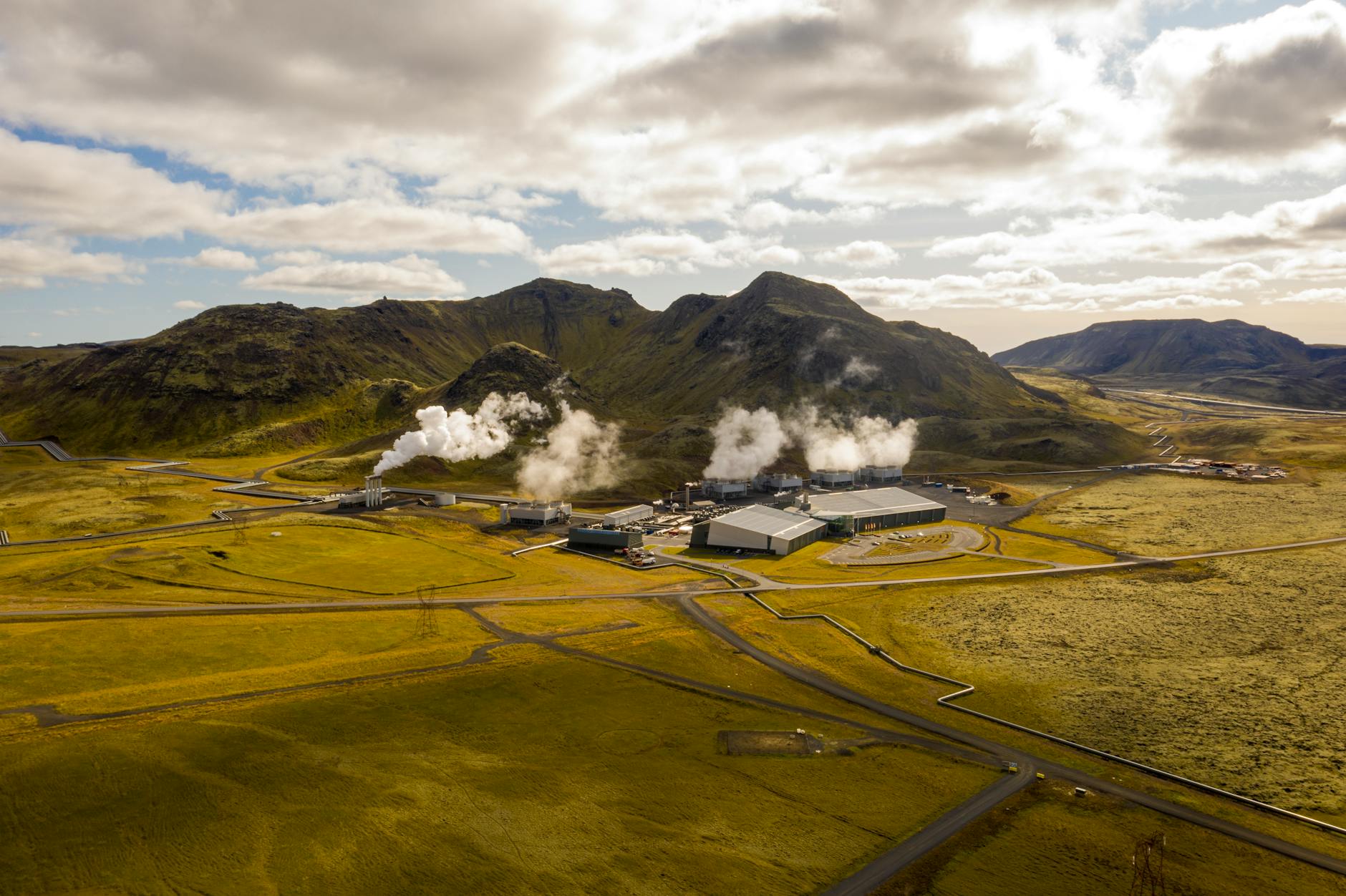
Geothermal startup Fervo Energy made its IPO debut on September 20, 2024, on the New York Stock Exchange (NYSE) under the ticker symbol FRVO, with its shares jumping 33% from their initial price. This successful market entry, which raised $285 million and pushed the company's market capitalization past $3 billion, signals a clear investor appetite for reliable, baseload clean energy solutions, driven significantly by the escalating power needs of artificial intelligence data centers. For founders in cleantech and infrastructure, Fervo's trajectory offers a potent case study on identifying and capitalizing on critical, high-growth market demands.
Quick Takeaways
- Fervo Energy's IPO on September 20, 2024, saw shares climb 33%, raising $285 million and achieving a market cap exceeding $3 billion.
- The strong market reception underscores growing investor confidence in Enhanced Geothermal Systems (EGS) as a solution for always-on, clean power.
- This demand is directly linked to the surging electricity consumption of AI data centers, which require constant, reliable energy sources.
- Fervo's prior $750 million in private funding and a power purchase agreement (PPA) with Google highlight the importance of strategic capital and foundational customer relationships.
- The company aims to produce 1 gigawatt of power by 2030, demonstrating ambitious scaling plans in response to the urgent need for sustainable baseload energy.
Fervo's Public Market Debut: A Signal for Cleantech
Fervo Energy's September 20, 2024, IPO on the New York Stock Exchange marked a significant moment for the cleantech sector. The company's shares, initially priced at $19, opened at $25.26, representing a 33% surge on its trading debut CNBC, 2024. This immediate upward valuation propelled Fervo's market capitalization beyond $3 billion. The IPO successfully secured $285 million in fresh capital, earmarked for the expansion of its enhanced geothermal technology CNBC, 2024. This financial injection will be crucial for Fervo as it moves to scale its operations and bring more projects online.
The market's enthusiastic embrace of Fervo Energy extends beyond the company itself; it reflects a broader recognition of the critical need for reliable, 24/7 clean power sources. Traditional renewable energy sources like solar and wind are intermittent, dependent on weather conditions and time of day. While crucial components of the energy transition, their variability poses challenges for industries requiring constant power, such as data centers. Geothermal, particularly Fervo's Enhanced Geothermal Systems (EGS), offers a solution to this intermittency, providing baseload power that operates continuously CNBC, 2024. The success of Fervo's IPO underscores investor confidence in technologies that can bridge this gap, especially as the energy demands from artificial intelligence continue their steep ascent. Founders observing this IPO should note the premium the market places on solutions that address fundamental, non-negotiable infrastructure requirements, particularly those enabling the growth of other high-tech sectors. The ability to guarantee consistent power delivery, regardless of external factors, positions companies like Fervo as essential infrastructure providers, commanding significant valuation.
The public market debut also serves as a validation for the substantial private capital that Fervo had previously secured. Before going public, the company had raised $750 million in private funding from prominent investors, including Breakthrough Energy Ventures, DCVC, and Galvanize Climate Solutions CNBC, 2024. This strong backing from climate-focused and deep-tech investors provided the runway needed to develop and prove its technology. The successful IPO demonstrates a path for other capital-intensive cleantech ventures to transition from private funding to public markets, provided they can demonstrate a viable path to scale and address a clear market need with a differentiated technological approach. The market's response to Fervo suggests that the appetite for innovative energy solutions, especially those that can meet the rigorous demands of emerging technologies like AI, is robust and growing.
Fervo's Enhanced Geothermal Systems (EGS): Baseload Power for the AI Era
Fervo Energy's core innovation lies in its application of Enhanced Geothermal Systems (EGS) technology. Unlike conventional geothermal plants that rely on naturally occurring hot water and steam reservoirs near the Earth's surface, EGS technology creates engineered reservoirs in areas where hot rock exists but lacks sufficient permeability or fluid to be economically viable with traditional methods CNBC, 2024. Fervo leverages advanced drilling techniques, similar to those used in the oil and gas industry, to access these deeper, hotter rock formations. The process involves circulating water through these hot rocks, heating it, and then bringing the superheated fluid to the surface to generate electricity. This method allows for the extraction of baseload clean energy, meaning power can be generated continuously, 24 hours a day, seven days a week, independent of weather conditions or time of day CNBC, 2024.
This ability to provide always-on power is a critical differentiator in today's energy landscape, particularly with the escalating demands from energy-intensive sectors like artificial intelligence. AI data centers require a constant, stable, and predictable power supply to operate their vast arrays of servers and cooling systems. Intermittent renewables, while carbon-free, often necessitate expensive battery storage solutions or reliance on fossil fuel "peaker" plants to ensure grid stability. EGS, by contrast, offers a direct, consistent source of clean energy, making it an attractive option for companies committed to decarbonizing their operations without compromising reliability.
Fervo's first commercial plant, known as 'Project Red,' is located in Northern Nevada CNBC, 2024. This project serves as a foundational example of the company's capabilities and has already attracted significant attention from major tech players. In 2021, Google signed a power purchase agreement (PPA) with Fervo Energy for geothermal power from Project Red CNBC, 2024. This PPA was a significant validation for Fervo, demonstrating that its technology was not only viable but also attractive to a leading technology company with stringent clean energy targets. Such partnerships are crucial for early-stage infrastructure and energy companies, providing long-term revenue visibility and market credibility. For founders, securing a PPA with a marquee customer like Google can de-risk a project, unlock further financing, and accelerate market adoption. The success of Project Red and the Google PPA has allowed Fervo to expand its development pipeline, with additional projects currently under development in Utah and Idaho CNBC, 2024, signaling a clear strategy for regional expansion and increased power generation capacity.
The AI Energy Imperative: Driving Demand for Baseload Clean Power
The rise of artificial intelligence has introduced an unprecedented demand for electricity, fundamentally reshaping the energy landscape and accelerating the search for reliable, clean power sources. AI models require immense computational power, which translates directly into massive energy consumption for data centers. The U.S. Energy Information Administration (EIA) forecasts that electricity demand from data centers in the United States is expected to rise by 17% in the next two years alone Financial Times, 2024. This surge is not merely a linear increase; the complexity and scale of AI models are growing exponentially, pushing the boundaries of existing energy infrastructure.
What distinguishes AI's energy needs is not just the sheer volume but also the requirement for baseload power. AI algorithms run continuously, processing vast datasets and performing complex computations around the clock. Any interruption or fluctuation in power supply can lead to significant operational disruptions, data loss, and financial penalties. This necessitates power sources that are always available, consistently stable, and highly predictable. While solar and wind are vital for decarbonization, their intermittent nature means they cannot provide this baseload stability without extensive and expensive battery storage, which itself has environmental and economic considerations. This gap creates a critical market opportunity for energy technologies that can deliver constant, clean power.
Fervo Energy's Enhanced Geothermal Systems (EGS) directly addresses this imperative. By extracting energy from the Earth's heat, EGS plants can operate 24/7, providing a constant stream of electricity that is entirely carbon-free at the point of generation CNBC, 2024. This characteristic makes geothermal a particularly attractive solution for hyperscale data center operators and tech companies like Google, which has already partnered with Fervo CNBC, 2024. As companies commit to ambitious net-zero targets, the ability to power their most demanding operations with reliable clean energy becomes a strategic advantage and a necessity for brand reputation and regulatory compliance.
The ripple effects of this AI energy imperative extend across the cleantech landscape. Startups focused on grid modernization, advanced energy storage, nuclear fission and fusion, and other forms of baseload clean power generation are likely to see increased investor interest and market demand. The challenge for these companies is not just to produce clean energy, but to produce it reliably and at scale. Fervo's success highlights that the market is willing to back technologies that can meet the specific, high-stakes demands of the AI era, prioritizing consistency and availability alongside environmental benefits. Founders should identify sectors with non-negotiable energy requirements and develop solutions that deliver unwavering performance while aligning with sustainability goals. The AI boom is not just a computational revolution; it is an energy revolution, and companies positioned to power it cleanly and reliably stand to gain significantly.
Funding Journey and Strategic Partnerships: Building Traction
Fervo Energy's journey to a successful IPO was underpinned by substantial private funding and critical strategic partnerships, providing a blueprint for other capital-intensive cleantech startups. Prior to its public debut, Fervo secured $750 million in private funding from a consortium of prominent investors CNBC, 2024. Key among these backers were Breakthrough Energy Ventures, DCVC, and Galvanize Climate Solutions. The involvement of such high-profile investors, particularly those focused on climate innovation and deep technology, signaled early confidence in Fervo's Enhanced Geothermal Systems (EGS) technology and its potential to address significant energy challenges.
Breakthrough Energy Ventures, founded by Bill Gates, specifically targets companies with the potential to significantly reduce greenhouse gas emissions. Their investment in Fervo underscored the belief that EGS could become a scalable, impactful solution for baseload clean energy. DCVC, a venture capital firm known for investing in "deep tech" companies, recognized the scientific and engineering rigor behind Fervo's approach, particularly its advanced drilling techniques adapted from the oil and gas industry. Galvanize Climate Solutions, another dedicated climate investment platform, further reinforced the alignment of Fervo's mission with broader sustainability goals. The cumulative $750 million in private capital provided Fervo with the necessary resources to de-risk its technology, conduct extensive research and development, and begin the capital-intensive process of deploying its first commercial-scale projects. For founders, attracting such significant and specialized investment is not just about capital; it also brings strategic guidance, industry connections, and invaluable credibility.
Beyond financial backing, Fervo established a crucial strategic partnership with Google. In 2021, Google signed a power purchase agreement (PPA) with Fervo Energy for geothermal power from its Project Red plant in Northern Nevada CNBC, 2024. This PPA was a transformative moment for Fervo. For an energy startup, securing a long-term contract with a major corporate buyer like Google provides several critical advantages. Firstly, it offers a guaranteed revenue stream, which is essential for project financing and attracting further investment. Secondly, it validates the technology's commercial viability and operational reliability. Google, with its vast data center footprint and ambitious 24/7 carbon-free energy goals, is a discerning customer. Their endorsement of Fervo's geothermal power signals that the technology can meet the stringent demands of hyperscale operations.
This partnership is particularly impactful in the context of the AI energy imperative. Google's commitment to Fervo demonstrates how leading tech companies are actively seeking reliable, baseload clean energy solutions to power their rapidly expanding AI infrastructure. For other cleantech founders, Fervo's experience highlights the importance of not only developing innovative technology but also identifying and securing foundational customer relationships that can prove market demand, de-risk projects, and accelerate scaling efforts. The combination of significant private funding from strategic investors and a landmark PPA with a tech giant laid the groundwork for Fervo's successful transition to the public markets, showcasing a robust strategy for growth in the energy sector.
Scaling Ambitions and the Broader Clean Energy Landscape
Fervo Energy's successful IPO and its existing project pipeline underscore ambitious plans for scaling its Enhanced Geothermal Systems (EGS) technology. The company has publicly stated its aim to produce 1,000 megawatts (1 gigawatt) of power by 2030 CNBC, 2024. To put this target into perspective, 1 gigawatt of power is sufficient to power approximately 750,000 homes or multiple large data centers CNBC, 2024. Achieving this goal would position Fervo as a significant player in the baseload clean energy market, contributing substantially to decarbonization efforts and meeting the escalating energy needs of sectors like artificial intelligence.
Scaling geothermal energy, particularly EGS, involves overcoming several challenges. It is a capital-intensive endeavor, requiring significant upfront investment in drilling, infrastructure development, and plant construction. The $285 million raised in the IPO, coupled with the $750 million in prior private funding, provides Fervo with a substantial war chest to pursue these expansion plans CNBC, 2024. The company's first commercial plant, Project Red in Northern Nevada, has served as a critical proof of concept. Building on this success, Fervo is actively developing additional projects in Utah and Idaho CNBC, 2024. These new locations suggest a strategic approach to identifying and developing geothermal resources across different geological settings, broadening the potential applicability of its EGS technology.
In the broader clean energy landscape, Fervo operates within a dynamic and competitive environment. While solar and wind power continue to dominate new renewable energy installations due to their decreasing costs, their intermittent nature necessitates complementary baseload solutions. This is where geothermal, alongside other continuous clean energy sources like nuclear power or advanced hydropower, plays a crucial role. The demand for always-on, carbon-free electricity, intensified by the needs of AI data centers, creates a distinct market segment that Fervo is effectively targeting. Other companies in the cleantech space, whether focused on advanced nuclear, long-duration energy storage, or other forms of geothermal, are also vying for solutions in this baseload category.
Fervo's success signals to other founders that while the energy transition is multifaceted, there is significant value in addressing specific, high-priority market gaps. The ability to provide reliable, 24/7 clean power is not just a technical achievement; it is a strategic business advantage that attracts premium customers and investor confidence. The company's scaling ambitions highlight the long-term capital requirements for deep-tech energy solutions and the importance of a clear development pipeline. For founders looking to make an impact in the energy sector, Fervo's trajectory demonstrates that a focus on technological differentiation, coupled with strategic site selection and robust financial backing, can lead to substantial growth and market leadership in addressing critical energy infrastructure needs.
Lessons for Founders in Cleantech
Fervo Energy's journey from a privately funded startup to a publicly traded company with a multi-billion dollar valuation offers several key lessons for founders operating in the cleantech sector. The company’s success is not accidental; it stems from a deliberate strategy focused on a critical market need, technological differentiation, and robust financial and strategic partnerships.
First, identify and target non-negotiable market demands. Fervo recognized the escalating need for baseload, 24/7 clean power, a requirement that traditional intermittent renewables struggle to meet without costly storage. The rise of AI data centers, with their insatiable and continuous energy appetite, amplified this demand significantly Financial Times, 2024. Founders should look for similar fundamental infrastructure gaps where existing solutions are insufficient or unsustainable. This could be in water, sustainable materials, or other critical resource sectors. Addressing a core, high-stakes problem often leads to stronger market validation and investor interest.
Second, technology differentiation is paramount, especially in capital-intensive sectors. Fervo’s Enhanced Geothermal Systems (EGS) technology, which leverages advanced drilling techniques to create engineered geothermal reservoirs, sets it apart from conventional geothermal methods CNBC, 2024. This innovation allows the company to tap into a much broader range of geothermal resources. For other founders, this means investing in proprietary technology or unique methodologies that offer a distinct competitive advantage and solve complex problems more efficiently or effectively than existing alternatives. Simply being "green" is often not enough; the solution must also be superior in performance or cost-effectiveness for specific use cases.
Third, secure strategic capital and cultivate foundational customer relationships early. Fervo raised $750 million in private funding from specialized investors like Breakthrough Energy Ventures, DCVC, and Galvanize Climate Solutions CNBC, 2024. These investors brought not just capital but also deep industry knowledge and credibility. Equally important was the 2021 power purchase agreement (PPA) with Google for its Project Red plant CNBC, 2024. Such a partnership with a major tech company provided crucial validation, de-risked future projects, and demonstrated commercial viability to the broader market. Founders should actively seek out strategic investors and early customers who can serve as lighthouse accounts, providing both revenue and market proof points.
Finally, demonstrate a clear path to scale and execute on ambitious goals. Fervo's aim to produce 1 gigawatt of power by 2030 signals a confident and actionable growth strategy CNBC, 2024. This long-term vision, backed by successful project deployments in Northern Nevada and plans for expansion into Utah and Idaho, provides investors with confidence in the company's ability to execute. For founders, articulating a credible scaling strategy, demonstrating early traction, and consistently hitting development milestones are vital for maintaining investor interest and achieving significant market penetration. Fervo's IPO is a testament to the fact that deep-tech cleantech companies, when addressing critical needs with innovative solutions and strategic execution, can achieve substantial public market success.
Reader questions.
01What is Enhanced Geothermal Systems (EGS) technology?
Enhanced Geothermal Systems (EGS) technology is a method used by Fervo Energy to extract baseload clean energy by circulating water through hot rock formations deep underground, even in areas without naturally occurring hot water or steam reservoirs. It utilizes advanced drilling techniques to create engineered reservoirs, heating the water and then bringing it to the surface to generate electricity [CNBC, 2024](https://www.cnbc.com/2024/09/20/geothermal-startup-fervo-energy-ipo-jumps-33percent-in-trading-debut.html).02How much capital did Fervo Energy raise in its IPO and what is its valuation?
Fervo Energy's IPO on September 20, 2024, successfully raised $285 million. Following its trading debut, where shares jumped 33%, the company achieved a market capitalization of over $3 billion [CNBC, 2024](https://www.cnbc.com/2024/09/20/geothermal-startup-fervo-energy-ipo-jumps-33percent-in-trading-debut.html).03Why is Fervo Energy's IPO significant for the AI industry?
Fervo Energy's IPO is significant because it highlights the escalating demand for reliable, 24/7 clean power sources, primarily driven by the insatiable energy appetite of AI data centers. Fervo's EGS technology provides baseload, always-on electricity, which is crucial for powering the continuous operations of artificial intelligence infrastructure [CNBC, 2024](https://www.cnbc.com/2024/09/20/geothermal-startup-fervo-energy-ipo-jumps-33percent-in-trading-debut.html). The U.S. EIA forecasts a 17% rise in data center electricity demand in the next two years [Financial Times, 2024](https://www.ft.com/content/13d10034-716d-498c-848e-d9a21d236f01).04Who are Fervo Energy's notable partners and investors?
Prior to its IPO, Fervo Energy raised $750 million in private funding from prominent investors, including Breakthrough Energy Ventures, DCVC, and Galvanize Climate Solutions. Fervo also has a strategic power purchase agreement (PPA) with Google, signed in 2021, for geothermal power from its Project Red plant in Northern Nevada [CNBC, 2024](https://www.cnbc.com/2024/09/20/geothermal-startup-fervo-energy-ipo-jumps-33percent-in-trading-debut.html).05What are Fervo Energy's future growth targets?
Fervo Energy aims to produce 1,000 megawatts (1 gigawatt) of power by 2030, which could power 750,000 homes or multiple large data centers. The company is currently developing additional projects in Utah and Idaho, expanding beyond its initial Project Red plant in Northern Nevada [CNBC, 2024](https://www.cnbc.com/2024/09/20/geothermal-startup-fervo-energy-ipo-jumps-33percent-in-trading-debut.html).
Continue reading



The Entrepreneur Story
Is your story worth telling?
We feature founders who are building something real. Apply and we'll be in touch.
Apply to be featured →Stay sharp.
Ideas that move.
Founder stories, emerging ventures, and essays on what's next — straight to your inbox.
Unsubscribe any time.