
EUCLYD Raises €200M Series A, Taps Ex-ASML Chief for AI Chips
Dutch AI chip startup EUCLYD secures over €200M in Series A funding and appoints former ASML CEO Peter Wennink as Chairman, signaling a major shift in European deep tech.
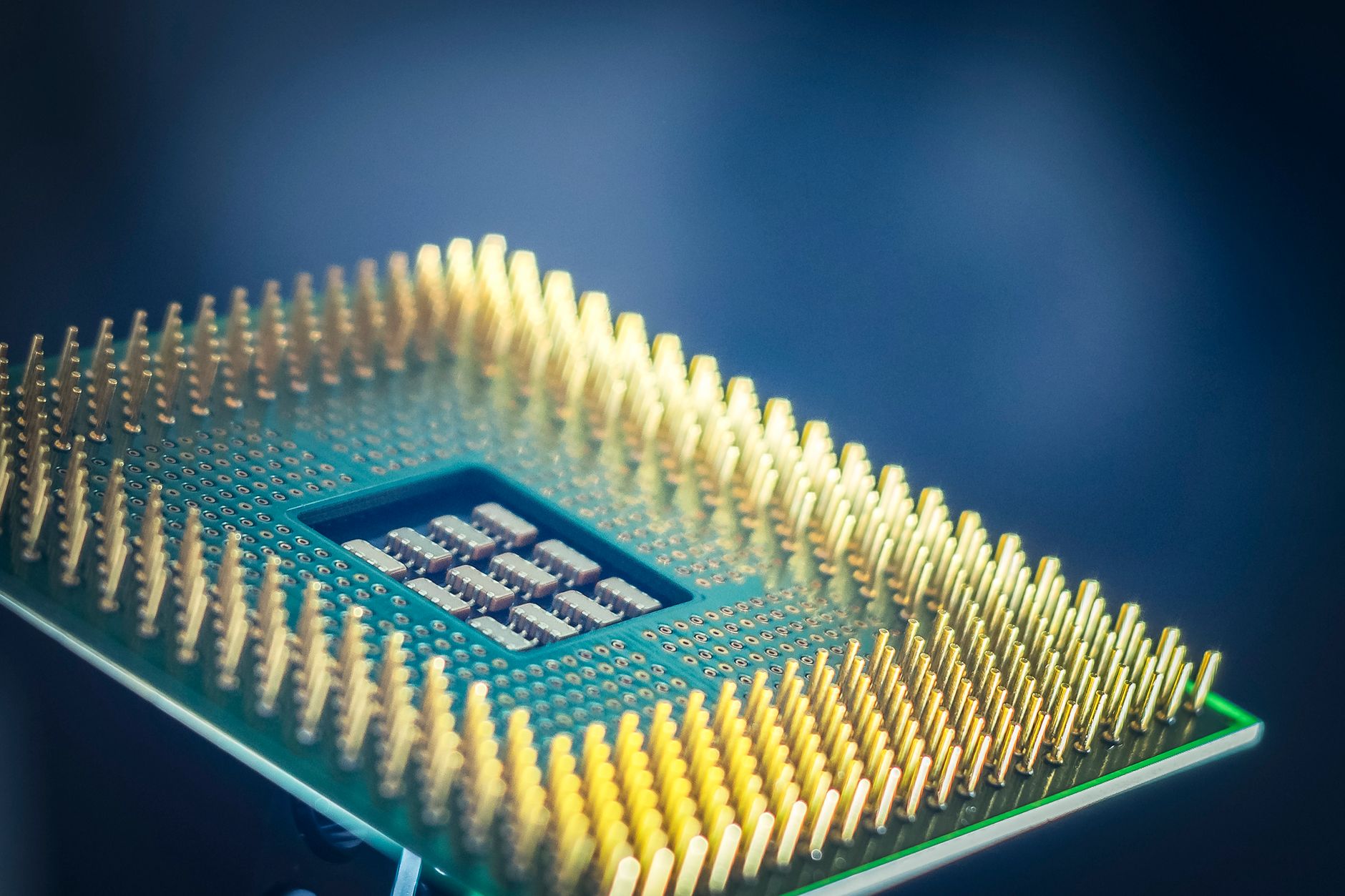
Dutch AI chip startup EUCLYD secured over €200 million in a Series A funding round in September 2026. This massive capital infusion was complemented by Peter Wennink's appointment as its new Chairman; Wennink previously served as CEO of ASML EU-Startups, 2026. The funding and appointment signal significant shifts and growing ambition within the European deep tech and AI hardware landscape. EUCLYD’s trajectory offers a case study for founders in the capital-intensive hardware sector, demonstrating how to attract substantial backing and seasoned leadership for global competition.
Quick takeaways
- Record-Setting Series A: EUCLYD's over €200 million Series A round represents a massive early-stage investment, highlighting investor confidence in European AI hardware.
- Strategic Leadership: Peter Wennink, former ASML CEO, was appointed Chairman, providing EUCLYD with industry expertise and strategic guidance.
- European Deep Tech Momentum: The funding and leadership change signal significant shifts and growing ambition within Europe's deep tech and AI hardware sectors.
- High Capital Intensity: The round's size underscores the substantial capital required for developing competitive AI chip technology and bringing it to market.
- Blueprint for Founders: EUCLYD's approach demonstrates the value of securing both substantial funding and top-tier industry veterans for deep tech startups.
The Scale of Ambition: EUCLYD's Massive Series A
EUCLYD, a Dutch AI chip startup, closed its Series A funding round with over €200 million in capital in September 2026 EU-Startups, 2026. This figure is noteworthy for a Series A. Typically, Series A rounds for technology startups range from a few million to tens of millions of euros, funding product development, team expansion, and market fit. A round exceeding €200 million for an early-stage company is an outlier, indicating extraordinary investor conviction in EUCLYD's technology, team, and market potential. This capital infusion provides the company an extended runway, allowing aggressive investment in research and development, talent acquisition, and critical infrastructure without immediate pressure for subsequent funding rounds.
The sheer volume of this investment reflects the semiconductor industry's inherent capital intensity. Designing, prototyping, and manufacturing advanced AI chips demands significant upfront expenditure in intellectual property, specialized engineering talent, and access to costly fabrication facilities. Unlike software startups, hardware ventures cannot scale with minimal physical overhead. Each chip iteration, from design to tape-out and testing, incurs substantial costs. An over €200 million Series A explicitly acknowledges these financial realities, positioning EUCLYD to compete with established players and well-funded rivals globally. It signals that investors understand the long-term, capital-intensive nature of building a foundational technology company in the deep tech sector.
This 'massive' Series A also carries implications for valuation and competitive positioning. Such a large early round often implies a significant pre-money valuation, reflecting the perceived value of EUCLYD's proprietary technology and its strategic mission. For other founders in the European deep tech space, this deal sets a new benchmark. It demonstrates that substantial capital is available for ventures addressing critical technological gaps with credible teams and ambitious visions, particularly in strategically vital areas like AI hardware. The investment underscores a growing trend of investors willing to commit significant resources early to secure a foothold in technologies that could redefine global industries, rather than waiting for later, more de-risked stages. EUCLYD's ability to attract such a sum speaks to its perceived ability to overcome the significant hurdles inherent in chip development and capture a meaningful share of a rapidly expanding market.
A Titan's Endorsement: Peter Wennink Joins as Chairman
Peter Wennink's appointment as EUCLYD's new Chairman is as significant as the funding itself EU-Startups, 2026. Wennink previously served as CEO of ASML, a Dutch company holding a near-monopoly on the highly specialized photolithography equipment essential for manufacturing advanced semiconductor chips. ASML's technology is foundational to the global semiconductor industry, making it one of Europe's most strategically important companies. Wennink’s tenure at ASML saw the company navigate complex geopolitical landscapes, expand its technological leadership, and solidify its critical position in the supply chain for every major chipmaker worldwide.
His decision to join EUCLYD's board sends a powerful signal to the market, investors, and potential partners. It profoundly validates EUCLYD's technological approach and strategic direction. Wennink brings an unparalleled understanding of the semiconductor ecosystem, from advanced manufacturing processes and global supply chain intricacies to the strategic demands of scaling a deep tech company. His experience extends beyond technical leadership; he has navigated complex international trade dynamics, managed relationships with the world's largest technology companies, and overseen massive capital expenditure projects. This expertise is invaluable for an AI chip startup aiming to move from design to mass production and market penetration.
For EUCLYD, Wennink's chairmanship means access to decades of strategic insight, a vast network within the semiconductor industry, and a proven track record of operational excellence at the highest level. He can guide the company through critical decisions related to technology roadmaps, manufacturing partnerships, and global market expansion. His presence on the board also serves as a potent magnet for top-tier talent, signaling that EUCLYD is a serious player with the backing of an industry titan. This level of experienced leadership is rare for a Series A company and significantly de-risks the venture in the eyes of future investors and customers. It suggests that EUCLYD is not just developing innovative technology but also building a robust operational framework capable of executing its ambitious goals.
Wennink's involvement also bolsters the narrative of European ambition in AI hardware. His deep roots in the Dutch and broader European semiconductor landscape underscore the region's commitment to fostering its own champions in critical technology sectors. His move from a global incumbent to a nascent startup highlights a generational transfer of knowledge and a strategic bet on the future of specialized AI processing. This is not merely a board appointment; it is a strategic maneuver that positions EUCLYD with an immediate competitive advantage in terms of credibility, guidance, and access to a deeply complex global industry.
Europe's Strategic Play in AI Hardware
The substantial investment in EUCLYD and Peter Wennink's high-profile appointment underscore a broader, strategic pivot within Europe towards building robust capabilities in AI hardware EU-Startups, 2026. For decades, Europe has lagged behind the United States and Asia in direct manufacturing and design of leading-edge semiconductors, despite housing critical players like ASML that provide foundational tools. The current geopolitical climate, coupled with AI's exponential growth, has intensified the drive for technological sovereignty and reduced reliance on external supply chains. AI chips are now recognized as a foundational technology, critical for everything from cloud computing and data centers to autonomous systems and edge devices. Control over this hardware is seen as essential for national security, economic competitiveness, and digital independence.
The European Union and individual member states have increasingly emphasized the need to foster domestic innovation and production in semiconductors. This involves significant public and private investment initiatives aimed at supporting research, developing manufacturing capabilities, and nurturing a new generation of chip design companies. EUCLYD's massive Series A directly manifests this strategic imperative. It demonstrates that private capital aligns with public policy goals to back ventures that can establish European leadership in specific, high-value segments of the semiconductor market, such as specialized AI accelerators. The focus on AI chips is particularly acute because of the dominance of a few non-European companies in general-purpose GPU markets, creating a perceived vulnerability and a clear opportunity for specialized alternatives.
The Netherlands, EUCLYD's home base, is a logical hub for such a venture. Beyond ASML, the country boasts a strong ecosystem of deep tech universities, research institutions, and a skilled workforce in microelectronics and high-tech engineering. This environment provides fertile ground for startups like EUCLYD to innovate. The presence of a seasoned figure like Wennink, who understands the intricacies of scaling a Dutch deep tech company to global prominence, further solidifies this strategic approach. His involvement signals that Europe is not just investing in nascent ideas but is also committed to providing the experienced leadership necessary to transform these ideas into global market leaders.
This collective ambition is about more than economic gain; it is about securing Europe's future in the digital age. By fostering companies like EUCLYD, the region aims to build resilience against supply chain disruptions, create high-value jobs, and ensure it remains at the forefront of technological innovation. The investment in EUCLYD is therefore not an isolated event but a critical piece of a larger puzzle, reflecting a concerted effort to establish Europe as a formidable player in the global AI hardware race. This push also means that other founders in related deep tech fields can expect increased investor interest and strategic support as Europe seeks to diversify and strengthen its technological base.
The Deep Tech Funding Landscape: Benchmarking EUCLYD
EUCLYD's over €200 million Series A, secured in September 2026, represents a significant benchmark within the European deep tech funding landscape EU-Startups, 2026. While European venture capital has grown considerably over the past decade, it has historically trailed the US in the sheer volume and size of early-stage rounds, particularly for capital-intensive hardware and deep tech ventures. This 'massive' Series A round for an AI chip startup indicates a maturing and increasingly ambitious investment climate in Europe, willing to back long-term, high-risk, high-reward propositions.
Deep tech, by its nature, requires patient capital. The timelines for R&D, product development, and market penetration are often longer than for software-as-a-service or consumer internet companies. Hardware startups, especially in semiconductors, face additional hurdles related to manufacturing costs, supply chain complexities, and the need for specialized intellectual property. A typical Series A for a software company might focus on achieving product-market fit and initial revenue growth, often requiring €5-€20 million. For deep tech hardware, however, capital requirements are exponentially higher from the outset. EUCLYD's funding round acknowledges this reality, providing the necessary war chest to move beyond conceptual design into serious prototyping, testing, and potential manufacturing partnerships.
This scale of funding also signals a shift in investor appetite. Traditional venture capital models, often driven by quick returns, sometimes shied away from deep tech due to its longer cycles and higher capital demands. However, the strategic importance of areas like AI hardware, quantum computing, and advanced materials has attracted a new breed of investors, including corporate VCs, sovereign wealth funds, and specialized deep tech funds, who are prepared for extended timelines and larger check sizes. These investors do not just seek rapid exits; they seek to build foundational companies that can create entirely new markets or disrupt existing ones on a global scale.
For other founders in the deep tech sector, EUCLYD's success provides a powerful example. It demonstrates that while hardware's barriers to entry are high, the rewards for those who can secure significant early funding and strong leadership are substantial. It validates the approach of tackling fundamental technological challenges that require significant capital to solve. The deal suggests that investors increasingly recognize the strategic value of owning core technology rather than relying solely on software layers. It also implies a higher bar for deep tech startups seeking similar funding: a clear vision for market disruption, a compelling technological advantage, and a credible plan for navigating the capital-intensive path to commercialization are paramount. Investors' willingness to commit over €200 million at Series A highlights growing confidence in Europe's ability to produce global deep tech leaders.
What This Means for Founders: Lessons from EUCLYD
EUCLYD's over €200 million Series A and Peter Wennink's appointment as Chairman offer several critical lessons for founders, particularly those operating in the deep tech and hardware sectors EU-Startups, 2026. First, the funding round's scale underscores the necessity of adequately capitalizing hardware ventures from the outset. Unlike software, where lean methodologies can often defer significant capital expenditure, chip design and manufacturing demand substantial upfront investment. Founders in hardware must articulate a clear, capital-intensive roadmap and be prepared to seek investors who understand and are comfortable with these requirements. Securing a 'massive' Series A demonstrates that ambitious hardware projects can attract necessary funds if the vision is compelling and the market opportunity is significant.
Second, the strategic importance of an experienced board cannot be overstated. Peter Wennink's arrival as Chairman brings not just a name but decades of unparalleled operational, strategic, and industry-specific expertise from ASML. For founders, this highlights the value of recruiting board members who possess deep industry knowledge, extensive networks, and a proven track record of scaling complex organizations. Such individuals can provide critical guidance, open doors to partnerships, and lend invaluable credibility to a nascent company. A strong board can significantly de-risk a startup in the eyes of investors and customers, accelerating its trajectory. Founders should proactively identify and engage with industry veterans, even if only for advisory roles initially, with an eye towards formal board positions as the company matures.
Third, EUCLYD's story testifies to the growing opportunities within the European deep tech landscape. The region increasingly becomes fertile ground for innovation in critical technologies like AI hardware, backed by both private capital and strategic public initiatives. This signals to founders that Europe is serious about fostering its own technological champions. Founders should leverage the regional ecosystem, including universities, research institutions, and established industry players. EUCLYD's success could inspire more capital to flow into similar ventures, creating a virtuous cycle of innovation and investment. This also means founders should consider their technology's strategic geopolitical importance, as this can attract different types of investors and government support.
Finally, the deal emphasizes the long-term vision required for deep tech. Building an AI chip company is not a short-term play; it involves years of R&D, significant capital outlays, and navigating complex market dynamics. Founders must be prepared for this extended timeline and articulate a compelling, long-term vision to attract patient capital. They must also demonstrate a clear understanding of the competitive landscape, their technology's unique value proposition, and a credible path to commercialization. EUCLYD's ability to secure such a substantial Series A, coupled with top-tier leadership, provides a template for how deep tech founders can position themselves for success in a highly competitive and strategically vital sector.
FAQ
Q: What is EUCLYD? A: EUCLYD is a Dutch startup specializing in the development of AI chips EU-Startups, 2026.
Q: How much funding did EUCLYD raise and what round was it? A: EUCLYD raised over €200 million in its Series A funding round EU-Startups, 2026.
Q: Who is Peter Wennink and what is his role at EUCLYD? A: Peter Wennink previously served as CEO of ASML. He has been appointed as the new Chairman of EUCLYD EU-Startups, 2026.
Q: Why is this funding round and appointment significant for the European tech landscape? A: The funding and Wennink's appointment signal significant shifts and growing ambition in the European deep tech and AI hardware sectors, indicating a strong push to develop competitive domestic capabilities in critical technologies EU-Startups, 2026.
Q: When was this news reported? A: The news regarding EUCLYD's funding and Wennink's appointment was reported in September 2026 EU-Startups, 2026.
Continue reading


Are you building something worth writing about? Submit your founder story →