
ESS Inc. Raises $750M via SPAC for Long-Duration Iron-Flow Batteries Valued at $1.075 Billion
ESS Inc. raised $750 million via a SPAC merger and PIPE, going public to accelerate deployment of its 'rust-powered' iron-flow batteries.
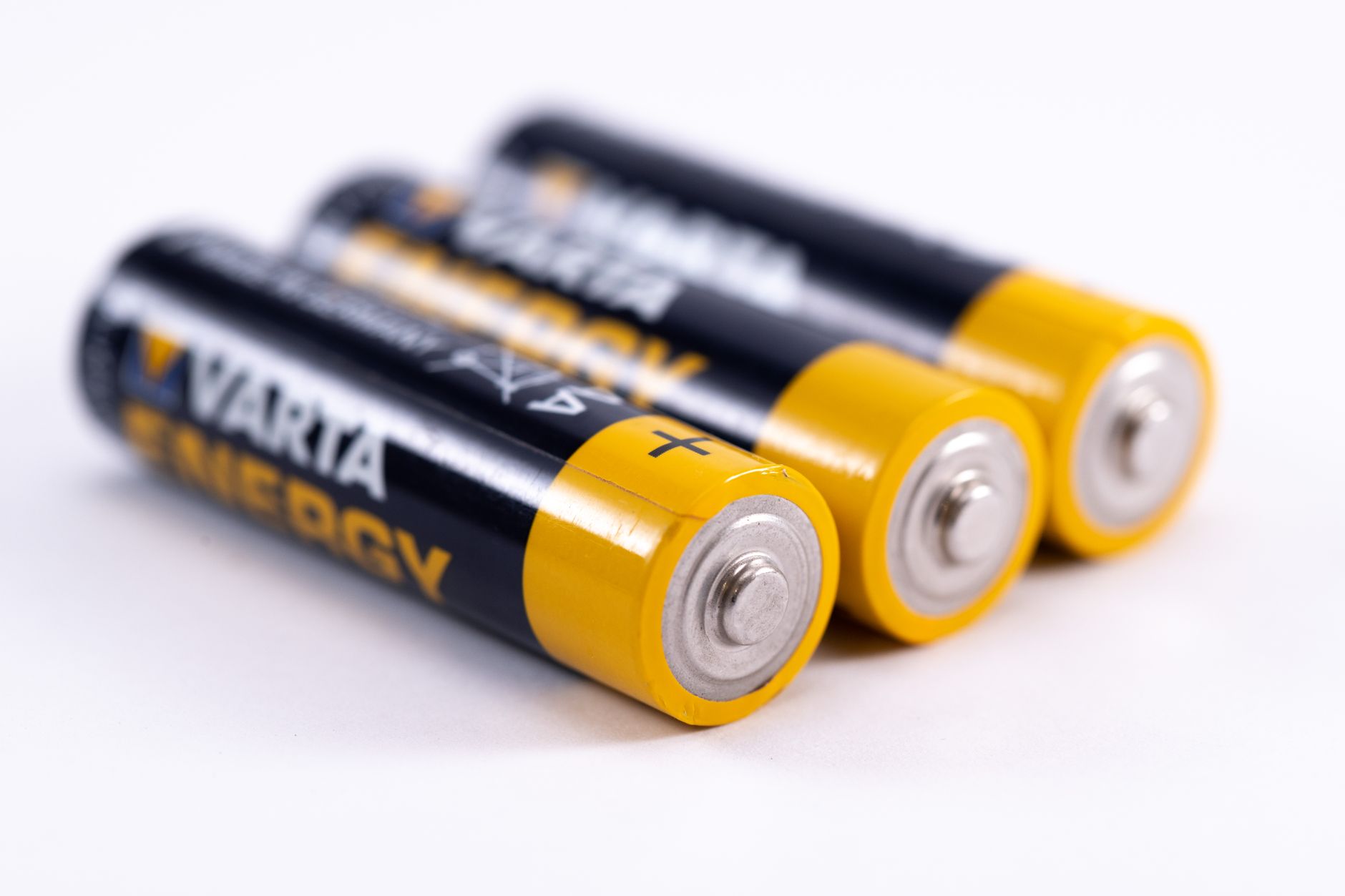
ESS Inc., the developer of long-duration iron-flow batteries, raised approximately $750 million in new capital on May 10, 2021, through a SPAC merger with ACON S2 Acquisition Corp. and a Private Investment in Public Equity (PIPE) transaction, valuing the company at $1.075 billion. This substantial capital infusion positions ESS Inc. to accelerate the deployment of its sustainable, non-flammable energy storage solutions and highlights a significant pathway for deep-tech companies to access public markets and scale manufacturing. For founders, this deal underscores the increasing appetite for climate tech investments and the strategic use of SPACs to fund capital-intensive ventures in the energy sector.
Quick Takeaways
- ESS Inc. raised approximately $750 million in new capital through a SPAC merger and PIPE transaction.
- The deal valued the long-duration battery firm at an enterprise value of approximately $1.075 billion.
- The company is now publicly traded on the NYSE under the ticker symbol "GWH."
- ESS Inc. manufactures iron-flow batteries using earth-abundant materials like iron, salt, and water, designed for 4 to 12+ hours of continuous discharge.
- This capital raise is set to accelerate the deployment of its "rust-powered" battery technology for commercial, industrial, and utility-scale applications.
The $750 Million Bet on Rust: A Public Market Entry
ESS Inc.'s approximately $750 million capital raise, finalized on May 10, 2021, represents a significant moment for the long-duration energy storage sector. The funding mechanism involved a two-pronged approach: a $450 million SPAC merger with ACON S2 Acquisition Corp. and an additional $300 million PIPE transaction Reuters, 2021. This combined capital injection valued ESS Inc. at an enterprise value of approximately $1.075 billion, propelling the 2011-founded company onto the New York Stock Exchange (NYSE) under the ticker symbol "GWH" PV Magazine USA, 2021.
The decision to go public via a SPAC merger, rather than a traditional IPO, reflects a broader trend among growth-stage companies, particularly those in capital-intensive industries like cleantech. SPACs, or Special Purpose Acquisition Companies, offer a potentially faster route to public markets, often with greater certainty regarding valuation and capital raised compared to a traditional IPO process. For ESS Inc., this structure provided immediate access to substantial funding needed to scale its manufacturing operations and accelerate product deployment. The $300 million PIPE component, involving investors such as Breakthrough Energy Ventures, SB Energy (a SoftBank Group Corp. subsidiary), BASF, Fidelity Management & Research Company, P N M Resources, and ETC Holdings, further validated the company's technology and market potential Business Wire, 2021. These institutional commitments signal confidence in ESS Inc.'s ability to execute its growth strategy and capture a share of the burgeoning energy storage market. The capital is explicitly earmarked to scale the deployment of its iron-flow battery technology, which is critical for meeting the increasing demand for grid-scale, long-duration storage solutions. This massive raise underscores the significant financial backing now available for deep-tech companies addressing fundamental infrastructure challenges, providing a blueprint for other founders navigating the complex landscape of hardware development and commercialization.
Iron-Flow: The 'Rust-Powered' Alternative
At the core of ESS Inc.'s valuation and market appeal is its proprietary iron-flow battery technology, often described as "rust-powered." Unlike the more prevalent lithium-ion batteries, ESS Inc.'s systems utilize earth-abundant and non-toxic materials: iron, salt, and water Reuters, 2021. This material composition offers several distinct advantages, particularly in terms of sustainability, safety, and cost scalability. The batteries are designed to be fully recyclable, aligning with growing environmental, social, and governance (ESG) mandates for infrastructure projects. Furthermore, they are non-flammable, a critical safety feature that addresses concerns associated with some other battery chemistries, especially in large-scale installations near populated areas or sensitive infrastructure PV Magazine USA, 2021.
The operational principle behind these batteries is based on a reversible electrochemical reaction involving iron. The proprietary electrolyte stores and discharges energy by converting iron to rust and back again, a process that is inherently robust and repeatable PV Magazine USA, 2021. This mechanism allows for long-duration energy storage, typically providing 4 to 12+ hours of continuous discharge PV Magazine USA, 2021. This extended discharge capability is crucial for integrating intermittent renewable energy sources like solar and wind into the grid. While lithium-ion batteries excel at short-duration power applications, they become prohibitively expensive for storing energy for many hours or even days. Long-duration solutions, like those offered by ESS Inc., are vital for ensuring grid stability, enabling peak shifting, and providing backup power for extended periods, thus accelerating the transition away from fossil fuel-based generation. For founders developing new energy technologies, ESS Inc.'s approach highlights the value of focusing on specific market gaps—in this case, the need for safe, sustainable, and cost-effective long-duration storage—rather than attempting to compete directly with incumbent technologies across all applications. The use of abundant materials also derisks supply chains, a lesson relevant for any hardware-focused startup.
Market Opportunity and Competition in Long-Duration Storage
The market for long-duration energy storage is experiencing rapid growth, driven by the global push for decarbonization and the increasing penetration of renewable energy. ESS Inc. is targeting commercial, industrial, and utility-scale applications, where the demand for reliable, extended-duration power is paramount Business Wire, 2021. Utility-scale projects, in particular, require systems capable of dispatching power for many hours to balance the grid, smooth out renewable intermittency, and defer costly transmission and distribution upgrades. Industrial facilities and commercial campuses often seek long-duration storage for resilience, demand charge management, and to integrate their own renewable generation assets.
The competitive landscape in long-duration energy storage is diverse and evolving. While lithium-ion batteries currently dominate the overall energy storage market, their economics for discharge durations exceeding four hours become challenging, creating an opening for alternative technologies. Companies pursuing long-duration solutions employ a variety of approaches, including other flow battery chemistries (e.g., vanadium, zinc-bromine), compressed air energy storage (CAES), liquid air energy storage (LAES), gravitational storage, and thermal energy storage. Each technology has its own set of advantages and disadvantages regarding cost, efficiency, footprint, and scalability. ESS Inc.'s differentiation lies in its use of extremely low-cost, earth-abundant materials, which theoretically allows for a lower levelized cost of storage over the long term, especially for systems designed for daily cycling over decades. The non-flammable nature and recyclability of its iron-flow batteries also provide a competitive edge in safety-conscious and environmentally regulated markets. For founders entering this space, understanding the specific technical and economic sweet spots for their chosen technology is critical. The market is not a monolith; success often comes from addressing a precise need that incumbent solutions cannot efficiently meet. The challenge for ESS Inc., like any company introducing a novel technology, will be to rapidly scale manufacturing, drive down costs through volume, and build market trust to compete effectively against both established and emerging long-duration storage providers. This requires not just technological innovation but also robust commercialization and operational excellence.
The Road to Public Markets: A SPAC-Fueled Growth Strategy
ESS Inc.'s decision to become a publicly traded company via a SPAC merger with ACON S2 Acquisition Corp. marks a significant strategic pivot for the 2011-founded firm. Trading on the New York Stock Exchange (NYSE) under the ticker "GWH," this move provides ESS Inc. with the financial firepower and public visibility necessary to scale operations rapidly PV Magazine USA, 2021. The $750 million in new capital, comprising a $450 million SPAC merger and a $300 million PIPE, is critical for a company operating in the hardware-intensive energy sector, where R&D, manufacturing infrastructure, and project deployment require substantial upfront investment.
A SPAC merger, in this context, offered ESS Inc. a streamlined path to public markets compared to a traditional initial public offering (IPO). This route can provide a more predictable timeline and valuation, which is particularly attractive for companies with long development cycles and significant capital needs, like those in deep tech. For founders observing this trend, the ESS Inc. deal illustrates how SPACs can serve as a viable alternative for accessing large pools of capital, especially when a company has demonstrated product viability and secured significant customer interest, but requires growth equity beyond what private markets typically offer for scaling manufacturing. The backing from a diverse group of institutional investors in the PIPE, including Breakthrough Energy Ventures, SB Energy, BASF, Fidelity Management & Research Company, P N M Resources, and ETC Holdings, further underscores the market's confidence in ESS Inc.'s technology and business model Business Wire, 2021. These investors are not merely providing capital; they are lending credibility and strategic support, which can be invaluable for a company transitioning from private to public ownership. The public listing will enable ESS Inc. to access deeper capital markets for future expansion, attract top talent with publicly traded stock options, and enhance its brand recognition among potential customers and partners. This strategic move positions ESS Inc. to accelerate its mission of deploying sustainable, long-duration energy storage solutions globally, capitalizing on the growing demand for renewable energy integration and grid modernization.
Founder Vision and Operational Scale
ESS Inc. was founded in 2011, embarking on a decade-long journey of research, development, and commercialization before its public market debut PV Magazine USA, 2021. This extended timeline is characteristic of deep-tech and hardware startups, particularly those developing entirely new energy technologies. The vision to pursue iron-flow batteries, leveraging common, inexpensive materials like iron, salt, and water, was a bet on long-term sustainability and cost-effectiveness over immediate market dominance. This foresight required significant patience and sustained investment, hallmarks of successful deep-tech ventures.
Under the leadership of CEO Eric Dresselhuys, ESS Inc. has methodically advanced its technology from concept to commercial deployment Reuters, 2021. The company operates its manufacturing facility in Wilsonville, Oregon, a critical asset for scaling production of its complex battery systems PV Magazine USA, 2021. Building and scaling such a facility is a capital-intensive undertaking, demanding expertise in engineering, supply chain management, and advanced manufacturing processes. For founders in similar hardware-centric fields, ESS Inc.'s trajectory offers several key lessons. First, the commitment to a long-term vision, even in the face of initial skepticism or slower market adoption, is crucial. Deep technology often requires years to mature and gain commercial traction. Second, securing patient capital, exemplified by early investors like Breakthrough Energy Ventures, is paramount. These investors understand the inherent risks and extended timelines of pioneering new technologies. Third, the transition from R&D to scalable manufacturing is a distinct challenge that requires a shift in focus and significant operational build-out. Founders must anticipate these phases and plan for the necessary capital and talent acquisition. The $750 million raise will now enable ESS Inc. to significantly expand its Wilsonville operations, streamline its production lines, and accelerate the delivery of its "rust-powered" batteries to a growing customer base, turning a decade of development into widespread commercial impact. This journey from a 2011 founding to a $1.075 billion public valuation in 2021 demonstrates the immense potential and the demanding path of innovation in the energy sector.
Challenges and Future Outlook
While ESS Inc.'s $750 million capital raise and public listing mark a significant milestone, the path forward for any deep-tech company in the energy sector is rarely without challenges. Scaling a novel battery technology from pilot projects to widespread commercial and utility-scale deployment involves navigating complex hurdles. Manufacturing at scale, for instance, demands precision engineering, robust supply chain management for even abundant materials, and efficient production processes to drive down costs. While iron, salt, and water are inexpensive, the industrial processes to convert them into high-performance battery components require continuous optimization. The company's manufacturing facility in Wilsonville, Oregon, will be central to this scaling effort, requiring significant investment in automation and capacity expansion.
Market adoption also presents its own set of challenges. Despite the clear advantages of long-duration storage, new technologies must often overcome inertia from established energy incumbents and demonstrate proven reliability and economic viability over extended periods. Competing with the incumbent lithium-ion technology, even in its less optimal long-duration application, requires ESS Inc. to differentiate aggressively on factors like safety, environmental footprint, and total cost of ownership over a 20-year lifespan. Furthermore, the regulatory landscape for energy storage is constantly evolving, with incentives and requirements varying by region and grid operator. ESS Inc. must remain agile in adapting its commercial strategies to these diverse market conditions. For founders, ESS Inc.'s journey underscores the necessity of not only technical prowess but also strong commercial execution, strategic partnerships, and a deep understanding of market dynamics. The significant capital infusion provides a strong foundation, enabling ESS Inc. to accelerate its product roadmap and penetrate new markets. The long-term outlook for iron-flow batteries appears promising, given the increasing global demand for grid flexibility and the imperative for sustainable energy solutions. As renewable energy penetration continues to grow, the need for safe, cost-effective, and long-duration storage will only intensify, positioning companies like ESS Inc. to play a critical role in the global energy transition. The public market will now scrutinize ESS Inc.'s ability to translate its technological promise into sustained financial performance and widespread deployment, offering a real-time case study for other founders in the cleantech space.
FAQ
Q: What is ESS Inc. and what technology do they develop? A: ESS Inc. is a company, founded in 2011, that develops long-duration iron-flow batteries. These batteries utilize earth-abundant and non-toxic materials like iron, salt, and water, storing and discharging energy by converting iron to rust and back again. They are designed for 4 to 12+ hours of continuous discharge and are non-flammable PV Magazine USA, 2021, Reuters, 2021.
Q: How much capital did ESS Inc. raise and how was it structured? A: ESS Inc. raised approximately $750 million in new capital on May 10, 2021. This included a $450 million SPAC merger with ACON S2 Acquisition Corp. and a $300 million Private Investment in Public Equity (PIPE) transaction Reuters, 2021, Business Wire, 2021.
Q: What is ESS Inc.'s valuation after this transaction? A: The transaction valued ESS Inc. at an enterprise value of approximately $1.075 billion Reuters, 2021.
Q: Where is ESS Inc. listed publicly? A: ESS Inc. became a publicly traded company on the New York Stock Exchange (NYSE) under the ticker symbol "GWH" PV Magazine USA, 2021.
Q: Who are some of the key investors in ESS Inc.? A: Key investors in ESS Inc. include Breakthrough Energy Ventures, SB Energy (a SoftBank Group Corp. subsidiary), BASF, Fidelity Management & Research Company, P N M Resources, and ETC Holdings Business Wire, 2021.
Continue reading


The Entrepreneur Story
Is your story worth telling?
We feature founders who are building something real. Apply and we'll be in touch.
Apply to be featured →Stay sharp.
Ideas that move.
Founder stories, emerging ventures, and essays on what's next — straight to your inbox.
Unsubscribe any time.