
Elon Musk: AI's Power Bottleneck & Push for Gas, Nuclear
Elon Musk highlights electrical power as AI's biggest bottleneck, advocating for natural gas and nuclear to fuel xAI's massive supercomputers, a critical shift for all AI founders.
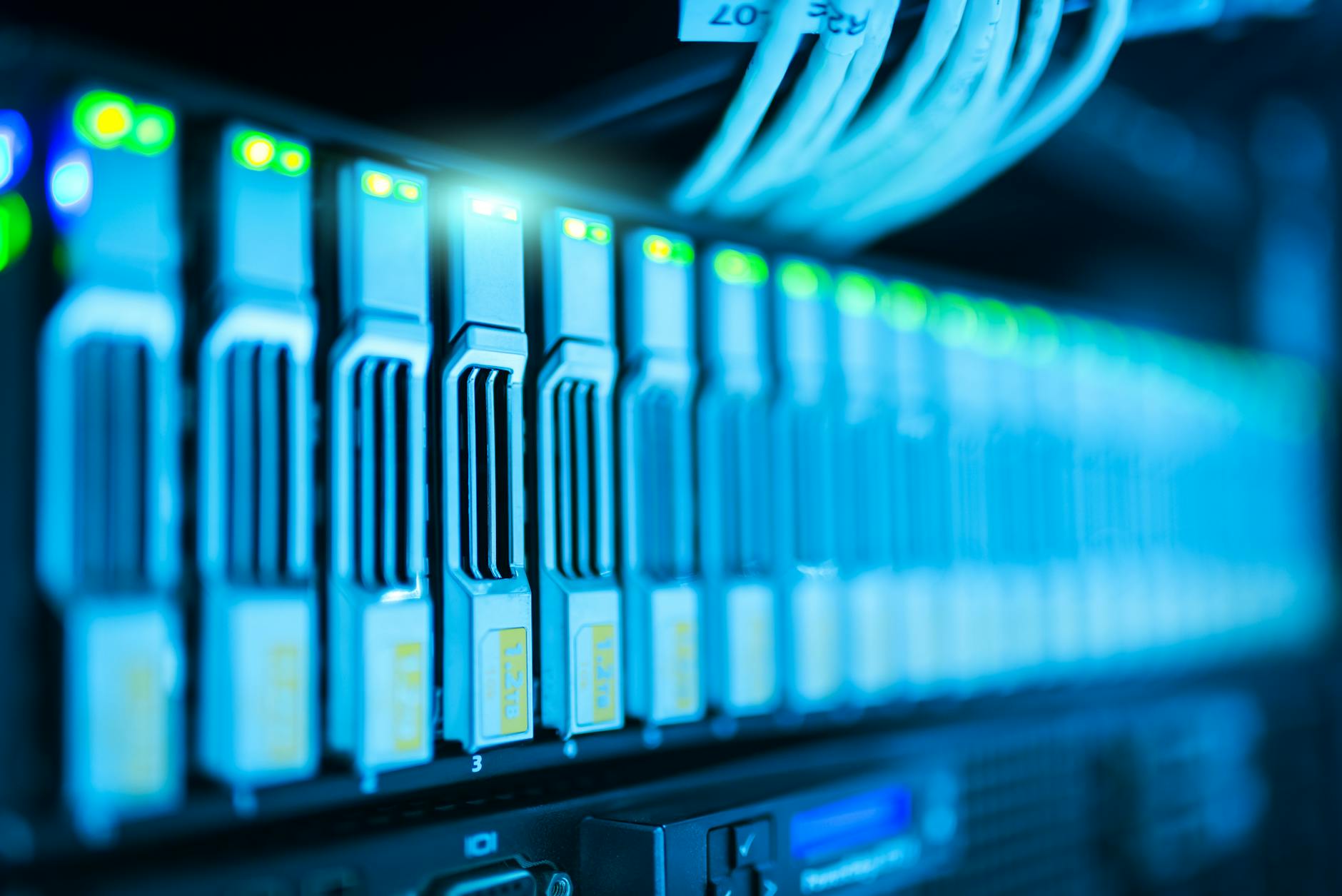
Elon Musk has repeatedly stated that the rapid development of artificial intelligence, particularly for ventures like his xAI, is becoming significantly constrained by the availability of electrical power, identifying it as the "biggest bottleneck" for future progress Tom's Hardware, 2024. This shift in focus toward immediate, dispatchable energy sources like natural gas and nuclear power, rather than relying solely on intermittent renewables for his AI operations, signals a critical re-evaluation of energy strategy driven by unprecedented demand, a challenge every founder in the AI space must now consider. Understanding this evolving energy landscape is crucial for founders planning their own infrastructure and operational scale in the coming years.
Quick takeaways:
- Elon Musk identifies electrical power as the "biggest bottleneck" for AI development, surpassing chip supply.
- xAI's planned supercomputer requiring 100,000 Nvidia H100 GPUs will demand "insane amounts of electricity."
- Musk advocates for dispatchable power sources like natural gas and nuclear to meet immediate AI energy needs.
- Tesla Energy continues to deploy terrestrial solar and battery storage projects, indicating a nuanced, not abandoned, approach to renewables.
- SpaceX's Starlink focuses on internet connectivity, with no public evidence of plans for orbital AI data centers.
The Unprecedented Energy Demand of AI
The scale of energy required to power advanced artificial intelligence models is rapidly escalating, presenting an infrastructure challenge Musk describes as the "biggest infrastructure challenge" he has ever seen Electrek, 2024. Musk predicted that electricity supply for AI would become the primary limiting factor by late 2024 or early 2025, surpassing the previous constraint of chip availability Electrek, 2024. This projection highlights a fundamental shift in the bottlenecks facing technological advancement. For years, semiconductor manufacturing and supply chain logistics dictated the pace of AI innovation. Now, the very power grids that sustain modern society are becoming the critical choke point.
Musk's xAI, which develops Grok models designed to rival leading large language models, inherently requires vast computing power for training and inference The Verge, 2023. To support this, Musk plans to build the world's largest AI supercomputer for xAI, potentially integrating 100,000 Nvidia H100 GPUs TechCrunch, 2024. Each Nvidia H100 GPU can consume upwards of 700 watts under full load. A cluster of 100,000 such GPUs would demand a continuous power supply in the tens of megawatts, potentially exceeding 70 megawatts just for the GPUs themselves, not accounting for cooling, networking, and other data center infrastructure. This power draw is equivalent to a small city, placing immense strain on local and regional electrical grids.
The implications for founders are significant. The availability and cost of electricity will increasingly dictate where AI data centers can be built and scaled. Startups may find themselves competing not just for talent and venture capital, but for access to stable, high-capacity power infrastructure. This could lead to a geographic redistribution of AI development, favoring regions with robust and affordable energy supplies. Founders must consider energy consumption as a core metric in their AI model development, optimizing algorithms for efficiency and exploring hardware solutions that reduce power draw. The race for AI dominance is now intertwined with the race for energy resources.
Moreover, the "insane amounts of electricity" required for AI necessitate a re-evaluation of data center design and operation. Traditional data centers, while large, were not built to handle the sustained, peak-load demands of massive GPU clusters running continuous training jobs. Cooling alone for these supercomputers will consume significant additional power, further amplifying the overall energy footprint. This creates opportunities for innovation in energy-efficient cooling technologies, power delivery systems, and even distributed computing architectures that can leverage diverse power sources. Founders in adjacent sectors, such as energy management, thermal engineering, and grid infrastructure, stand to benefit from this burgeoning demand.
Prioritizing Dispatchable Power: Natural Gas and Nuclear
In response to this looming energy crunch, Elon Musk has advocated for a pragmatic approach, emphasizing the immediate necessity of scaling up all forms of reliable, dispatchable power generation. He explicitly mentions natural gas and nuclear power as crucial components of this strategy Electrek, 2024. This stance is driven by the need for consistent, always-on energy sources that can meet the baseload demands of AI supercomputers, which cannot tolerate the intermittency of some renewable sources without substantial, and often costly, battery storage.
Musk's advocacy for nuclear power is particularly strong. He champions its ability to provide consistent baseload energy, criticizing countries like Germany for shutting down existing nuclear plants Electrek, 2023. Nuclear power plants, once operational, offer a high-density, low-carbon source of electricity that can run continuously for extended periods, making them ideal for the uninterrupted power supply required by large-scale AI operations. However, the long lead times, high upfront costs, and complex regulatory hurdles associated with building new nuclear facilities present their own set of challenges. This points to a reliance on existing nuclear capacity or smaller, modular reactors that are still largely in development.
Natural gas, while a fossil fuel, offers a more immediate and flexible solution. Natural gas power plants can be built and brought online faster than nuclear facilities, and they can be dispatched relatively quickly to meet fluctuating demand. For Musk, who believes that relying solely on intermittent renewable sources without sufficient dispatchable power cannot solve the immediate energy crisis posed by escalating AI demands, natural gas offers a bridge solution Electrek, 2024. This pragmatic approach prioritizes the rapid scaling of AI capabilities over an exclusive reliance on specific energy types, at least in the short to medium term.
For founders, this signals a shift in the energy debate. While the long-term goal of a fully renewable energy grid remains, the immediate demands of AI are forcing a re-evaluation of what constitutes a "green" or "sustainable" energy strategy in the context of unprecedented load growth. Startups developing AI models or infrastructure might need to consider partnerships with energy providers that can guarantee reliable, dispatchable power, even if it comes from natural gas. This could influence site selection for data centers, favoring locations with robust grid connections and diverse energy mixes. Furthermore, it opens up opportunities for startups developing technologies that can make natural gas power generation cleaner, more efficient, or integrate it more effectively with renewable sources. The energy landscape for AI is not just about what energy source, but how quickly and reliably it can be delivered.
Tesla Energy's Ongoing Renewable Commitment
Despite Elon Musk's vocal advocacy for natural gas and nuclear power to meet the immediate, immense demands of AI, it is crucial to clarify that this does not signify an abandonment of terrestrial solar power or other renewable energy solutions within his broader portfolio. Tesla, under its Tesla Energy division, remains actively committed to deploying large-scale battery storage and solar projects globally. This indicates a nuanced, multi-pronged energy strategy rather than a wholesale pivot away from renewables.
For instance, Tesla and AES have partnered to bring 1.1 GW of battery storage to California Tesla, 2024. This project, among others, demonstrates Tesla's continued investment in and belief in the long-term viability and necessity of renewable energy infrastructure. Battery storage systems like Tesla's Megapack are essential for integrating intermittent renewable sources like solar and wind into the grid, providing stability and dispatchability. This ongoing commitment underscores that Musk's recent statements regarding natural gas and nuclear are primarily focused on addressing the immediate and unprecedented surge in power demand specifically for AI, where uninterrupted, high-density power is paramount for continuous training and inference workloads.
The distinction lies in the application and timeline. For long-term grid decarbonization and general energy consumption, Tesla Energy's focus on solar and storage remains unwavering. These solutions are vital for residential, commercial, and utility-scale applications where grid stability and environmental impact are key considerations. However, the specific requirements of an AI supercomputer, running 100,000 Nvidia H100 GPUs non-stop, present a different kind of energy challenge. These facilities require constant, reliable power that cannot be compromised by fluctuations in solar availability or wind speed, unless coupled with storage at a scale that is not yet universally deployable or economically feasible for such extreme loads.
Founders should glean a critical lesson from this duality: a successful energy strategy, especially for high-growth, high-demand ventures, often requires balancing long-term ideals with short-term practicalities. While striving for sustainable and clean energy solutions is vital, the immediate operational needs of a rapidly scaling technology like AI may necessitate pragmatic choices about energy sourcing. This means exploring a diverse portfolio of energy options, understanding their respective strengths and weaknesses, and recognizing that different parts of a business may have different energy requirements. For a startup, this might involve co-locating data centers near existing dispatchable power plants while simultaneously investing in on-site renewable generation for auxiliary facilities or less critical workloads. The goal is not to choose one energy source over another universally, but to strategically deploy the right energy solution for the right application at the right time.
SpaceX and the Orbital Data Center Misconception
The notion that Elon Musk's SpaceX is pursuing orbital data centers for AI processing, specifically for xAI, lacks public evidence and runs counter to the stated mission and technological capabilities of SpaceX's Starlink network. SpaceX's Starlink focuses on providing global internet connectivity from low Earth orbit Starlink, 2024. Its constellation of satellites is designed for high-speed, low-latency communication, enabling internet access in remote or underserved areas. This is a fundamentally different function from hosting large-scale general-purpose data centers for intensive AI computation.
Developing and deploying data centers in orbit presents formidable technical and logistical challenges that are not currently addressed by Starlink's architecture. The primary hurdles include:
- Power Generation and Dissipation: AI supercomputers demand immense power. Generating this power in orbit, likely through solar panels, would require structures far larger than current Starlink satellites and sophisticated energy storage. Equally challenging is dissipating the significant heat generated by thousands of GPUs. On Earth, data centers use massive cooling systems, often consuming as much power as the computing itself. In the vacuum of space, heat dissipation relies on radiation, which is less efficient and requires large radiator surfaces.
- Latency and Bandwidth: While Starlink offers low latency for internet access, connecting an orbital data center to ground-based users or other data sources would introduce its own set of latency issues. The sheer volume of data involved in AI training and inference, requiring constant transfer between the orbital data center and ground-based data repositories or user interfaces, would strain even advanced satellite communication links.
- Maintenance and Upgrades: Data centers require regular maintenance, hardware upgrades, and troubleshooting. Performing these tasks in orbit would be prohibitively expensive, complex, and time-consuming, requiring robotic systems or human intervention, which is currently limited to the International Space Station and specialized missions.
- Cost and Risk: Launching and operating such a complex and heavy orbital data center would incur astronomical costs, far exceeding the cost-effectiveness of terrestrial alternatives. The risk of hardware failure, radiation damage, or orbital debris impacts would also be significant, potentially leading to costly losses.
Starlink's existing satellites are relatively small, mass-produced units designed for communication, not for housing high-performance computing clusters. Their primary function is to act as relays, transmitting data between ground stations and user terminals. They are not equipped with the processing power, storage capacity, or thermal management systems necessary for large-scale AI operations.
For founders, this distinction is critical. While ambitious visions of space-based infrastructure are inspiring, it is vital to separate current operational capabilities from speculative future concepts. Relying on unproven or non-existent technologies for core business functions can lead to significant strategic missteps. Instead, founders should focus on leveraging existing and near-term capabilities, such as Starlink's internet connectivity, to enable distributed workforces or remote operations, rather than anticipating it as a platform for AI supercomputing. The reality of infrastructure development, whether on Earth or in space, is dictated by engineering feasibility, economic viability, and a clear understanding of immediate needs versus long-term aspirations.
The Stakes for Founders in the AI Energy Race
The energy bottleneck identified by Elon Musk for xAI has profound implications for every founder in the artificial intelligence sector, extending far beyond the immediate challenges of powering large language models. The escalating demand for electricity will reshape the competitive landscape, influence investment decisions, and spur innovation in unexpected areas. Founders must recognize that access to reliable and affordable energy is rapidly becoming a strategic asset, as critical as access to capital or talent.
Firstly, the cost and availability of energy will significantly impact the unit economics of AI services. As power becomes more constrained and potentially more expensive, the cost of training and running AI models will rise. This will favor startups that can develop more energy-efficient algorithms, optimize their models for lower computational footprints, or innovate in hardware design to reduce power consumption per operation. Founders who prioritize energy efficiency from the outset, perhaps by developing 'leaner' AI models or employing specialized hardware, may gain a substantial competitive advantage. This could lead to a resurgence in interest for highly optimized, domain-specific AI models that don't require the colossal resources of general-purpose large language models.
Secondly, the geographical distribution of AI infrastructure will shift. Regions with abundant, affordable, and dispatchable power, whether from natural gas, nuclear, or hydro, will become prime locations for new data center development. Founders seeking to scale their AI operations may need to consider locations beyond traditional tech hubs, prioritizing energy infrastructure over proximity to talent pools. This could lead to partnerships with energy companies or even direct investment in power generation assets, a move typically reserved for utility providers, but now potentially necessary for large AI players. Startups specializing in site selection, energy procurement, or grid integration for data centers will find themselves in high demand.
Thirdly, the energy crunch will drive innovation in related sectors. The need for efficient cooling solutions, advanced power management systems, and new methods of heat recovery will create opportunities for startups in thermal engineering, materials science, and energy management software. Imagine startups developing novel liquid cooling systems that can capture and reuse the heat generated by GPUs, turning a waste product into a valuable resource for district heating or other industrial processes. Or companies that specialize in optimizing data center load balancing to align with grid availability and renewable energy output.
Finally, government policy and regulatory frameworks will play an increasingly significant role. As AI's energy demands strain national grids, governments may introduce incentives for energy-efficient data centers, mandate specific energy mixes, or streamline permitting processes for new power generation. Founders must stay abreast of these policy changes, as they can directly impact operational costs and strategic planning. Advocacy for policies that support both renewable expansion and reliable baseload power will be crucial for the continued growth of the AI industry. The AI energy race is not merely a technological challenge; it is an economic, environmental, and geopolitical one, demanding a holistic strategic approach from founders.
FAQ
Q1: Has Elon Musk abandoned solar power for his companies? No, Elon Musk has not abandoned solar power. While he advocates for natural gas and nuclear power to meet the immediate, intense energy demands of AI for xAI, Tesla Energy continues to deploy large-scale battery storage and solar projects globally, such as a 1.1 GW battery storage partnership in California Tesla, 2024. His strategy appears to be a pragmatic balancing act: leveraging dispatchable power for critical AI loads while continuing to advance terrestrial renewables for broader energy needs.
Q2: Why is AI's energy demand such a problem now? AI's energy demand is a problem because of its unprecedented scale and speed. Elon Musk has stated that electricity supply for AI will become the "biggest bottleneck" for progress by late 2024 or early 2025, surpassing chip supply Tom's Hardware, 2024. This is driven by the need to power massive AI supercomputers, such as xAI's planned system with 100,000 Nvidia H100 GPUs, which demand continuous and "insane amounts of electricity" for training and inference TechCrunch, 2024.
Q3: What role does natural gas play in Musk's energy strategy for AI? Musk views natural gas as a crucial dispatchable power source for AI data centers due to its reliability and ability to scale quickly. He explicitly advocates for increasing all forms of energy generation, including natural gas and nuclear power, to meet the colossal and immediate demand for AI Electrek, 2024. This is because AI supercomputers require uninterrupted power that intermittent renewable sources alone cannot consistently provide without significant, often impractical, battery storage.
Q4: Are orbital data centers a real possibility for AI processing via SpaceX? There is no widespread public evidence to support the premise that SpaceX is pursuing orbital data centers for AI processing. SpaceX's Starlink network focuses on providing global internet connectivity from low Earth orbit, not hosting large-scale general-purpose data centers for AI Starlink, 2024. Orbital data centers face significant technical challenges related to power generation, heat dissipation, maintenance, and cost that are not currently addressed by Starlink's architecture.
Q5: How will this focus on energy affect other AI startups? The focus on energy will significantly impact AI startups by making access to reliable and affordable power a critical strategic asset. It will drive competition for data center space in energy-rich regions, influence the unit economics of AI services, and spur innovation in energy-efficient algorithms, hardware, and cooling technologies. Founders will need to consider energy consumption as a core metric, optimize for efficiency, and potentially explore partnerships with energy providers or invest in energy infrastructure planning to sustain their growth Electrek, 2024.
Continue reading

The Entrepreneur Story
Is your story worth telling?
We feature founders who are building something real. Apply and we'll be in touch.
Apply to be featured →Stay sharp.
Ideas that move.
Founder stories, emerging ventures, and essays on what's next — straight to your inbox.
Unsubscribe any time.