Blind Egyptian Founder Launches AI App for Visual Accessibility
Ahmed Mostafa, a blind Egyptian founder, launched 'Blind Helper,' an AI app for visual accessibility, demonstrating extreme bootstrapping and problem-driven innovation.
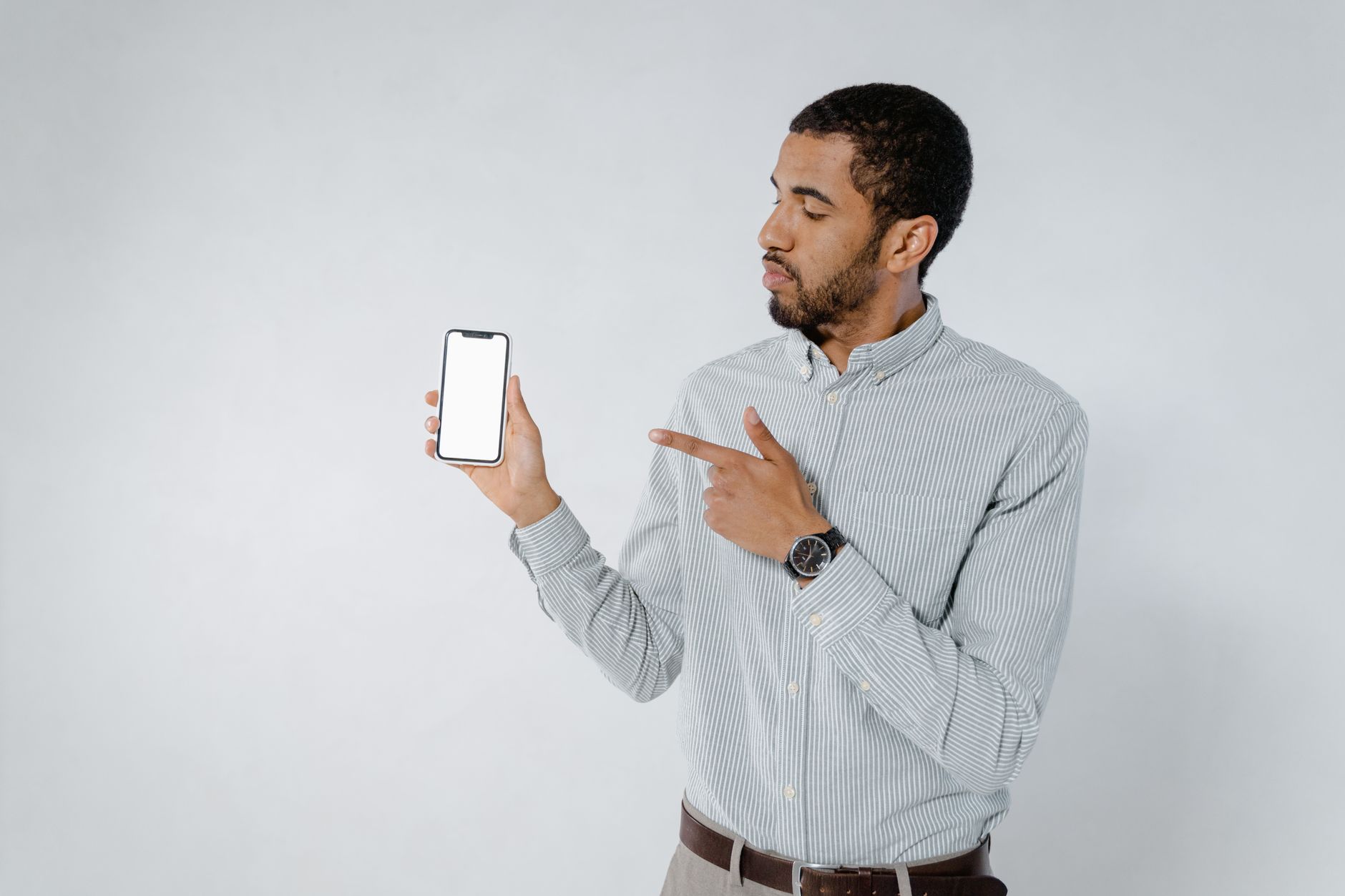
Ahmed Mostafa, a 31-year-old Egyptian entrepreneur blind since birth, launched "Blind Helper" in 2024, an AI-powered mobile application designed to provide visual accessibility through audio descriptions. Mostafa initiated the project in 2018, self-funding its development by selling his apartment, a testament to the personal stakes and commitment behind the venture. His journey underscores the potent combination of lived experience and technological innovation in addressing significant market gaps, offering a critical blueprint for founders aiming to solve real-world problems with deep personal conviction and limited initial capital.
Quick Takeaways
- Problem-Driven Innovation: Ahmed Mostafa, blind since birth, developed "Blind Helper" directly addressing a personal need, demonstrating how deep understanding of a problem can drive impactful solutions.
- Extreme Bootstrapping: Mostafa self-funded the app's six-year development (2018-2024) by selling his apartment, highlighting an extraordinary level of founder commitment and the challenges of pre-seed stage capital in specific markets.
- AI for Accessibility: "Blind Helper" leverages advanced machine learning and AI to deliver real-time audio descriptions of objects, scenes, text, faces, and currency, showcasing AI's potential for tangible social impact.
- Global Vision, Local Focus: The app targets millions of visually impaired individuals globally, with a strategic emphasis on the Arab world, indicating the importance of localized solutions for broad market penetration.
- Resilience and Long-Term Vision: The protracted development timeline and personal sacrifice involved in "Blind Helper"'s creation offer a case study in founder resilience, emphasizing that impactful innovation often requires sustained effort over many years.
Ahmed Mostafa's Journey: From Personal Vision to Product Launch
Ahmed Mostafa, a 31-year-old Egyptian entrepreneur, embarked on the development of "Blind Helper" in 2018, driven by a profound personal imperative. Born blind, Mostafa navigated a world not designed for his visual impairment, a reality that directly fueled his ambition to create a technological solution. His decision to develop an AI-powered application stemmed from a firsthand understanding of the daily challenges faced by visually impaired individuals: the inability to independently identify objects, read text, understand scenes, recognize faces, or even distinguish currency. This personal connection to the problem statement is a foundational element of "Blind Helper"'s genesis, differentiating it from solutions conceived purely from market analysis.
The project began with a small team of four individuals, including Mostafa's brother Arab News, 2024. This lean team structure is characteristic of many early-stage startups, particularly those operating with limited external funding. However, Mostafa's commitment transcended typical bootstrapping. To finance the extensive research and development required for an AI-centric application, he sold his apartment Arab News, 2024. This act of personal sacrifice underscores the high stakes involved and the depth of his belief in the project's potential. For founders, Mostafa's approach highlights the extreme measures some entrepreneurs take to bring their vision to fruition, especially when traditional venture capital might not be immediately accessible or suitable for the initial stages of development. It also illustrates a founder's willingness to commit personal assets when the conviction in the problem and solution is absolute.
The development phase spanned six years, from 2018 to its official launch in 2024 Arab News, 2024. This extended timeline is significant. It speaks to the complexity of building a robust AI application from scratch, particularly with a small, self-funded team. During this period, the team would have faced numerous technical hurdles, evolving AI models, and the iterative process of user testing and refinement. A six-year development cycle without external institutional funding requires immense perseverance, sustained motivation, and an unwavering focus on the end goal. For other founders, this trajectory offers a lesson in long-term commitment and the reality that groundbreaking innovation often demands more than a quick sprint. It emphasizes that not all impactful startups follow a rapid growth, venture-backed trajectory, and that a slower, more deliberate path, fueled by personal conviction, can also lead to significant product launches.
"Blind Helper": AI at the Core of Visual Accessibility
"Blind Helper" is an AI-powered mobile application designed to transform how visually impaired individuals interact with their environment. Its core functionality revolves around using a smartphone's camera to capture visual information, which is then processed by advanced artificial intelligence and machine learning algorithms to provide audible descriptions Arab News, 2024. This approach positions the smartphone, a ubiquitous device, as a powerful tool for visual assistance, eliminating the need for specialized, often expensive, hardware. The app is available on both Android and iOS mobile operating systems, ensuring broad accessibility across the most common smartphone platforms Arab News, 2024.
The application's feature set directly addresses critical aspects of daily life for the visually impaired. One primary function is object identification. Users can point their phone camera at an object, and "Blind Helper" will audibly describe what it detects. This capability extends beyond simple recognition; advanced AI models can differentiate between various items, providing contextual information that enhances understanding. For instance, distinguishing between different types of fruit, household items, or even clothing articles. This function significantly boosts independence in tasks like shopping, organizing, or simply understanding one's immediate surroundings.
Another key feature is text reading. The app can scan printed or digital text and convert it into speech. This allows users to read documents, labels, signs, menus, and even information on screens, bridging a common gap in accessibility. The underlying AI must be capable of optical character recognition (OCR) with high accuracy, even in varying lighting conditions or with different fonts and text orientations. This goes beyond basic screen readers by allowing interaction with physical text.
"Blind Helper" also offers scene description, providing users with an audible narrative of their environment. By analyzing a broader visual field, the AI can describe elements like "a busy street with cars and pedestrians," "a quiet park with trees and a bench," or "a living room with a sofa and television." This contextual awareness is crucial for navigation, understanding social settings, and feeling more connected to the world around them. This feature often relies on complex computer vision models trained on vast datasets of images and their descriptions.
Face recognition is another integral component. The app can identify individuals based on stored facial data, announcing who is present in the camera's view. This provides vital social information, helping visually impaired individuals recognize friends, family, or colleagues, fostering more natural and independent social interactions. The AI behind this function must handle variations in lighting, angles, and facial expressions while maintaining privacy and accuracy.
Finally, the app incorporates currency identification Arab News, 2024. This practical feature allows users to verify the denomination of banknotes, a common challenge for visually impaired individuals in transactions. The AI must accurately distinguish between different currency notes, often relying on subtle visual cues that are difficult for humans to discern by touch alone. This specific function highlights the application's focus on practical, everyday problems.
The technology underpinning "Blind Helper" leverages advanced machine learning and artificial intelligence to provide accurate audio descriptions Arab News, 2024. This implies the use of deep learning models, likely convolutional neural networks (CNNs) for image processing, recurrent neural networks (RNNs) for natural language generation (to convert AI insights into coherent audio descriptions), and sophisticated OCR engines. The continuous improvement of these models, fed by increasing data and computational power, is critical for the app's ongoing effectiveness and expansion. For founders in the AI space, "Blind Helper" exemplifies how cutting-edge technology can be applied to create direct, impactful solutions for underserved populations, moving beyond abstract theoretical applications to tangible, life-enhancing tools.
Bootstrapping and Building: A Founder's Commitment
Ahmed Mostafa's decision to self-fund the development of "Blind Helper" by selling his apartment is a defining characteristic of his entrepreneurial journey [Arab News, 2024](https://www.arabnews.com/node/2453881/middle-east]. This level of personal investment, while not unheard of in the startup world, represents an extreme form of bootstrapping. Bootstrapping, the process of building a company without external capital, forces founders to operate with extreme financial discipline, prioritize ruthlessly, and innovate within tight constraints. For Mostafa, this meant not just foregoing a salary or taking on debt, but liquidating a significant personal asset to fuel his vision.
The implications of selling an apartment to fund a startup are multi-faceted. On one hand, it demonstrates an unparalleled conviction in the project. It signals to potential future investors, partners, and employees that the founder is fully committed, having put everything on the line. This can be a powerful motivator and a compelling narrative for attracting talent or capital down the line. It also means Mostafa maintained complete control over the company's direction and equity during its critical early development years, avoiding the dilution and external pressures that often come with venture funding. For a project as personally driven as "Blind Helper," maintaining this autonomy may have been crucial to preserving its core mission and design philosophy.
On the other hand, such a strategy introduces immense personal risk. The financial security provided by real estate is often a cornerstone for individuals, and divesting it for a startup venture places enormous pressure on the founder. Every dollar spent becomes more consequential, every technical challenge more daunting. The six-year development cycle, from 2018 to 2024, would have stretched these resources and Mostafa's personal resilience to their limits Arab News, 2024. This long runway, funded entirely by personal capital, underscores the slow burn of deep tech development, especially in areas like AI, where iteration and refinement are constant.
The initial team of four, including Mostafa's brother, also speaks to the lean operational model [Arab News, 2024](https://www.arabnews.com/node/2453881/middle-east]. Building an AI-powered application with such a small group requires a diverse skill set, high levels of individual productivity, and seamless collaboration. Each team member likely wore multiple hats, contributing across development, testing, and potentially design or early user feedback. The involvement of family members, like his brother, is common in early-stage ventures and can provide a level of trust and shared commitment that is difficult to replicate with external hires. This familial bond can be a source of strength during challenging periods, offering both emotional and practical support.
For founders observing Mostafa's approach, several lessons emerge. First, the depth of personal conviction can be a potent substitute for, or complement to, early external capital. Second, bootstrapping forces an intense focus on product-market fit and efficient resource allocation, which can lead to a more robust and sustainable business model in the long run. Third, the ability to sustain a project over many years with limited resources is a testament to extraordinary resilience and belief, qualities essential for any entrepreneur tackling complex problems. While selling an apartment may not be a viable or advisable strategy for every founder, Mostafa's story serves as a powerful example of the lengths to which an entrepreneur, deeply connected to the problem they are solving, will go to see their vision realized. It redefines the traditional narrative of startup funding, emphasizing that personal commitment can be the most valuable form of capital.
Market Impact and Global Ambition
"Blind Helper" aims to serve millions of visually impaired individuals globally, with a particular focus on users in the Arab world Arab News, 2024. This dual strategy of broad global ambition coupled with targeted regional penetration is a pragmatic approach for a new technology solution. The global visually impaired population represents a significant and often underserved market. According to various health organizations, hundreds of millions of people worldwide live with some form of visual impairment, with a substantial portion experiencing severe vision loss or blindness. Providing a tool that enhances independence and understanding for this demographic has immense social and economic implications. Increased accessibility can lead to greater educational attainment, employment opportunities, and overall quality of life.
The specific focus on the Arab world is strategic for several reasons. Firstly, language localization is critical for any accessibility tool. "Blind Helper," or Mosa'ed Kof in Arabic, likely incorporates robust Arabic language processing for its text-reading and scene-description features, making it immediately more relevant and user-friendly for Arabic speakers Arab News, 2024. While a global ambition suggests multi-language support, excelling in one major language region can provide a strong foothold. Secondly, the Arab world, like many emerging markets, may have unique challenges in providing comprehensive accessibility services and technologies. By directly addressing this market, "Blind Helper" can fill a critical gap where other global solutions might not have achieved deep penetration or cultural relevance. This regional focus allows for tailored marketing, user support, and potential partnerships that resonate with local communities and needs.
The social impact of an application like "Blind Helper" extends beyond individual users. It contributes to a broader movement towards inclusive technology and digital equality. By leveraging readily available smartphone technology, it democratizes access to advanced assistive features that were once confined to expensive, specialized devices. This makes visual assistance more affordable and ubiquitous. For governments and non-governmental organizations, "Blind Helper" offers a scalable solution that can be integrated into broader accessibility initiatives, potentially reducing the burden on public services and empowering citizens. The app's ability to describe scenes, read text, and identify faces enables greater participation in education, work, and social activities, breaking down barriers that often lead to isolation for visually impaired individuals.
From a founder's perspective, Mostafa's market strategy provides valuable insights. Identifying a specific, underserved segment within a larger global market can be a powerful entry point. Rather than attempting to be everything to everyone immediately, a focused approach allows for deeper understanding of user needs, more effective product development, and concentrated marketing efforts. The emphasis on social impact also positions "Blind Helper" not just as a commercial product, but as a mission-driven venture. This can attract a dedicated user base, foster community engagement, and potentially unlock different funding avenues or partnership opportunities focused on social good. The long-term vision of serving millions globally, built upon a strong foundation in a specific region, demonstrates a scalable and sustainable approach to addressing a universal human need with targeted technological innovation.
Lessons for Founders: Resilience, Vision, and Impact
Ahmed Mostafa's journey with "Blind Helper" provides a compelling case study for founders, particularly those navigating the challenges of deep tech development, bootstrapping, and mission-driven entrepreneurship. His story distills key lessons in resilience, the power of a clear vision, and the profound impact technology can have when applied to real-world problems.
Resilience as a Core Competency: Mostafa's commitment to "Blind Helper" over a six-year development period, entirely self-funded by selling his apartment, is an extraordinary demonstration of resilience Arab News, 2024. Many startups fail or pivot within a fraction of that time, often due to funding constraints or waning founder motivation. Mostafa's ability to sustain effort, manage a small team, and overcome technical hurdles without external capital for years highlights that true entrepreneurial grit is not about avoiding obstacles, but about enduring through them. Founders must recognize that impactful innovation often requires a longer horizon than initially anticipated, demanding deep personal conviction to weather inevitable setbacks. His story serves as a reminder that the entrepreneurial path is rarely linear and often demands profound personal sacrifice.
Problem-Solving from Lived Experience: Mostafa, being blind since birth, developed "Blind Helper" from a deep, personal understanding of the problem he sought to solve Arab News, 2024. This first-hand perspective is invaluable. It ensures that the product is designed with genuine user needs at its core, addressing nuances that an outsider might overlook. For other founders, this emphasizes the importance of immersing oneself in the problem space. While not every founder will have a personal connection to their problem, actively engaging with target users, understanding their pain points intimately, and adopting an empathetic approach can lead to more effective and user-centric solutions. It moves beyond abstract market research to tangible, human-centered design.
Strategic Bootstrapping and Resourcefulness: Selling an apartment to fund a startup is an extreme form of bootstrapping, yet it underscores the resourcefulness and determination required when traditional funding avenues are not immediately available or desired [Arab News, 2024](https://www.arabnews.com/node/2453881/middle-east]. Mostafa's approach highlights that capital is not always the primary determinant of a project's viability; conviction and the ability to maximize limited resources can be equally, if not more, powerful. For founders, this means critically assessing what resources are truly essential, exploring creative funding mechanisms, and building a lean, efficient team (like his small team of four, including his brother) [Arab News, 2024](https://www.arabnews.com/node/2453881/middle-east]. It also shows that maintaining control and equity in the early stages can be a strategic choice, even if it demands greater personal risk.
The Transformative Power of AI for Social Good: "Blind Helper" exemplifies how advanced technologies like AI and machine learning can be leveraged to create significant social impact. The app's ability to audibly describe objects, scenes, text, faces, and currency provides tangible improvements in independence and quality of life for visually impaired individuals [Arab News, 2024](https://www.arabnews.com/node/2453881/middle-east]. This serves as an inspiration for founders to look beyond purely commercial applications of emerging technologies. There is immense opportunity in addressing societal challenges, and ventures focused on social good can attract dedicated talent, foster strong community ties, and create lasting value beyond financial returns. It demonstrates that innovation can be both profitable and profoundly impactful.
Mostafa's journey is a powerful narrative of entrepreneurial spirit. It teaches that profound personal conviction, coupled with an unwavering long-term vision and relentless execution, can overcome significant obstacles to bring truly transformative solutions to the world. Founders can draw inspiration from his commitment to solving a problem he intimately understands, demonstrating that the most impactful ventures often stem from the deepest personal stakes.
Reader questions.
01What is "Blind Helper" and who developed it?
"Blind Helper" is an AI-powered mobile application launched in 2024 by 31-year-old Egyptian entrepreneur Ahmed Mostafa. It uses a smartphone camera and artificial intelligence to provide audio descriptions of objects, scenes, text, faces, and currency for visually impaired individuals [Arab News, 2024](https://www.arabnews.com/node/2453881/middle-east).02How was "Blind Helper" funded during its development?
The development of "Blind Helper," which began in 2018, was initially entirely self-funded by Ahmed Mostafa. He sold his apartment to finance the project, demonstrating a high level of personal commitment [Arab News, 2024](https://www.arabnews.com/node/2453881/middle-east).03What specific functionalities does the "Blind Helper" app offer?
The app's core functionalities include using AI to identify objects, read text aloud, describe visual scenes, recognize faces, and identify currency denominations, all via a smartphone camera [Arab News, 2024](https://www.arabnews.com/node/2453881/middle-east).04Which platforms is "Blind Helper" available on, and what is its target market?
"Blind Helper" is accessible on both Android and iOS mobile operating systems. It aims to serve millions of visually impaired individuals globally, with a particular focus on users in the Arab world [Arab News, 2024](https://www.arabnews.com/node/2453881/middle-east).05What is the significance of Ahmed Mostafa's personal background to the app's development?
Ahmed Mostafa has been blind since birth, which served as his primary motivation for developing "Blind Helper." His lived experience provided a deep understanding of the challenges faced by visually impaired individuals, directly informing the app's design and purpose [Arab News, 2024](https://www.arabnews.com/node/2453881/middle-east).
Continue reading


The Entrepreneur Story
Is your story worth telling?
We feature founders who are building something real. Apply and we'll be in touch.
Apply to be featured →Stay sharp.
Ideas that move.
Founder stories, emerging ventures, and essays on what's next — straight to your inbox.
Unsubscribe any time.