
VCs Pour Billions into 'Physical AI' Investment Frontier The Next Investment Frontier
VC dollars are flowing into "Physical AI" — humanoid robots, embodied agents and industrial automation. Figure AI's $675M round is the marker deal.
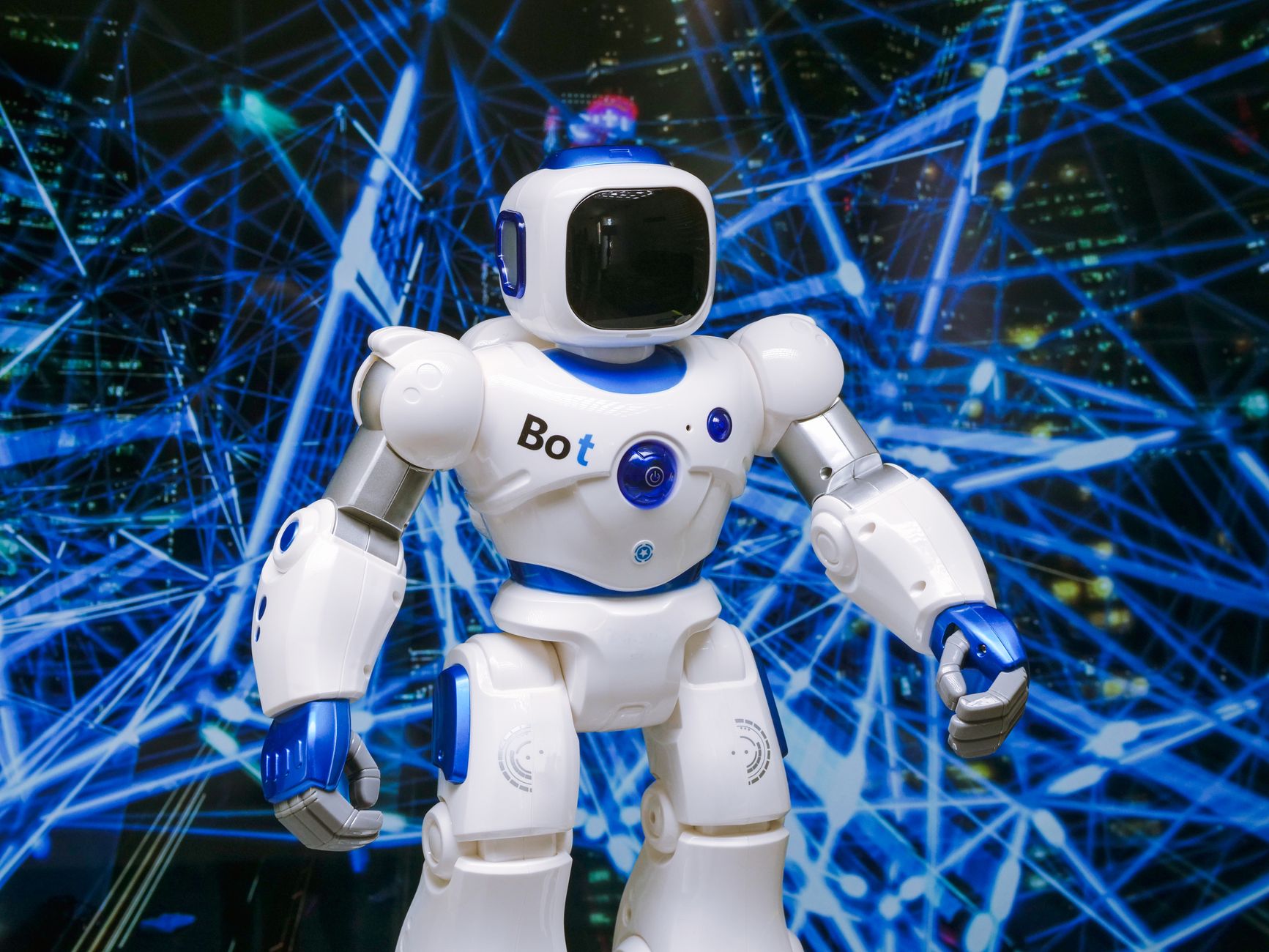
Figure AI, a startup developing general-purpose humanoid robots, secured $675 million in funding in February 2024, valuing the company at approximately $2.6 billion. This substantial raise, backed by investors including Microsoft, Nvidia, Jeff Bezos' Explore Investments LLC, and the OpenAI Startup Fund, signals the rapid emergence of 'Physical AI' as a multi-billion dollar investment category. Founders should recognize this trend as a critical area for innovation and capital deployment, indicating a new frontier in the application of artificial intelligence that promises to reshape industries from logistics to manufacturing.
Quick takeaways
- Physical AI, or Embodied AI, integrates advanced AI with physical robots to enable real-world perception and interaction, moving AI beyond software into tangible applications.
- Venture capital is flowing into this sector, with Figure AI raising $675 million in February 2024 and Agility Robotics securing $150 million in April 2022, demonstrating significant investor confidence.
- Key investors like Microsoft, Nvidia, Jeff Bezos, and OpenAI are backing Physical AI startups, highlighting strategic interest from major tech players in hardware-software convergence.
- Applications span logistics, manufacturing, and dangerous inspections, with the global service robotics market projected to reach $534.79 billion by 2032.
- Advancements in large language models and reinforcement learning are driving the feasibility and complexity of tasks these robots can perform, opening new opportunities for founders.
The Emergence of Physical AI
Physical AI, often referred to as Embodied AI, represents a significant evolution in artificial intelligence, moving beyond purely digital environments to integrate AI systems directly into physical bodies such as robots. This integration allows AI to perceive, interact with, and manipulate the physical world, blending advanced AI capabilities with robotics and sensor technologies [VentureBeat, 2023]. The concept shifts AI from abstract problem-solving into tangible, real-world action, enabling machines to perform complex tasks that require both cognitive processing and physical dexterity. This fundamental reorientation of AI application is attracting substantial capital, marking it as a distinct and growing investment category.
The current surge in interest and investment in Physical AI is not arbitrary; it is driven by concurrent advancements in core AI technologies. Breakthroughs in large language models (LLMs) and reinforcement learning have significantly expanded the capabilities of AI systems, allowing robots to interpret complex instructions, learn from experience, and adapt to unstructured environments with greater sophistication than ever before [Forbes, 2023]. These AI models provide the "brain" for physical robots, enabling them to understand human commands, navigate dynamic spaces, and execute intricate manipulations. For instance, an LLM-powered robot can process a natural language instruction like "organize the tools on the workbench," then use reinforcement learning to figure out the optimal sequence of movements and grasps to achieve that goal in a physical space. This convergence of advanced perception, cognition, and physical action is what defines the Physical AI frontier.
Venture capital firms have been instrumental in identifying and championing this new category. Parkway Venture Capital, for example, is noted for coining and actively promoting the 'Embodied AI' investment thesis [Forbes, 2023]. Their perspective, shared by a growing number of investors, posits that the true potential of AI will be unlocked when it can directly influence and operate within the physical world, addressing real-world labor shortages and inefficiencies across various sectors. This strategic foresight has positioned Physical AI as a critical area for founders seeking to build the next generation of transformative technology companies. The market opportunity is substantial, with the global service robotics market, a closely related segment, projected to reach $534.79 billion by 2032 [GlobeNewswire, 2023]. This projection underscores the immense economic potential inherent in developing AI systems that can perform services and tasks in physical environments.
Figure AI Leads the Charge with $675 Million Round
In February 2024, Figure AI, a startup focused on developing general-purpose humanoid robots, made headlines with a massive $675 million funding round [TechCrunch, 2024]. This funding catapulted Figure AI's valuation to approximately $2.6 billion, establishing it as a frontrunner in the nascent Physical AI space [TechCrunch, 2024]. The scale of this investment round is a clear indicator of the venture capital community's conviction in the long-term viability and transformative potential of Physical AI. It also underscores the high capital intensity required to develop advanced robotics and integrated AI systems capable of real-world interaction.
The investor syndicate behind Figure AI's raise reads like a who's who of global tech giants and influential figures, lending significant credibility and strategic weight to the company's mission. Key participants in the $675 million round included Microsoft, Nvidia, Jeff Bezos' personal investment vehicle (Explore Investments LLC), and the OpenAI Startup Fund [TechCrunch, 2024]. Each of these investors brings more than just capital to the table. Microsoft's involvement suggests a future integration with cloud computing and enterprise AI solutions, leveraging its extensive ecosystem. Nvidia, a dominant force in AI computing hardware, sees Figure AI as a crucial application for its advanced GPUs and AI platforms, driving demand for its core products. Jeff Bezos' backing, through Explore Investments LLC, signals a strong belief from one of the world's most successful entrepreneurs in the future impact of robotics, potentially eyeing applications in logistics and automation, areas where Amazon has already invested heavily. The OpenAI Startup Fund's participation is particularly significant, indicating a direct alignment between the leading developer of large language models and the physical embodiment of advanced AI. This collaboration suggests that OpenAI’s cutting-edge AI research could find a direct application in Figure AI’s humanoid robots, enabling them to perform more complex, adaptable, and human-like tasks.
Figure AI's strategy centers on creating a general-purpose humanoid robot. This approach differentiates it from many specialized industrial robots designed for single, repetitive tasks. A general-purpose robot aims to adapt to a wide array of environments and tasks, from warehouse operations to potentially domestic assistance or healthcare, requiring advanced perception, mobility, and manipulation capabilities. The substantial funding will likely fuel Figure AI's research and development efforts, accelerate hardware design iterations, and scale up manufacturing processes. For founders in the AI and robotics space, Figure AI's funding round serves as both a benchmark and a beacon. It demonstrates that investors are willing to commit substantial capital to companies addressing the complex challenges of Physical AI, particularly those with a bold vision for versatile, adaptable robots. The involvement of such strategic investors also highlights the increasing trend of major tech players investing in startups that complement their core technologies, creating a synergistic ecosystem for innovation.
Beyond Humanoids: The Broader Landscape of Embodied Robotics
While Figure AI leads with its general-purpose humanoid vision, the Physical AI landscape encompasses a broader spectrum of embodied robots, each designed to address specific market needs and technical challenges. Agility Robotics, for instance, has established itself as another significant player in this space, known for its bipedal robot named Digit. In April 2022, Agility Robotics successfully secured a $150 million Series B funding round [Agility Robotics, 2022]. This investment, while smaller than Figure AI's recent raise, was substantial and demonstrated early investor confidence in bipedal locomotion for commercial applications. Agility's Digit is specifically designed for logistics tasks, capable of moving boxes and operating in human-centric spaces like warehouses, highlighting a more focused application strategy compared to Figure AI's broader general-purpose ambition.
The applications for Physical AI are diverse and extend across numerous sectors, proving that the market demand for embodied intelligence is not confined to a single type of robot or industry. In logistics, robots like Agility's Digit are being deployed in warehouse operations to automate tasks such as picking, packing, and moving inventory, thereby addressing chronic labor shortages and improving operational efficiency [VentureBeat, 2023]. These robots can navigate complex warehouse layouts, interact with existing infrastructure, and handle a variety of packages, making them invaluable assets in the supply chain.
Manufacturing is another sector ripe for Physical AI adoption. Robots equipped with advanced AI can perform intricate assembly tasks, quality inspections, and material handling with precision and consistency, often in environments that are challenging or dangerous for human workers [VentureBeat, 2023]. This not only enhances productivity but also improves worker safety. Beyond the factory floor, Physical AI is finding utility in dangerous inspections, where robots can access hazardous environments like nuclear facilities, deep-sea oil rigs, or collapsed structures to gather data and perform maintenance without risking human lives [VentureBeat, 2023]. Their ability to perceive and interact with these environments autonomously or semi-autonomously is critical.
Looking ahead, the potential applications for Physical AI extend into healthcare and domestic assistance. In healthcare, robots could assist with patient care, perform sterile tasks, or deliver medications within hospitals. In domestic settings, they could help with chores, elder care, or provide companionship, although these applications are still largely in research and development phases [VentureBeat, 2023]. The underlying principle across all these applications is the robot's ability to seamlessly blend AI's cognitive capabilities with physical interaction, allowing it to adapt to unstructured environments and perform complex tasks that require both intelligence and dexterity. The projected growth of the global service robotics market to $534.79 billion by 2032 further underscores the vast commercial potential across these diverse sectors, offering a significant runway for founders developing specialized or general-purpose Physical AI solutions [GlobeNewswire, 2023].
The Investment Thesis: Why VCs are Betting Billions
The surge of billions of dollars into Physical AI is not merely speculative; it is underpinned by a robust investment thesis that recognizes the confluence of technological maturity, pressing market needs, and transformative economic potential. Venture capital firms are signaling that Physical AI has emerged as a major investment category, driven by strategic foresight into the next wave of automation and intelligent systems [TechCrunch, 2024]. This thesis posits that while software AI has revolutionized data processing and virtual interactions, the true economic impact will materialize when AI can directly operate in the physical world, addressing real-world problems.
One of the primary drivers behind this investment thesis is the significant advancement in core AI technologies. The development of sophisticated large language models (LLMs) and breakthroughs in reinforcement learning have fundamentally changed what robots are capable of achieving [Forbes, 2023]. These AI models provide the cognitive architecture for robots to understand complex instructions, learn from trial and error, and adapt to unforeseen circumstances in dynamic environments. This shift from pre-programmed, task-specific robots to intelligent, adaptable machines makes Physical AI a far more versatile and impactful solution across industries. Investors are betting on the ability of these advanced AI systems to enable robots to perform more complex and adaptable tasks, moving beyond simple automation to truly intelligent physical assistance.
The strategic involvement of major tech players like Microsoft, Nvidia, Jeff Bezos, and OpenAI in Figure AI's funding round further validates this investment thesis [TechCrunch, 2024]. Each of these entities brings a strategic interest that extends beyond financial returns. Microsoft, with its extensive cloud infrastructure and enterprise software solutions, likely sees Physical AI as a critical new endpoint for its AI services, enabling real-world data collection and task execution. Nvidia, a leader in GPU technology essential for AI training and inference, benefits directly from the growth of Physical AI, as these robots require immense computational power. Jeff Bezos, through Explore Investments LLC, has a proven track record in leveraging automation for operational efficiency, particularly in logistics, making Physical AI a natural extension of his long-term vision. The OpenAI Startup Fund's participation is perhaps the most telling, highlighting the direct connection between cutting-edge AI research and its physical manifestation. OpenAI's investment signifies a belief that the future of advanced AI, particularly with large language models, will increasingly involve physical interaction and embodiment. These strategic investments suggest a future where hardware and advanced AI software are tightly integrated, creating powerful, intelligent physical agents.
Furthermore, the market pull for Physical AI is undeniable. Industries ranging from logistics and manufacturing to healthcare and dangerous inspections face increasing labor shortages and a demand for enhanced efficiency and safety [VentureBeat, 2023]. Physical AI offers a scalable solution to these challenges, promising to augment human capabilities and automate repetitive or hazardous tasks. The projected growth of the global service robotics market to $534.79 billion by 2032 reinforces the immense economic opportunity that VCs are targeting [GlobeNewswire, 2023]. This market size indicates a vast landscape for innovative Physical AI companies to capture significant value by deploying intelligent robots across various service-oriented applications. The investment thesis is thus a holistic one, combining technological readiness, strategic industry alignment, and a clear path to substantial market penetration and economic impact.
Implications for Founders: Navigating the Physical AI Frontier
The emergence of Physical AI as a multi-billion dollar investment category presents both significant opportunities and complex challenges for founders. The massive funding rounds secured by companies like Figure AI and Agility Robotics underscore that capital is available for ambitious projects, but also that the bar for entry and scale is high. For founders looking to enter this space, understanding the specific dynamics and investor expectations is paramount.
One key lesson from Figure AI's success is the importance of a compelling, long-term vision that aligns with major technological shifts. Figure AI is not just building a robot; it is aiming for a general-purpose humanoid, a vision that resonates with the broader AI community's aspiration for truly intelligent agents. Founders should articulate a clear, differentiated vision for their Physical AI solutions, whether it's a general-purpose platform or a highly specialized robot addressing a critical pain point in a specific industry. Identifying an unmet market gap, particularly in sectors like logistics, manufacturing, or dangerous inspections where labor shortages and efficiency demands are acute, offers a strong starting point [VentureBeat, 2023]. Founders must go beyond simply demonstrating technical feasibility; they need to show a clear path to commercialization and scalable deployment.
The Physical AI domain demands deep technical expertise across multiple disciplines. Building an embodied AI system requires proficiency in advanced robotics, mechanical engineering, electrical engineering, and cutting-edge AI research, including large language models and reinforcement learning [Forbes, 2023]. Founders will need to assemble diverse teams capable of tackling hardware design, software development, sensor integration, and sophisticated AI algorithm development. The complexity of integrating these components means that R&D cycles can be long and capital-intensive. Therefore, securing significant early-stage funding and demonstrating incremental progress through prototypes and pilot deployments will be crucial for attracting follow-on investment.
Competition in the Physical AI space is intensifying, driven by well-funded players. Figure AI, with its $675 million raise and $2.6 billion valuation, and Agility Robotics, with its $150 million Series B, represent formidable competitors [TechCrunch, 2024; Agility Robotics, 2022]. New entrants must identify niches or develop unique technological advantages to differentiate themselves. This could involve focusing on a specific application area not yet dominated, developing proprietary components (e.g., novel actuators, sensors, or AI architectures), or creating innovative business models for deployment and service. The sheer scale of the global service robotics market, projected to reach $534.79 billion by 2032, suggests there is ample room for multiple successful companies, but differentiation will be key to capturing a meaningful share [GlobeNewswire, 2023].
Furthermore, founders should seek out strategic investors who bring more than just capital. The involvement of Microsoft, Nvidia, Jeff Bezos, and OpenAI in Figure AI's round highlights the value of investors who can provide strategic partnerships, access to technology, distribution channels, or domain expertise [TechCrunch, 2024]. These alliances can be critical for accelerating product development, navigating complex regulatory landscapes, and achieving market penetration. For instance, a startup focused on healthcare robotics might benefit immensely from an investor with deep connections in the medical device industry. Ultimately, success in Physical AI will hinge on a founder's ability to combine a compelling vision with robust technical execution, strategic partnerships, and a clear understanding of the market dynamics in this rapidly evolving frontier.
FAQ
Q: What is Physical AI (Embodied AI)? A: Physical AI, also known as Embodied AI, refers to AI systems that are integrated into physical bodies, such as robots. This allows them to perceive, interact with, and manipulate the physical world, blending artificial intelligence with robotics and sensors to perform real-world tasks [VentureBeat, 2023].
Q: What kind of companies are attracting investment in the Physical AI space? A: Companies developing advanced robots with integrated AI are attracting significant investment. Examples include Figure AI, which develops general-purpose humanoid robots, and Agility Robotics, known for its bipedal robot Digit designed for logistics [TechCrunch, 2024; Agility Robotics, 2022]. These companies are focused on creating machines that can perform complex and adaptable tasks in physical environments.
Q: Who are the key investors backing Physical AI startups? A: Prominent investors in Physical AI include major technology companies and influential figures. Key investors in Figure AI's recent $675 million round included Microsoft, Nvidia, Jeff Bezos (through Explore Investments LLC), and the OpenAI Startup Fund [TechCrunch, 2024]. This indicates a strategic interest from leaders in AI software, hardware, and e-commerce.
Q: What are the market opportunities for Physical AI? A: Physical AI has applications across various sectors, including logistics (e.g., warehouse operations), manufacturing, and dangerous inspections. Potential future applications also extend to healthcare and domestic assistance [VentureBeat, 2023]. The global service robotics market, a related segment, is projected to reach $534.79 billion by 2032, indicating vast market potential [GlobeNewswire, 2023].
Q: Why is Physical AI emerging as a major investment category now? A: Physical AI's emergence is driven by significant advancements in AI, particularly in large language models and reinforcement learning, which enable robots to perform more complex and adaptable tasks [Forbes, 2023]. This technological maturity, combined with growing labor shortages across industries and the promise of transformative applications, has signaled to venture capitalists that it is a major investment frontier [TechCrunch, 2024].
Continue reading



The Entrepreneur Story
Is your story worth telling?
We feature founders who are building something real. Apply and we'll be in touch.
Apply to be featured →Stay sharp.
Ideas that move.
Founder stories, emerging ventures, and essays on what's next — straight to your inbox.
Unsubscribe any time.