
Nvidia Powers Unitree H1: Humanoid Robotics Platform Validated A New Era for AI Robotics
Nvidia's integration of its Jetson Orin platform into Unitree's H1 humanoid robot validates the emerging category, signaling a critical market shift and positioning Unitree for accelerated growth.
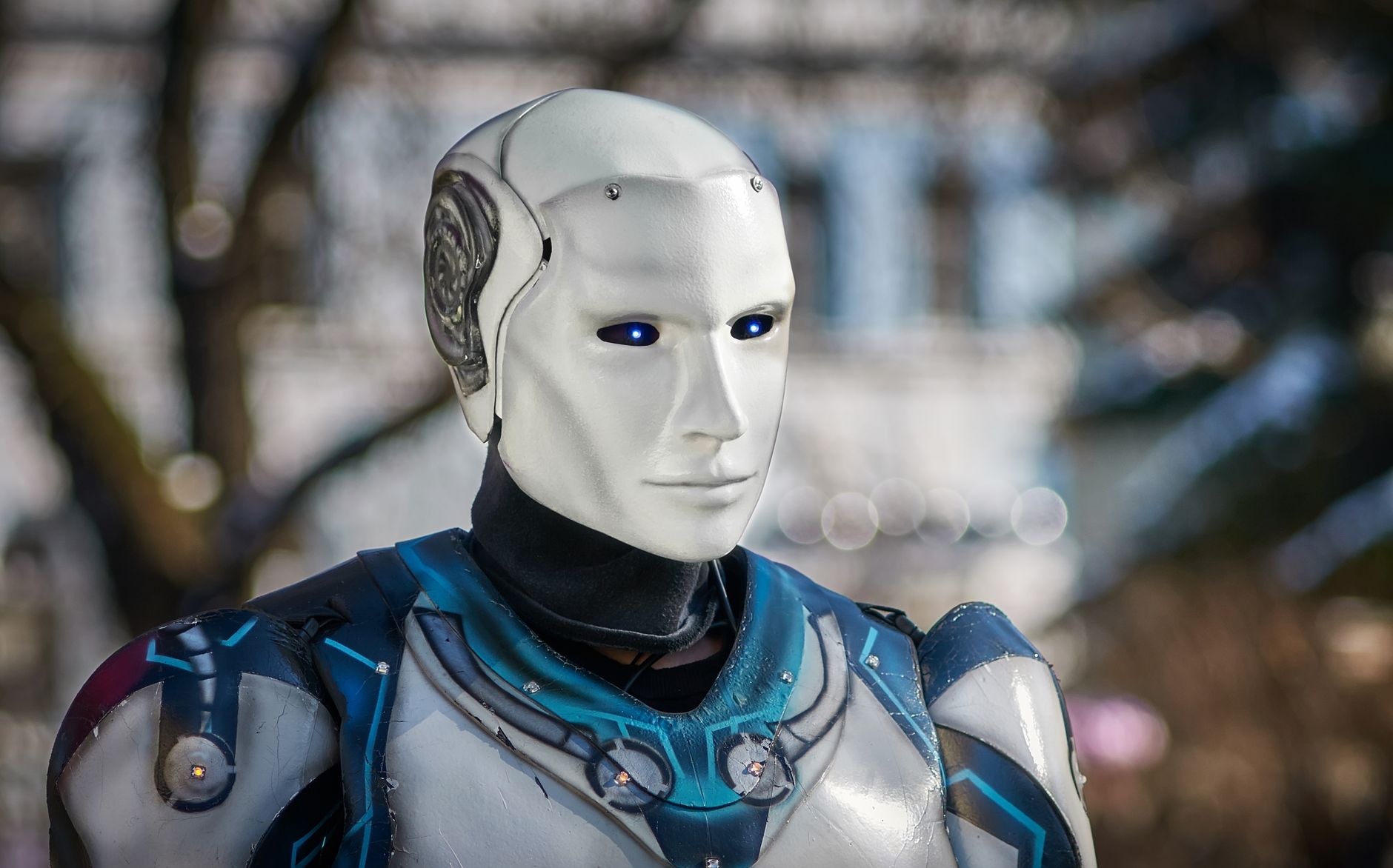
Nvidia selected Unitree Robotics in late 2023 to integrate its Jetson Orin platform into Unitree's H1 humanoid robot. While financial terms were not disclosed, this partnership signals a critical market shift in advanced robotics, positioning Unitree for accelerated growth and a potential IPO. Founders should recognize this collaboration as a significant validation of the emerging humanoid robotics category and Nvidia's intent to power its next generation of AI-driven machines.
Quick takeaways
- Nvidia's Jetson Orin platform will serve as the 'brain' for Unitree's H1 humanoid robot, a key hardware integration.
- The partnership aims to accelerate the development of real-world applications for humanoid robots, moving the category beyond research.
- Unitree Robotics, previously known for its agile quadruped robots like the Go2 and B2, is making a strategic push into the humanoid market with the H1.
- Nvidia's involvement signals its intent to power the next generation of AI-driven robotics, further solidifying its position as a foundational technology provider.
- This collaboration enhances Unitree's visibility and technological standing, positioning the company as a leading contender in the emerging humanoid robot market with potential for future financial events, including an IPO.
The Strategic Alliance: Nvidia and Unitree's New Foundation
Nvidia has strategically partnered with Unitree Robotics, selecting the company to integrate its Jetson Orin platform into Unitree's H1 humanoid robot IEEE Spectrum, 2023. This move, publicly announced in late 2023, is more than a mere component supply deal; it represents a foundational technological alliance designed to accelerate the development and deployment of advanced humanoid robotics. The Jetson Orin platform, a powerful system-on-module designed for AI at the edge, will act as the 'brain' for Unitree's H1, providing the computational horsepower necessary for complex perception, navigation, and decision-making tasks IEEE Spectrum, 2023.
The Unitree H1 robot itself presents a formidable profile. It stands 180 cm (5'11") tall and weighs 47 kg (104 lb), dimensions that place it squarely within the human scale, a design choice critical for operating in environments built for people IEEE Spectrum, 2023. Its physical capabilities are equally impressive, featuring a maximum walking speed of 3.3 meters per second and a maximum joint torque of 360 Nm IEEE Spectrum, 2023. These specifications suggest a robot capable of dynamic movement and significant payload handling, essential traits for practical industrial or service applications. The integration of Jetson Orin means that these physical capabilities will be paired with sophisticated AI, enabling the H1 to interpret sensory data, plan actions, and adapt to changing environments in real time. This combination of robust hardware and advanced AI processing is what Nvidia aims to provide to the next generation of robotics.
For founders in the robotics space, this partnership underscores several critical trends. First, the move towards off-the-shelf, high-performance computing platforms like Jetson Orin is democratizing access to powerful AI capabilities, allowing startups to focus on application-specific development rather than foundational AI hardware design. Second, it highlights the increasing emphasis on real-world applications. The collaboration explicitly aims to accelerate the development of practical uses for humanoid robots, signaling a shift from experimental prototypes to deployable solutions IEEE Spectrum, 2023. This means founders developing software, end-effector tools, or specific use-case integrations for humanoid platforms will find a more mature hardware ecosystem to build upon. Third, Nvidia's strategic involvement validates the entire humanoid sector, potentially attracting further investment and talent into the field. This validation is crucial for startups vying for venture capital or seeking to build market trust.
Unitree's Ascent: From Quadruped Agility to Humanoid Ambition
Unitree Robotics has established itself as a notable player in the robotics arena, particularly recognized for its agile quadruped robots. Models such as the Go2 and B2 have garnered attention for their dynamic locomotion, balance, and relatively accessible price points, making advanced robotic platforms available to a broader range of researchers and developers IEEE Spectrum, 2023. These quadruped robots demonstrated Unitree's engineering prowess in mechanical design, motor control, and real-time computation, allowing them to navigate complex terrains, perform intricate maneuvers, and maintain stability. The success of these quadruped platforms laid a strong foundation, showcasing Unitree's capability to build robust and performant robotic hardware.
The introduction of the H1 humanoid robot, and its subsequent integration with Nvidia's Jetson Orin, marks a significant strategic pivot and expansion for Unitree. While quadruped robots excel in agility and traversing uneven ground, humanoid robots are designed to operate in environments optimized for humans, utilizing tools and infrastructure built for bipedal locomotion and human-like dexterity. This transition from four legs to two is not merely an aesthetic choice; it represents a fundamental shift in design philosophy and engineering challenges. Humanoid balance, gait generation, and manipulation are considerably more complex than their quadruped counterparts, requiring sophisticated control algorithms, robust joint actuation, and advanced sensory perception. The H1, with its 180 cm height and 47 kg weight, is built to occupy human spaces, suggesting an ambition to tackle tasks traditionally performed by humans in settings like factories, warehouses, or even homes IEEE Spectrum, 2023.
This move into the humanoid space positions Unitree as a leading contender in an emerging, high-stakes market IEEE Spectrum, 2023. For founders, Unitree's trajectory offers several lessons. First, it demonstrates the value of building core technological competencies, even if initially applied to a different product category. Unitree's expertise in motor control and dynamic movement from its quadruped lines is directly transferable, albeit with significant modifications, to the humanoid domain. Second, it highlights the importance of strategic partnerships with industry giants. The Nvidia collaboration not only brings advanced AI processing to the H1 but also lends significant credibility and global visibility to Unitree, crucial factors for a company expanding into a nascent market. Third, Unitree's ambition to tackle humanoid robotics signals a belief in the commercial viability and long-term potential of this 'new idea' category, encouraging other startups to explore opportunities within this evolving ecosystem, whether in software development, specialized tooling, or service integration. The shift from a niche, albeit impressive, quadruped market to the broader, more complex humanoid landscape underscores a strategic vision for capturing a larger share of the future robotics market.
The Humanoid Robotics Market: A 'New Idea' Category Takes Shape
The humanoid robotics market, while still nascent, is rapidly evolving from a domain primarily confined to academic research and futuristic demonstrations into a 'new idea' category poised for practical application. Historically, humanoid robots were seen as aspirational projects, showcasing engineering marvels but lacking the robustness, autonomy, and cost-effectiveness for widespread deployment. However, advancements in AI, sensor technology, motor design, and computational power are collectively pushing these machines towards commercial viability. The partnership between Nvidia and Unitree, specifically targeting the acceleration of real-world applications for the H1 humanoid robot, is a clear indicator of this shift IEEE Spectrum, 2023.
What defines this 'new idea' category is the transition from mere existence to functional utility. Early humanoid robots often struggled with basic locomotion, balance, and interaction. Today's advanced platforms, like Unitree's H1, demonstrate capabilities such as high walking speeds (3.3 meters per second) and significant joint torque (360 Nm), suggesting an ability to perform dynamic tasks and handle objects in various environments IEEE Spectrum, 2023. These capabilities open doors for humanoids in sectors facing labor shortages, repetitive tasks, or hazardous conditions, such as manufacturing, logistics, elder care, and exploration. The goal is no longer just to make a humanoid robot, but to make it useful.
Several key factors are driving this emergence. The decreasing cost and increasing power of processing units, exemplified by platforms like Nvidia's Jetson Orin, allow for complex AI models to run onboard, enabling robots to perceive and understand their surroundings with unprecedented accuracy IEEE Spectrum, 2023. Simultaneously, improvements in battery technology, actuator design, and materials science are leading to lighter, stronger, and more energy-efficient robots. Furthermore, the development of sophisticated simulation environments and reinforcement learning techniques is accelerating the training of robotic control systems, allowing robots to learn complex behaviors much faster than traditional programming methods.
For founders, this emerging category presents both immense opportunities and significant challenges. The opportunity lies in developing the specialized software, end-effectors, sensors, and integration services that will enable humanoids to perform specific tasks. This could range from developing AI models for nuanced human-robot interaction to designing custom tools that a humanoid can wield. The challenge, however, is substantial. Humanoid robots are inherently complex systems, requiring expertise across multiple engineering disciplines. Safety, reliability, and ethical considerations are paramount, especially as these robots move into human-centric environments. Startups looking to enter this space must identify specific pain points that humanoids can uniquely address, focus on robust and scalable solutions, and be prepared for a longer development cycle compared to less complex robotic systems. The 'new idea' is not just the robot itself, but the ecosystem of applications and services that will make it indispensable.
Nvidia's Play: Powering the Robotic Future
Nvidia's strategic involvement in the humanoid robotics market, particularly through its partnership with Unitree Robotics, is a clear extension of its broader ambition to power the next generation of AI-driven computing across various domains. For years, Nvidia has moved beyond its origins in graphics processing units (GPUs) to become a dominant force in AI and high-performance computing. Its CUDA platform and specialized hardware have become the de facto standard for training and deploying deep learning models, making it indispensable to data centers, autonomous vehicles, and now, advanced robotics. The selection of the Jetson Orin platform as the 'brain' for Unitree's H1 humanoid robot is not an isolated event; it is a deliberate move to embed Nvidia's technology at the core of the evolving robotics landscape IEEE Spectrum, 2023.
The Jetson Orin platform itself is a testament to Nvidia's strategy. Designed for AI at the edge, it combines a high-performance GPU with an ARM-based CPU, deep learning accelerators, and a full software stack including CUDA-X libraries, enabling complex AI workloads to run directly on the device IEEE Spectrum, 2023. For a humanoid robot like the H1, which must process vast amounts of sensor data (vision, lidar, proprioception), perform real-time path planning, maintain balance, and execute precise movements, this localized computational power is critical. Offloading computation to the cloud introduces latency, which is unacceptable for dynamic, safety-critical robotic operations. By providing powerful edge AI, Nvidia ensures that robots can act autonomously and react instantly to their environment.
Nvidia's play extends beyond merely supplying chips. The company is actively building an ecosystem around its Jetson platforms, offering development tools, SDKs, and a community of developers. This ecosystem approach is designed to accelerate innovation in robotics, much as it did for AI and gaming. By aligning with key players like Unitree, Nvidia effectively sets a standard for robotic intelligence, encouraging other manufacturers and developers to adopt its platforms. This strategy not only secures a market for its hardware but also positions Nvidia as the foundational layer upon which the future of robotics will be built. Their intent to power the next generation of AI-driven robotics is not just a marketing claim; it is a strategic imperative that is being executed through partnerships and technological leadership IEEE Spectrum, 2023.
For founders, Nvidia's deepening involvement in robotics presents a dual-edged sword. On one hand, it simplifies the hardware aspect of developing intelligent robots. Startups no longer need to design custom AI processors; they can leverage Nvidia's robust, off-the-shelf solutions, significantly reducing R&D costs and time to market. This allows them to focus on unique applications, specialized software, and differentiated services. On the other hand, it creates a potential dependency on a single vendor for core AI processing. Founders must consider the implications of this ecosystem lock-in, balancing the benefits of powerful, readily available technology with the strategic risks of reliance. Nevertheless, Nvidia's commitment to robotics signals a maturing market, providing a stable and powerful platform for innovation and investment.
Implications for Founders: Navigating the Robotic Frontier
The strategic partnership between Nvidia and Unitree Robotics carries significant implications for founders operating within or looking to enter the burgeoning robotics industry. This collaboration is not just a deal between two companies; it acts as a bellwether for market direction, technological validation, and investment trends in advanced robotics. Founders must dissect these signals to position their ventures effectively in what is rapidly becoming a competitive and high-stakes frontier.
First, the emphasis on "real-world applications" for humanoid robots, a stated goal of the Nvidia-Unitree partnership, signifies a critical shift in investor and market expectations IEEE Spectrum, 2023. No longer are speculative prototypes enough; startups must demonstrate clear pathways to commercialization and tangible utility. This means founders should focus on solving specific, identifiable problems with their robotic solutions, rather than developing general-purpose robots without a defined market. Examples could include specialized manipulation tasks in logistics, precise assembly in manufacturing, or assistive roles in constrained environments. The market will reward solutions that deliver immediate value and address existing pain points.
Second, the choice of Nvidia's Jetson Orin as the 'brain' for the H1 highlights the imperative for robust and scalable AI processing at the edge IEEE Spectrum, 2023. Founders developing robotic software, particularly in areas like computer vision, natural language processing for human-robot interaction, or complex motion planning, must ensure their solutions are optimized for powerful embedded systems. This also suggests that expertise in AI model optimization, real-time operating systems (RTOS), and hardware-software co-design will be highly valued. Startups providing tools or services to streamline this integration process could find a significant market.
Third, Unitree's transition from agile quadruped robots to a full-fledged humanoid platform underscores the potential for market expansion and diversification. Founders in adjacent robotics fields—such as those developing robotic arms, grippers, or mobile platforms—should consider how their technologies could be adapted or integrated into humanoid form factors. The ecosystem around humanoid robots will require a vast array of components: advanced sensors, specialized actuators, dexterous end-effectors, and sophisticated battery management systems. Startups focused on these niche but critical hardware components could find strong demand as the humanoid market scales.
Fourth, the increased visibility and validation of the humanoid robotics category, driven by a high-profile partnership like this, will likely attract more venture capital. This is good news for founders seeking funding, but it also means increased competition. To stand out, startups will need compelling differentiation, a strong technical team, and a clear understanding of their intellectual property strategy. Moreover, the long development cycles and significant capital requirements often associated with robotics mean that founders must have a robust long-term vision and the resilience to navigate complex technical and market challenges. The robotic frontier is not for the faint of heart; it demands deep expertise, strategic foresight, and an unwavering focus on delivering tangible value in a rapidly evolving landscape.
The Road Ahead: Unitree's IPO Prospects and Market Validation
The partnership between Nvidia and Unitree Robotics, particularly its focus on advancing the H1 humanoid robot for real-world applications, significantly enhances Unitree's potential for substantial growth and future financial events, including a potential IPO IEEE Spectrum, 2023. An initial public offering is often a milestone for technology companies, signaling market maturity, investor confidence, and a scalable business model. For Unitree, this collaboration with Nvidia provides several crucial ingredients that could pave the way for such an event.
Firstly, the integration of Nvidia's Jetson Orin platform into the H1 provides Unitree with a globally recognized, high-performance 'brain' for its humanoid robot IEEE Spectrum, 2023. This technological validation from a market leader like Nvidia lends immense credibility to Unitree's product and engineering capabilities. Investors looking at a potential IPO candidate will scrutinize the underlying technology, and having Nvidia's stamp of approval can de-risk the investment proposition, suggesting that Unitree's platform is built on a robust and future-proof foundation. This partnership also reduces Unitree's need to develop core AI processing hardware from scratch, allowing them to focus resources on mechanical design, control software, and application development—areas where they can build proprietary value.
Secondly, the explicit goal of accelerating the development of real-world applications for the H1 is key to demonstrating a viable business model IEEE Spectrum, 2023. IPOs are not granted on potential alone; they require evidence of market demand, revenue streams, and a clear path to profitability. If Unitree can successfully deploy H1 robots in commercial settings, such as manufacturing plants, logistics centers, or service industries, and demonstrate a return on investment for its customers, it will build the necessary traction for a public offering. This means showcasing specific use cases, customer testimonials, and scalable deployment strategies. The ability of the H1 to achieve a maximum walking speed of 3.3 meters per second and exert 360 Nm of joint torque indicates a robot capable of performing demanding physical tasks, which are essential for commercial adoption IEEE Spectrum, 2023.
Thirdly, the partnership positions Unitree as a leading contender in the emerging humanoid robot market, a category that is generating significant buzz and investor interest IEEE Spectrum, 2023. As the market for practical humanoid applications expands, companies at the forefront will naturally attract more attention. Unitree's existing reputation from its successful quadruped robots, like the Go2 and B2, provides a strong brand foundation, which is now being leveraged into the more complex and potentially lucrative humanoid space IEEE Spectrum, 2023. This broader market appeal and leadership position are critical for attracting institutional investors during an IPO process.
For founders observing Unitree's trajectory, the message is clear: strategic partnerships, robust technology, and a demonstrable path to commercial viability are paramount for achieving significant financial milestones. The potential for an IPO for a company like Unitree signals that the robotics industry, and particularly the humanoid segment, is maturing. This creates a positive feedback loop, attracting more talent, capital, and innovation, ultimately benefiting the entire ecosystem of robotics startups and entrepreneurs.
FAQ
Q: What is the significance of Nvidia partnering with Unitree Robotics? A: Nvidia's partnership with Unitree Robotics is significant because it integrates Nvidia's powerful Jetson Orin platform into Unitree's H1 humanoid robot, serving as its 'brain' IEEE Spectrum, 2023. This move validates the humanoid robotics category, leverages Nvidia's AI expertise, and aims to accelerate the development of real-world applications for these advanced machines IEEE Spectrum, 2023.
Q: What are the key features of Unitree's H1 humanoid robot? A: The Unitree H1 humanoid robot stands 180 cm (5'11") tall and weighs 47 kg (104 lb) IEEE Spectrum, 2023. It can achieve a maximum walking speed of 3.3 meters per second and features a maximum joint torque of 360 Nm IEEE Spectrum, 2023. These specifications highlight its capability for dynamic movement and handling physical tasks.
Q: How does this partnership impact Unitree Robotics' market position? A: This partnership significantly enhances Unitree's market position by aligning it with a leading AI technology provider, Nvidia. It positions Unitree as a leading contender in the emerging humanoid robot market, boosting its visibility and technological credibility, and potentially leading to significant growth and future financial events like an IPO IEEE Spectrum, 2023.
Q: What does this mean for other founders in the robotics space? A: For other founders, this partnership signals a maturing market for humanoid robotics, emphasizing the need for robust AI processing at the edge and a clear focus on real-world applications. It validates the category, potentially attracting more investment, but also increases competition. Founders should focus on specialized software, components, and integration services that complement advanced humanoid platforms IEEE Spectrum, 2023.
Q: Is Unitree Robotics known for other robot products? A: Yes, Unitree Robotics is also well-known for its agile quadruped robots, such as the Go2 and B2 IEEE Spectrum, 2023. Their expertise in dynamic locomotion and control from these platforms provides a strong foundation for their expansion into humanoid robotics.
Continue reading
The Entrepreneur Story
Is your story worth telling?
We feature founders who are building something real. Apply and we'll be in touch.
Apply to be featured →Stay sharp.
Ideas that move.
Founder stories, emerging ventures, and essays on what's next — straight to your inbox.
Unsubscribe any time.