
SK Hynix's $26.5B IPO: A New Titan in the AI Chip Era Founders Take Note
SK Hynix's record-breaking $26.5 billion U.S. IPO highlights unprecedented investor demand for AI infrastructure, particularly HBM chips, and reshapes global semiconductor manufacturing dynamics.
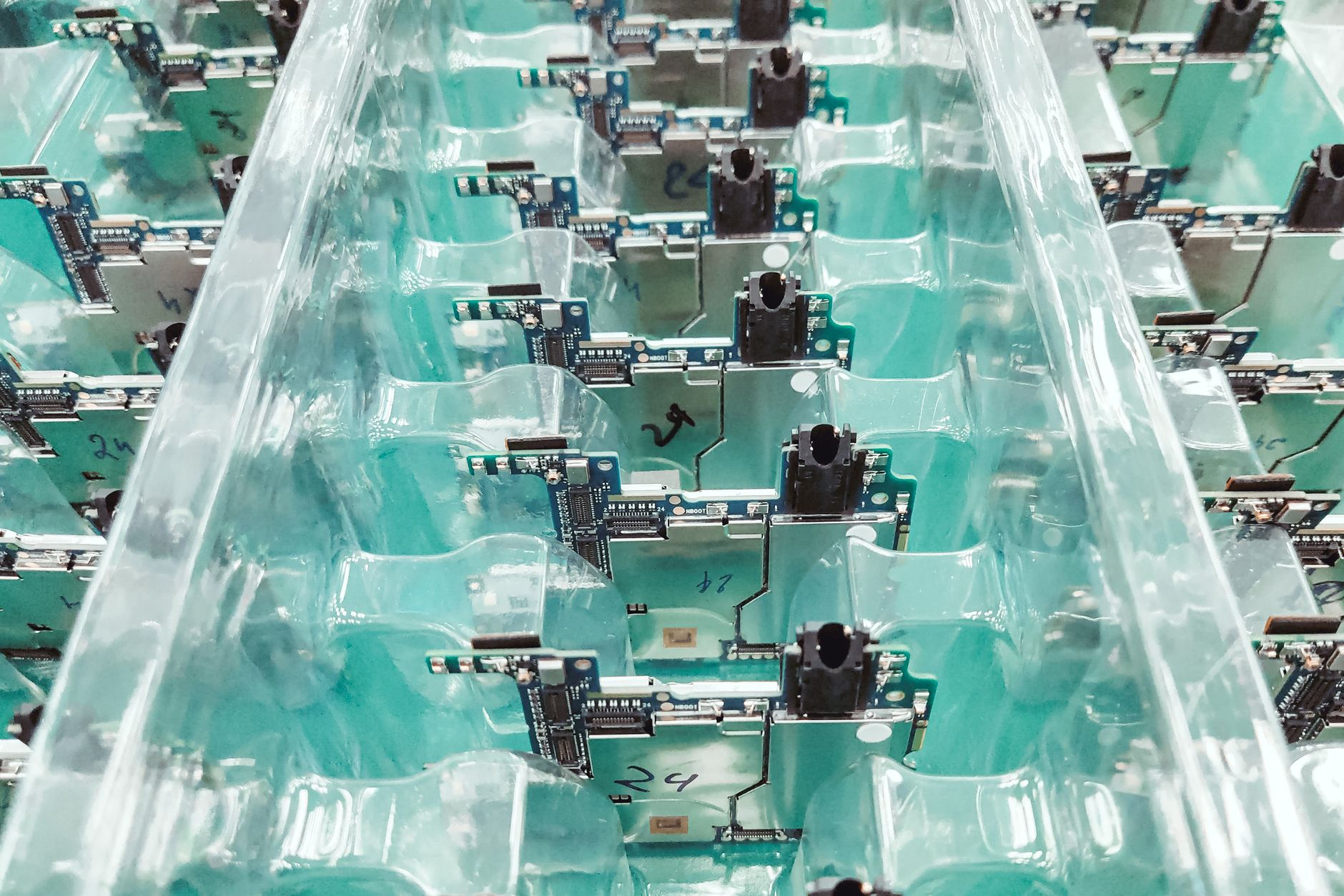
SK Hynix, a leading producer of High Bandwidth Memory (HBM) chips, completed a landmark $26.5 billion Initial Public Offering (IPO) in the U.S. on July 10, 2026 TechCrunch, 2026. This listing marks the largest foreign IPO in U.S. history, signaling unprecedented investor appetite for AI infrastructure and fundamentally reshaping global semiconductor manufacturing dynamics. Founders observing this deal should recognize the immense capital flowing into foundational AI technology and the strategic importance of supply chain resilience in critical sectors.
Quick takeaways
- SK Hynix raised $26.5 billion in its U.S. IPO on July 10, 2026, marking the largest foreign listing in U.S. history.
- The IPO underscores unprecedented investor demand for AI infrastructure, particularly High Bandwidth Memory (HBM) chips, which are crucial for AI accelerators and advanced data centers.
- U.S. Commerce Secretary Gina Raimondo urged SK Hynix to construct new fabrication plants (fabs) in the United States, emphasizing domestic supply chain resilience and national security.
- This mega-listing and the associated geopolitical pressures are anticipated to reshape global semiconductor manufacturing dynamics, highlighting the strategic importance of companies at the forefront of the artificial intelligence revolution.
- Founders should note the market's deep capital reserves for critical infrastructure, the increasing influence of national security on tech development, and the potential for significant exits in foundational technology sectors.
The $26.5 Billion Milestone: A New Benchmark for Foreign Listings
SK Hynix's $26.5 billion U.S. IPO on July 10, 2026, established a new benchmark for foreign companies seeking capital on American exchanges TechCrunch, 2026. This figure represents the largest foreign listing in U.S. history, a declarative statement of global investor confidence in specific technology sectors and market stability. The sheer scale of capital raised by SK Hynix reflects a confluence of factors: the company's established position as a leading producer of High Bandwidth Memory (HBM) chips, the critical role these components play in the burgeoning AI industry, and the strategic advantages of a U.S. listing.
For international companies, a U.S. IPO offers access to a deep pool of institutional and retail capital, often unparalleled in other global markets. This access can facilitate rapid expansion, fund significant research and development initiatives, and enhance global brand recognition. SK Hynix's success demonstrates that despite geopolitical tensions and evolving regulatory landscapes, the U.S. market remains a primary destination for companies seeking substantial growth capital. The magnitude of this IPO signals to other foreign enterprises that foundational technology providers, particularly those integral to the AI revolution, can command premium valuations and attract significant investment. This event sets a precedent, indicating that companies with a clear, critical role in future technological paradigms are positioned for substantial public market debuts. The U.S. capital markets have historically rewarded innovation and market leadership, and SK Hynix's IPO reinforces this pattern, especially for firms operating at the crucial hardware layer of emerging technologies. The listing provides a tangible example for other global tech companies considering their own public market strategies, suggesting that aligning with major technological shifts and demonstrating market leadership can unlock unprecedented capital.
Beyond the immediate financial injection, such a large-scale IPO provides a company with enhanced liquidity and a strengthened balance sheet. This allows for long-term strategic investments, potentially accelerating manufacturing capacity expansion, driving further innovation in HBM and other memory technologies, and solidifying market dominance. The success of this offering also validates SK Hynix's business model and its strategic focus on high-performance memory solutions. It reflects an investor belief in the sustained demand for these specialized components, driven by the continuous advancement of artificial intelligence and machine learning applications. The record-breaking nature of this IPO will likely be studied by financial analysts and corporate strategists for years, serving as a case study in how to navigate global capital markets during periods of rapid technological transformation and geopolitical complexity.
AI Infrastructure: The Engine of Investor Appetite
The $26.5 billion raised by SK Hynix directly signals an unprecedented investor appetite for AI infrastructure and technology TechCrunch, 2026. This demand is not abstract; it is driven by the concrete need for High Bandwidth Memory (HBM) chips, which SK Hynix leads in producing. HBM chips are crucial components for AI accelerators and advanced data centers TechCrunch, 2026. The proliferation of sophisticated AI models, from large language models to complex neural networks, requires immense computational power and, critically, rapid data access. Traditional memory solutions often bottleneck the performance of Graphics Processing Units (GPUs) and other AI processors. HBM addresses this by stacking multiple memory dies vertically and integrating them directly onto the same package as the processor, significantly increasing bandwidth and reducing latency. This architectural advantage makes HBM indispensable for high-performance computing tasks inherent in AI workloads.
The AI revolution, while often discussed in terms of software and algorithms, is fundamentally reliant on robust hardware infrastructure. Every advancement in AI, every new model, and every scaled deployment demands more efficient and powerful chips. Investors recognize that companies providing these foundational hardware components are strategically positioned to benefit from the sustained growth of the AI sector. The success of SK Hynix's IPO underscores this perspective, highlighting that the "picks and shovels" providers in the AI gold rush are attracting significant capital. This includes not just memory manufacturers but also companies involved in advanced packaging, specialized interconnects, and high-efficiency cooling solutions for data centers. The market is distinguishing between speculative AI applications and the indispensable hardware enabling the entire ecosystem.
The demand for HBM chips is projected to continue its upward trajectory as AI applications become more pervasive across industries. From autonomous vehicles and scientific research to financial modeling and personalized medicine, the need for faster, more efficient data processing is constant. This creates a durable demand curve for HBM, providing a strong investment thesis for companies like SK Hynix. The IPO's success also reflects a broader market understanding that the development and deployment of AI are capital-intensive undertakings, requiring massive investment in physical infrastructure. Data centers are expanding, new AI-specific hardware is being developed, and the global supply chain for these components is under immense pressure. Investors are betting on the long-term strategic importance of companies that can reliably supply these critical building blocks, positioning SK Hynix as a key beneficiary of this hardware-driven AI expansion. The IPO demonstrates that the market views AI not just as a software phenomenon, but as a deep technological shift requiring a complete overhaul of underlying computing infrastructure.
The Geopolitical Imperative: U.S. Manufacturing Pressure
Following SK Hynix's record-breaking IPO, U.S. Commerce Secretary Gina Raimondo publicly urged the company to construct new fabrication plants (fabs) in the United States TechCrunch, 2026. This call is not merely a suggestion; it represents a strategic imperative aimed at strengthening domestic semiconductor supply chain resilience and national security TechCrunch, 2026. The COVID-19 pandemic exposed vulnerabilities in global supply chains, particularly in critical sectors like semiconductors, which are fundamental to nearly every modern industry, from consumer electronics to defense systems. The reliance on a limited number of manufacturing hubs, predominantly in East Asia, has become a significant concern for governments worldwide.
The U.S. government's push for increased domestic semiconductor manufacturing is driven by several factors. Firstly, national security is paramount. Advanced chips, including HBM, are essential for military technology, intelligence systems, and critical infrastructure. Ensuring a domestic supply reduces the risk of disruption dueoversight, or geopolitical leverage. Secondly, economic resilience plays a key role. A robust domestic manufacturing base creates high-paying jobs, fosters innovation within the U.S., and mitigates the economic impact of future supply chain shocks. The ability to produce cutting-edge components domestically reduces dependence on foreign sources, safeguarding American industries from external pressures.
For SK Hynix, this directive from a senior U.S. official introduces a complex strategic decision. While the IPO provides substantial capital, allocating a significant portion to build new fabs in the U.S. would involve considerable investment, logistical challenges, and navigating a different regulatory and labor environment than its existing operations. However, the potential benefits of complying are significant: access to U.S. government incentives, stronger relationships with key U.S. customers (many of whom are also critical to the AI ecosystem), and a guaranteed presence within a strategically important market. Furthermore, establishing U.S. fabs could align SK Hynix with broader U.S. policy goals, potentially easing future trade and regulatory interactions. The request highlights the increasing intersection of technology, economics, and geopolitics, where market forces alone are no longer the sole drivers of corporate strategy. Companies operating in critical technology sectors must now consider the national security interests of the countries in which they operate and sell. This pressure on SK Hynix is indicative of a broader trend where governments are actively seeking to reshore or nearshore essential manufacturing capabilities, using a combination of incentives and diplomatic leverage to achieve these objectives. The decision SK Hynix makes regarding U.S. fab construction will be a significant indicator of how global semiconductor companies balance commercial interests with geopolitical demands.
Reshaping Global Semiconductor Dynamics
SK Hynix's successful IPO and the concurrent U.S. pressure for domestic manufacturing are anticipated to reshape global semiconductor manufacturing dynamics TechCrunch, 2026. This shift is not merely incremental; it signifies a fundamental re-evaluation of supply chain strategies and geopolitical alignments within the critical technology sector. For decades, semiconductor manufacturing has largely consolidated in specific regions, driven by economies of scale, specialized expertise, and established infrastructure. The focus has been on efficiency and cost optimization, leading to highly interconnected but geographically concentrated supply chains. This model is now being challenged by national security concerns and the desire for greater resilience.
The call for SK Hynix to build U.S. fabs is part of a broader global trend towards regionalization and diversification of semiconductor production. Governments, particularly in the U.S. and Europe, are actively pursuing policies and offering significant incentives to attract chip manufacturers to establish or expand operations within their borders. This aims to reduce reliance on single points of failure and ensure access to critical components during times of crisis or geopolitical tension. The potential establishment of SK Hynix's HBM fabs in the U.S. would represent a substantial step in this direction, diversifying the geographical footprint for a critical AI component. This could lead to a more distributed global manufacturing base, albeit potentially at a higher cost in the short term, but with increased stability and security in the long run.
Furthermore, this development underscores the strategic importance of companies at the forefront of the artificial intelligence revolution TechCrunch, 2026. HBM chips are not commodity memory; they are highly specialized, high-value components integral to the performance of advanced AI systems. The ability to produce these chips reliably and securely becomes a national asset. As such, governments are increasingly treating companies like SK Hynix not just as commercial entities but as strategic partners in their technological and economic security frameworks. This elevates the company's profile and influence on the global stage, but also subjects it to greater geopolitical scrutiny and pressure. The dynamics of competition within the semiconductor industry are also set to evolve. While traditional metrics like market share and technological leadership remain crucial, factors such as geographical manufacturing presence and alignment with national policy objectives will gain increasing weight. This could lead to new alliances, joint ventures, and strategic investments aimed at building resilient, regional supply chains, fundamentally altering the competitive landscape for memory and logic chip manufacturers globally. The SK Hynix IPO and the subsequent U.S. government engagement serve as a clear indicator that the era of purely commercial decisions in critical technology sectors is receding, replaced by a complex interplay of market forces, national interests, and strategic partnerships.
Lessons for Founders: Mega-Exits and Market Signals
SK Hynix's $26.5 billion IPO offers several critical lessons for startup founders, particularly those operating in deep tech, hardware, and AI infrastructure. The first and most prominent takeaway is the immense capital available for companies addressing fundamental needs within a transformative technological shift. The "unprecedented investor appetite for AI infrastructure" TechCrunch, 2026 is a clear signal: while consumer-facing AI applications capture headlines, the underlying hardware and foundational technologies are where significant long-term value and capital deployment reside. Founders should identify indispensable components, services, or tools that enable the broader AI ecosystem, rather than solely focusing on direct AI application layers. This could involve specialized compute, novel data storage, efficient power management, or advanced materials.
Secondly, the IPO demonstrates the potential for mega-exits in foundational technology sectors. While SK Hynix is an established player, its valuation and the capital raised reflect the strategic importance of its product—HBM chips—to the future of AI. For founders, this underscores the value of developing proprietary technology that becomes a bottleneck or critical enabler for a rapidly expanding market. Building a company around a niche, high-performance component that is difficult to replicate and crucial for next-generation systems can lead to substantial investor interest and, ultimately, a significant liquidity event. This means investing heavily in R&D, intellectual property, and specialized manufacturing capabilities from the outset.
A third lesson involves understanding the interplay between technology, market demand, and geopolitical forces. U.S. Commerce Secretary Gina Raimondo's urging for U.S. fabs highlights that even purely commercial decisions in critical sectors are now subject to national security and supply chain resilience considerations TechCrunch, 2026. Founders in sensitive technology areas must factor in potential government interest, incentives, or even mandates related to domestic production, regional supply chains, and national security implications. This can mean strategically choosing manufacturing locations, considering government partnerships, or aligning with broader national industrial policies. Ignoring these geopolitical currents can lead to unforeseen challenges, while proactively addressing them can unlock new opportunities and strategic advantages.
Finally, the scale of this IPO offers a lesson in ambition and long-term vision. Building a company capable of a $26.5 billion public offering requires sustained innovation, operational excellence, and a deep understanding of market trends over many years. Founders should cultivate a long-term perspective, focusing on building sustainable competitive advantages rather than chasing short-term trends. The success of SK Hynix is not an overnight phenomenon but the culmination of years of strategic investment in a critical technology. For early-stage founders, this means meticulously planning technology roadmaps, securing robust intellectual property, and building a resilient organization that can withstand market fluctuations and capitalize on enduring technological shifts. The demand for HBM chips is a direct consequence of the AI revolution, and SK Hynix's IPO illustrates the profound rewards for companies positioned at the core of such transformative shifts.
FAQ
Q: What is the significance of SK Hynix's IPO being the largest foreign listing in U.S. history? A: The IPO, raising $26.5 billion on July 10, 2026, signifies unprecedented investor confidence in companies providing foundational AI infrastructure TechCrunch, 2026. It demonstrates the U.S. market's capacity to absorb massive capital raises for strategically important global technology firms and sets a new benchmark for international companies considering U.S. listings.
Q: Why are High Bandwidth Memory (HBM) chips so important for AI? A: HBM chips are crucial components for AI accelerators and advanced data centers because they provide significantly higher data bandwidth and lower latency compared to traditional memory TechCrunch, 2026. This performance is essential for processing the vast amounts of data required by complex AI models, preventing data bottlenecks that can hinder AI system performance.
Q: What was the U.S. government's reaction to the SK Hynix IPO? A: U.S. Commerce Secretary Gina Raimondo urged SK Hynix to construct new fabrication plants (fabs) in the United States TechCrunch, 2026. This request is aimed at strengthening domestic semiconductor supply chain resilience and national security.
Q: How might this IPO reshape global semiconductor manufacturing? A: The IPO and the subsequent U.S. government pressure are anticipated to reshape global semiconductor manufacturing dynamics by promoting regionalization and diversification of production TechCrunch, 2026. It highlights the increasing intersection of national security, economic policy, and technological development in strategic industries.
Q: What lessons can startup founders take from SK Hynix's IPO? A: Founders should recognize the strong investor demand for foundational AI infrastructure, the potential for mega-exits in deep tech, and the increasing influence of geopolitical factors on technology strategy TechCrunch, 2026. Focusing on critical, proprietary components that enable major technological shifts, while also considering national policy implications, can lead to significant opportunities and capital.
Continue reading


The Entrepreneur Story
Is your story worth telling?
We feature founders who are building something real. Apply and we'll be in touch.
Apply to be featured →Stay sharp.
Ideas that move.
Founder stories, emerging ventures, and essays on what's next — straight to your inbox.
Unsubscribe any time.