
Neocloud Lambda's $1B Debt: A New Model for AI Infrastructure Funding
Neocloud Lambda's $1 billion private debt deal for Nvidia AI chips pioneers an asset-backed funding model, offering a crucial non-dilutive alternative for capital-intensive AI infrastructure.
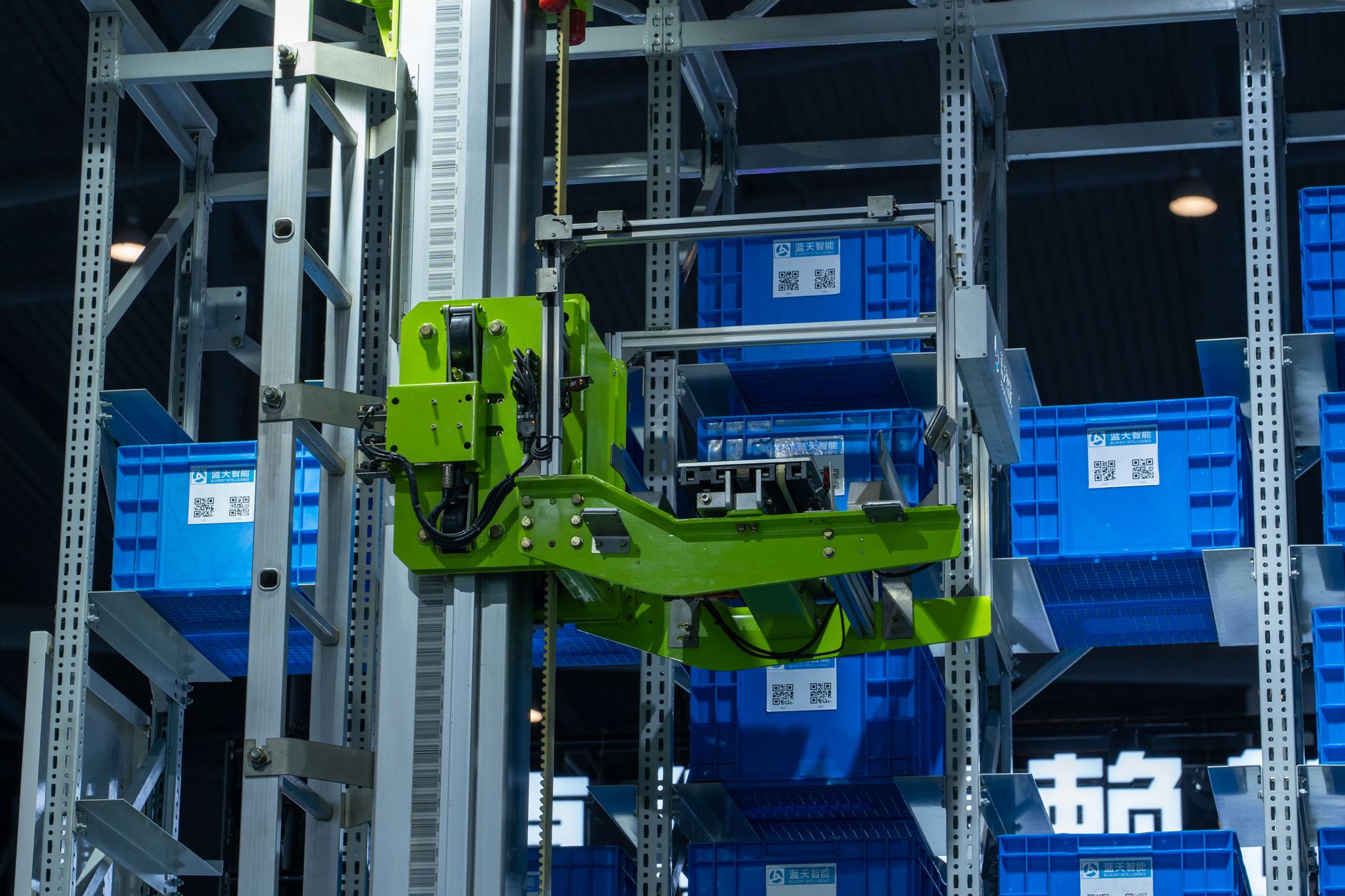
Neocloud Lambda closed a $1 billion private debt deal on August 28, 2026, specifically to acquire Nvidia AI chips, including H100s and future B200s, for lease to major cloud providers like Microsoft Azure [TechCrunch, 2026]. This transaction signals an emerging capital structure for financing the high-cost AI boom, offering founders an alternative to traditional equity for capital-intensive ventures. The deal, backed by institutional investors such as BlackRock and Apollo Global Management, pioneers an asset-backed debt approach to fund critical AI infrastructure expansion [TechCrunch, 2026].
Quick takeaways
- New Capital Source: Neocloud Lambda secured $1 billion in private debt, demonstrating an alternative to equity for funding high-cost AI infrastructure.
- Asset-Backed Model: The debt is tied directly to the acquisition of Nvidia AI chips, which will be leased to major cloud providers, creating stable, long-term revenue streams as collateral [TechCrunch, 2026].
- Institutional Investor Interest: BlackRock and Apollo Global Management's participation highlights growing institutional appetite for AI-related asset classes, seeking predictable returns from critical infrastructure [TechCrunch, 2026].
- Addressing AI Chip Scarcity: This model helps fund the massive capital expenditure required to secure advanced GPUs, crucial for scaling AI compute capacity amidst high demand and cost [TechCrunch, 2026].
- Founder Implications: Founders in hardware, infrastructure, or other capital-intensive sectors should examine private debt as a non-dilutive financing option, particularly when assets can generate stable, predictable cash flows.
The $1 Billion Bet on AI Infrastructure
Neocloud Lambda's recent $1 billion private debt raise represents a significant move in the capital-intensive world of artificial intelligence infrastructure. The transaction, finalized on August 28, 2026, is explicitly earmarked for the bulk acquisition of Nvidia's most advanced AI chips, including the current H100 GPUs and the forthcoming B200 models [TechCrunch, 2026]. This direct link between financing and specific hardware procurement underscores the strategic importance of AI accelerators in today's tech landscape.
The acquired chips are not for Neocloud Lambda's internal use in developing AI models, but rather for a leasing model aimed at major cloud service providers. Microsoft Azure has been identified as a key client, indicating the scale and reliability of demand for these high-performance components [TechCrunch, 2026]. Cloud providers, striving to offer cutting-edge AI capabilities to their vast customer bases, face immense pressure to secure sufficient compute power. Nvidia's GPUs have become the de facto standard for training and deploying complex AI models, making them a bottleneck in the industry's rapid expansion. The H100, known for its Tensor Core architecture and Hopper generation advancements, delivers unparalleled performance for AI workloads, while the anticipated B200 is expected to push these boundaries further. The cost of these individual chips, combined with the sheer volume required to build out a competitive AI cloud offering, runs into billions of dollars. This necessitates innovative financing solutions beyond traditional venture capital.
Neocloud Lambda's strategy directly addresses this demand-supply imbalance and the associated capital requirements. By securing a large fleet of these chips, the company positions itself as a critical enabler for cloud providers who might otherwise struggle to acquire chips at scale or prefer to lease rather than own these rapidly evolving, high-depreciation assets. The leasing model provides cloud providers with the flexibility to scale their AI compute capacity without massive upfront capital expenditure, while ensuring Neocloud Lambda a predictable, long-term revenue stream [TechCrunch, 2026]. This symbiotic relationship highlights the evolving dynamics within the AI supply chain, where specialized infrastructure providers are emerging to bridge the gap between chip manufacturers and end-users. The $1 billion injection of capital allows Neocloud Lambda to play a significant role in accelerating the deployment of next-generation AI, underpinning a wide array of applications from large language models to advanced scientific simulations. The deal is a testament to the market's belief in the sustained, exponential growth of AI compute demand and the critical role of specialized hardware in meeting it.
Private Debt: A New Fuel for the AI Boom
The Neocloud Lambda deal is a prime example of private debt emerging as a crucial financing mechanism for the capital-intensive artificial intelligence sector. In an industry where the cost of advanced AI chips can run into the millions for individual units and billions for fleets, traditional equity funding models, particularly early-stage venture capital, often prove insufficient or overly dilutive for hardware-heavy ventures. The acquisition of Nvidia H100s and future B200s, as planned by Neocloud Lambda, requires significant upfront capital outlay [TechCrunch, 2026]. This kind of expenditure often does not align with the risk-return profiles typically sought by equity investors looking for rapid, exponential valuation growth.
Private debt, in contrast, offers a structured, less dilutive alternative. Unlike venture capital, which involves selling ownership stakes in exchange for funding, private debt typically involves loans from non-bank lenders, often institutional funds, with specific repayment terms, interest rates, and collateral arrangements. For Neocloud Lambda, the Nvidia chips themselves, and the predictable revenue streams generated from leasing them to stable clients like Microsoft Azure, serve as the underlying assets and guarantees for the debt [TechCrunch, 2026]. This asset-backed structure makes the investment less speculative than pure equity, appealing to investors seeking more predictable returns over a defined period.
The rise of private debt in AI infrastructure is a direct response to the unique financial characteristics of the sector. Building and operating large-scale AI compute clusters requires substantial investment in hardware, data centers, and specialized cooling, all before revenue generation can fully scale. Equity funding, while essential for early-stage innovation and market validation, can become prohibitively expensive as capital needs escalate into the hundreds of millions or billions. Founders may find themselves giving up significant portions of their company to fund infrastructure that, while critical, generates more predictable, utility-like revenue rather than explosive software-as-a-service multiples. Private debt allows companies like Neocloud Lambda to scale their physical assets without excessive equity dilution, preserving founder control and future upside. This emerging financing model is not just an alternative; it's becoming a necessity for companies positioned at the hardware layer of the AI stack, where the capital intensity rivals traditional infrastructure projects more than typical software startups. The success of Neocloud Lambda's $1 billion raise signals a maturation in AI financing, recognizing that different stages and types of AI businesses demand varied capital structures.
The Asset-Backed Model: How It Works
Neocloud Lambda's $1 billion private debt deal hinges on an asset-backed financing model, a structure that fundamentally changes how capital-intensive AI infrastructure can be funded. At its core, this model leverages tangible assets – in this case, a massive fleet of high-demand Nvidia AI chips – as collateral against the borrowed capital [TechCrunch, 2026]. This provides a layer of security for lenders that is often absent in traditional venture equity deals, which typically rely on future growth prospects rather than present assets.
The operational mechanics are straightforward: Neocloud Lambda secured $1 billion to acquire Nvidia H100 and future B200 GPUs [TechCrunch, 2026]. These chips, once acquired, become the primary assets underpinning the debt. Neocloud Lambda then leases these chips to major cloud service providers, with Microsoft Azure identified as a key client [TechCrunch, 2026]. The leasing agreements are designed to generate stable, long-term revenue streams. This predictable cash flow is crucial, as it provides the mechanism for Neocloud Lambda to service and repay its debt obligations. Lenders like BlackRock and Apollo Global Management are not just betting on the future growth of AI; they are investing in a tangible asset that generates consistent income from creditworthy counterparties.
For institutional investors, this model de-risks their investment compared to pure equity plays in early-stage AI companies. The value of the collateral (Nvidia chips) is high, and the demand is robust and growing, ensuring a market for the assets even in adverse scenarios. Furthermore, the long-term leasing contracts with established cloud providers offer a high degree of revenue predictability. This contrasts sharply with the often volatile and unpredictable revenue trajectories of many venture-backed software startups. The asset-backed approach transforms the high cost of advanced AI chips from a prohibitive barrier into a leverageable investment opportunity. It creates a closed loop: debt funds chip acquisition, chips generate lease revenue, lease revenue repays debt. This structure allows Neocloud Lambda to scale its compute capacity rapidly and efficiently without diluting equity ownership to the same extent a venture round of this size would require. The model essentially securitizes the future demand for AI compute, offering a blueprint for other infrastructure providers looking to capitalize on the AI boom with a more conservative, yet scalable, financing strategy.
Institutional Appetite: BlackRock, Apollo, and the New Asset Class
The participation of institutional giants like BlackRock and Apollo Global Management in Neocloud Lambda's $1 billion debt round underscores a significant shift in how large-scale capital is flowing into the AI sector [TechCrunch, 2026]. These firms typically manage trillions of dollars in assets and are constantly seeking opportunities that offer stable, predictable returns, often through diversified portfolios that include infrastructure, real estate, and private credit. The Neocloud Lambda deal, structured as private debt backed by physical assets and long-term contracts, perfectly aligns with this investment mandate.
For institutional investors, the "new asset class" created by Neocloud Lambda's approach is compelling [TechCrunch, 2026]. It offers exposure to the exponential growth of the AI industry without the high volatility and valuation risk associated with investing directly in early-stage AI software companies. Instead, these investors are essentially financing the foundational infrastructure upon which the entire AI ecosystem depends. The underlying assets – Nvidia H100s and future B200s – are in exceptionally high demand, creating a strong market value for the collateral. The leasing agreements with major cloud providers such as Microsoft Azure further enhance the attractiveness of this asset class by providing reliable, long-term revenue streams [TechCrunch, 2026]. This predictability is a key factor for institutions that prioritize consistent cash flow and capital preservation.
BlackRock, as the world's largest asset manager, and Apollo Global Management, a prominent alternative investment firm specializing in private equity, credit, and real assets, bring immense financial firepower to the table. Their involvement signals a broader trend: as the AI industry matures and its infrastructure needs become clearer and more stable, it increasingly attracts capital sources beyond traditional venture capital. These institutions are not merely providing loans; they are validating a new financial architecture for high-cost technology infrastructure. They view the underlying AI compute capacity as a utility, similar to data centers or fiber networks, capable of generating annuity-like returns. This perspective transforms what might seem like a risky bet on bleeding-edge technology into a calculated investment in essential digital infrastructure. The scale of capital deployed by these firms means that such debt facilities can unlock significant growth for companies like Neocloud Lambda, enabling them to acquire the vast quantities of hardware needed to meet global AI demand. Their participation not only fuels Neocloud Lambda's expansion but also sets a precedent, likely encouraging other institutional investors to explore similar opportunities in the burgeoning AI infrastructure market.
Implications for Founders: Beyond Equity for Capital-Intensive Ventures
Neocloud Lambda's $1 billion private debt deal offers critical lessons for founders, particularly those operating in capital-intensive sectors beyond just AI. The transaction demonstrates a viable, scalable alternative to traditional equity funding, especially when a business model involves acquiring high-value assets that generate predictable revenue streams [TechCrunch, 2026]. For many founders, equity dilution is a constant concern. Every venture capital round means selling off a piece of the company, impacting control and future financial upside. Neocloud Lambda's approach highlights that for certain business types, debt can be a more strategic option.
Founders of hardware companies, infrastructure providers, or businesses requiring significant upfront capital expenditure – be it for specialized manufacturing equipment, renewable energy assets, or biotech labs – should closely examine the asset-backed debt model. The key differentiator is the ability to leverage tangible, high-value assets and demonstrate stable, long-term revenue generation from those assets [TechCrunch, 2026]. In Neocloud Lambda's case, the Nvidia H100s and B200s, combined with leasing contracts to a major cloud provider like Microsoft Azure, provided the necessary collateral and cash flow visibility for institutional lenders [TechCrunch, 2026]. This model allows founders to retain greater equity ownership while still securing substantial growth capital.
The decision to pursue debt over equity is not universal and depends heavily on the business model. For businesses with uncertain revenue models, high burn rates, or unproven market demand, equity will likely remain the primary funding source due as it shares risk with investors. However, for companies that have moved past early-stage validation, have a clear path to generating recurring revenue from physical assets, and operate in markets with strong, sustained demand, private debt can be transformative. It enables faster scaling of physical capacity without the constant pressure of valuation metrics that often accompany equity rounds. Founders should consider:
- Asset Base: Do you have tangible assets that hold significant value and are in high demand?
- Revenue Predictability: Can these assets generate stable, long-term cash flows through contracts or subscriptions?
- Cost of Capital: How does the cost of debt (interest rates, fees) compare to the dilution cost of equity at your current valuation?
- Control: How important is it to maintain control and minimize equity dilution?
By understanding these factors, founders can strategically choose the right capital structure for their growth stage and business type. Neocloud Lambda's success serves as a powerful case study, illustrating that the funding landscape for ambitious, capital-intensive ventures is evolving, offering more nuanced and less dilutive options beyond the traditional venture capital playbook. This trend could democratize access to large-scale capital for founders building the physical backbone of the next technological waves, not just the software on top.
FAQ
Q: What is the primary purpose of Neocloud Lambda's $1 billion debt funding? A: The $1 billion in private debt secured by Neocloud Lambda is specifically earmarked for the acquisition of Nvidia AI chips, including H100 GPUs and future B200 models [TechCrunch, 2026]. These chips will then be leased to major cloud service providers like Microsoft Azure.
Q: How does this financing model differ from traditional venture capital? A: This model uses private debt, which is a loan with specific repayment terms and often backed by assets, rather than equity funding, which involves selling ownership shares. For Neocloud Lambda, the Nvidia chips and their associated leasing revenues act as collateral, making it an asset-backed structure [TechCrunch, 2026]. This reduces equity dilution for the company while providing stable returns for investors.
Q: Which institutional investors participated in this debt round? A: Institutional investors such as BlackRock and Apollo Global Management participated in Neocloud Lambda's $1 billion private debt round [TechCrunch, 2026]. Their involvement highlights a growing appetite for AI infrastructure as a new, stable asset class.
Q: Why is this financing model significant for the AI industry? A: The high cost of advanced AI chips makes specialized financing crucial for scaling AI compute capacity [TechCrunch, 2026]. This private debt model provides a way to fund these expensive, essential assets without relying solely on equity, offering an alternative for capital-intensive AI infrastructure providers to grow rapidly and meet the immense demand from cloud providers.
Q: What does this mean for other founders in capital-intensive sectors? A: This deal demonstrates that asset-backed private debt can be a powerful, less dilutive financing option for founders whose businesses require significant upfront capital for tangible assets that can generate predictable, long-term revenue streams [TechCrunch, 2026]. It encourages founders to explore diverse funding strategies beyond traditional equity to retain more ownership and control.
Continue reading



The Entrepreneur Story
Is your story worth telling?
We feature founders who are building something real. Apply and we'll be in touch.
Apply to be featured →Stay sharp.
Ideas that move.
Founder stories, emerging ventures, and essays on what's next — straight to your inbox.
Unsubscribe any time.