
Holtec Pulls $900M Nuclear IPO Amid AI Bubble Fears A Cautionary Tale for Founders
Holtec International withdrew its $900 million nuclear IPO, citing an "AI bubble" that diverts capital, signaling a challenging market for non-AI, capital-intensive ventures.
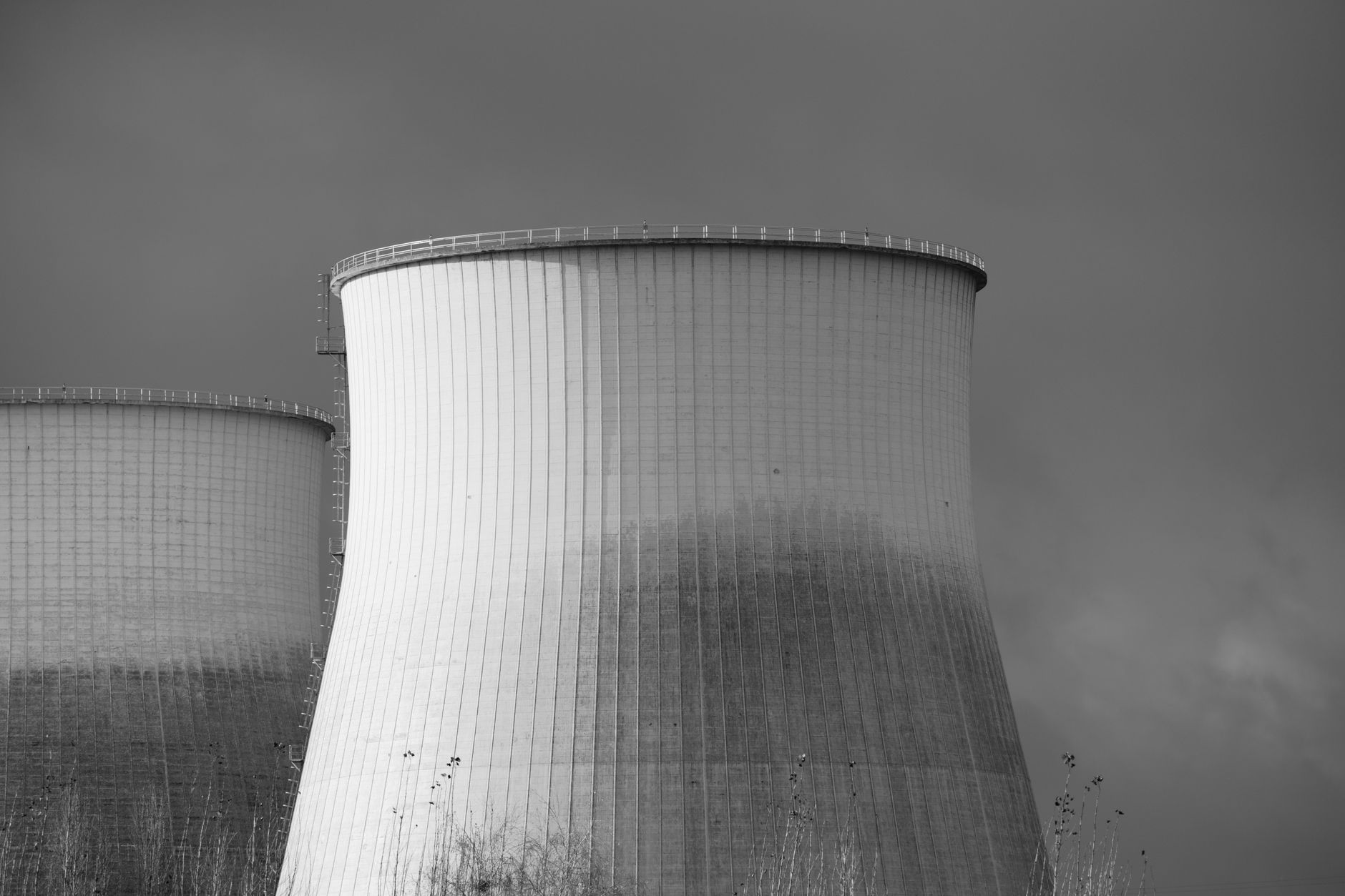
Holtec International, a nuclear technology company, formally withdrew its planned initial public offering (IPO) on May 14, 2024, which was slated to raise up to $900 million Benzinga, 2024. This decision, attributed to "market conditions" and "irrational exuberance" around AI stocks, highlights a challenging environment for capital-intensive companies outside AI to attract public investment Benzinga, 2024. For founders in sectors requiring substantial long-term capital, Holtec's experience serves as a direct warning about current public market sentiment.
Quick takeaways:
- Holtec International withdrew its $900 million IPO on May 14, 2024, citing challenging market conditions and investor focus on AI.
- The decision underscores difficulty for capital-intensive companies in non-AI sectors to attract public market investment.
- Current investor sentiment prioritizes high-growth AI ventures, creating a competitive disadvantage for critical industries like nuclear energy.
- Founders outside AI must understand the shifting landscape and potential need for alternative capital strategies or revised valuation expectations.
- Holtec specializes in Small Modular Reactors (SMRs) and nuclear waste management, areas requiring significant, patient capital.
The $900 Million Withdrawal and Its Immediate Context
Holtec International, a company specializing in the design, fabrication, and licensing of small modular reactors (SMRs) and the management of nuclear waste, formally withdrew its initial public offering on May 14, 2024 Benzinga, 2024. The IPO was intended to raise up to $900 million, a substantial sum aimed at funding the commercialization of its SMR technology and expanding nuclear waste management solutions Benzinga, 2024. Holtec had filed its S-1 registration statement with the U.S. Securities and Exchange Commission (SEC) on February 28, 2024, initiating the formal process for public listing Benzinga, 2024. The withdrawal marks a significant setback for the company's immediate capital acquisition strategy and sends a clear signal across the broader market.
The reasons cited by Holtec for this abrupt reversal were "market conditions" and, more specifically, the "irrational exuberance" surrounding AI stocks Benzinga, 2024. This statement points to a market environment where investor focus has narrowed intensely, prioritizing a single, high-growth sector to the detriment of others. For a company like Holtec, operating in a critical but capital-intensive sector such as nuclear energy, securing $900 million from public markets requires demonstrating a clear path to profitability and growth that can compete with the rapid, often speculative, gains seen in AI. The withdrawal suggests that, despite the strategic importance of nuclear power and waste management, the public market was not prepared to allocate such significant capital to a venture outside the prevailing AI narrative.
Holtec's business model is characterized by long development cycles, extensive regulatory processes, and substantial upfront infrastructure costs. SMRs, while promising for decentralized power generation and decarbonization, require immense investment in research, design, regulatory approval, and manufacturing capabilities before commercial deployment can generate significant returns. Similarly, nuclear waste management solutions involve complex engineering, long-term storage, and strict environmental regulations, all of which demand patient capital. The $900 million sought through the IPO was critical for advancing these long-term projects. The inability to secure this capital publicly highlights a stark disconnect between the strategic imperative for such technologies and the immediate financial appetite of public investors. This situation casts a shadow over other deep tech and infrastructure startups that require similar long-term capital commitments but do not fit the current AI-driven investment thesis. The withdrawal from a substantial IPO process, after incurring the significant legal and administrative costs of an S-1 filing, underscores the severity of the market conditions Holtec faced.
The "AI Bubble" and a Shifting Investor Landscape
Holtec's explicit mention of "irrational exuberance" around AI stocks as a key reason for its IPO withdrawal directly addresses the current state of investor sentiment. This phrase, historically associated with speculative market bubbles, suggests that the market's focus on artificial intelligence has created an environment where capital is disproportionately flowing into AI-related ventures, regardless of their immediate profitability or long-term viability. This phenomenon creates a competitive disadvantage for companies in other critical sectors, such as nuclear energy, which cannot match the perceived rapid growth trajectories or speculative potential of AI firms Benzinga, 2024.
Investors are currently prioritizing high-growth AI ventures, driven by a narrative of transformative potential across industries. This narrative often emphasizes software-centric models, perceived scalability, and the promise of disruptive innovation, which can translate into quick, substantial returns for early investors. The market's enthusiasm for AI is evident in the valuations of many AI startups and the performance of established tech companies heavily investing in AI capabilities. This intense focus means that other sectors, even those with clear long-term societal and economic value, struggle to capture investor attention and capital. The capital markets are not limitless; a surge of investment into one area often means a corresponding decrease in allocation to others.
This shifting landscape presents a significant challenge for founders outside the AI domain. Companies engaged in hardware development, complex engineering, or long-cycle infrastructure projects inherently operate on different timelines and financial models than typical software-as-a-service or generative AI startups. Their paths to profitability are often longer, requiring sustained, patient capital over many years or even decades. When public markets are dominated by a "get rich quick" mentality surrounding a specific technology, the fundamental value proposition of these capital-intensive, long-term ventures becomes difficult to articulate to a broad investor base seeking immediate upside. The market's current preference for AI reflects a desire for high-margin, scalable software solutions with lower capital expenditure requirements compared to building physical infrastructure or developing complex energy systems.
The "AI bubble" phenomenon is not merely about inflated valuations; it is about a reallocation of attention and resources. Fund managers, retail investors, and even institutional investors are drawn to the sectors perceived to offer the highest immediate returns. This creates a feedback loop where successful AI companies attract more capital, further driving up valuations and diverting attention from other industries. For Holtec, preparing for an IPO meant convincing a wide array of potential investors that a nuclear technology company, with its inherent regulatory burdens and long-term development cycles, could offer a comparable or superior return on investment to an AI startup. The decision to withdraw indicates that this case proved too difficult to make effectively in the current market, underscoring how deeply entrenched this AI-centric investment bias has become. This environment forces founders in non-AI sectors to not only compete with direct rivals but also with the overwhelming narrative and capital pull of the AI industry.
Capital-Intensive Ventures in a Skewed Market
Holtec International's core business — designing, fabricating, and licensing small modular reactors (SMRs) and managing nuclear waste — places it firmly within the category of capital-intensive ventures Benzinga, 2024. These types of companies require enormous upfront investment in research and development, manufacturing facilities, specialized equipment, regulatory compliance, and often, large-scale infrastructure projects. Unlike many software or internet-based companies that can achieve rapid scalability with relatively low marginal costs, nuclear technology demands patient capital and a long-term investment horizon. The $900 million Holtec aimed to raise through its IPO was specifically earmarked for the commercialization of its SMR technology and the expansion of its nuclear waste management solutions Benzinga, 2024. These are not projects that yield quick returns; they are foundational investments in future energy infrastructure and environmental solutions.
The difficulty Holtec faced in attracting public market investment highlights a fundamental challenge for deep tech, hardware, and infrastructure startups in the current climate. The prevailing investor sentiment, heavily influenced by the "irrational exuberance" around AI, favors companies that promise rapid growth, asset-light models, and high-margin software solutions. These characteristics often translate into faster paths to profitability and more attractive short-term returns for investors. Capital-intensive ventures, by contrast, typically involve:
- Long Development Cycles: Bringing a new SMR design to market, from concept to commercial operation, can take years, even decades, due to stringent safety regulations, complex engineering, and extensive testing.
- High Upfront Costs: Building manufacturing plants, specialized facilities, and securing the necessary materials for nuclear components requires billions, not millions, over time.
- Regulatory Hurdles: Nuclear energy is one of the most heavily regulated industries globally. Navigating licensing, environmental impact assessments, and safety approvals is a prolonged and costly process.
- Limited Immediate Revenue: Significant revenue generation often only begins once commercial deployment is achieved, meaning a long period of net capital outflow.
These characteristics make it difficult for companies like Holtec to compete for public market capital against firms that can demonstrate accelerating revenue growth, high user acquisition numbers, or immediate profitability through software subscriptions. Investors are reportedly prioritizing high-growth AI ventures, creating a competitive disadvantage for companies in other critical sectors like nuclear energy Benzinga, 2024. This skew in investor preference means that even fundamentally sound businesses addressing critical societal needs, such as clean energy and waste management, may find themselves undervalued or unable to secure necessary funding through traditional public channels during periods of intense speculative focus on a single sector.
For founders building capital-intensive businesses, Holtec's experience underscores the need for strategic differentiation and perhaps alternative financing approaches. While private equity, venture capital, and government grants can provide some runway, the scale of capital required for projects like SMR commercialization often necessitates access to public markets. The current environment demands that these founders craft compelling narratives that emphasize long-term value and strategic importance, even if they cannot promise immediate, explosive growth. It also forces a re-evaluation of timing for public offerings, suggesting that periods of market exuberance in one sector can inadvertently close doors for others.
The Nuclear Renaissance Meets Market Realities
The nuclear power sector has recently experienced a resurgence of interest, often termed a "nuclear renaissance," driven by global decarbonization goals and the need for reliable, baseload electricity generation. Small Modular Reactors (SMRs), in particular, have garnered attention as a potentially more flexible, cost-effective, and safer alternative to traditional large-scale nuclear plants. Holtec International, specializing in SMR design and nuclear waste management, stands at the intersection of these critical trends Benzinga, 2024. The company's vision aligns with long-term energy security and climate objectives, making its technology strategically vital. However, the withdrawal of its $900 million IPO reveals a stark collision between this strategic importance and the immediate realities of public market sentiment.
The promise of SMRs lies in their modular construction, which could enable factory fabrication, reduce on-site construction times, and potentially lower overall costs compared to conventional gigawatt-scale reactors. They offer enhanced safety features and the flexibility to be deployed in diverse locations, including remote communities or industrial sites. Holtec's focus on commercializing this technology is a direct response to a recognized global need for clean, consistent power. Similarly, effective nuclear waste management is a persistent challenge for the entire nuclear industry, and Holtec's solutions in this area address a critical environmental and operational concern. These are not niche markets but foundational elements of future energy infrastructure.
Despite the compelling long-term outlook for nuclear energy and the specific innovations Holtec brings to the table, the public market's current allocation preferences have created a challenging environment. The "irrational exuberance" around AI, as cited by Holtec, means that investors are heavily biased towards companies that can deliver rapid, often exponential, growth within a short timeframe. Nuclear projects, by their very nature, cannot offer this. They are characterized by:
- Extended Regulatory Timelines: Securing approvals from bodies like the U.S. Nuclear Regulatory Commission (NRC) is a multi-year process, requiring extensive data, safety analyses, and public engagement. This creates significant lead times before commercial operations can begin.
- High Capital Intensity: Developing, building, and deploying nuclear technology requires billions of dollars over many years, meaning a long period before significant free cash flow is generated.
- Perceived Risk: Despite modern safety advancements, public perception of nuclear energy can still carry a historical burden of risk, which can influence investor appetite compared to seemingly "safer" or more familiar tech investments.
This disconnect forces a re-evaluation for founders in deep tech and infrastructure. The market may acknowledge the importance of a technology like SMRs, but it may not be willing to fund it through public offerings if it doesn't fit the prevailing narrative of rapid return on investment. The Holtec situation indicates that even companies addressing urgent global challenges with innovative solutions can struggle if their financial profile doesn't align with current market fads. This creates a significant hurdle for other ventures in areas such as advanced materials, biotechnology, space exploration, or sustainable infrastructure, all of which often share similar characteristics of long development cycles and high capital requirements. The nuclear renaissance may be unfolding in scientific and policy circles, but its translation into public market enthusiasm is currently being overshadowed by the AI boom.
A Cautionary Tale for Non-AI Founders
Holtec International's decision to withdraw its $900 million IPO serves as a potent cautionary tale for founders operating outside the AI sector, particularly those in capital-intensive industries Benzinga, 2024. The immediate implication is that the current public market is highly selective, prioritizing ventures that align with the dominant narrative of AI-driven growth and rapid returns. This creates a challenging environment for companies whose value proposition is rooted in long-term development, substantial upfront capital, and complex regulatory landscapes.
Founders must internalize several key lessons from Holtec's experience:
Public Market Readiness and Timing
Going public is not merely about a company's internal readiness, but critically, about market receptiveness. Holtec filed its S-1 in February 2024, signaling its intent to capture public capital. However, by May, the market conditions, particularly the "irrational exuberance" around AI, had made a successful offering untenable Benzinga, 2024. This suggests that even well-prepared companies in vital sectors can be sidelined if the broader market narrative is skewed. Founders in deep tech, biotech, clean energy, or advanced manufacturing must meticulously assess the prevailing investor sentiment and be prepared to delay or pivot their public offering plans if the market is not aligned with their business model's intrinsic characteristics. The window for certain types of IPOs can open and close rapidly, often driven by trends beyond a single company's control.
Investor Education and Narrative Control
Holtec's business in SMRs and nuclear waste management is strategically important, addressing critical needs for clean energy and environmental sustainability Benzinga, 2024. However, the market's focus on AI indicates that this long-term value proposition was insufficient to attract $900 million in public capital. Founders must work even harder to articulate the long-term value of their ventures, especially when competing against short-term hype. This involves crafting a compelling narrative that transcends immediate financial metrics, highlighting the societal impact, defensible intellectual property, and strategic necessity of their work. It means educating potential investors on the unique risk-reward profile of deep tech, emphasizing patient capital and long-term vision over rapid exponential growth, and clearly differentiating from the prevailing AI narrative.
Exploring Alternative Capital Strategies
When public markets are less receptive, founders must proactively explore diversified capital strategies. This could involve extending private funding rounds, seeking strategic partnerships with larger corporations or government entities, or leveraging non-dilutive funding like grants and subsidies. For capital-intensive businesses, private equity firms with longer investment horizons or sovereign wealth funds might be more suitable partners than a public market driven by quarterly earnings and short-term speculation. Holtec's withdrawal underscores the risk of relying solely on a public offering for substantial capital needs in a volatile market. Building a robust capital stack that can withstand market fluctuations becomes paramount.
Realistic Valuation Expectations
The "AI bubble" has inflated valuations for many companies in that sector, setting a high bar for perceived growth and profitability. Founders outside AI must maintain realistic valuation expectations for their companies, understanding that their business models may not command the same multiples as an AI startup. Overvaluing a company in a less favored sector can deter investors and ultimately lead to a failed IPO or difficult fundraising rounds. A grounded approach to valuation, based on intrinsic value, market fundamentals, and the specific risk profile of the industry, is essential.
Resilience and Strategic Patience
The journey for capital-intensive startups is inherently long and arduous. Holtec's situation is a reminder that even companies with strong technology and a clear market need can face unexpected headwinds. Founders must cultivate resilience, adapt their strategies, and exercise strategic patience. This may mean continuing to build, secure smaller tranches of private capital, and wait for a more favorable market window to pursue a large public offering. The long-term vision for a company like Holtec, contributing to global energy security, will likely endure beyond any single market cycle. The current market conditions are temporary, but the need for critical infrastructure and deep tech solutions is not.
FAQ
Q1: Why did Holtec International withdraw its IPO? A1: Holtec International withdrew its planned $900 million IPO on May 14, 2024, citing challenging "market conditions" and the "irrational exuberance" surrounding AI stocks Benzinga, 2024. The company indicated that public market investors were prioritizing high-growth AI ventures over capital-intensive businesses like nuclear technology.
Q2: What kind of company is Holtec International? A2: Holtec International is a nuclear technology company that specializes in designing, fabricating, and licensing small modular reactors (SMRs) and managing nuclear waste Benzinga, 2024. The company aimed to use the IPO proceeds to commercialize its SMR technology and expand its waste management solutions.
Q3: What does "irrational exuberance" around AI stocks mean in this context? A3: This phrase refers to a period where investor enthusiasm for AI companies has become disproportionately high, potentially leading to inflated valuations and a speculative environment. For Holtec, it meant that investors were primarily directing capital towards AI ventures, making it difficult for a capital-intensive nuclear technology company to attract the necessary public investment Benzinga, 2024.
Q4: What are the implications for founders in non-AI sectors? A4: Holtec's withdrawal serves as a cautionary tale for non-AI founders eyeing public markets Benzinga, 2024. It highlights the importance of market timing, the need for robust alternative capital strategies, realistic valuation expectations, and the challenge of communicating long-term value when investor sentiment is heavily skewed towards a specific, high-growth sector.
Q5: What was Holtec's intended use of the IPO proceeds? A5: Holtec intended to use the IPO proceeds to fund the commercialization of its small modular reactor (SMR) technology and to expand its nuclear waste management solutions Benzinga, 2024. These are long-term, capital-intensive projects.
Continue reading


Are you building something worth writing about? Submit your founder story →