

The “Influencer” Blueprint: Gymshark’s Guerilla Marketing
- January 11, 2026
- 0
Metric The Gymshark Stats Company Name Gymshark Founder Ben Francis The “Zero” Moment 2012: A pizza delivery boy sewing clothes in a garage. The “Crazy” Bet Sending free
Metric The Gymshark Stats Company Name Gymshark Founder Ben Francis The “Zero” Moment 2012: A pizza delivery boy sewing clothes in a garage. The “Crazy” Bet Sending free
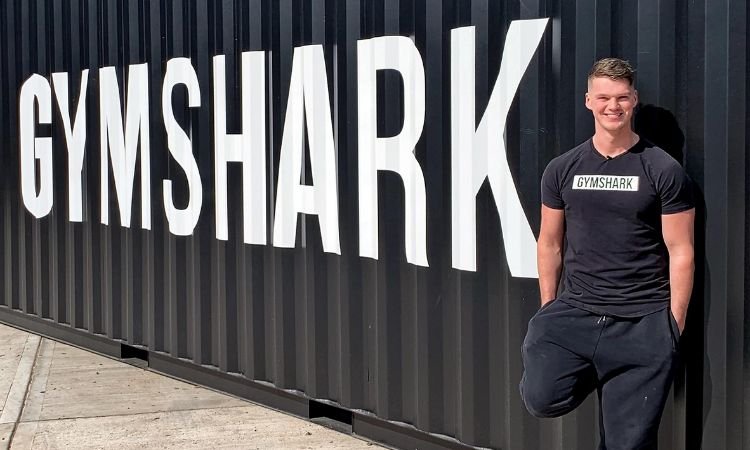
| Metric | The Gymshark Stats |
| Company Name | Gymshark |
| Founder | Ben Francis |
| The “Zero” Moment | 2012: A pizza delivery boy sewing clothes in a garage. |
| The “Crazy” Bet | Sending free product to YouTubers when “Influencer” wasn’t a word. |
| The “Unscalable” Move | Spending the entire company bank account on one Expo booth. |
| Current Valuation | ~$1.45 Billion |
| Key Secret | Borrowed Credibility (The Athlete Model). |
It is 2012. Ben Francis is 19 years old. By day, he studies business at Aston University. By night, he delivers pizzas for Pizza Hut for £5 an hour. But from 10 PM to 4 AM, he is in his parents’ garage in Birmingham, UK, hunched over a sewing machine. He is hand-sewing fitted t-shirts. He learned to sew from his grandmother because he couldn’t afford a factory.
He wasn’t trying to build a billion-dollar empire. He just hated that gym clothes were baggy and ugly. He wanted a shirt that made his arms look big. He had no marketing budget. No connections. No retail stores. Ten years later, Gymshark is valued at over $1 billion. Ben Francis didn’t just build a brand; he accidentally invented the modern Influencer Marketing playbook before the term even existed.
To the retail world in 2015, Gymshark appeared out of nowhere. One day, nobody knew them. The next day, every fit person on Instagram was wearing a shark logo. They didn’t sell in Foot Locker. They didn’t have TV commercials. They didn’t sponsor the Olympics. They were a “DTC” (Direct to Consumer) ghost.
The industry giants (Nike, Adidas) were confused. They were spending billions on endorsements with LeBron James and Lionel Messi. Gymshark was spending pennies sending clothes to kids with YouTube channels. The giants thought Gymshark was a “fad.” They didn’t realize that Gymshark had captured the one thing money can’t buy: Trust.
Ben Francis wasn’t a marketing genius playing 4D chess. He was just a fan. He was obsessed with a new, weird corner of the internet: YouTube Fitness. While the world watched TV, Ben watched guys like Lex Griffin and Nikki Blackketter lift weights in their garages. These YouTubers didn’t have millions of followers. They had 20,000 or 50,000. But their fans were obsessed.
Ben’s “strategy” was simple: He wanted his heroes to wear his clothes. He didn’t send them a contract. He didn’t ask for a specific number of posts. He just packaged up his hand-sewn shirts and sent them as gifts.
Because the product was actually good (fitted, tapered, aesthetic), Lex Griffin wore it in a video. He didn’t say, “This video is sponsored by Gymshark.” He said, “Check out this shirt, it makes my delts look huge.”
That wasn’t an ad. It was a recommendation. And in the trust economy, a recommendation is worth 100 ads.
The moment Gymshark went from “Hobby” to “Business” was the BodyPower Expo 2013. Ben emptied the company bank account (about £3,000) to rent a tiny booth. It was an “all-in” bet. If they didn’t sell, they were bankrupt.
But Ben didn’t just bring clothes. He brought the YouTubers. He invited the athletes he had been seeding products to. Suddenly, the Gymshark booth wasn’t a store; it was a Meet & Greet. Kids didn’t line up to buy a t-shirt; they lined up to meet Lex Griffin. And while they were there, they bought the t-shirt.
The “Luxe” Tracksuit: At that expo, they launched the “Luxe Tracksuit.” It went viral. When they turned the website back on after the expo, they did £30,000 in sales in 30 minutes. Ben Francis sat in his bedroom, watching the numbers tick up, realizing he never had to deliver a pizza again.
Gymshark scaled by formalizing the “Friendship” model into the “Gymshark Athlete” program. Unlike Nike, which treats athletes like billboards, Gymshark treats them like family.
This created a Parasocial Flywheel:
They turned a clothing brand into a Membership Club.
Why hasn’t Nike crushed Gymshark? Because Nike is “Corporate.” Gymshark is “Human.” When Nike posts, it feels like a press release. When Gymshark posts, it feels like a meme from your gym buddy.
Gymshark’s moat is that they own the Culture of Lifting. They celebrated the “gym rat” before it was cool. They didn’t chase the runners or the soccer players. They stayed in the weight room. By focusing on a niche (bodybuilding) that the giants ignored, they became the king of that niche.
Gymshark proves that Credibility is transferable.
Most founders look for “Influencers” with 1 million followers. Ben looked for creators with trust.
Don’t start with a contract. Start with a gift. If the influencer doesn’t wear your product for free, they won’t sell it well when you pay them.
Gymshark didn’t start as “Activewear.” They started as “Bodybuilding wear for skinny guys who want to look big.”
How do you build an “Influencer” brand in 2025?
Why: If the product is good, they will post. If they don’t post, your product isn’t remarkable enough yet.
Why: Internet hype is fragile. Real-world handshakes are durable.
Gymshark teaches us that people trust people, not logos. Ben Francis didn’t have money, but he had taste. He knew who the “cool kids” were, and he made sure they were wearing his stuff.
You don’t need a Super Bowl ad. You need 10 people who your customers trust to say, “This is legit.”
Don’t build a brand. Build a clubhouse.