Starting a business can be a daunting task, fraught with challenges and uncertainties. Every entrepreneur dreams of building a company that stands out, excels in its industry, and becomes a great place to work. However, turning that dream into reality requires a combination of strategic planning, networking, and adaptability. Here are five realistic tips to help you build a successful startup and navigate the complexities of entrepreneurship.
1. Start with a Solid Plan
A well-structured business plan is the foundation of any successful startup. This plan should act as your roadmap, guiding you through the initial stages and beyond. It doesn’t need to be a lengthy document but should clearly outline both your short-term and long-term goals.
Your short-term plan should detail the immediate steps you need to take to get your business off the ground. This includes defining your product or service, identifying your target market, and setting achievable milestones. The long-term plan should focus on growth strategies and future objectives, offering flexibility to adapt as the business evolves.
While it’s important to start with a plan, remember that it’s not set in stone. The ability to pivot and adjust your strategy in response to market changes or new insights is crucial. Successful entrepreneurs are often those who can adapt their plans based on real-world feedback and shifting circumstances.
2. Begin Networking as Soon as Possible
Networking is a powerful tool for business growth. Building a strong network can open doors to new opportunities, resources, and partnerships. It’s not just about exchanging business cards; it’s about creating meaningful connections that can drive your business forward.
Start by establishing a presence on professional networking platforms like LinkedIn. Join relevant groups and participate in discussions to build relationships with industry peers. Additionally, attend networking events, conferences, and local meetups to connect with potential partners, clients, and mentors.
Effective networking also involves nurturing these relationships over time. Stay in touch with your contacts, offer help when possible, and keep them informed about your business progress. Word-of-mouth marketing and personal recommendations can significantly boost your startup’s visibility and credibility.
3. Surround Yourself with the Right People
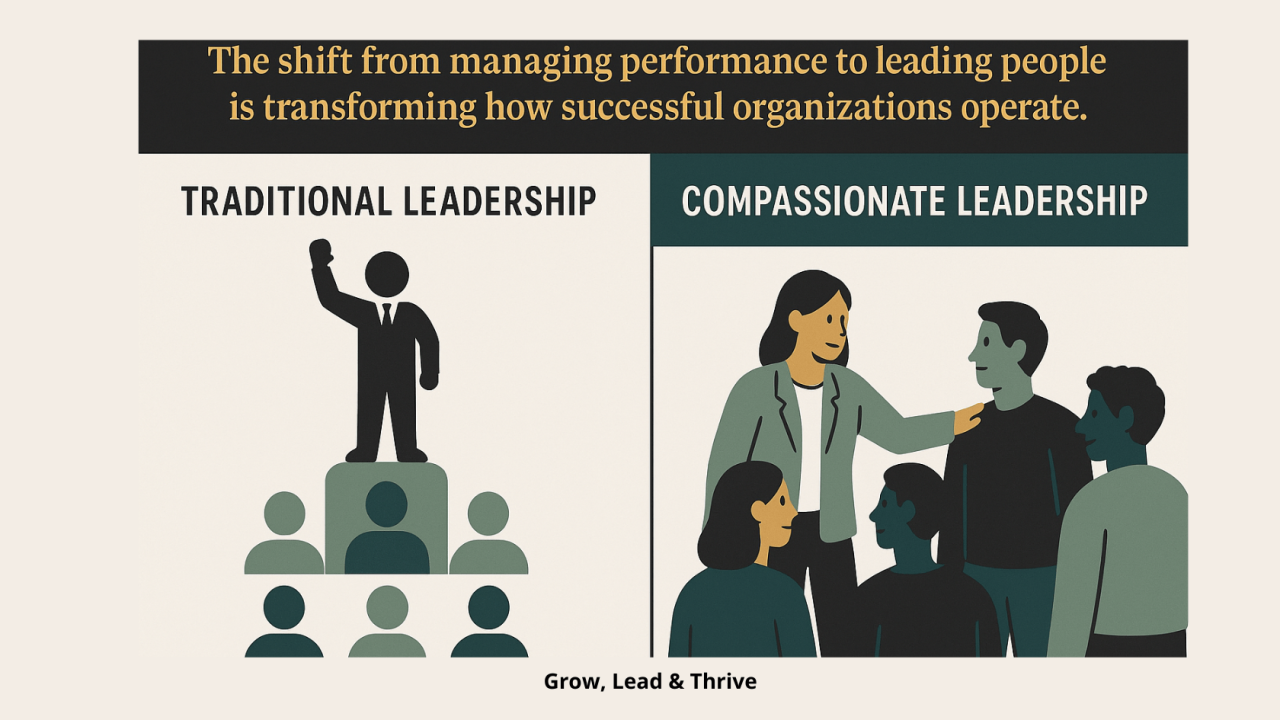
Building a successful startup requires a strong team. Surround yourself with individuals who complement your skills and bring diverse perspectives to the table. This includes hiring the right employees, seeking mentorship, and forming strategic partnerships.
When hiring, look for individuals who are not only skilled but also share your vision and values. A cohesive team with a shared sense of purpose can drive your business forward and overcome challenges more effectively.
Mentors and advisors can provide valuable insights and guidance, helping you navigate the complexities of entrepreneurship. Seek out experienced professionals who can offer advice based on their own experiences and industry knowledge.
Creating a positive corporate culture is also essential. Encourage open communication, collaboration, and a shared commitment to the company’s goals. A motivated and engaged team can contribute significantly to your startup’s success.
4. Stay Ahead of the Curve
In a rapidly evolving business landscape, staying ahead of industry trends and competitors is vital. Regularly monitor market developments, technological advancements, and consumer preferences to identify opportunities and potential threats.
Conduct competitive analysis to understand what other companies in your field are doing. This can help you identify gaps in the market, innovate your offerings, and differentiate your business from the competition.
While it’s important to be aware of trends, avoid the trap of chasing every new fad. Focus on changes that align with your business goals and can provide tangible benefits. Being adaptable and willing to embrace relevant innovations can give your startup a competitive edge.
5. Maintain a Balance Between Work and Life
The intense demands of starting and running a business can easily lead to burnout. Maintaining a healthy work-life balance is crucial for long-term success and personal well-being. It’s essential to allocate time for hobbies, family, and relaxation to recharge and prevent burnout.
Establish boundaries between work and personal life. Delegate tasks, set realistic goals, and implement efficient processes to manage your workload. Remember, your business can continue to operate effectively even when you’re taking time off.
Taking care of your mental and physical health is not only beneficial for you but also for your business. A well-rested and balanced entrepreneur is better equipped to make strategic decisions, lead effectively, and inspire your team.
Avoiding Startup Failure
Despite the best efforts and strategies, startup failure remains a common outcome, with approximately 90% of startups failing within the first five years. However, by focusing on these five essential tips—strategic planning, effective networking, building the right team, staying ahead of industry trends, and maintaining work-life balance—you can significantly improve your chances of success.
Remember, entrepreneurship is a journey filled with learning opportunities and challenges. Embrace the process, stay adaptable, and continuously seek ways to enhance your business. By doing so, you’ll be better positioned to turn your startup vision into a thriving reality.