Startup vs. Business: Discover Which Path Leads to Your Entrepreneurial Success
October 8, 2024
0
Startups and businesses differ significantly; understanding this shapes success. In the vibrant world of entrepreneurship, the terms “startup” and “business” are often tossed around interchangeably. Yet, they embody
Share:
Startups and businesses differ significantly; understanding this shapes success.
Understanding startups vs. businesses is key to entrepreneurial success.
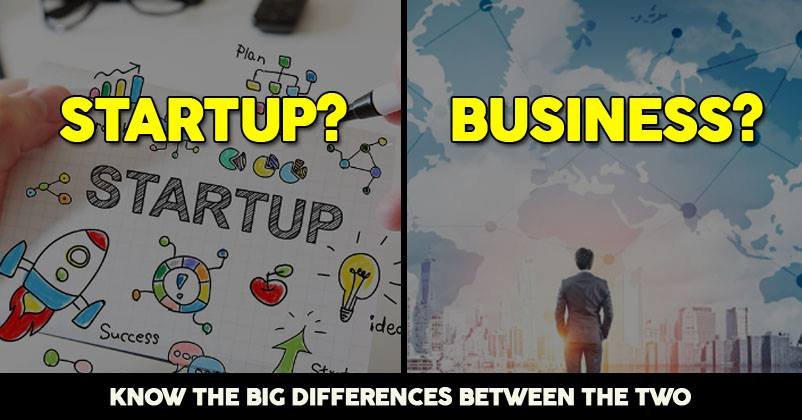
In the vibrant world of entrepreneurship, the terms “startup” and “business” are often tossed around interchangeably. Yet, they embody distinct concepts with unique characteristics. If you’re considering launching a venture, it’s crucial to grasp these differences, as they can shape your strategy and objectives. Let’s dive into the world of startups vs. businesses and uncover what sets them apart.
What Is a Startup?
Startups drive innovation and growth, aiming to disrupt markets.
A startup is more than just a young company; it’s a dynamic venture designed to develop an innovative product or service with high growth potential. Startups typically aim to disrupt existing markets or create entirely new ones, often leveraging technology to scale rapidly. This phase is characterized by seeking venture capital, testing ideas, and achieving product-market fit.
Characteristics of Startups
High Growth Potential: Startups are built to grow quickly. The goal is not just to survive but to capture significant market share within a short time frame. This is often facilitated by technology, which allows for rapid scaling.
Innovation and Disruption: Startups thrive on innovation. They frequently develop groundbreaking solutions to existing problems, creating products or services that can fundamentally change consumer behavior or industry standards.
Risk and Uncertainty: Startups are inherently risky. Many ideas may fail, but the potential rewards—like significant returns on investment—make the endeavor appealing to founders and investors alike.
Venture Capital Funding: To fuel rapid growth, startups often rely on external funding sources. Venture capitalists and angel investors are common in this space, as they provide the necessary capital in exchange for equity.
Short-Term Focus on Scaling: Startups often prioritize scaling quickly over achieving immediate profitability. This is often termed “growth at all costs,” where companies may operate at a loss for an extended period to capture market share.
Real-World Examples
Consider companies like Airbnb and Uber. They started as startups with innovative ideas that disrupted traditional industries. Both leveraged technology to scale rapidly and become household names within a short span. Their journeys highlight how startups can transform markets, but they also illustrate the challenges and risks involved.
What Is a Business?
Businesses prioritize stability, profitability, and customer relationships over rapid growth.
On the flip side, a business refers to any entity engaged in commercial activities with the primary goal of generating profit. This term encompasses everything from cozy local coffee shops to multinational corporations. While businesses can vary widely in size and scope, they generally prioritize stability and consistent profit generation over rapid growth.
Characteristics of Businesses
Profitability and Stability: Businesses are typically focused on steady income and long-term sustainability. They may grow gradually, but their primary goal is often to maintain profitability rather than scale quickly.
Established Practices: Many businesses follow tried-and-true methods that have been tested over time. This might include conventional marketing strategies, established supply chains, and a clear understanding of their customer base.
Lower Risk Tolerance: Compared to startups, businesses generally face lower risks. They often operate in established markets with predictable outcomes, making them less volatile than their startup counterparts.
Diverse Funding Sources: Small businesses usually rely on personal savings, bank loans, or reinvested profits for funding. They may not seek venture capital, as their growth strategies often do not necessitate it.
Focus on Customer Relationships: Many businesses prioritize building strong, lasting relationships with their customers. This focus can lead to repeat business and customer loyalty, which is vital for long-term success.
Real-World Examples
Think of a local bakery or a family-owned restaurant. These businesses prioritize serving their community and generating consistent profits. They might introduce new items occasionally, but their growth strategy typically revolves around enhancing customer experience and retention rather than radical innovation.
Key Differences Between Startup and Business
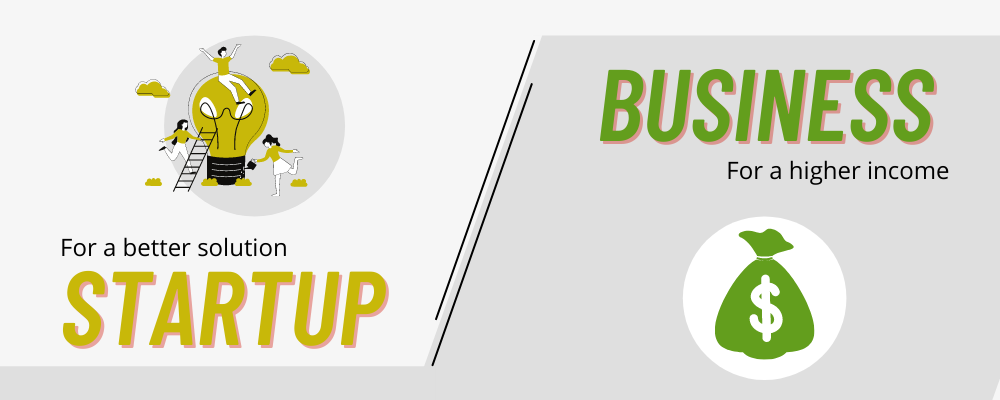
Startups seek rapid growth; businesses prioritize stability and profitability.
1. Growth Intentions
Startup: Driven by the desire for rapid growth and scalability, startups often take substantial risks. They invest heavily in developing their product or service, aiming for a significant market presence as quickly as possible.
Business: In contrast, businesses usually seek steady, sustainable growth. They focus on maintaining profitability and building a loyal customer base, rather than pursuing aggressive expansion.
2. Innovation Focus
Startup: Startups thrive on innovation and disruption. They often develop unique solutions that can change consumer behavior or challenge existing industry standards.
Business: While businesses may innovate incrementally, they often rely on established practices and may focus on operational efficiency rather than radical change.
3. Funding Sources
Startup: Startups typically seek venture capital or angel investors to fund their growth. These investors provide capital in exchange for equity, betting on the startup’s potential for high returns.
Business: Small businesses usually depend on personal savings, loans, or reinvested profits. They often do not require the same level of funding as startups, as their growth trajectories are more gradual.
4. Risk Level
Startup: Startups are characterized by high risk and uncertainty. Many startups fail, but those that succeed can achieve extraordinary financial rewards.
Business: Businesses generally operate with lower risks, focusing on proven strategies. They may experience challenges, but they typically have established revenue streams that provide stability.
5. Business Model
Startup: Startups often experiment with their business models, iterating until they find the right product-market fit. This experimentation is crucial for scaling effectively.
Business: Businesses usually have established business models that focus on steady income streams. They may adapt over time, but their primary focus is on maintaining operations and profitability.
Navigating the Startup vs. Business Landscape
Choose startups for innovation; opt for businesses for stability.
When choosing between launching a startup or a business, consider your vision, risk tolerance, and market goals. If you’re eager to innovate and are comfortable navigating uncertainty, a startup may be your path. However, if you prefer stability and a tested approach, a small business could be more suitable.
Evaluating Your Goals
Vision for Growth: Do you aspire to disrupt an industry and capture a large market, or are you more focused on serving your local community with a reliable service?
Risk Tolerance: Are you comfortable with the risks associated with startups, or would you prefer the relative stability of a small business?
Funding Needs: Will you seek venture capital, or do you plan to rely on personal savings and loans?
Long-Term Objectives: What is your end goal? Are you looking to scale rapidly and exit through an acquisition, or do you aim to build a sustainable, long-term business?
Success Strategies
For Startups: Focus on building a minimum viable product (MVP) to test your ideas quickly. Leverage feedback and be prepared to pivot based on market needs. Establish a strong network of investors and mentors to guide your growth.
For Businesses: Prioritize customer service and community engagement. Develop a solid business plan that outlines your revenue streams, marketing strategies, and operational efficiencies. Invest in building brand loyalty to ensure repeat customers.
Conclusion
Choose your path: startups for disruption, businesses for stability.
Understanding the differences between a startup and a business is essential for aligning your strategies and expectations. Startups are marked by their innovation and ambition for rapid growth, while businesses encompass a broader range of operations with varying degrees of risk and profitability.
Ultimately, the choice between a startup and a business comes down to your goals and aspirations. Whether you aim to disrupt an industry or create a lasting local enterprise, knowing where you fit in the entrepreneurial landscape will guide your journey.