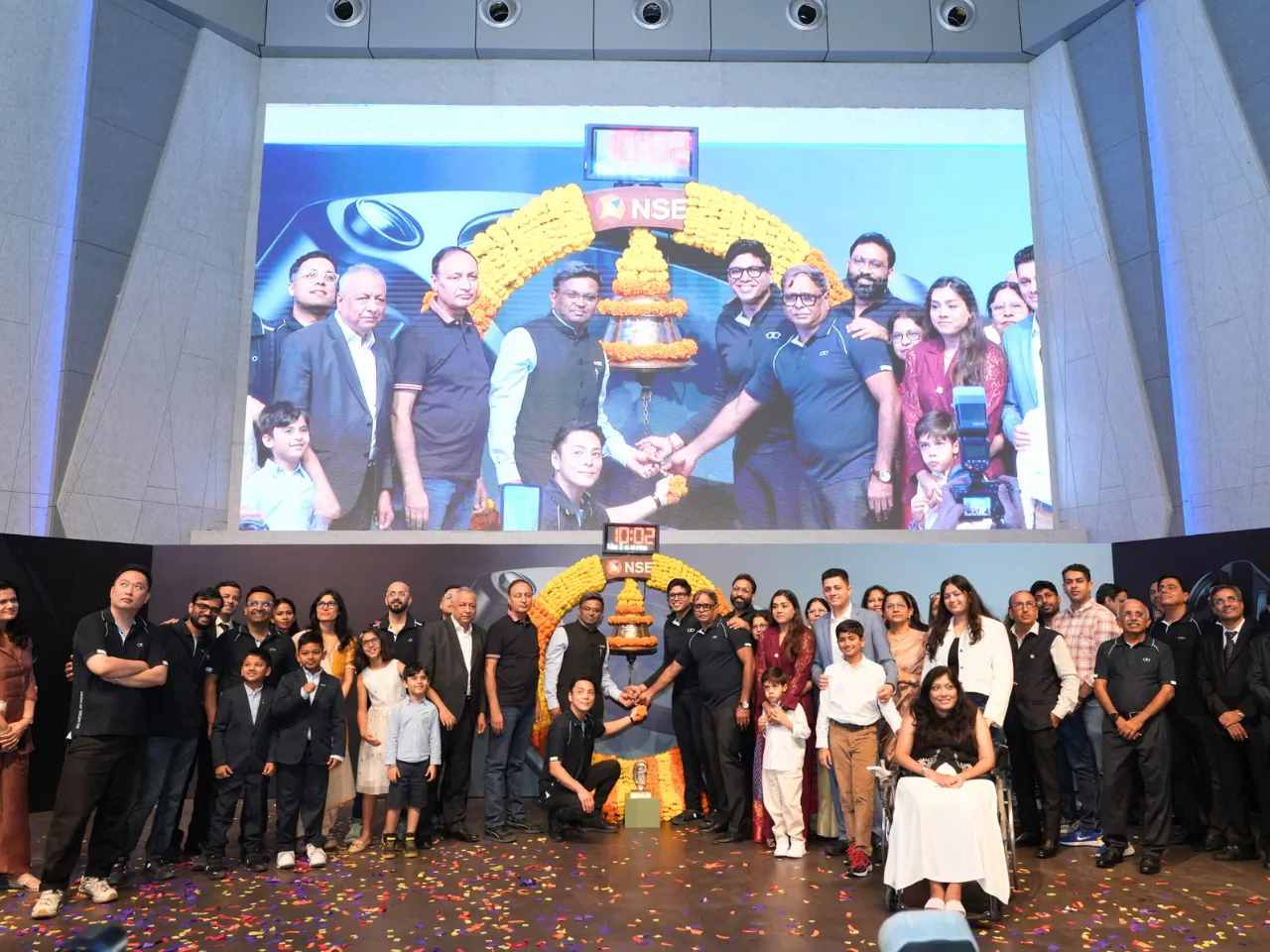
Lenskart, the eyewear unicorn led by Peyush Bansal, made its highly anticipated stock market debut this week, and it didn’t go exactly as many had hoped. Despite generating over Rs 1 lakh crore in bids and registering an eye-popping 28-times subscription, the IPO opened below its issue price, raising eyebrows across the financial world.
On the NSE, shares debuted at Rs 395, while on the BSE, they opened at Rs 390, slightly below the upper end of the IPO price band of Rs 382-402 per share. The surprising start has left investors and market watchers scrambling to understand the implications for the eyewear giant’s public journey.
A Frenzy That Didn’t Translate
The IPO frenzy leading up to Lenskart’s listing was unprecedented. According to data:
- Qualified Institutional Buyers (QIBs) led the charge, bidding 40.36 times the allocated portion.
- Non-Institutional Investors (NIIs) were at 18.23x subscription.
- Retail investors, often the lifeline of IPO euphoria, subscribed 7.56x.
- The employee quota received a strong response at 4.96x.
Despite this overwhelming demand, grey-market trends had hinted at limited immediate upside, suggesting that the listing could be volatile—a prediction that proved eerily accurate.
IPO Details That Shocked Wall Street
The Lenskart IPO, which opened on October 31 and closed on November 4, aimed to raise a total of Rs 7,278 crore. The offering included:
- A fresh issue of Rs 2,150 crore to fund expansion and growth
- An offer for sale (OFS) of Rs 5,128 crore by existing investors
The massive scale of the IPO reflected growing investor appetite for Indian tech-driven consumer businesses, but the below-price listing is already causing murmurs among analysts and retail traders.
Why the IPO Opened Below Expectations
Despite sky-high subscription numbers, several factors contributed to the muted debut:
- Grey Market Sentiment: Pre-listing grey market data suggested that immediate gains could be limited, tempering retail exuberance.
- High Expectations vs Reality: After record-breaking demand, some investors may have recalibrated expectations, leading to cautious trading at open.
- Market Volatility: Global and domestic market conditions are increasingly impacting even high-profile IPOs, and Lenskart’s debut was no exception.
Market experts caution that while subscription numbers show huge investor confidence in the company’s fundamentals, initial listing prices are not always a reflection of long-term growth potential.
What This Means for Investors
Lenskart’s IPO saga is a lesson in tempered optimism. While the company is positioned as a leader in India’s booming eyewear and optical tech market, listing performance can sometimes be influenced by short-term trading sentiment rather than business fundamentals.
Peyush Bansal and Lenskart’s leadership have emphasized long-term growth, with plans to expand into new international markets and strengthen their omnichannel presence. Investors now face a crucial question: buy on the dip or wait for stability?
The Bigger Picture
Lenskart’s IPO may have stumbled at debut, but it remains one of the largest tech-focused listings in India in recent years. The company’s trajectory underscores the massive appetite for innovative, consumer-focused tech startups and highlights how IPOs, no matter how popular, are influenced by market psychology.
Financial analysts are watching closely, noting that Lenskart’s long-term potential could still outweigh short-term listing jitters. With a strong retail brand, cutting-edge technology in eyewear, and a leadership team led by the ambitious Peyush Bansal, the company is still poised for exponential growth.
Verdict: Wait and Watch
For now, the stock market’s reaction is a reminder that IPO hype doesn’t guarantee instant gains. Lenskart’s journey is far from over, and investors who understand the company’s fundamentals could still see significant rewards in the long run.
But one thing is clear: Lenskart’s public debut has already made headlines, proving that even established unicorns can surprise the market—and leave investors on the edge of their seats.