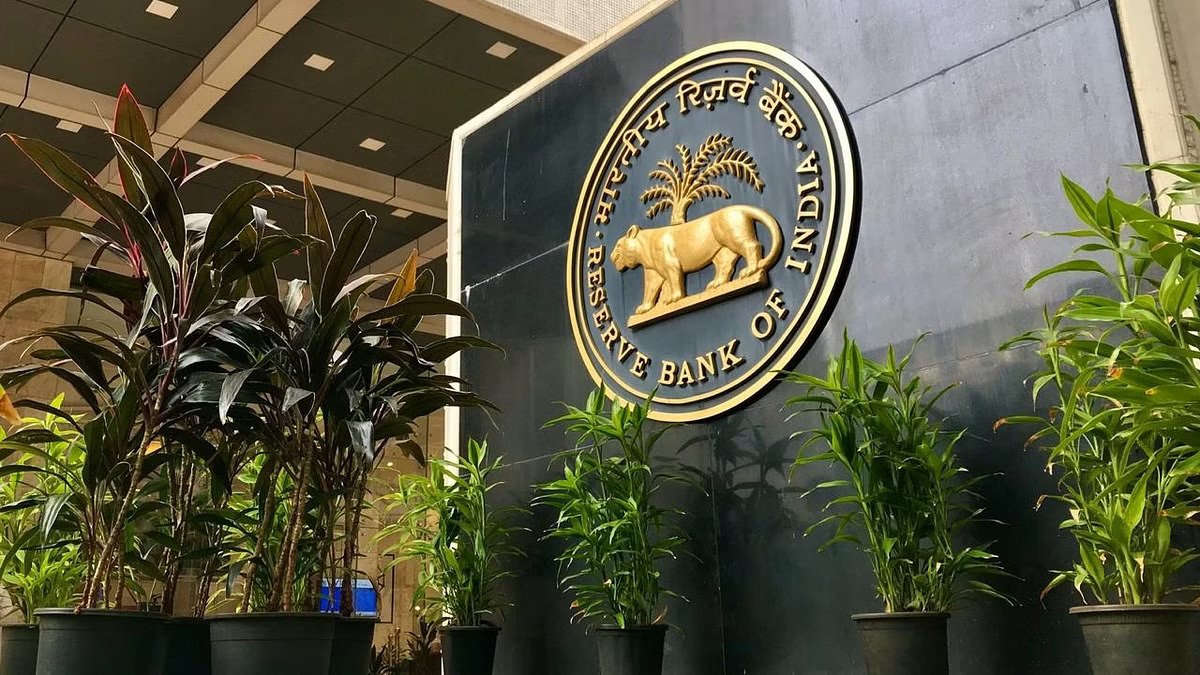
In a move aimed at streamlining India’s international trade processes, the Reserve Bank of India (RBI) has put forth a proposal to rationalize the norms governing export and import transactions. This initiative comes amidst a backdrop of increasing globalization and the need for greater efficiency in cross-border trade activities.
The current regulatory framework for export and import transactions in India is a complex web of rules and guidelines that often pose challenges for businesses engaged in international trade. These regulations govern everything from documentation requirements to the timing and manner of fund transfers associated with exports and imports. Over time, the accumulation of these regulations has led to a situation where compliance can be burdensome and time-consuming for businesses, both large and small.
Recognizing these challenges, the RBI has initiated a review process aimed at identifying areas where the current norms can be rationalized. The objective is to simplify procedures, reduce paperwork, and enhance the overall ease of doing business for exporters and importers. This move is part of the RBI’s broader efforts to support economic growth through facilitative regulatory measures.
One of the key aspects under consideration is the documentation required for export and import transactions. Currently, exporters and importers must navigate through a plethora of forms and declarations mandated by various regulatory bodies. This not only increases administrative overhead but also introduces complexities that can delay the clearance of goods at ports and airports. By rationalizing these requirements, the RBI aims to streamline the documentation process, making it more straightforward and less time-consuming.
Another area of focus is the timeline and mode of fund transfers associated with international trade transactions. The existing regulations stipulate specific timelines within which export proceeds must be repatriated to India and payments for imports settled. However, these timelines can sometimes be stringent and may not align with the practical realities of international trade flows. The RBI’s proposal includes revisiting these timelines to strike a balance between regulatory compliance and operational feasibility for businesses.
Furthermore, the proposal addresses issues related to currency conversion and hedging mechanisms. Currently, exporters and importers often face challenges in managing currency risks associated with fluctuations in exchange rates. The RBI is exploring options to simplify currency conversion processes and enhance hedging facilities to provide greater stability and predictability in international trade transactions.
Importantly, the rationalization of norms is also expected to bolster transparency and accountability in cross-border transactions. By streamlining regulatory requirements, the RBI aims to reduce opportunities for regulatory arbitrage and improve monitoring mechanisms to curb illicit financial flows. This, in turn, could contribute to a more robust and resilient financial ecosystem conducive to sustainable economic growth.
The RBI’s proposal has been welcomed by various stakeholders in the business community, including industry associations and trade bodies. They view the initiative as a positive step towards creating a more conducive environment for international trade and investment. Simplified regulatory procedures are expected to attract more businesses to engage in cross-border trade, thereby expanding India’s export potential and facilitating access to a wider range of imported goods and services.
From a broader economic perspective, the rationalization of export and import norms is aligned with India’s aspirations to integrate more deeply into global value chains. By reducing regulatory hurdles, businesses can more effectively participate in global trade networks, leveraging their comparative advantages in various sectors. This could potentially lead to increased competitiveness of Indian products in international markets and spur innovation and technological advancement domestically.
However, challenges remain on the path to implementing these proposed changes. One such challenge is ensuring that the streamlined regulations do not compromise regulatory oversight or increase the risk of financial impropriety. The RBI will need to strike a delicate balance between facilitating ease of doing business and maintaining robust regulatory frameworks that safeguard the integrity of India’s financial system.
Moreover, the success of these reforms will also hinge on effective coordination between the RBI, other regulatory authorities, and stakeholders in the business community. Clear communication and guidance will be essential to ensure that businesses understand and comply with the revised norms without disruption to their operations.
Looking ahead, the RBI plans to engage in consultations with stakeholders to gather feedback and refine the proposed changes before finalizing the new regulatory framework. This consultative approach underscores the RBI’s commitment to fostering an inclusive and responsive regulatory environment that meets the evolving needs of India’s dynamic international trade landscape.
In conclusion, the RBI’s proposal to rationalize norms for export and import transactions marks a significant step towards enhancing the efficiency, transparency, and competitiveness of India’s international trade regime. By simplifying regulatory procedures, reducing administrative burdens, and fostering greater clarity, these reforms have the potential to unleash new opportunities for businesses to thrive in the global marketplace. As India continues its journey towards becoming a major player in the global economy, such measures will play a pivotal role in shaping a more resilient and vibrant trade ecosystem for years to come.