You
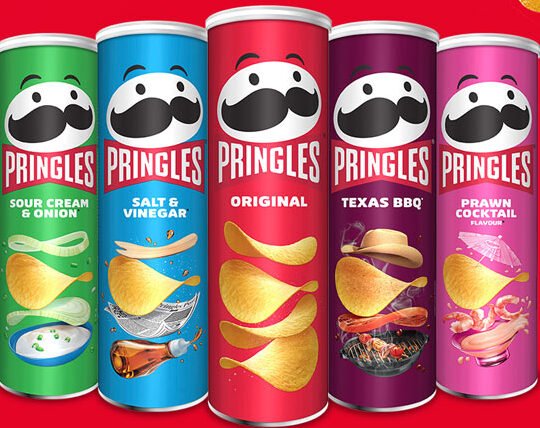
In the realm of snack foods, few products have revolutionized packaging as profoundly as Pringles. Since their introduction in 1967 by Procter & Gamble, these stackable potato crisps have not only captivated taste buds but also reshaped the way consumers perceive and interact with packaged goods. The iconic cylindrical container, distinct from conventional chip bags, represents a milestone in packaging innovation that has endured for decades.
The Birth of an Icon
Before Pringles, potato chips were typically sold in bags that were prone to crushing and difficult to reseal effectively. Recognizing these limitations, Fred Baur, an organic chemist and food storage technician, sought to create a chip that would remain intact and fresh. His solution was a saddle-shaped chip made from a dough-like mixture of potato flakes, which could be stacked uniformly in a cylindrical container. This design not only preserved the chips’ integrity but also allowed for efficient use of space, making Pringles both portable and convenient.
Engineering Excellence
Central to Pringles’ success was its innovative packaging. The distinctive tube not only protected the chips from breakage but also minimized air and moisture exposure, thereby maintaining freshness. Moreover, the uniform shape and size of each chip ensured a consistent snacking experience, distinguishing Pringles from traditional potato chips. This engineering feat set a new standard for how snacks could be packaged and preserved, influencing subsequent developments in the food industry.
Consumer Appeal
Beyond its technical merits, Pringles’ packaging appealed to consumers on multiple levels. The cylindrical tube was eye-catching and instantly recognizable on store shelves, standing out among its competitors. Its resealable lid allowed for easy storage, accommodating modern lifestyles where snacking could occur anytime and anywhere. This convenience factor was instrumental in Pringles’ widespread adoption and enduring popularity across different demographics.
Environmental Considerations
While Pringles’ packaging brought numerous advantages, it also raised environmental concerns. The tubes are composed of a mix of materials, including metal, paper, and plastic, which complicates recycling efforts. Critics argue that the complexity of these materials makes the packaging less sustainable compared to simpler alternatives. As sustainability becomes an increasingly pressing issue, Pringles and other companies are exploring more eco-friendly packaging solutions to mitigate their environmental footprint.
Cultural Impact
Beyond its practical implications, Pringles’ packaging has left an indelible mark on popular culture. The cylindrical tube has become synonymous with the brand, featuring prominently in advertising campaigns and even inspiring creative endeavors. Its unique shape has been parodied, celebrated, and integrated into various forms of art, showcasing the packaging’s enduring influence beyond its utilitarian function.
Evolution and Adaptation
Over the years, Pringles has adapted its packaging to meet changing consumer preferences and technological advancements. Variations such as resealable lids, snack-size portions, and limited-edition designs have kept the brand relevant and responsive to market trends. Moreover, innovations in materials science offer potential solutions to address environmental concerns, signaling a commitment to sustainability while maintaining the distinctive Pringles experience.
Conclusion
In conclusion, Pringles’ cylindrical packaging has fundamentally transformed the snack food industry, setting a benchmark for convenience, preservation, and consumer appeal. From its inception as a solution to potato chip fragility to its status as a cultural icon, the Pringles canister remains a testament to the power of packaging innovation. While challenges remain, particularly in terms of sustainability, the legacy of Pringles’ packaging continues to inspire new generations of designers and engineers to rethink how products can be packaged, preserved, and enjoyed.
As consumer preferences and environmental priorities evolve, the story of Pringles serves as a reminder that packaging isn’t just about protecting the product—it’s about enhancing the consumer experience and shaping cultural norms. In this regard, Pringles’ contribution to packaging innovation will continue to resonate far into the future, ensuring its place in history as a trailblazer in the field.