

Lakshmi Mittal: Steel Magnate Turned Global Philanthropist
- June 24, 2024
- 0
Headline: Lakshmi Mittal, once synonymous with the iron grip of the steel industry, has transcended his role as a titan of manufacturing to become a symbol of global
Headline: Lakshmi Mittal, once synonymous with the iron grip of the steel industry, has transcended his role as a titan of manufacturing to become a symbol of global
Headline:
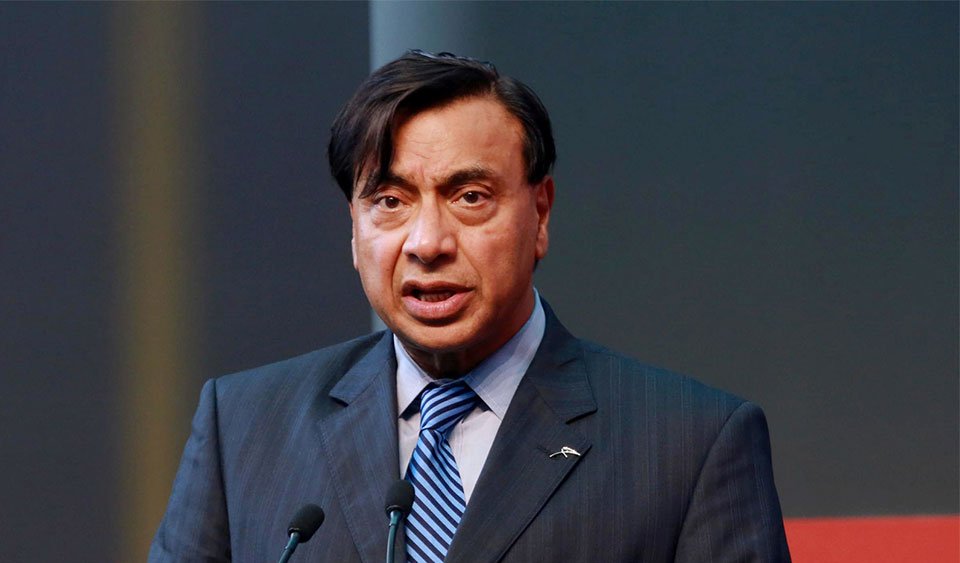
Lakshmi Mittal, once synonymous with the iron grip of the steel industry, has transcended his role as a titan of manufacturing to become a symbol of global philanthropy and corporate responsibility. The journey of this industrialist from modest beginnings to commanding a vast empire is not just a tale of business acumen but also one of transformative impact on both industry and society.
Born in 1950 in Rajasthan, India, Mittal inherited a legacy rooted in steel. His father ran a small steel business, setting the stage for Mittal to make his mark. Early in his career, he demonstrated a keen entrepreneurial spirit, expanding operations across Southeast Asia and the Middle East. However, it was Mittal’s audacious move in the 1990s that propelled him to international fame — the acquisition of distressed steel assets in Eastern Europe and elsewhere, consolidating his position as the world’s leading steel magnate.
Mittal’s rise was not without challenges. His aggressive acquisition strategy drew scrutiny and criticism from competitors and regulators alike. Yet, his foresight in consolidating a fragmented industry paid off, transforming Mittal Steel into a global behemoth. By the mid-2000s, Mittal had cemented his reputation as a shrewd businessman with a knack for turning around struggling enterprises.
Beyond business, Mittal’s influence extended into the realms of politics and philanthropy. His philanthropic endeavors, particularly in education and healthcare, underscored a commitment to giving back. The Mittal Champions Trust, established to support Indian athletes, and partnerships with educational institutions like the London Business School reflect his belief in leveraging success for social good.
However, Mittal’s career has not been without controversy. Environmentalists have criticized the steel industry’s impact on climate change, calling for greater accountability. Mittal, in response, has championed sustainability initiatives within his operations, aiming to mitigate the industry’s environmental footprint.
In recent years, Mittal has shifted focus towards sustainable steel production, investing in research and technology to reduce emissions. His vision for a greener future is not just a business strategy but a moral imperative, reflecting a broader shift towards corporate responsibility in the face of global climate challenges.
Looking ahead, Mittal continues to navigate a changing global landscape. Economic shifts, geopolitical tensions, and technological advancements present both opportunities and challenges. Yet, Mittal’s legacy is not just in steel but in reshaping corporate leadership through philanthropy and sustainability.
As Lakshmi Mittal’s journey continues, his impact on industry, society, and the environment remains profound. From steel magnate to global philanthropist, his story is one of resilience, innovation, and a commitment to leaving a lasting legacy of positive change.
In conclusion, Lakshmi Mittal’s evolution from a steel magnate to a global philanthropist underscores the transformative power of entrepreneurship and corporate responsibility. His journey inspires not just aspiring industrialists but also advocates for sustainable business practices and social impact. As Mittal navigates the complexities of a rapidly changing world, his legacy reminds us of the importance of balancing profit with purpose, ensuring that business success contributes meaningfully to the well-being of society and the planet.