A Parliamentary panel deliberating on the individual data protection bill has prescribed that web-based media organizations should be directed like a distributer and not an intermediary successfully proposing a finish to the lawful insusceptibility they appreciate over outsider substance facilitated on their foundation, individuals mindful of the matter said.
Intermediaries, similar to online media organizations, work under what is called safe harbor, which basically implies that they can’t be expected to take responsibility for content clients post on their foundation as long as the organizations follow certain due determination headings, for example, adhering to government content takedown demands, as endorsed under Section 69A of Indias Information Technology Act.
Distributers, similar to papers and news destinations, then again, are liable for the substance they distribute since it doesn’t involve outer commitments or client content without checks. The thought is that they have an immediate command over what gets printed or distributed on their foundation, and consequently dont have or need safe harbor protection for content. This is the key contrast between an intermediary and distributer.
It is worth focusing on that protected harbor is an acknowledged standard across the majority rule world and is a significant piece of enactment what while saving stages from unfortunate legitimate activity, additionally guarantees that clients can articulate their thoughts openly on these stages. It is viewed as an essential fundamental to one side to free discourse, other than enabling these stages to develop to the goliath scale that they have, by providing a general operating condition.
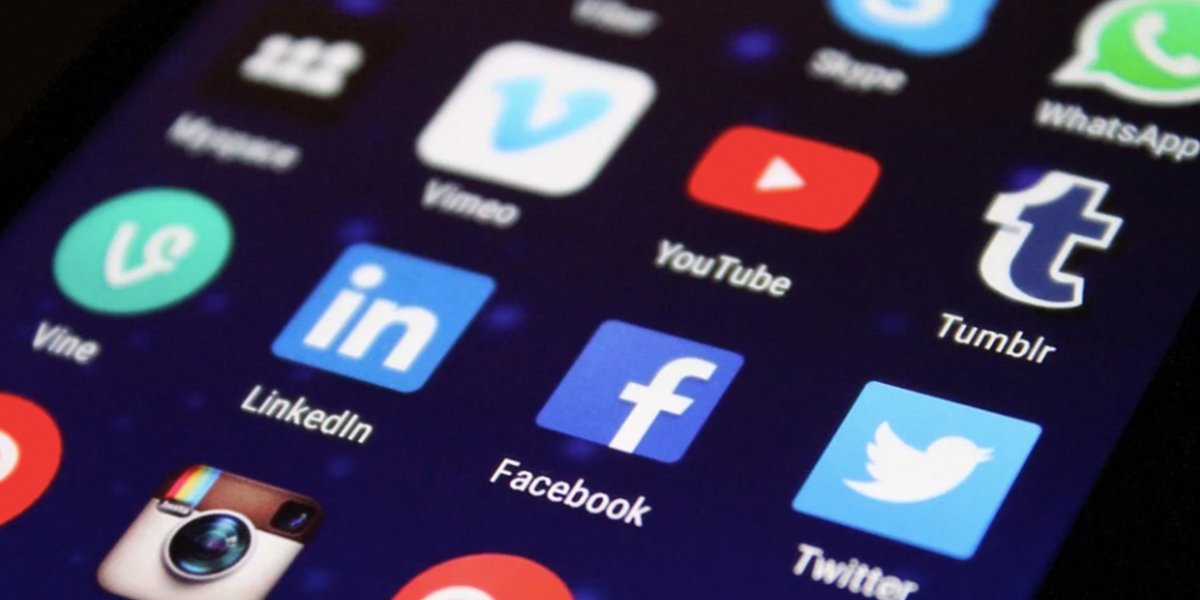
That likewise explains why the vast majority of the dominant stages like Facebook, Twitter or Instagram have decided to avoid China, which will not permit such cover protection or activities.
The draft Personal Data Protection Bill, 2019 was alluded to a Joint Parliamentary Committee (JPC) in 2019 which was entrusted to concoct a report on its suggestions on the different arrangements in the bill. A draft rendition of the report has been drafted, Entrackr has learnt.
In this draft report, the panel has prescribed creating a system to consider online media stages answerable for unsubstantiated substance on their foundation, an individual with direct information on the reports substance told Entrackr on state of secrecy since the report is at present classified.
When application for check is submitted with vital records, the online media intermediaries should mandatorily confirm the record and they should be considered responsible for the substance dissemination by unsubstantiated records, the draft report which was perused out to Entrackr states.
Be that as it may, it isn’t clear why a board dealing with a data protection bill is making proposals on regulating web-based media intermediaries.
While removing the protected harbor condition appears to be extremely difficult to execute considering the sheer volume of content involved in huge online media stages, the main other elective that has been proposed in passing till date, to confirm every individual client, has likewise been disregarded hitherto for the sheer KYC twisting it could send a large portion of these stages on.
Removing safe harbor protection would make it unimaginable for stages like Facebook and Twitter to work in the country, without changing the actual idea of these stages. Facebook declined to remark on our inquiries, Twitter didn’t react to a quick solicitation for input.
While this is as yet a proposal made by the JPC in a draft report, it denotes a huge shift from general safe harbor standards acknowledged all throughout the planet, including in India.
The 2015 Shreya Singhal judgment, viewed as a milestone judgment by the Supreme Court with the expectation of complimentary discourse, had plainly settled that online intermediaries, similar to web-based media stages, are simply committed to bring down content on receiving a request from a court or government authority.
Nonetheless, a few late occasions have driven governments across the world to rethink safe harbor. The new disclosures by Facebook informants concerning how the stages calculations supposedly let disdain discourse flourish with practically zero ramifications for the organization have reignited the discussion on whether safe harbor ought to be abridged somewhat and organizations be considered more responsible.
That, nonetheless, is a troublesome balancing act. As governments put squeeze via web-based media organizations to control discourse, it, in turn, increases stages affinity to drop the hammer on genuine free discourse, regularly stifling significant and basic voices simultaneously.