There’s a new kind of leader emerging across boardrooms, startups, and global teams — not defined by hierarchy or title, but by the stories they tell. These leaders are reshaping culture, inspiring action, and building cohesion in ways no policy, manual, or corporate mandate ever could.
They are the story-driven leaders, and their influence is quietly becoming one of the most valuable currencies in modern leadership.
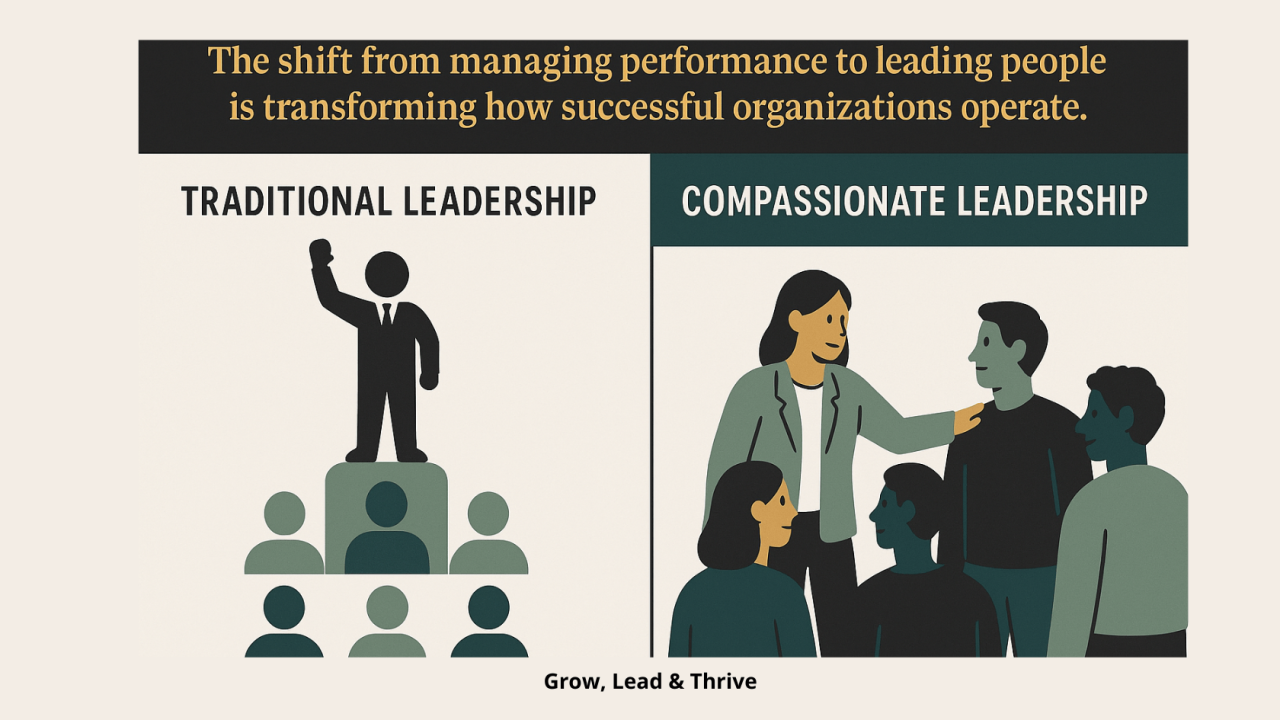
Leadership Has Shifted From Command to Connection
For decades, leadership relied on authority. People followed because they were told to. But today, employees follow leaders for a completely different reason — because they feel connected to what that leader represents.
And nothing creates connection like stories.
Stories turn abstract values into relatable moments.
Stories make strategies memorable.
Stories give meaning to work that would otherwise feel transactional.
A story-driven leader knows that numbers explain, but narratives inspire.
Why Storytelling Is Now a Leadership Superpower
1. Stories Turn Vision Into Something People Can Feel
A vision statement written on a wall inspires no one.
But when a leader shares a story — about a challenge faced, a moment of courage, or a lesson learned — the vision becomes emotional, human, and real.
Employees don’t rally around spreadsheets.
They rally around stories of purpose.
2. Storytelling Builds Trust Faster Than Any Other Communication Form
People might question instructions.
They might challenge strategies.
But they rarely question personal experience.
When leaders share real stories — struggles, failures, motivations — trust deepens.
It signals authenticity, and authenticity breeds loyalty.
This is why leaders like Elon Musk, Satya Nadella, Indra Nooyi, and Howard Schultz have reshaped their organizations: they lead through narrative, not authority.
3. Stories Strengthen Culture More Than Rules Ever Could
Culture is not built during presentations or meetings. It’s built when people repeat stories — origin stories, customer stories, team stories.
A story-driven leader seeds the right stories and watches them grow into behaviors.
Want employees to be innovative?
Tell stories of past breakthroughs.
Want a resilient workforce?
Share moments of adversity where the team rose above challenges.
Stories shape beliefs, and beliefs shape behavior.
The Traits of a Story-Driven Leader
1. They Speak From Experience, Not From Script
These leaders don’t need corporate jargon to sound intelligent.
They speak from lived truth — and that has more weight than any instruction manual.
2. They Use Vulnerability as a Strength
Not emotional oversharing — but honest moments that show humanity.
People follow leaders who feel real.
3. They Translate Complexity Into Meaning
Their superpower is simplifying the complicated and giving it context.
This is how strategy sticks.
How Leaders Can Become More Story-Driven
1. Start Meetings With Micro-Stories
Instead of jumping directly into numbers, share quick anecdotes:
- A customer interaction
- A small win from the team
- A lesson learned that week
It changes the emotional temperature of the room.
2. Turn Achievements Into Narratives, Not Announcements
People don’t remember metrics.
They remember moments.
Instead of saying, “We grew 20% last quarter,” say:
“Do you remember when this idea felt impossible? Here’s how our small steps created something extraordinary…”
3. Share “Why It Matters” Stories More Than “What to Do” Instructions
Employees already know tasks.
What they need is meaning.
Great leaders explain the purpose behind the work.
The Future Will Belong to Story-Driven Leaders
As workplaces evolve, teams become hybrid, and communication becomes more digital, leaders who rely solely on authority will lose influence.
But leaders who use stories will create cultures people genuinely want to be part of.
Because at the heart of every high-performing team is not a policy — but a shared narrative.
And leaders who can craft and communicate that narrative will shape the future of work.