Many businesses chase growth using ads, campaigns, and short-term tactics.
They work for a while… until budgets dry out or competition gets fiercer.
Real, long-term growth needs something stronger.
Something that keeps attracting customers, even when you are not spending daily.
That is where Content Marketing as a Growth Strategy becomes incredibly powerful.
Instead of pushing customers with ads, content marketing pulls customers toward you by educating, helping, and building trust.
And when trust grows, business grows.
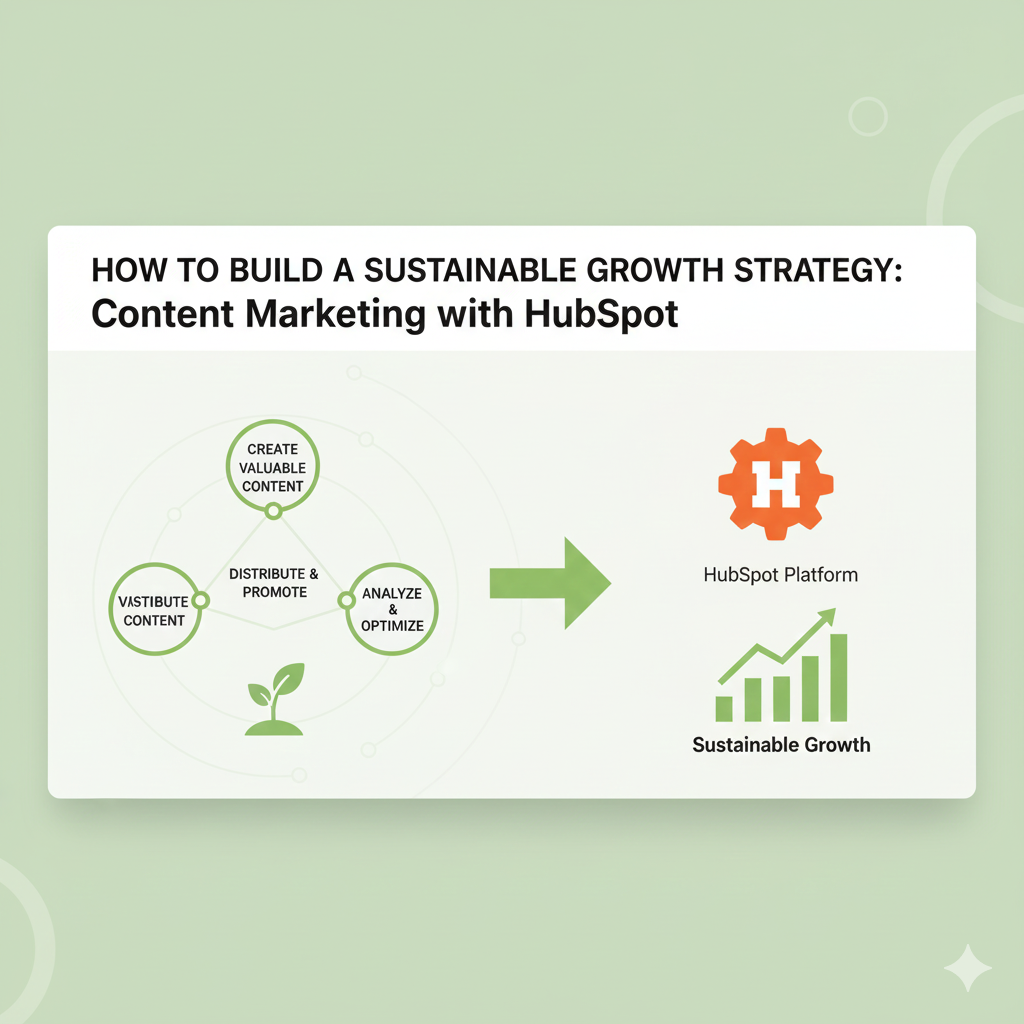
Let us explore how you can build a sustainable content marketing growth strategy – and how global brand HubSpot used this approach to scale into one of the most successful SaaS companies in the world.
What Is Content Marketing as a Growth Strategy?
Content marketing is not just about writing blogs or posting social updates.
It is a structured growth approach where you:
- educate your audience
- solve their problems
- build brand authority
- create trust at scale
Content marketing drives growth because it makes people:
- aware of their problems
- understand possible solutions
- trust your expertise
- naturally choose your brand when ready
Instead of selling directly, you become the brand people rely on for answers.
Why Content Marketing Drives Long-Term Growth
Short-term marketing works like renting attention.
The moment you stop paying, the traffic stops.
Content marketing works like owning an asset.
Once built, it keeps attracting people for years.
Strong content:
- brings consistent organic traffic
- improves brand credibility
- supports SEO ranking
- reduces customer acquisition cost
- educates users better than ads
- increases conversions
Done right, it becomes a growth engine.
How to Build a Content Marketing Growth Strategy
Here is a simple, proven framework used by leading global brands.
Step 1: Know Who You Are Creating Content For
Growth fails when content is created without clarity.
Ask:
- Who is my ideal audience?
- What challenges do they face?
- What do they search for online?
- What do they need help understanding?
Your content should talk to:
- their pain
- their confusion
- their goals
If your content does not feel relevant, it will not help growth.
Step 2: Decide Content Types That Fit Your Audience
Different businesses need different content formats.
Depending on your industry, your strategy may include:
- blogs and articles
- guides and playbooks
- videos
- podcasts
- case studies
- newsletters
- webinars
The key is consistency + value.
Not just posting.
Posting something meaningful.
Step 3: Build SEO-Focused and Helpful Content
Growth-focused content must help you rank on search engines and answer real queries.
Focus on:
- meaningful topics
- keywords aligned with user intent
- high-quality explanations
- clarity over complexity
Google and AI search engines reward:
helpful
credible
user-first content
And when search platforms respect your content, your growth becomes predictable.
Step 4: Build Trust, Not Just Traffic
Traffic alone does not build growth.
Trust does.
Content should:
- demonstrate expertise
- show real examples
- reflect experience
- speak with authenticity
Your audience should feel:
“This brand understands me.”
“This brand is reliable.”
“This brand knows what it is talking about.”
Trust converts readers into customers.
Step 5: Convert Interest Into Business Growth
A content marketing growth strategy must connect to the business.
So every piece of content should subtly guide users toward:
- subscribing
- signing up
- trying your product
- booking a consultation
- exploring more useful resources
Not by forcing them.
But by helping them.
That is how content becomes a powerful revenue growth channel.
Real-World Example: How HubSpot Built Massive Growth Through Content Marketing
HubSpot is one of the best proofs of how powerful content marketing can be.
When HubSpot started, it was just another SaaS tool.
But instead of spending massively on ads, HubSpot invested heavily in educating the world about marketing.
They created:
in-depth blogs
free resources
guides
webinars
courses
certifications
They did not just promote their product.
They taught people:
- how to market better
- how to use inbound strategies
- how to grow businesses
- how to understand customers
Slowly, HubSpot became:
the teacher
the authority
the trusted brand
So when people finally needed a marketing platform, guess who they chose?
HubSpot.
They grew into a global SaaS leader largely powered by content-driven trust and authority.
Short Featured Snippet Definition
A content marketing growth strategy focuses on creating valuable, helpful content that educates audiences, builds trust, improves SEO, and converts interest into long-term business growth.
Final Thought
Growth is not always about shouting louder than competitors.
Sometimes, growth comes from becoming more useful than everyone else.
That is the real power of content marketing:
It builds attention.
It builds trust.
And trust builds businesses.
FAQs (Schema Ready)
Does content marketing really help growth?
Yes. It builds trust, authority, SEO presence, and long-term customer relationships.
Is content marketing only for big companies?
No. Startups, small businesses, SaaS, and personal brands all benefit from it.
How long does content marketing take to show results?
You can see early results within months, but its strongest impact compounds over time.