
Meet the Real‑Time Trust Score That’s Changing India’s Fintech Game
- October 17, 2025
- 0
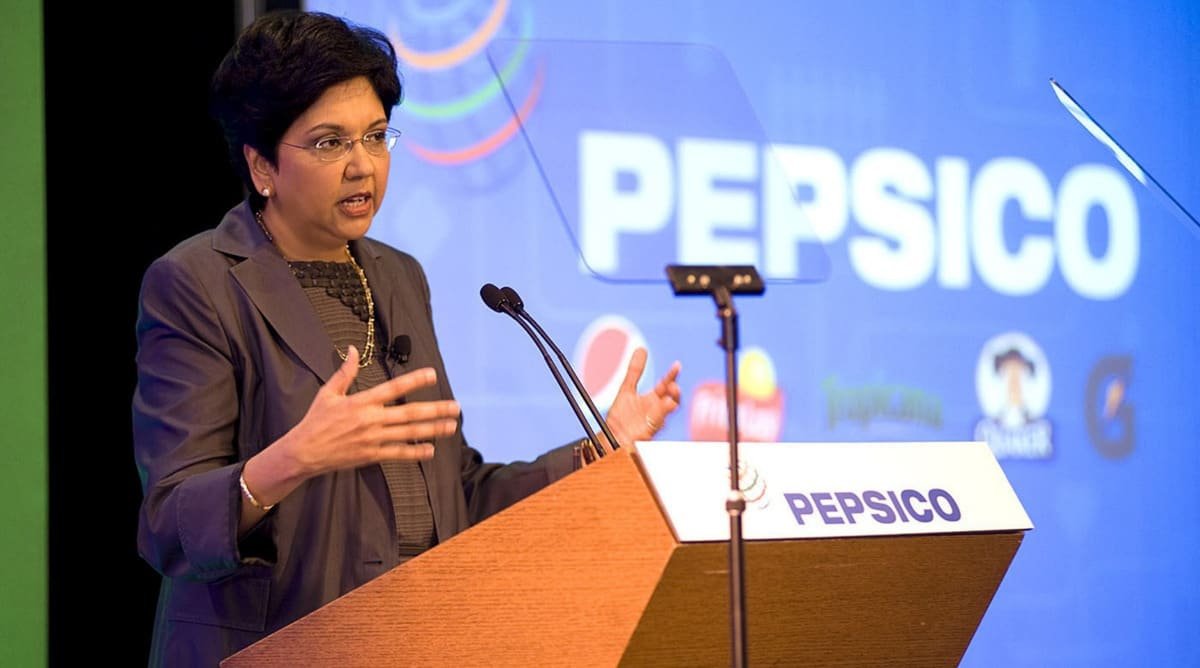
What Just Went Live at GFF 2025? At the Global Fintech Festival (GFF) 2025, Decentro caused a stir with the live debut of Omniscore — a behavioural intelligence
What Just Went Live at GFF 2025? At the Global Fintech Festival (GFF) 2025, Decentro caused a stir with the live debut of Omniscore — a behavioural intelligence

At the Global Fintech Festival (GFF) 2025, Decentro caused a stir with the live debut of Omniscore — a behavioural intelligence engine designed to rethink how trust and risk are measured in India’s fast-evolving digital finance world.
Forget static pitch decks. At Decentro’s booth, crowds witnessed a live demo that streamed real-time data — analysing digital identity signals, user behaviour, device fingerprints, and transaction habits — all processed within milliseconds. The demonstration unveiled how Omniscore classifies interactions instantly to power what CEO Rohit Taneja calls the “Trust Economy.”
Traditional risk models are built on credit history and static data. But in a world where users switch devices, engage across apps, and transact in real time, that approach can lag behind. Omniscore brings in behavioural cues, device intelligence, and dynamic identity signals — enabling a more precise, real-time trust measure.
In this new paradigm, trust becomes a real-time asset. Financial platforms can make smarter decisions on the fly — approving a payment, flagging fraud, or modifying access — based on how trustworthy a digital footprint appears at that moment.
Here’s how the live demo broke it down:
So when a person logs in, attempts a transaction, or even just browses, Omniscore is quietly evaluating trustworthiness in real time.
It wasn’t just a demo — it was a statement: trust can now be validated instantly, not retrospectively.
Fraudsters often behave differently than genuine users — in speed, device switching, or anomaly patterns. A system that picks up these nuances in real time can block threats before damage is done.
Because Omniscore aims to distinguish “trustworthy” from “risky,” legitimate users may face fewer friction points (like manual verification), while high-risk interactions face stricter checks.
Banks, NBFCs, fintechs, and lenders can use the trust score as a dynamic input to underwriting, onboarding, or transaction flows — helping them tailor decisions with higher precision.
At GFF, Decentro went beyond being just an exhibitor — it demonstrated a vision of building a trust layer for India’s digital economy.
Omniscore’s live debut at GFF 2025 wasn’t just a product unveil — it was a moment. A glimpse into a future where trust isn’t just assumed or retrospectively judged, but computed in real time.
If you like, I can polish this into a version tailored for LinkedIn, tech blogs, or media outlets — wherever it needs to make the biggest impact.