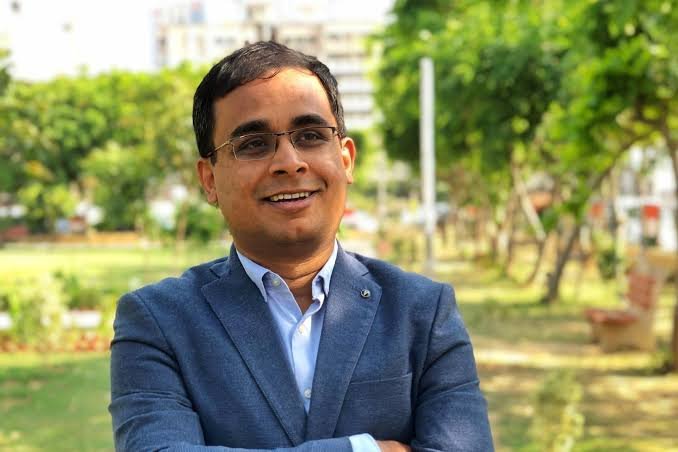
Just months after the sudden shutdown of homegrown microblogging platform Koo, its co-founder Mayank Bidawatka is back in the spotlight. This time, he’s taking a swing at one of the most competitive spaces in tech: photo sharing. His new creation, PicSee, is currently in beta—and it’s already turning heads with its AI-first approach to how people discover and exchange photos.
From Koo to PicSee: A New Chapter
Koo was once touted as India’s answer to Twitter. But despite early hype and strong adoption, it couldn’t survive investor pullbacks and failed acquisition talks. In September 2024, Koo officially shut down, leaving behind questions about the future of Indian consumer tech.
Instead of retreating, Bidawatka quickly regrouped. That same month, he incorporated Billion Hearts Software Technologies—a company with a bold promise to build “global-first technology products.” Within weeks, he raised around $250,000 in a pre-seed round from some of India’s most recognizable startup founders, including those behind redBus, Ola, Myntra, and InMobi.
By November 2024, he had secured another $4 million seed round led by Blume Ventures with participation from General Catalyst and Athera Venture Partners. The message was clear: investors still believed in his vision. And now, the world is seeing the first fruits of that faith—PicSee.
What Exactly is PicSee?
At its core, PicSee is a photo sharing app powered by AI. But it isn’t just another Instagram clone. The app is designed to solve a problem we’ve all faced: trying to get the best pictures of ourselves from friends after a party, wedding, or trip.
Here’s how it works:
- Face Recognition & AI Matching: PicSee automatically detects people in photos and matches them with friends in your network.
- Reciprocal Sharing: You only get access to photos from others if you share your own in return—creating a culture of mutual exchange.
- Privacy-First Design: Photos are stored only on devices, not servers. End-to-end encryption, screenshot blocking, and recall options ensure users have control.
- Time-Bound Safety: A 24-hour review window lets you decide if you want to keep a shared photo or retract it.
It’s a bold combination of AI convenience with strong privacy safeguards, two things users rarely get together in social apps.
What’s Next for PicSee?
According to its Play Store description, PicSee is still in beta and hasn’t had an official public launch. But Billion Hearts has big plans for upcoming updates:
- AI-Powered Photo & Video Editing Tools to give users creative control.
- Storage Optimization features that intelligently manage space on devices.
- Private Social Sharing to create small, trusted networks for intimate photo exchanges.
If executed well, these features could position PicSee as more than a photo-sharing app. It could become a privacy-first, AI-driven alternative to mainstream social platforms.
Why This Matters for Indian Startups
The rise of PicSee comes at a time when Indian startups are increasingly securing funding before even launching products. Just in 2025, we’ve seen:
- Peeko raise $3.2 million in August ahead of launch.
- Kluisz.ai close a $9.6 million round in July while still in stealth.
- All Home, founded by PharmEasy’s cofounders, announce a seed round in June without a product in the market.
PicSee, therefore, isn’t just a product—it’s a symbol of how global investors are placing bets on Indian founders to create world-class consumer apps.
Can PicSee Compete in the Global Arena?
Let’s be real: the photo-sharing space is one of the most crowded in tech. Instagram dominates globally, Snap still has cultural cachet among Gen Z, and niche players like BeReal have carved unique audiences. For PicSee to succeed, it needs to stand out.
And it might just have the ingredients:
- AI as a Differentiator: While Instagram and Snap focus on social validation, PicSee emphasizes utility—getting the right photos to the right people effortlessly.
- Privacy by Design: With data concerns rising, PicSee’s device-only storage and end-to-end encryption could appeal to a new wave of users.
- Mutual Sharing Culture: By making reciprocity a feature, PicSee addresses the universal frustration of “photo hoarding” in friend circles.
If these bets pay off, PicSee could tap into global virality, not just Indian adoption.
The Road Ahead
For now, PicSee is still in beta and has a long way to go before challenging the Instagrams of the world. The app will need to prove that its AI works flawlessly, that privacy features are watertight, and that users actually love the reciprocal sharing model.
But if anyone has the experience to take on this challenge, it’s Bidawatka. Having built Koo from scratch into a household name before its fall, he knows how to create products that capture attention. With the backing of seasoned investors and a fresh $4 million in the bank, PicSee could be the redemption arc India’s tech ecosystem has been waiting for.
One thing is clear: Indian consumer apps are no longer just playing catch-up. With PicSee, the ambition is global. And if it works, the next big thing in photo sharing might just come from Bengaluru.